

/https%3A%2F%2Fcdn-tor.buminteractif.com%2Fhttps%3A%2F%2Fcdn-tor.buminteractif.com%2F2026%2F02%2F13210905%2FCreation-sans-titre-328-1.jpg)
Context — A new piece of evidence from the “Epstein Files” has reignited the debate: a hearing memo, made public among millions of pages of court documents, claims that in 2006 Donald Trump spoke with Palm Beach police officers about Jeffrey Epstein's activities. This revelation contradicts the version that the former president was unaware of Epstein's crimes before they became public.
The document, cited by the Miami Herald and dated October 2019, reports the testimony of Michael Reiter, former Palm Beach police chief. According to this report, Trump—then a businessman—called to commend an ongoing investigation and expressed concern about Epstein's behavior.
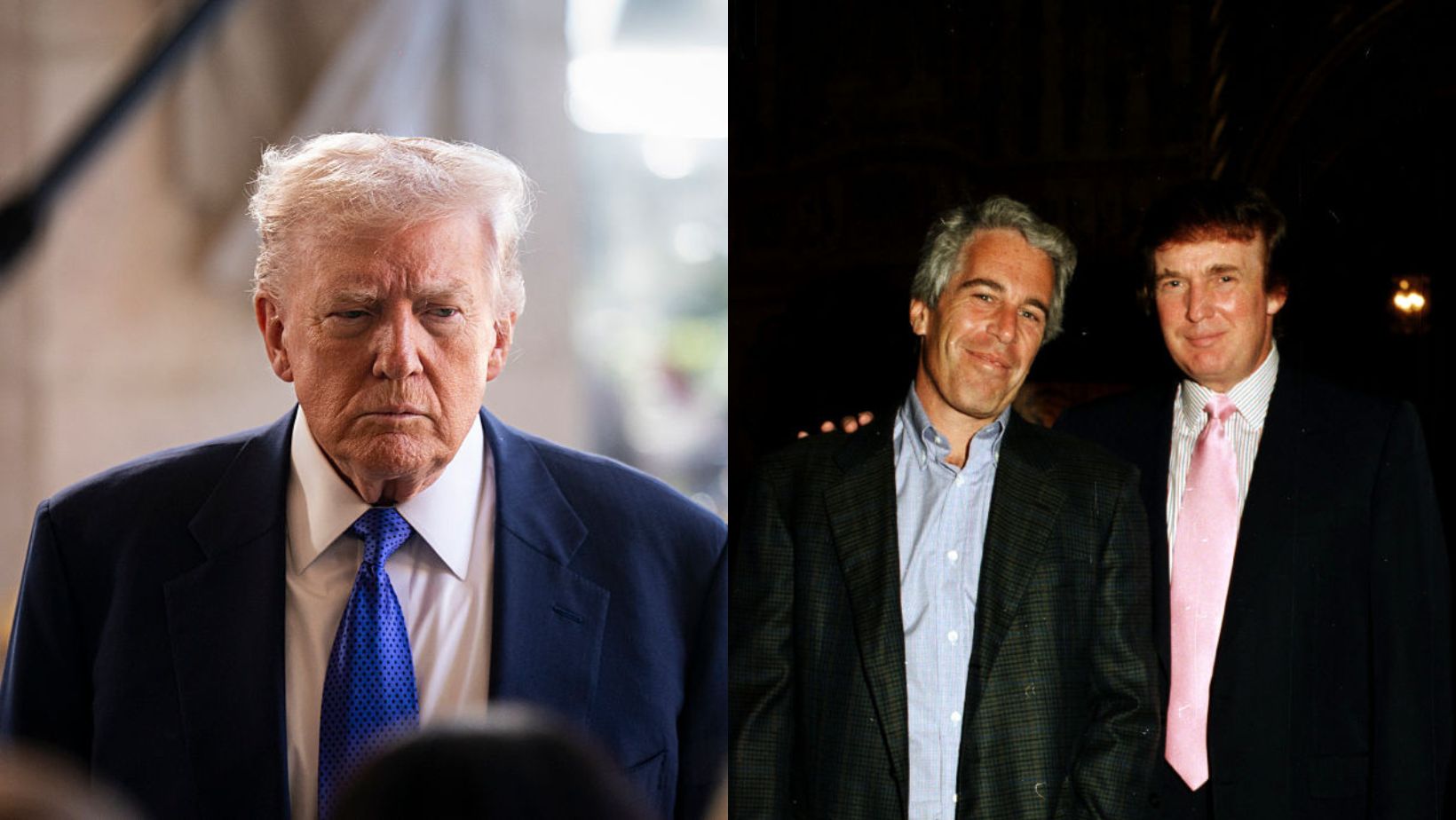
What the memo says — According to the memo, Trump reportedly told law enforcement officials, “Good thing you're arresting him, everyone knows he does that.” The document also states that Trump reported seeing Epstein with teenage girls and then “expelled” him from the Mar-a-Lago club, where Epstein socialized with wealthy individuals.
The report also mentions that Trump allegedly warned the police about Ghislaine Maxwell, describing Epstein's main associate as “evil” and asking that they focus on her. This detail raises questions about what various influential circles knew at the time, and about the exact timeline of knowledge and reactions.

Confirmed and disputed elements — Several points should be noted:
- The memo comes from an FBI interview conducted in October 2019, after Epstein's death. It is part of the “Epstein Files” corpus made public by the US justice system.
- Michael Reiter is named as the source in the document — his name was initially redacted by the Department of Justice and then revealed by the press.
- The White House responded evasively: a spokeswoman said the call “may or may not have taken place in 2006,” while emphasizing that Trump claims to have expelled Epstein from Mar-a-Lago for his repugnant behavior.

Why it matters — This memo raises several key questions that go beyond mere anecdote:
- The timeline: knowing who was informed of Epstein's actions, when, and how is central to understanding the extent of the network and the potential responsibilities.
- The credibility of the testimony: hearing memos recount reported statements and may mix memories, interpretations, and formulations. They are not verdicts, but they are useful clues for investigators and the public.
- The political impact: when it comes to a public figure who has become head of state, any evidence showing that they were aware of sensitive information before it became public takes on significant political and media implications.
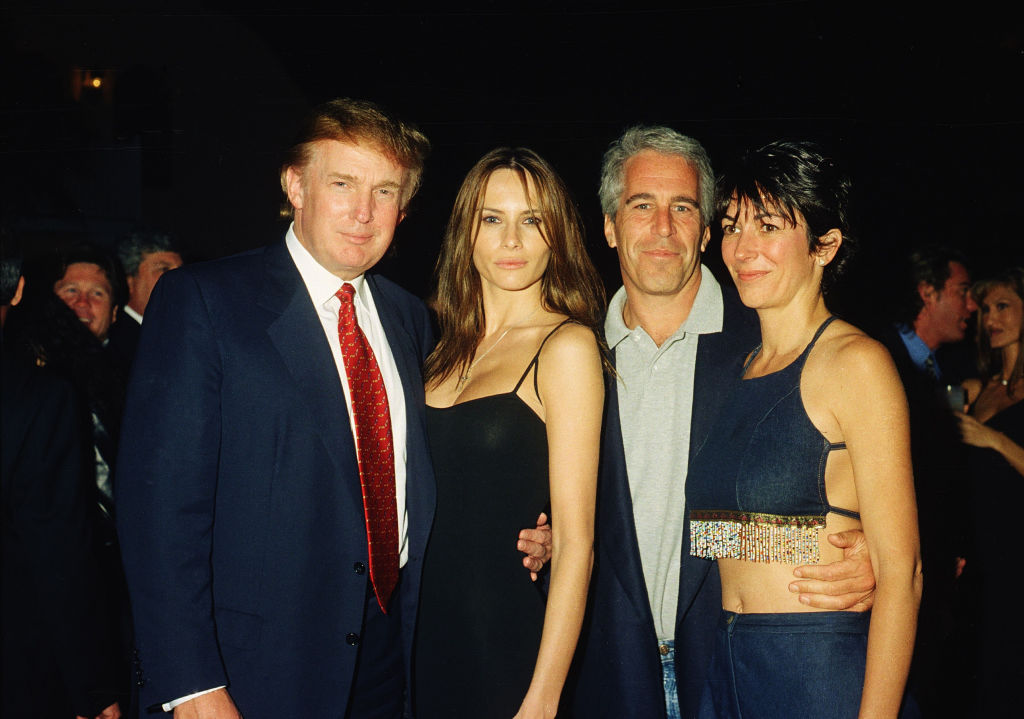
Relational context — It is established that Trump and Epstein had friendly contacts in the early 2000s. Past public statements by Trump, including a 2002 interview, attest to a relationship that was at least superficially warm. Trump claims to have severed ties after Epstein's 2008 conviction, subsequently downplaying the significance of their relationship.
What are the possible consequences? — The publication of the “Epstein Files” and hearing memos is likely to fuel new calls for investigation or review of court records. However, the publication of a memorandum is no substitute for a full judicial investigation: evidence will need to be cross-checked, other witnesses interviewed, and dates and material evidence verified in order to establish facts beyond the reported statements.
In summary — The memo sheds new light on what was being said among Epstein's elite circle as early as 2006. It does not constitute definitive legal proof that Trump knew about all of Epstein's crimes at that time, but it raises legitimate questions about the timeline of information and reactions. For readers: keep in mind the difference between reported accounts and evidence, and follow future investigations to see if these elements are corroborated by other testimonies or documents.
