50% Tariffs? An Analysis of the Reasons, Legal Mechanisms, and Consequences for Canada and the United States


/https%3A%2F%2Fcdn-tor.buminteractif.com%2F2026%2F07%2F21145846%2Ftrump-canada-getty3456345dfgdfg54634dfgdgf.jpg)
The recent U.S. proclamation imposing additional 50% tariffs on a wide range of Canadian products marks a major turning point in trade relations between these historically close neighbors. While public discourse has linked this decision to recent grievances—notably the smoke from wildfires that crossed the border—the reality involves a mix of political motivations, legal tools rarely invoked, and concrete economic issues. In this article, we clearly explain the legal basis for the measure, the arguments put forward by Washington, Ottawa's response, and the potential consequences for businesses and citizens in both countries.
The Legal Basis: Why Section 338 of the 1930 Tariff Act?
The measures were implemented through three proclamations signed under Section 338 of the Tariff Act of 1930. This provision allows the President of the United States to unilaterally address foreign practices perceived as discriminatory against U.S. exporters. Historically, this law has rarely been used, making it an exceptional tool. Its invocation reflects a desire to act quickly and visibly, without waiting for slower multilateral or bilateral mechanisms to be exhausted.
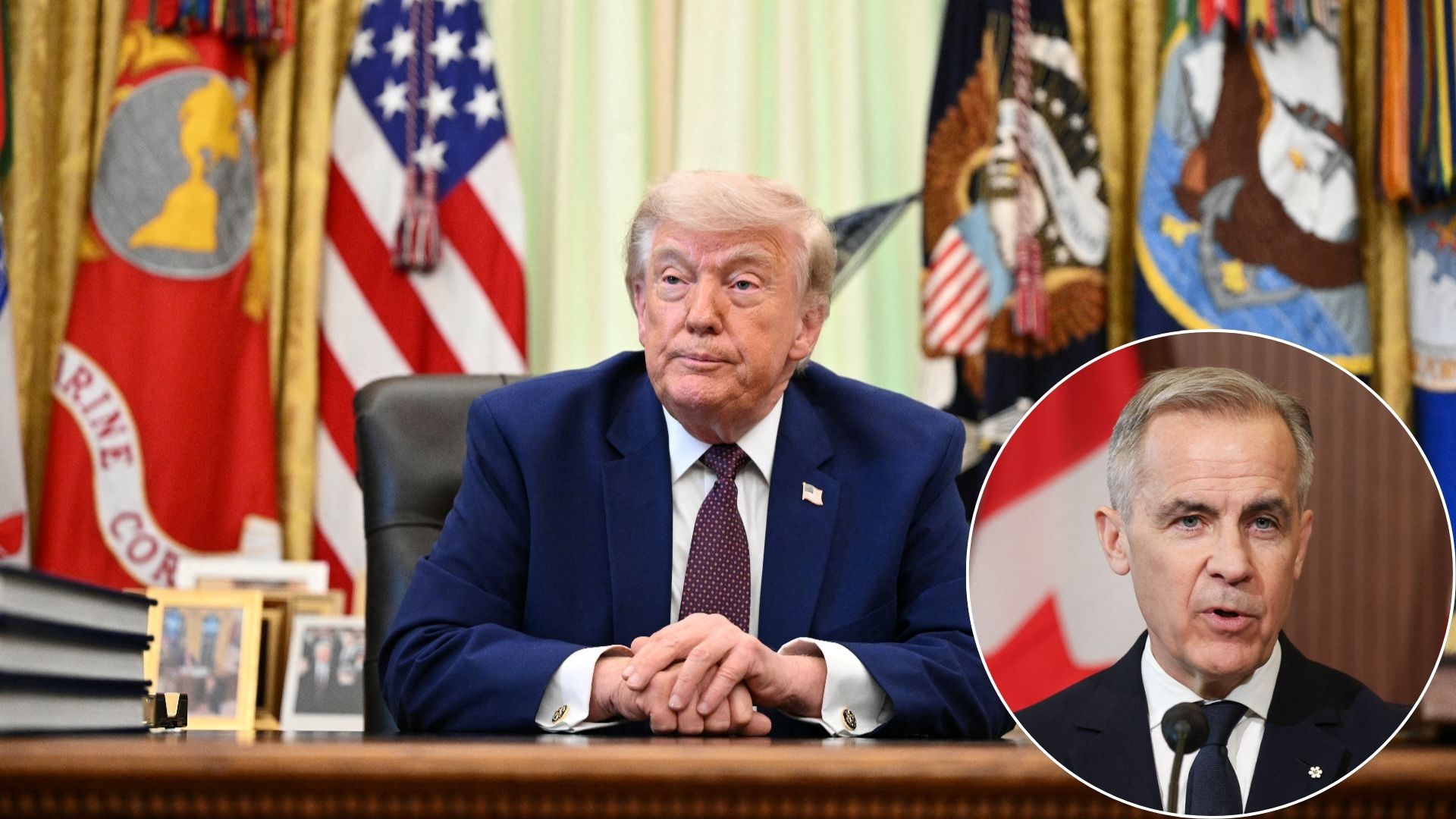 In practice, these proclamations take effect 30 days after signing and specify targeted product categories. Several exemptions have been announced—energy, potash, fish, and critical minerals—which partially mitigates the impact on certain strategic supplies. However, for many industries, an additional 50% tariff represents a colossal cost increase that upends the competitive landscape.
The U.S. Arguments: Restoring Reciprocity
The White House justified the measure by citing a long history of unequal treatment inflicted on U.S. exporters by various Canadian policies. Washington cited, among other things, a significant decline in imports of U.S. vehicles, provincial restrictions that have drastically reduced purchases of U.S. alcoholic beverages, and the Canadian dairy quota system, which is seen as favoring third-party suppliers. In official rhetoric, the decision aligns with the “America First” approach: protecting domestic jobs and industry by correcting perceived imbalances.
Canada's Response: Rejection and a Call for Dialogue
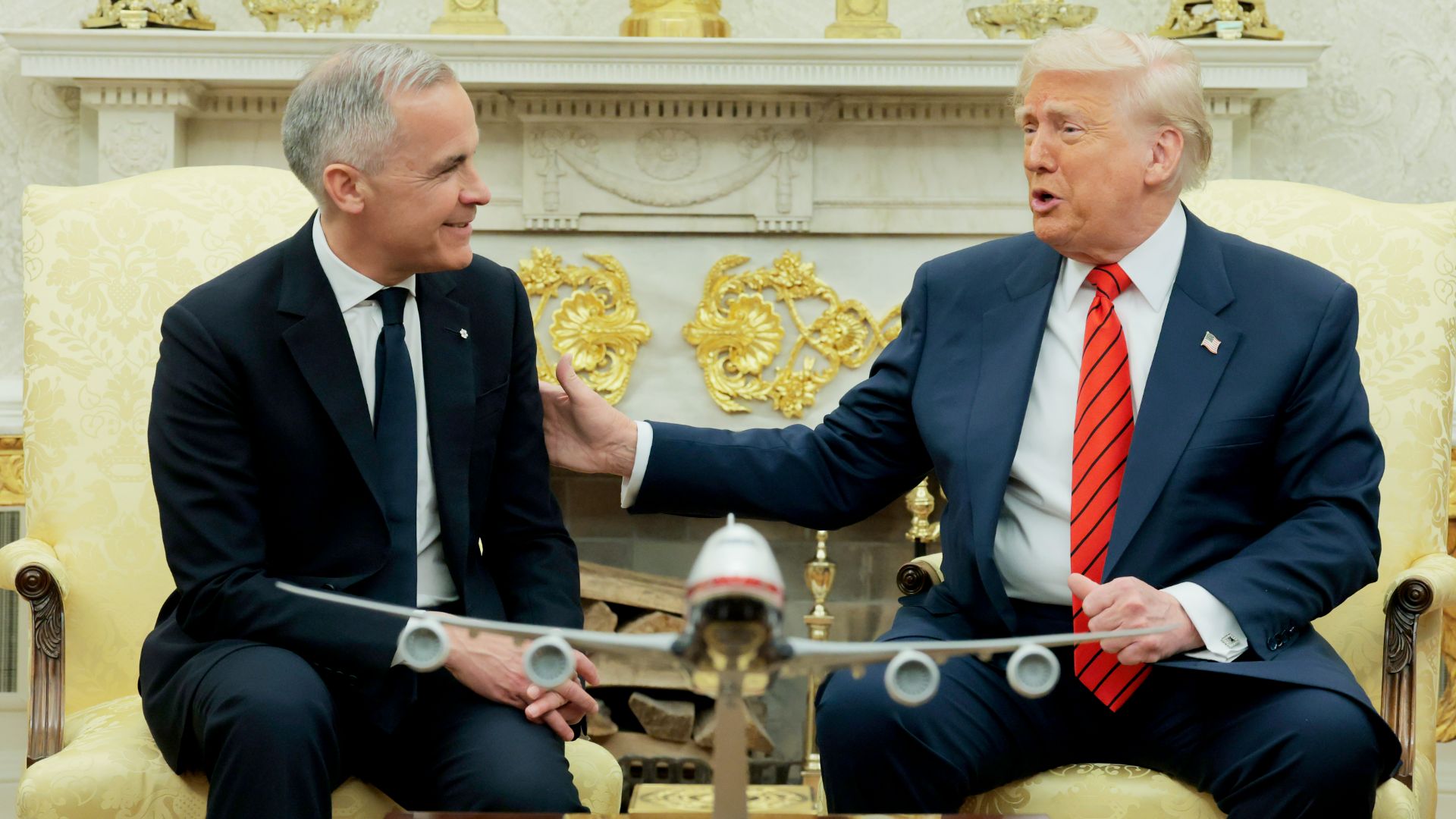
Prime Minister Mark Carney rejected the accusations and highlighted the substantial measures Canada has taken to prevent and combat wildfires, as well as the impact of previous U.S. tariffs. Ottawa has announced its intention to prioritize negotiation and emphasized that it has already proposed ways to modernize the USMCA. Politically, Canada is balancing the need to protect its industries with the interest in maintaining a stable trade relationship with its main partner.
Scenarios to Consider
- Bilateral negotiations: This is the least costly scenario in the long term, but it requires political and sector-specific compromises.
- The Canadian response: Ottawa could impose countermeasures, which would increase costs for consumers and businesses on both sides.
- The legal route: bringing the matter before international bodies (WTO, USMCA mechanisms); effective but slow.
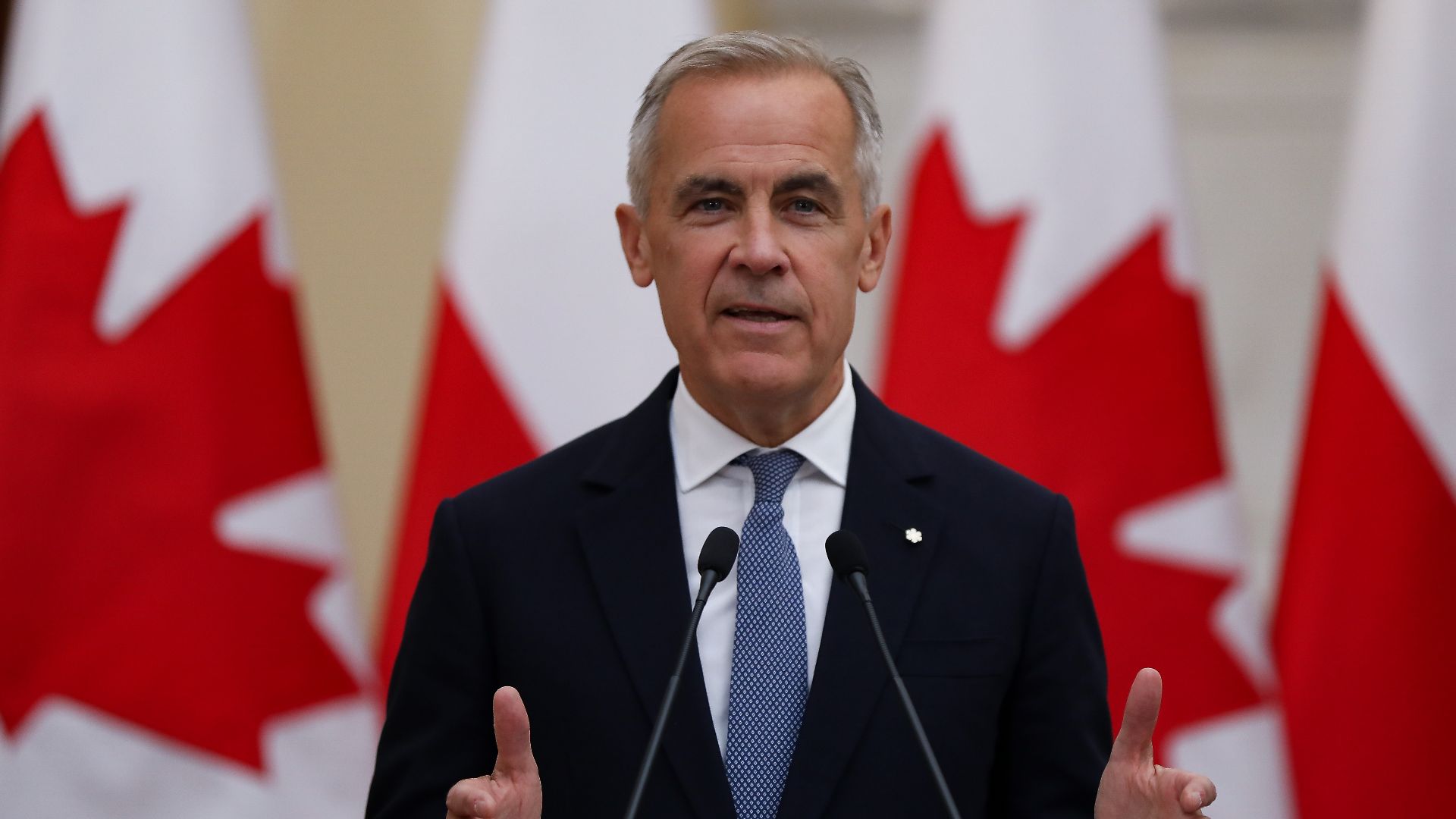 Each of these paths entails political and economic costs. Businesses must develop continuity plans, diversify their markets, and secure their supply chains to reduce dependence on a potentially disruptive partner.
Concrete Impacts for Economic Stakeholders
For Canadian exporters, the immediate effect is a loss of competitiveness in the U.S. market; some segments will have to absorb the price increase, while others will need to shift to new markets. U.S. importers, for their part, could face higher retail prices, which will be passed on to consumers. Cross-border integrated industries—automotive, agri-food, and forest products—will be particularly vulnerable, as their costs and logistics networks rely on strong North American interconnections.
A Broader Issue: Trust and Cooperation
Beyond tariff measures, this crisis reveals the fragility of a cooperative relationship that relies on more than just written agreements: political trust and the ability to prioritize diplomacy are essential. If tensions persist, the economic cost will manifest not only in tariffs but also in reduced coordination on shared issues such as environmental emergency management, security, and industrial innovation.
In conclusion, the imposition of 50% tariffs is a decision that is both symbolic and fraught with consequences. Its impact will depend on the diplomatic, legal, and trade responses Ottawa chooses to pursue, as well as on the ability of economic actors to adapt quickly. Stay informed: The coming weeks will be decisive for the future of trade between these two closely linked neighbors.
