Putin’s threats grow more erratic as he vows to seize Donbas and warns Europe of war


/https%3A%2F%2Fcdn-tor.buminteractif.com%2F2025%2F12%2F04160418%2Fputing-gettu48gndfg8kssk.jpg)
Hours before a new round of US–Russia contacts aimed at exploring a possible framework for peace, Vladimir Putin delivered one of his most confrontational statements in months, vowing that Russia would seize the entire Donbas region and warning that Europe could face war if it chose to challenge Moscow. His comments, made just as American representatives prepared to arrive in Moscow for preliminary talks, underscored a widening gap between diplomatic efforts and the Kremlin's increasingly erratic rhetoric. By insisting that Donetsk and Luhansk would fall «militarily or otherwise» while cautioning Europe that Russia was «ready» for conflict, Putin set a tense tone that threatened to overshadow any tentative steps toward negotiation.
In his televised remarks on the battlefield situation, Putin hardened Russia's position on the Donbas, presenting the fate of the region as non-negotiable and setting out a blunt ultimatum for Kyiv. He stated that Russia's goal was to assert full control over Donetsk and Luhansk, describing this as a matter of time rather than choice. As he put it, «Either we liberate these territories by force of arms, or Ukrainian troops leave these territories.» By framing the issue in such stark terms, he effectively ruled out any compromise over the status of the Donbas and signaled that Moscow is prepared to sustain a long and costly campaign. Putin went further by insisting that Russia would secure these territories «militarily or otherwise», a phrase that leaves the door open to additional tools of pressure, from political coercion to economic leverage, while reinforcing the impression that, in his view, the end state is fixed and only the method remains in question for the Kremlin.
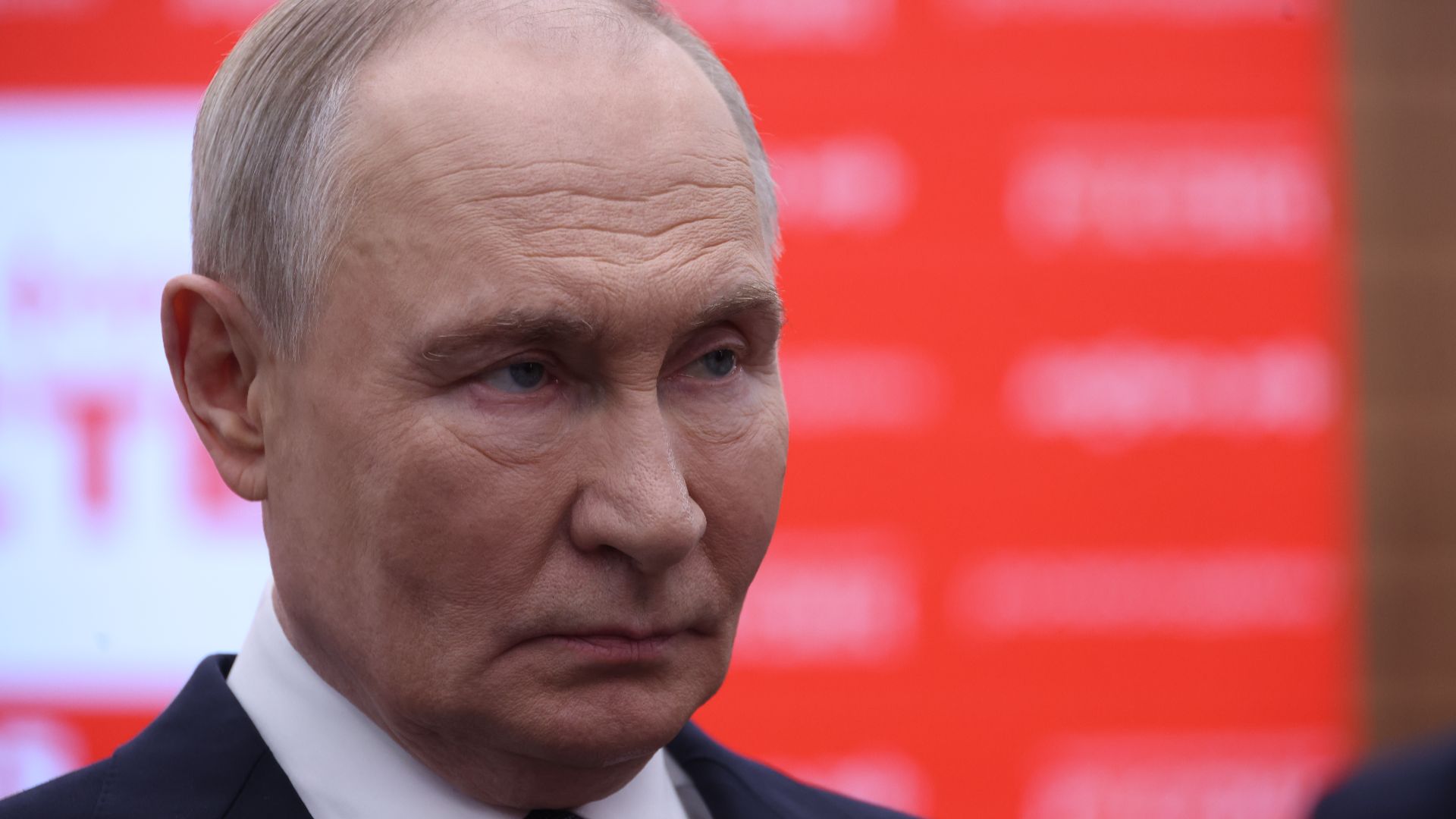
When he turned to Europe, Putin's rhetoric grew even more confrontational, shifting from territorial claims in Ukraine to a direct warning aimed at Western capitals. Addressing the possibility of a deeper European role in the conflict, he delivered a stark message that cast Russia as fully prepared for a wider confrontation. «If Europe suddenly wants to fight with us and starts it, we are ready right now», he said, presenting Moscow as both confident in its military strength and unafraid of escalation. He then added a chilling line about the consequences of such a clash:
«There would be no one to negotiate with in Europe.»
Taken together, these comments amount to a threat that any move by European states to challenge Russia more directly could trigger a level of destruction that would obliterate the very partners Washington is trying to involve in a peace framework, undercutting diplomatic efforts and amplifying concerns about how unrestrained and volatile the Kremlin's messaging has become.
Ukraine wants «real peace, not appeasement»
Ukraine's response to Putin's latest comments was immediate and defiant, with both President Volodymyr Zelensky and senior officials rejecting any suggestion that Kyiv might retreat from the Donbas or accept Moscow's territorial demands as the price of peace. Zelensky and his team have repeatedly stressed that Ukraine will not withdraw its troops from the territories it still controls in Donetsk and Luhansk, nor legitimize Russia's claim over land seized by force, framing Putin's ultimatum as a continuation of the same coercive tactics that began with the 2014 annexation of Crimea. Ukrainian diplomats underlined that peace talks must not become a new version of appeasement, with Foreign Minister Andrii Sybiha insisting that Ukraine wants «real peace, not appeasement» and warning against repeating the historical mistakes of rewarding aggression. Kyiv has also bristled at the broader threat directed at Europe, arguing that Putin's warning that «there would be no one to negotiate with in Europe» only proves why the EU and NATO must stay united behind Ukraine, maintain sanctions and military support, and refuse any deal that would cement Russian control over occupied regions.
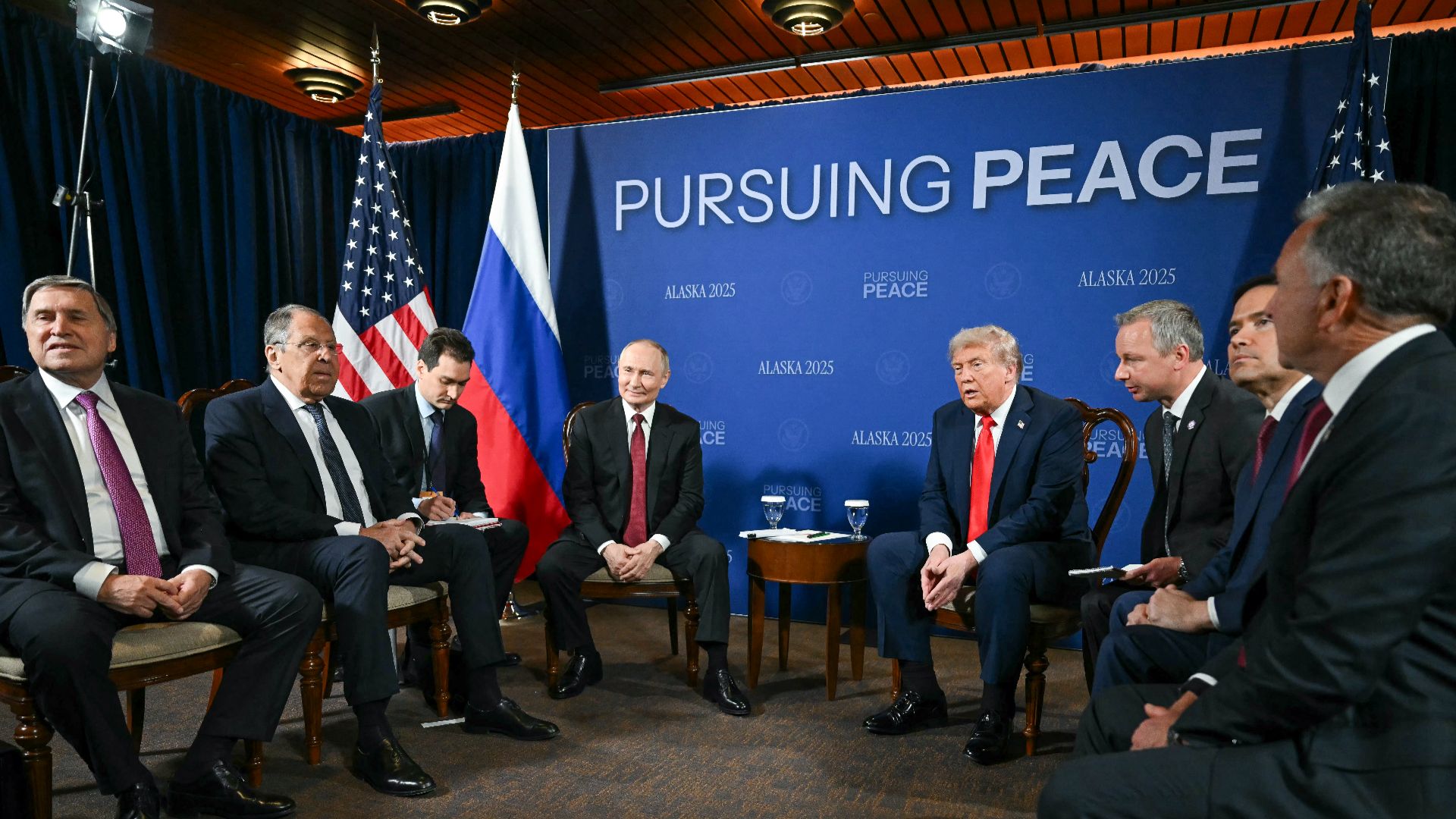
European leaders reacted to Putin's latest threats with a mix of public condemnation and concrete moves to harden the continent's defences, framing his comments as proof that Russia remains a direct and long-term danger to European security rather than a partner for compromise. In Brussels and key capitals, officials stressed that warning Europe it could be destroyed if it confronted Moscow would not split the alliance but instead reinforce the urgency of staying united behind Ukraine and resisting any peace terms built on territorial concessions.
EU institutions have kept up sanctions and financial support while exploring the use of frozen Russian assets to fund Kyiv's war effort, and NATO's new secretary general has underlined that the alliance is «ready and willing» to defend itself against any attack, explicitly responding to Putin's war talk. At the same time, the EU is pushing ahead with its Readiness 2030 defence initiative, which seeks to massively increase joint spending on air and missile defence, artillery, drones and other critical capabilities, marking a strategic shift toward a more militarily assertive Europe designed precisely to deter the kind of escalation Putin is now openly threatening.
A network of influential US businessmen and Russian oligarchs
The current US effort to negotiate a Ukraine peace plan has increasingly centered on direct, often discreet discussions between American envoys and the Kremlin, with figures such as Steve Witkoff and Jared Kushner holding extensive talks with Vladimir Putin on a 28-point framework that critics argue mirrors many of Russia's demands while sidelining Kyiv.
Reports indicate that the US delegation has explored options involving partial sanctions relief or economic incentives for Moscow as part of a potential ceasefire, raising concern in Ukraine and Europe that Washington may be prioritizing geopolitical expediency over Ukrainian sovereignty. Adding to the controversy, investigative outlets have reported that a network of influential US businessmen and Russian oligarchs sees the negotiations as an opening for future energy, infrastructure, and investment deals — fueling suspicion that the proposed peace plan risks blending diplomatic concessions with lucrative private interests rather than ensuring a transparent, Ukraine-first process.
