

/https%3A%2F%2Fcdn-tor.buminteractif.com%2F2026%2F01%2F12142015%2Fcover-2-4.jpg)
A new study published in the scientific journal Cell by the research group of Stanford University professor Dr. Pascal Geldsetzer shows that the shingles vaccine may have therapeutic properties against dementia. The finding suggests that two doses of the shingles vaccine could not only slow the progression of dementia, but also reduce the risk of death from these cognitive disorders. According to Dr. Geldsetzer, these observations suggest that the shingles vaccine is not only preventive against dementia, but also has therapeutic potential: “It was really exciting and unexpected!”
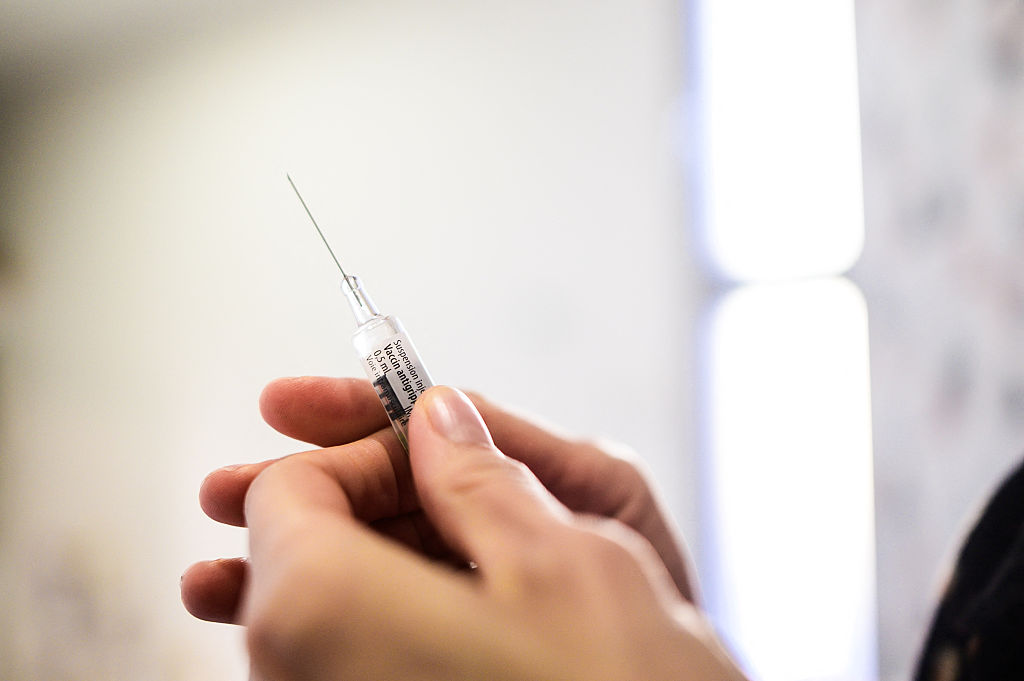
Shingles is a disease resulting from infection with a virus called Varicella-Zoster, which causes a painful rash. The risk of shingles and related serious complications increases significantly with age, due to the weakening of the immune system. For this reason, shingles vaccination is recommended from the age of 50 onwards, and is said to be over 90% effective in preventing shingles in the elderly. But how could this vaccine also influence dementia? The study published in Cell did not precisely determine why, but several avenues are suggested to answer this question. According to Geldsetzer, the virus that causes shingles remains present in the nervous system, even when dormant. This could lead to inflammation, which is a key factor in many chronic diseases, including dementia. Another possibility is the stimulation of the nervous system directly linked to vaccination: a stronger immune system fights infections better, which may be linked to an increased risk of dementia.
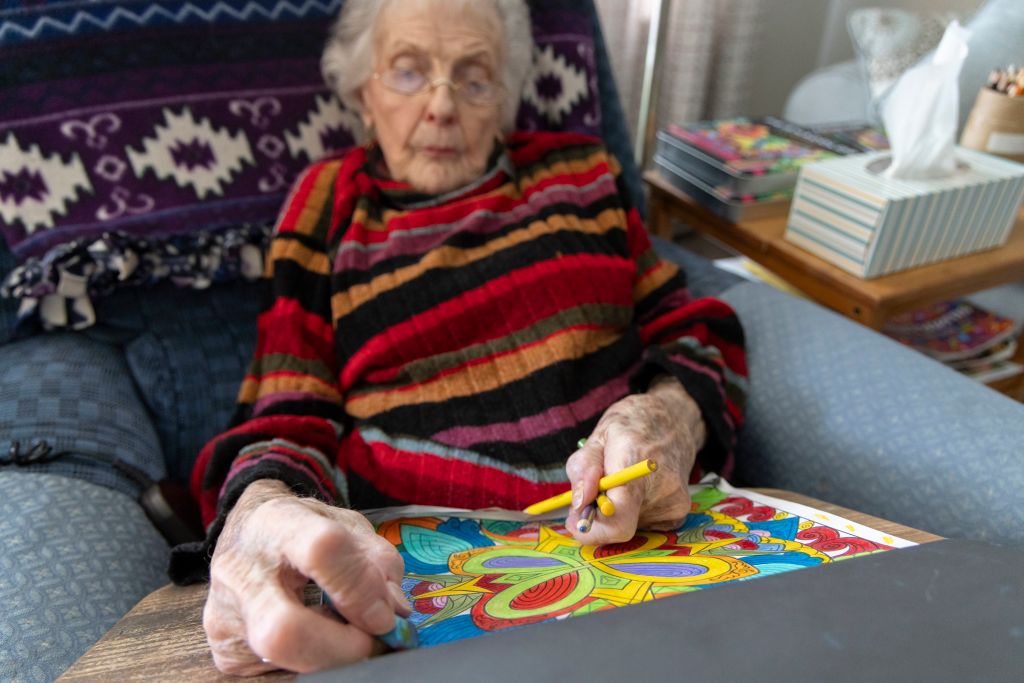
This study led to early work by the same research team, showing that the vaccine could prevent or delay dementia. These initial developments were found by analyzing medical records of older adults in Wales, where a shingles vaccination program had been launched for septuagenarians in September 2013. In this program, an age limit below 80 was imposed: it was this rule that enabled the researchers to compare two very similar groups of elderly people, but with very different chances of being vaccinated. Their first finding showed that receiving the vaccine reduced the probability of being diagnosed with a new dementia by 3.5% over a seven-year period. In the more recent finding, the researchers re-used Welsh data from over 282,500 adults, compared with data from Australia, to analyze differences in the diagnosis of mild cognitive impairment, and the rate of cognitive impairment-related death for those diagnosed with dementia. The results show that the vaccine reduces the risk of being diagnosed with mild cognitive impairment by 3.1% over 9 years, with a greater protective effect in females. For those already diagnosed with dementia, the vaccine reduced the risk of death from dementia by 29.5% over the following 9 years, suggesting a slowing in the progression of cognitive impairment.
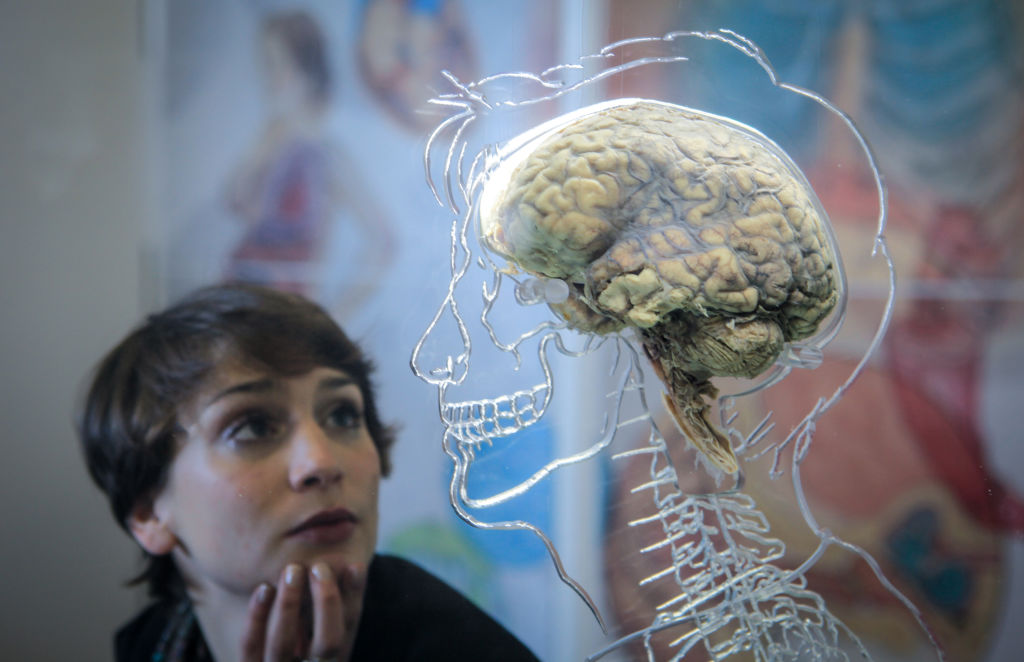
Further research would lead to a randomized clinical trial to improve understanding of the link between shingles vaccine and dementia. The scientific community, however, cautions the public that, while this study does indeed demonstrate protection of the patient's cognitive abilities, the exact reason for this remains unknown. Several professors state that these studies are not intended to establish a recommendation for vaccination to reduce the risk of dementia. Further research is essential, not least because the current study involves older versions of the shingles vaccine.
