Trump Axes Carney’s Invitation To His «Board of Peace» After Applauded Davos Address


/https%3A%2F%2Fcdn-tor.buminteractif.com%2F2026%2F01%2F23165741%2Fcarney-trump-getty-3434234234.jpg)
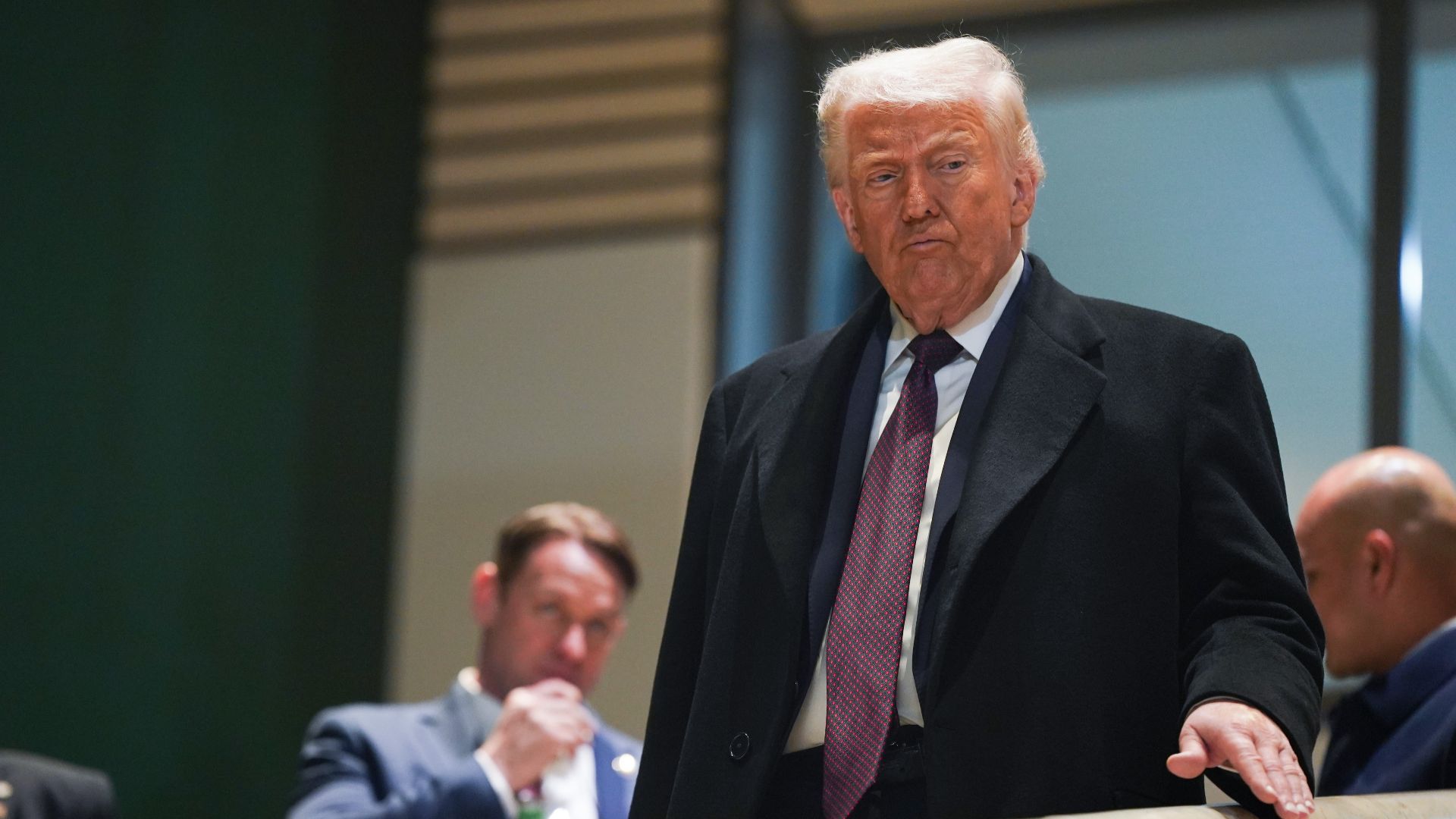
Donald Trump has withdrawn an invitation extended to Canadian Prime Minister Mark Carney to join what he has described as the «Board of Peace», an initiative presented as focusing on peace efforts and the reconstruction of Gaza, but which remains loosely defined despite being framed as an elite forum of global leaders. The decision came days after both men attended the World Economic Forum in Davos, Switzerland, held from 20 to 24 January, where Carney delivered a widely praised speech emphasising multilateral cooperation and collective responsibility. Trump's move to revoke the invitation highlighted the growing divide between his transactional approach to international affairs and the vision articulated by Carney on the global stage.
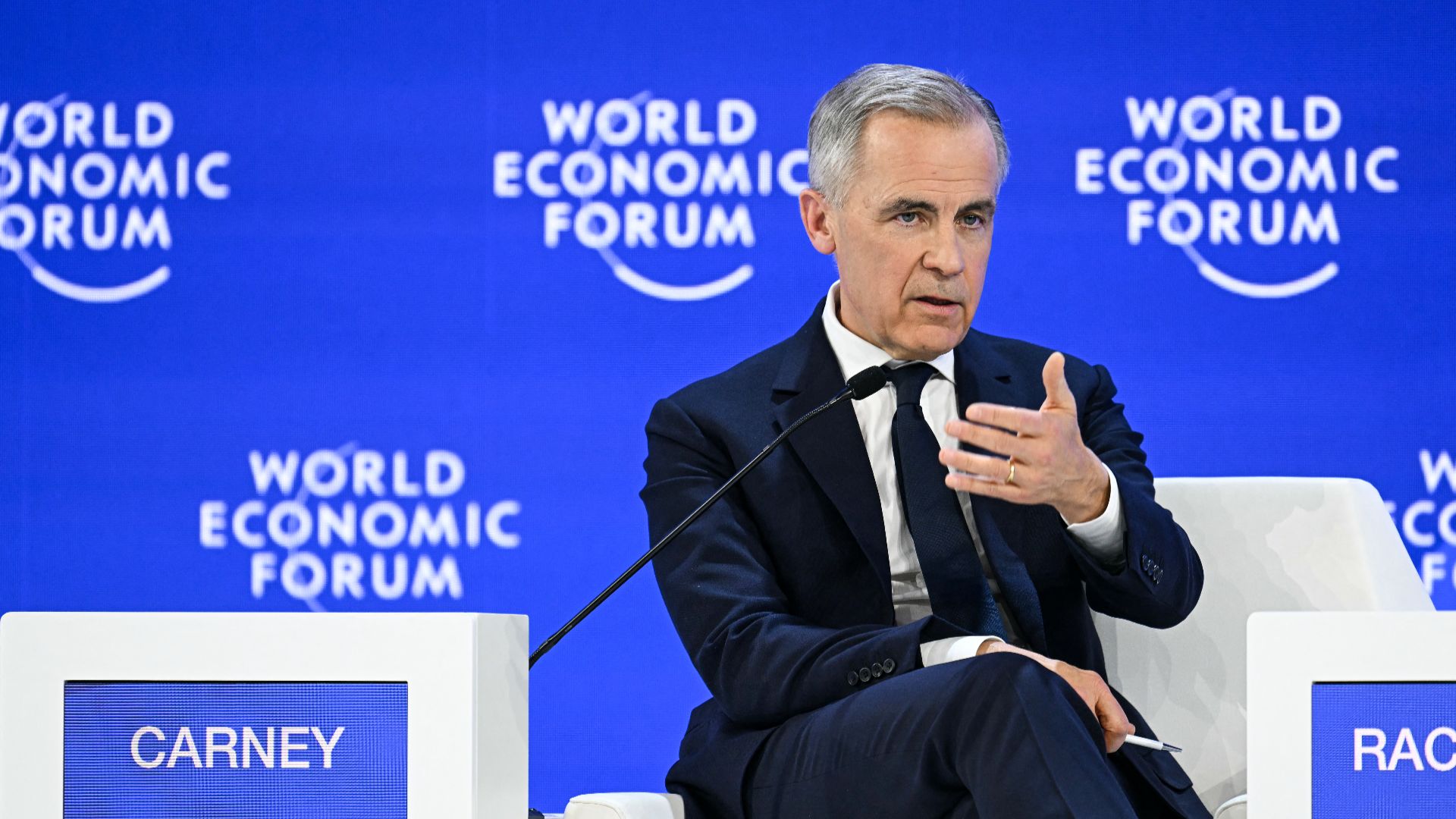
Donald Trump has expanded controversy around his proposed «Board of Peace», an initiative he has presented as being focused on peace efforts and the reconstruction of Gaza, while promoting it as «what will be, the most prestigious Board of Leaders ever assembled, at any time» and claiming it would include a permanent seat priced at one billion dollars. In a Truth Social post beginning with «Dear Prime Minister Carney», Trump announced that «the Board of Peace is withdrawing its invitation to you regarding Canada's joining», publicly singling out the Canadian leader after his acclaimed Davos speech. Trump and his allies have said that several countries agreed in principle to take part, citing Argentina, Armenia, Azerbaijan, Bahrain, Belarus, Egypt, Hungary, Kazakhstan, Kosovo, Morocco, Pakistan, the United Arab Emirates, Vietnam and Israel. At the same time, Russia has been reported to be contemplating the purchase of a permanent seat, with Vladimir Putin saying he could provide one billion dollars from US-based assets frozen following Russia's invasion of Ukraine. By contrast, several NATO and European countries have distanced themselves from the initiative, deepening skepticism among diplomats over the credibility and intent of the proposed «Board of Peace».
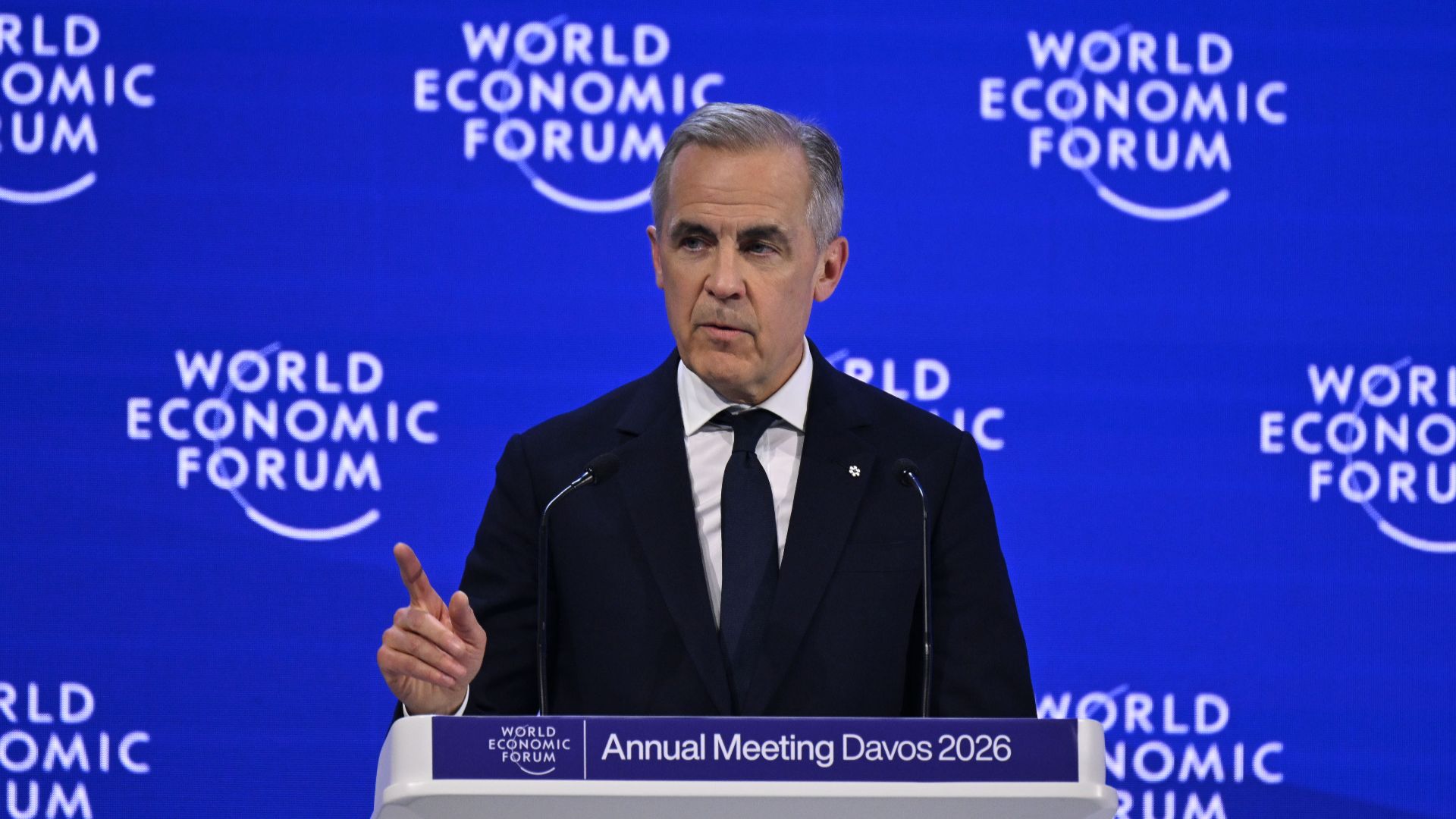
At the World Economic Forum in Davos, Switzerland, Mark Carney delivered a high-profile address widely interpreted as a direct and immediate reaction to the way Donald Trump has governed since returning to the White House. Speaking against the backdrop of growing geopolitical fragmentation, Carney argued that the post-war, rules-based international order is undergoing a structural breakdown, with power increasingly used as a tool of coercion rather than cooperation. He warned that deep economic integration no longer guarantees stability and can instead expose countries to strategic pressure. Framing his remarks as a call to action for middle powers, Carney urged nations such as Canada to strengthen strategic autonomy, deepen cooperation with like-minded partners and reinforce domestic resilience. His speech emphasised both principled cooperation and pragmatic action, calling for diversified partnerships and stronger national foundations in an increasingly unstable global landscape.
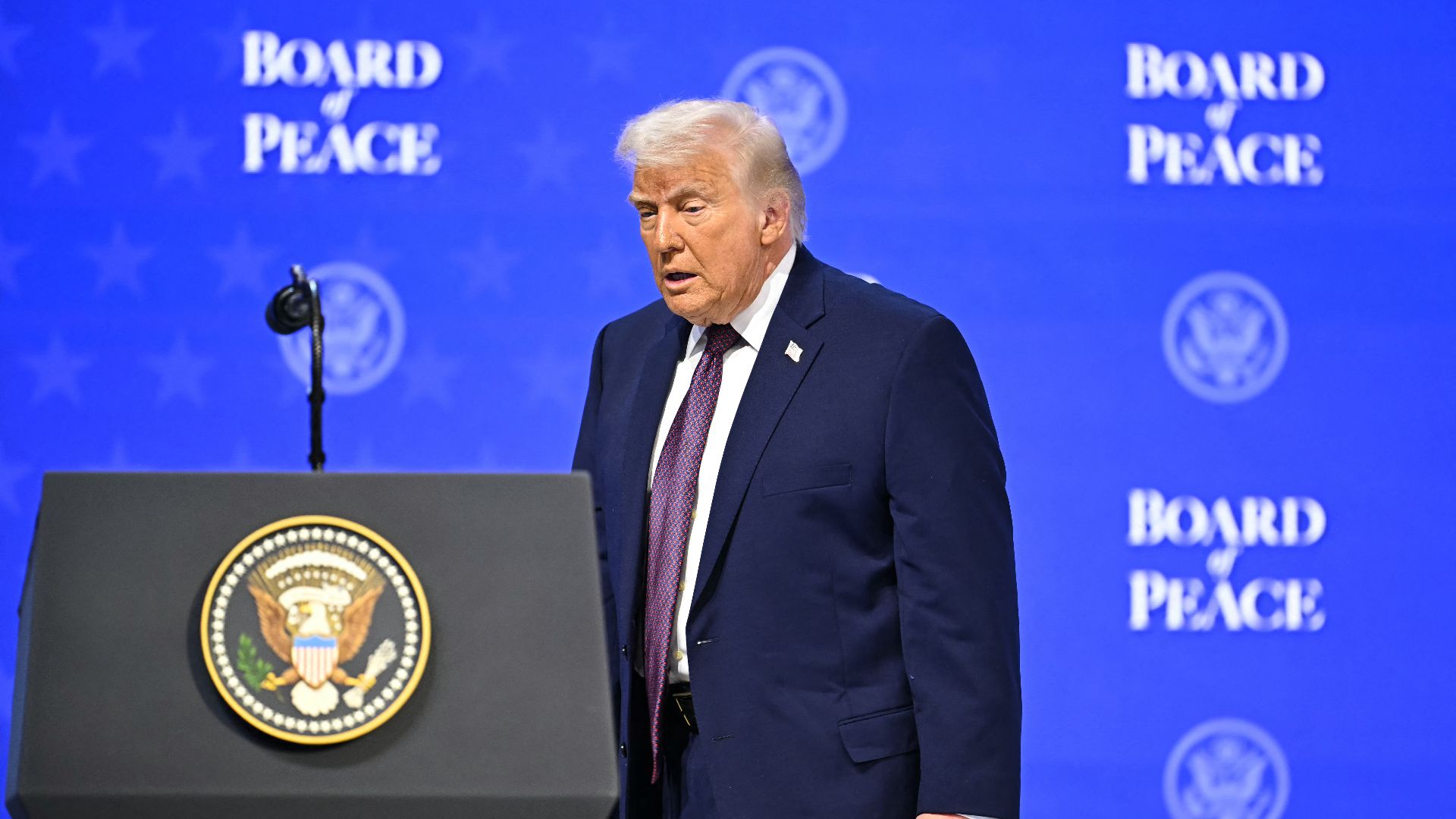
Mark Carney's address in Davos appeared to strike a nerve with Donald Trump, coming into sharp contrast with the tone and substance of the US president's own speech at the World Economic Forum. While Carney called for upholding a rules-based global order, strengthening alliances and embracing collective action in the face of mounting geopolitical instability, Trump delivered a combative, nationalist-oriented address centred on national sovereignty, transactional diplomacy and economic leverage. He used his appearance to tout America's economic performance, trade policy and energy leadership, while signalling a readiness to deploy tariffs and pressure in dealings with European partners. Trump also focused on asserting US strategic interests, notably taking a controversial stance on Greenland, which he described as territory that «only the United States can defend», a remark that drew criticism from European leaders and NATO allies and underscored the widening gap between the two visions presented in Davos.
Created by humans, assisted by AI.
