

/https%3A%2F%2Fcdn-tor.buminteractif.com%2F2026%2F01%2F28174651%2Feurope-russia-shadow-fleet-getty3-45332424.jpg)
In a letter to the International Maritime Community, a coalition of European coastal states formally accused Russia of engaging in deliberate interference with satellite-based navigation systems, warning that the actions pose an escalating threat to maritime safety. The letter was signed by Belgium, Denmark, Estonia, Finland, France, Germany, Iceland, Latvia, Lithuania, the Netherlands, Norway, Poland, Sweden and the United Kingdom, all countries with direct exposure to traffic in the Baltic Sea and the North Sea. The signatories said the disruptions originate from the Russian Federation and are increasingly affecting European waters, prompting them to alert shipping companies, flag states, port authorities and seafarers to what they describe as a serious and emerging safety risk.
According to the letter, Russia-linked jamming of Global Navigation Satellite Systems is degrading the accuracy and reliability of positioning, timing and navigation data that modern maritime transport depends on. European governments warned that uninterrupted GNSS signals are a critical safety requirement, not a technical convenience, as they support navigation, collision avoidance and distress and rescue systems. Interference with those signals, they said, creates hazardous conditions at sea, increasing the risk of collisions, groundings and delayed emergency responses. The states stressed that the disruption represents a new category of safety threat and warned explicitly that «all vessels» operating in affected areas are exposed, regardless of flag, cargo or route.
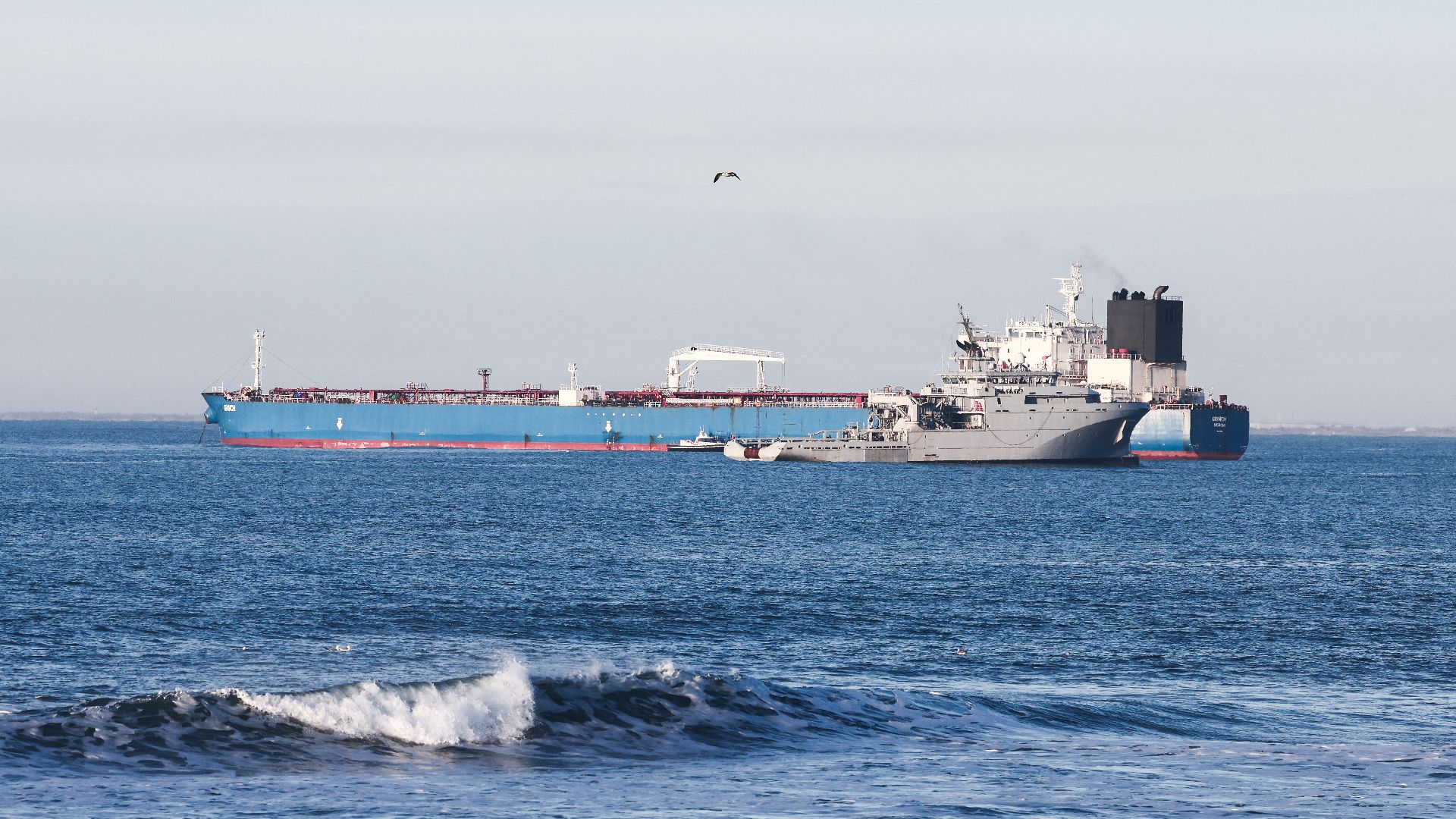
The signatories also raised concerns about the manipulation and spoofing of the Automatic Identification System, which is essential for tracking vessels, coordinating traffic and supporting emergency operations. They warned that falsified AIS data undermines situational awareness and severely hampers rescue efforts, compounding the dangers created by satellite navigation interference. The letter further linked the growing risks to the increased use of so-called shadow fleet vessels to circumvent international sanctions, a practice widely associated with Russian oil exports. These ships, often operating with opaque ownership and weak regulatory oversight, were described as intensifying safety, environmental and security risks in European waters, prompting calls for urgent international attention and coordinated action.
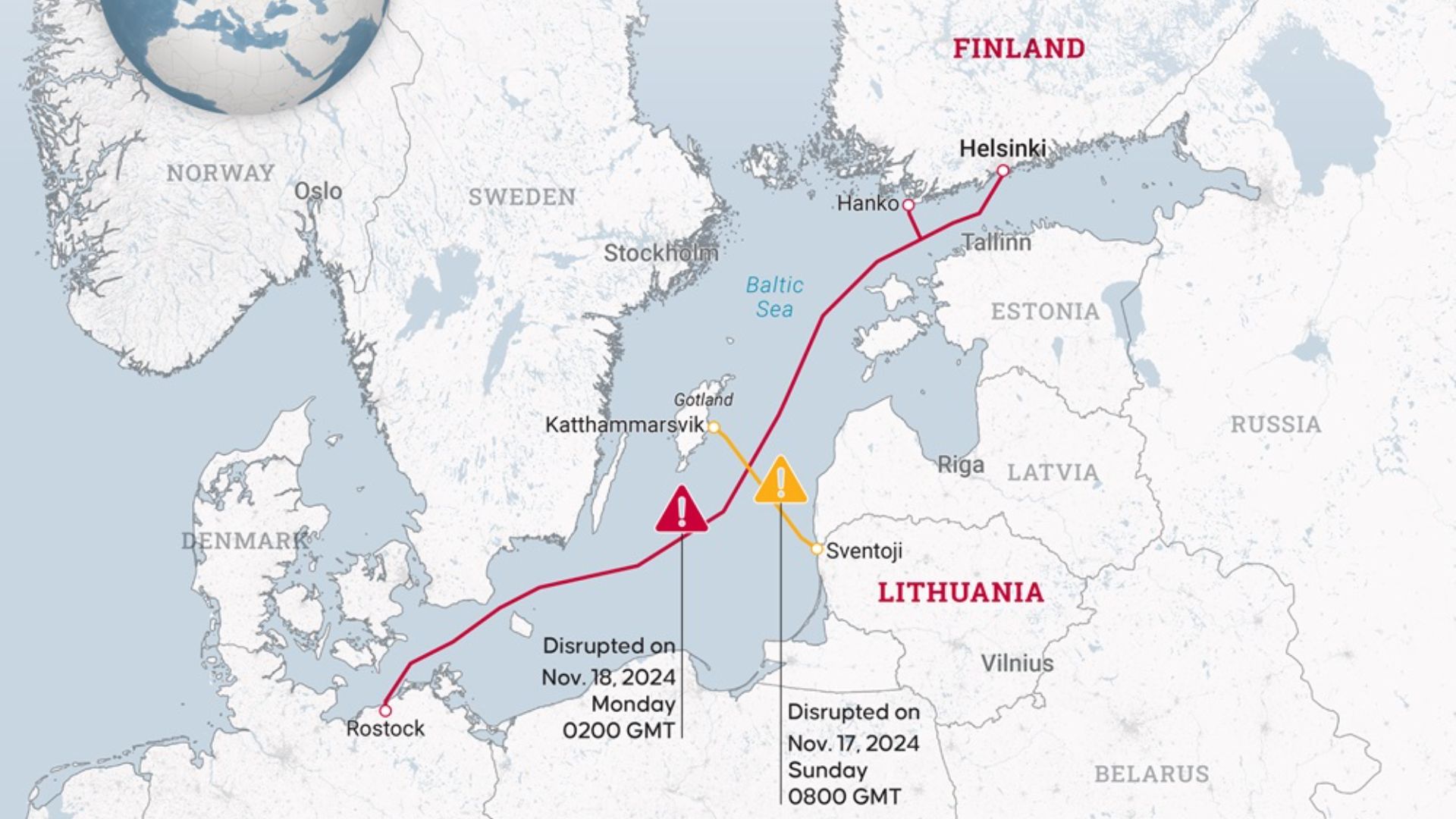
Over the past three years, European governments and security agencies say Russia's actions in key maritime corridors have escalated from localized disruption to a sustained threat to civilian infrastructure and navigation. Beginning in 2023, Nordic and Baltic states recorded a sharp rise in GPS jamming incidents affecting both aviation and maritime traffic, with interference intensifying in 2024 around the Baltic Sea and near Russia's Kaliningrad exclave. That same year, European authorities began linking the disruptions to broader hybrid tactics at sea, including the activity of Russia-linked “shadow fleet” vessels operating near busy shipping lanes. In November 2024, investigations were launched after major subsea telecommunications cables in the Baltic Sea were severed, with scrutiny falling on a vessel that had recently sailed from a Russian port. By January, European coastal states formally warned that Russia-origin interference now threatens all vessels, marking a clear escalation in both scale and risk.
Created by humans, assisted by AI.
