

/https%3A%2F%2Fcdn-tor.buminteractif.com%2F2026%2F02%2F04162236%2Folympic-attack-russe4234234gd.jpg)
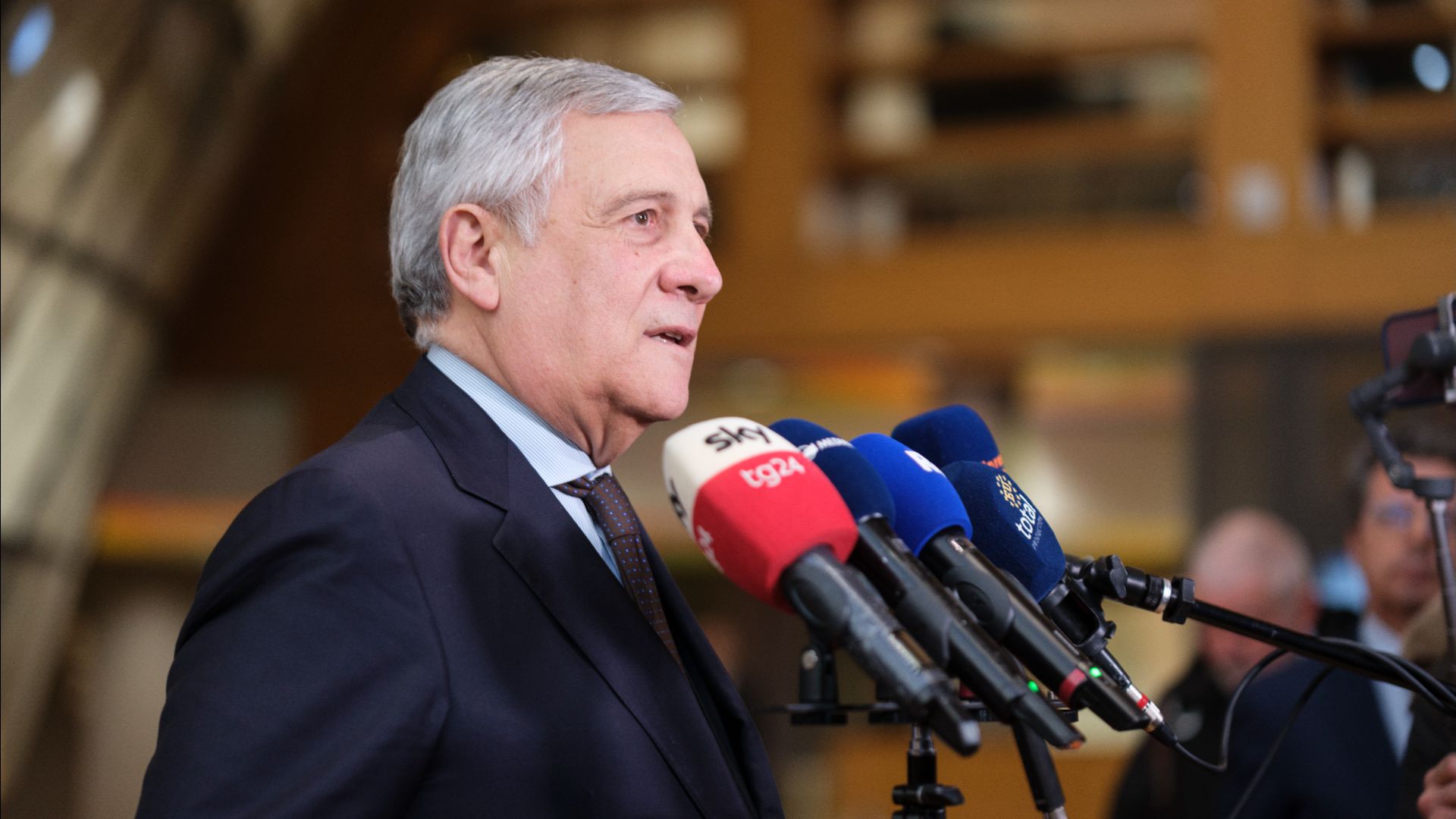
Italian authorities say they have thwarted a series of cyberattacks of «Russian origin» targeting government infrastructure and Olympic-related systems as the Winter Games opening ceremony approaches. Speaking publicly about the incidents, Foreign Minister Antonio Tajani said:
«These are actions of Russian origin.» He said the attacks were directed at Italy's foreign ministry, including an embassy in Washington, as well as websites linked to the Olympics and hotels in Cortina d'Ampezzo. According to Tajani, Italian cybersecurity services detected and neutralised the digital assaults before any disruption occurred. «We prevented a series of cyberattacks against foreign ministry sites,» he said.
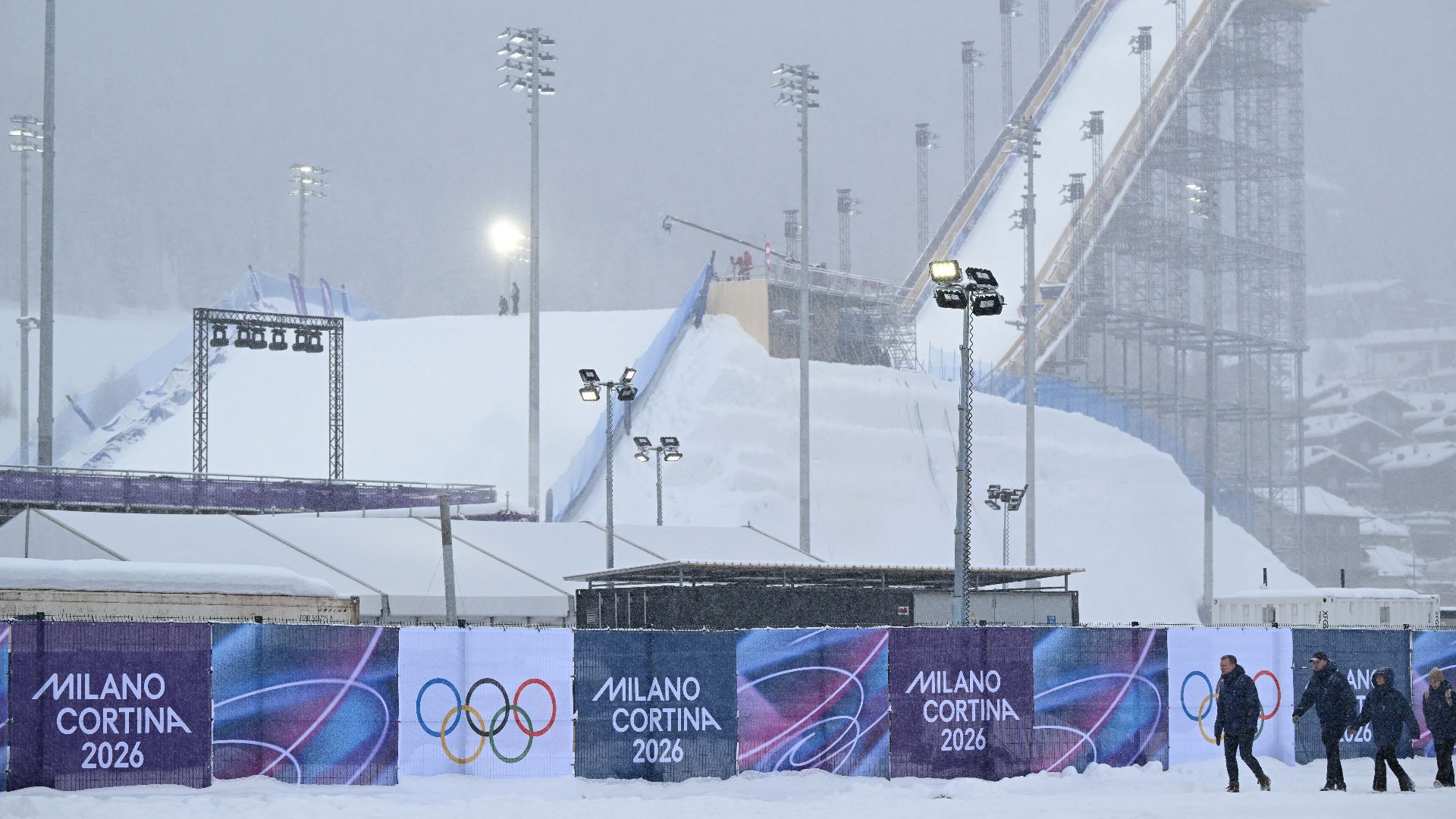
The announcement came days before the opening ceremony, as Italy intensified security measures across both physical and digital infrastructure.
The Italian government did not release technical details about the attacks but said the incidents fit a broader pattern of hostile cyber activity attributed by officials to Russian-linked actors. Tajani described the operations as coordinated attempts involving multiple targets rather than isolated incidents, reinforcing concerns about deliberate interference. Italian authorities said cybersecurity measures around the Olympics had been reinforced for months, including coordination between intelligence agencies, national cybersecurity units, and Olympic organisers.
While preparations were not disrupted, officials acknowledged that the attempted intrusions highlighted the vulnerability of large-scale international events to digital threats. The attacks reinforced fears that cyber operations are increasingly deployed alongside diplomatic and political pressure during periods of international confrontation.
The incidents unfolded against a backdrop of sustained tension between Russia and Europe following Moscow's invasion of Ukraine, which reshaped diplomatic, military, and cyber relations across the continent. European governments have repeatedly reported cyber incidents attributed by authorities to Russia or Russia-linked groups targeting ministries, transportation networks, and critical infrastructure.
In recent months, airports, government agencies, and defense contractors across several European countries have disclosed breaches linked by officials to Russian actors. Italy's announcement added the Olympic Games to the list of high-profile targets, underscoring what security experts describe as a persistent hybrid conflict combining cyber operations, political messaging, and strategic disruption.
Russia's strained relationship with international sport has also loomed over the Games, reinforcing the broader climate of confrontation surrounding the Olympics. Russian athletes are competing without a national flag or anthem due to sanctions linked to the war in Ukraine and long-standing doping violations. Moscow has repeatedly accused international sports bodies of politicising competition. Those tensions were shaped in part by the 2022 Winter Olympics in Beijing, where Russian figure skater Kamila Valieva tested positive for the banned substance trimetazidine and was later handed a four-year suspension by the Court of Arbitration for Sport. The case led to Russia losing its Olympic team figure skating title and intensified scrutiny of Russian sport.
«These are actions of Russian origin.»
-Italian Minister of Foreign Affairs Antonio Tajani
Cyber interference at the Olympics has historical precedent. The 2018 Winter Games in PyeongChang were disrupted by a major cyberattack later attributed by Western intelligence agencies to Russian military hackers, following Russia's ban from competing under its flag. The attack temporarily disabled key systems during the opening ceremony and was later cited as an example of retaliation through cyber means. More recently, the Beijing Winter Olympics in 2022 concluded just days before Russia launched its full-scale invasion of Ukraine, marking a sharp escalation in global security tensions. Since then, cyber operations linked by officials to Russia have increased across Europe, often coinciding with symbolic or politically sensitive events.
Italian officials said the country remains on high alert as the Games begin, with cybersecurity teams continuously monitoring networks tied to transportation, hospitality, communications, and government services. Authorities warned that further attempts could occur during the Olympics, even after earlier attacks were blocked. The incidents illustrate how international sporting events now sit at the intersection of sport, geopolitics, and security, with cyber defence becoming as critical as physical protection. For Italy, the priority is ensuring the Games proceed without disruption while navigating a volatile international environment shaped by Russia's confrontation with Europe and the broader West.
Created by humans, assisted by AI.
