

/https%3A%2F%2Fcdn-tor.buminteractif.com%2F2026%2F02%2F23170919%2Fmexico-el-mancho-getty-3453453gdg.jpg)
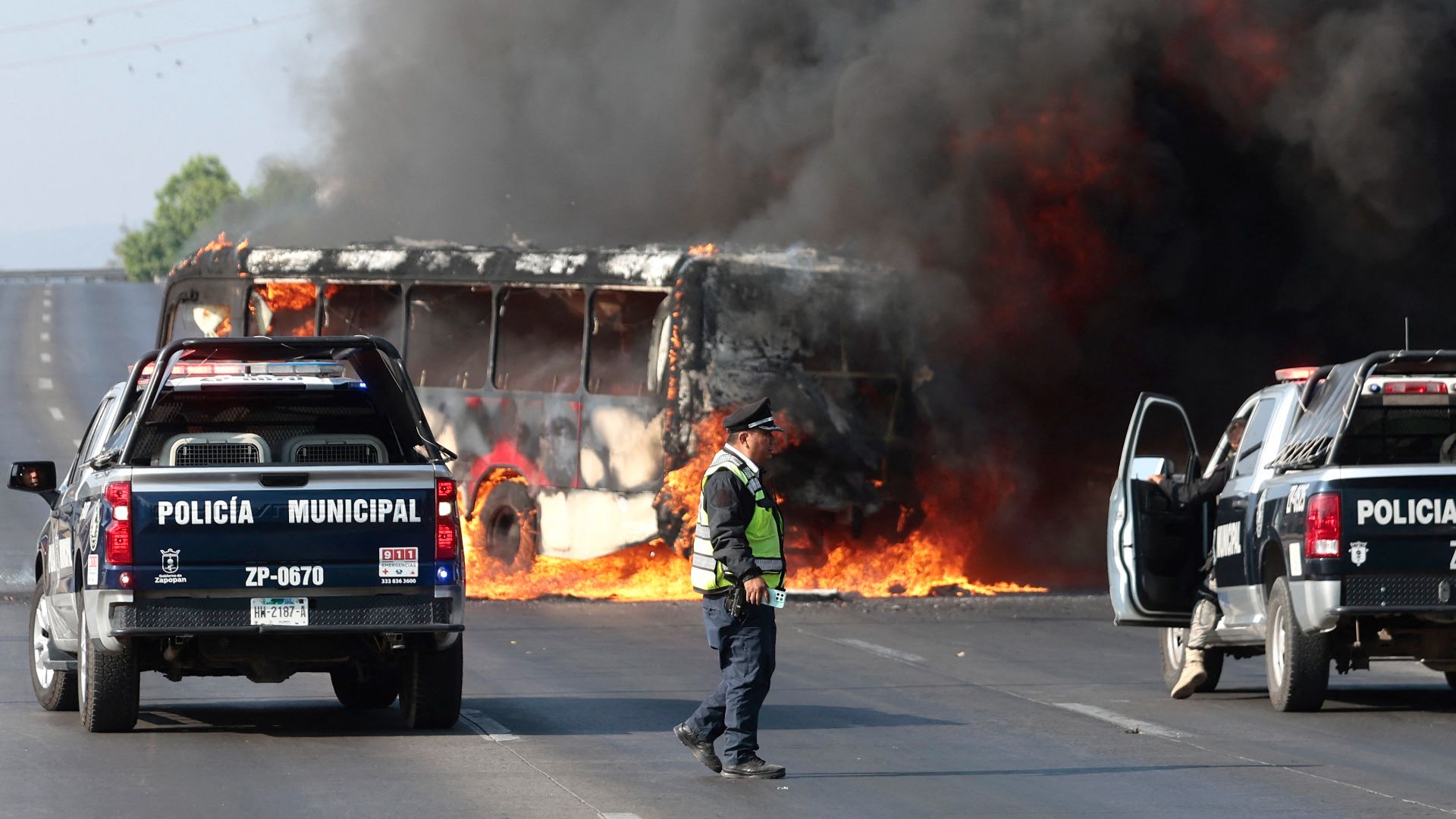
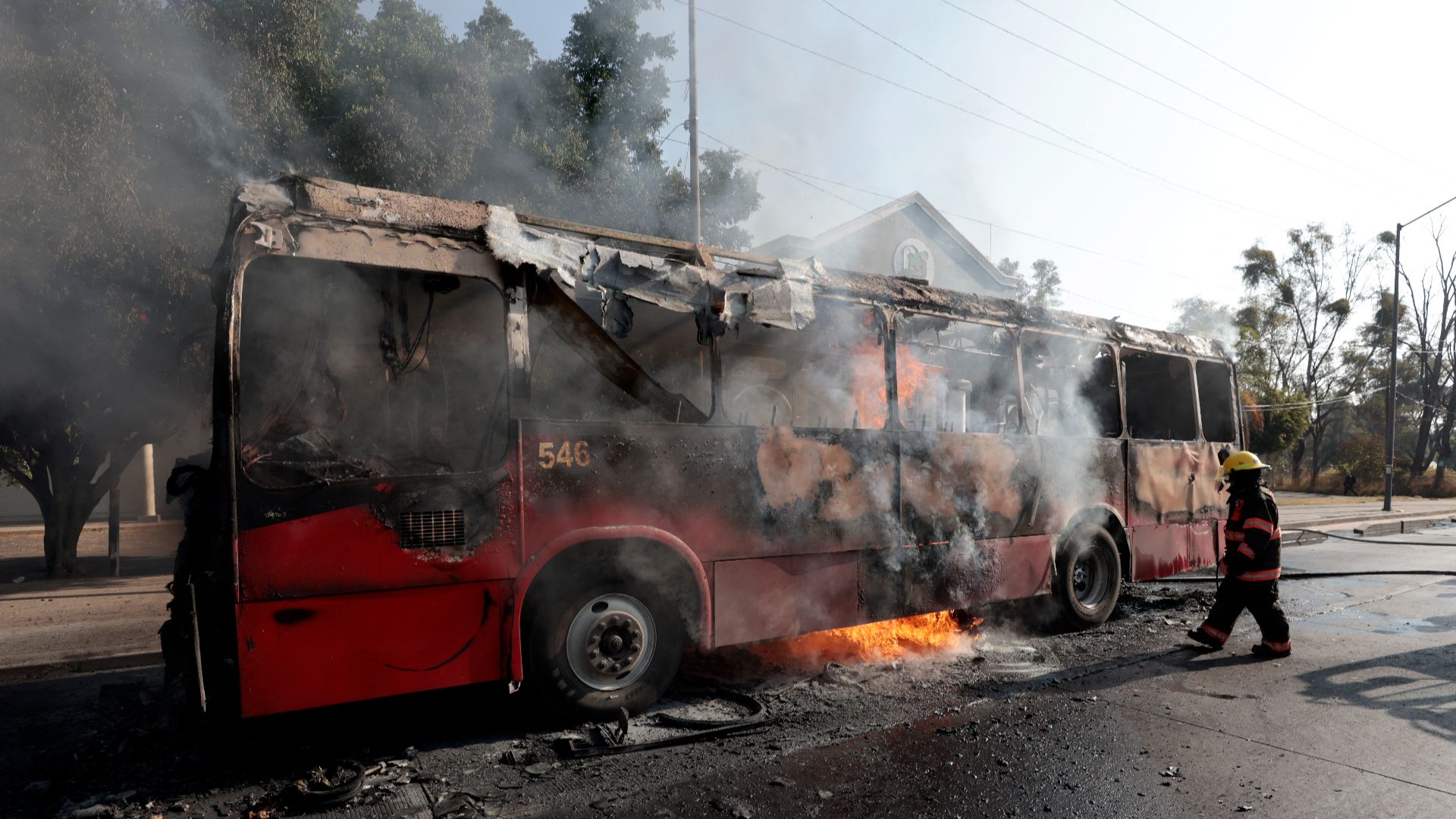
Widespread violence erupted across multiple Mexican states after Nemesio Rubén Oseguera Cervantes, known as El Mencho, was killed during a Mexican military operation in Jalisco, setting off an immediate and coordinated backlash attributed to the Jalisco New Generation Cartel. Within hours of confirmation of his death, highways were blocked with burning trucks and buses, gunmen torched vehicles to paralyze traffic, and commercial districts shuttered abruptly as residents rushed indoors. Airports reported disruptions, schools suspended classes, and public transportation halted in several cities. For travelers, the situation turned alarming as road closures stranded motorists and hotel guests were urged to remain inside while security forces moved to regain control.
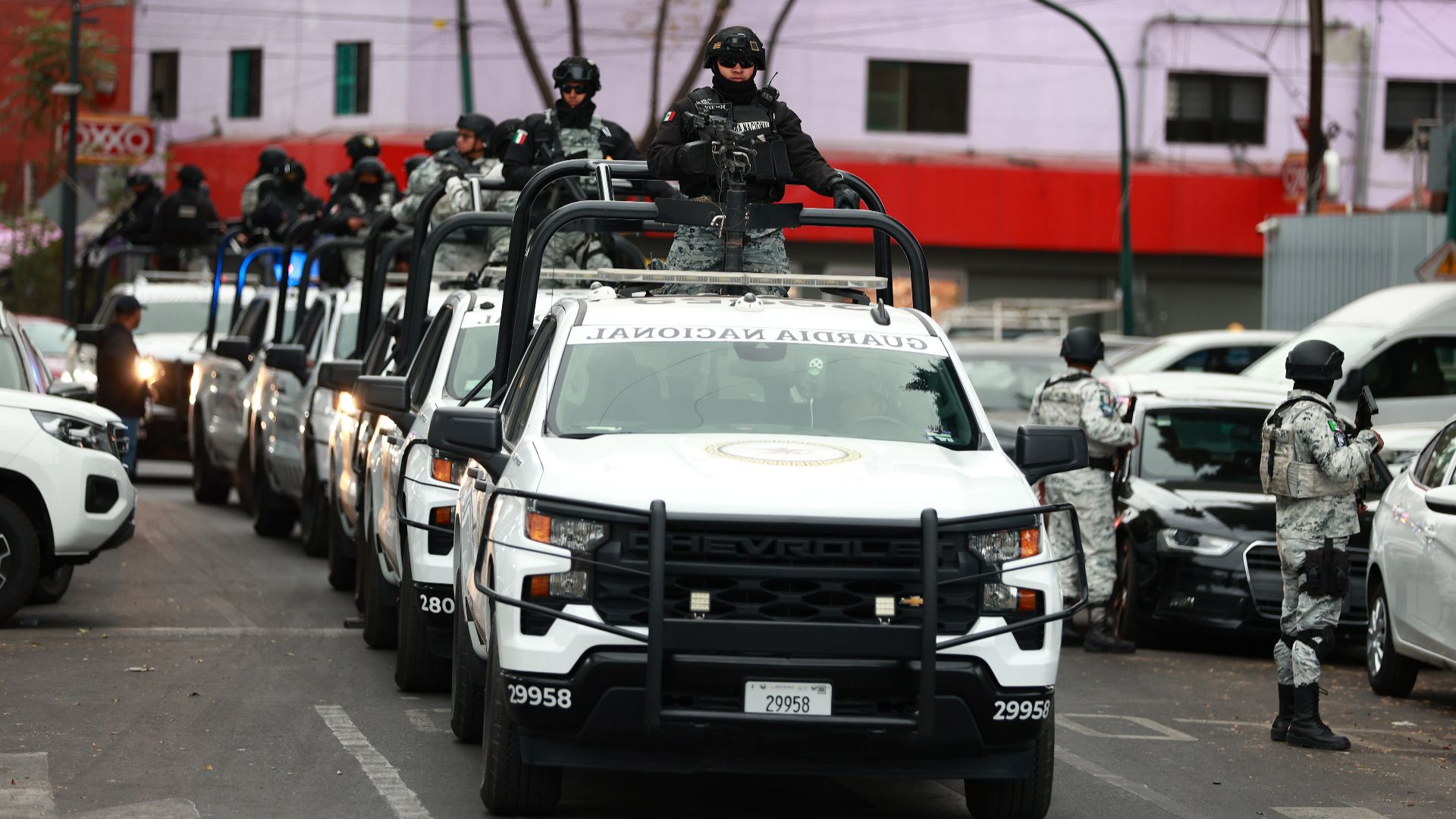
The operation that led to El Mencho's death unfolded in the mountainous municipality of Tapalpa, Jalisco, where Mexican armed forces engaged cartel members in a firefight. Officials said the cartel leader was seriously wounded during the clash and later died while being transported under military custody. The confrontation left multiple casualties. Authorities confirmed that several suspected cartel members were killed at the scene, while members of Mexico's security forces also suffered fatalities in subsequent retaliatory attacks. In the days following the operation, violence expanded beyond Jalisco into neighboring states, reflecting the cartel's capacity to mobilize rapidly and to impose disruptive tactics designed to demonstrate strength and territorial reach.
«The country is at peace.»
-Mexican President, Claudia Sheinbaum
Retaliatory attacks included coordinated roadblocks across major highways, particularly in western Mexico, where convoys of hijacked and burning vehicles were positioned to obstruct movement. In urban centers, heavily armed individuals were reported patrolling certain corridors, forcing local authorities to deploy National Guard units and army reinforcements. Businesses closed early, public events were canceled, and residents described a tense atmosphere marked by sirens, smoke plumes and uncertainty. Travelers in affected regions reported sheltering in hotels as transportation routes became impassable. U.S. officials issued security alerts advising citizens to avoid travel in impacted areas and to «seek shelter and remain in residences or hotels,» underscoring the seriousness of the unfolding situation.
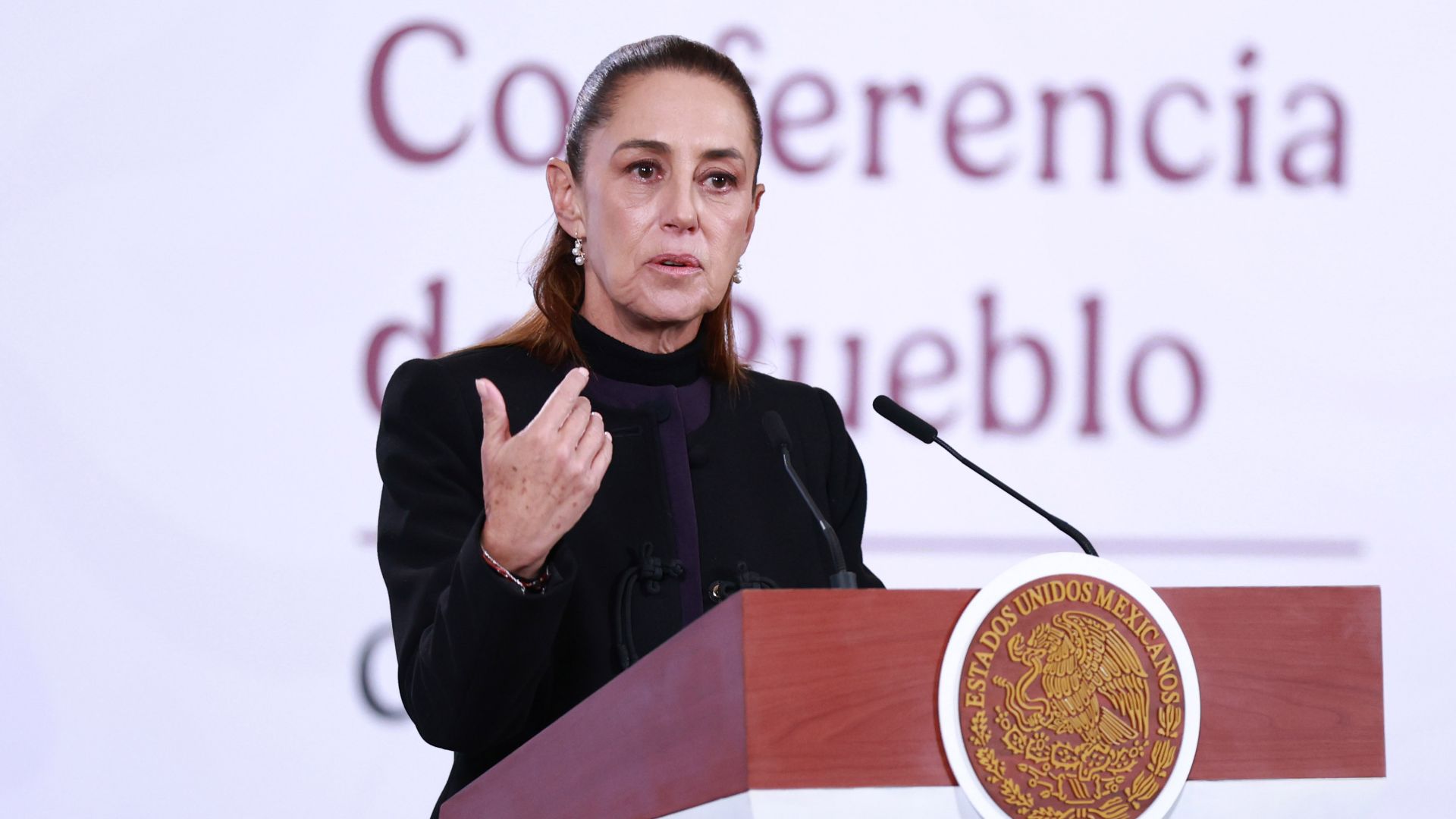
President Claudia Sheinbaum addressed the country following the outbreak of violence, seeking to reassure the public while acknowledging the scale of the security response.
«The country is at peace,» she said during a press conference, adding, «It's calm.»
Her administration emphasized that federal forces were actively dismantling roadblocks and restoring order, framing the operation as a decisive action against one of the country's most powerful criminal figures. Security officials confirmed that dozens of blockades were removed and that federal troops were deployed in reinforced patrols. The government maintained that the objective was to prevent further civilian harm while stabilizing regions destabilized by the cartel's reaction.
The killing of El Mencho marks a significant moment in Mexico's long-running confrontation with organized crime. As founder and leader of the Jalisco New Generation Cartel, he oversaw one of the country's most powerful trafficking organizations, with influence extending into fentanyl production and distribution networks that have drawn intense scrutiny from U.S. authorities. His death removes a central figure long sought by both Mexican and American officials, yet analysts caution that leadership vacuums can trigger internal fragmentation or further violence as factions compete for control. The immediate wave of unrest illustrates the group's operational strength even in the absence of its top leader.
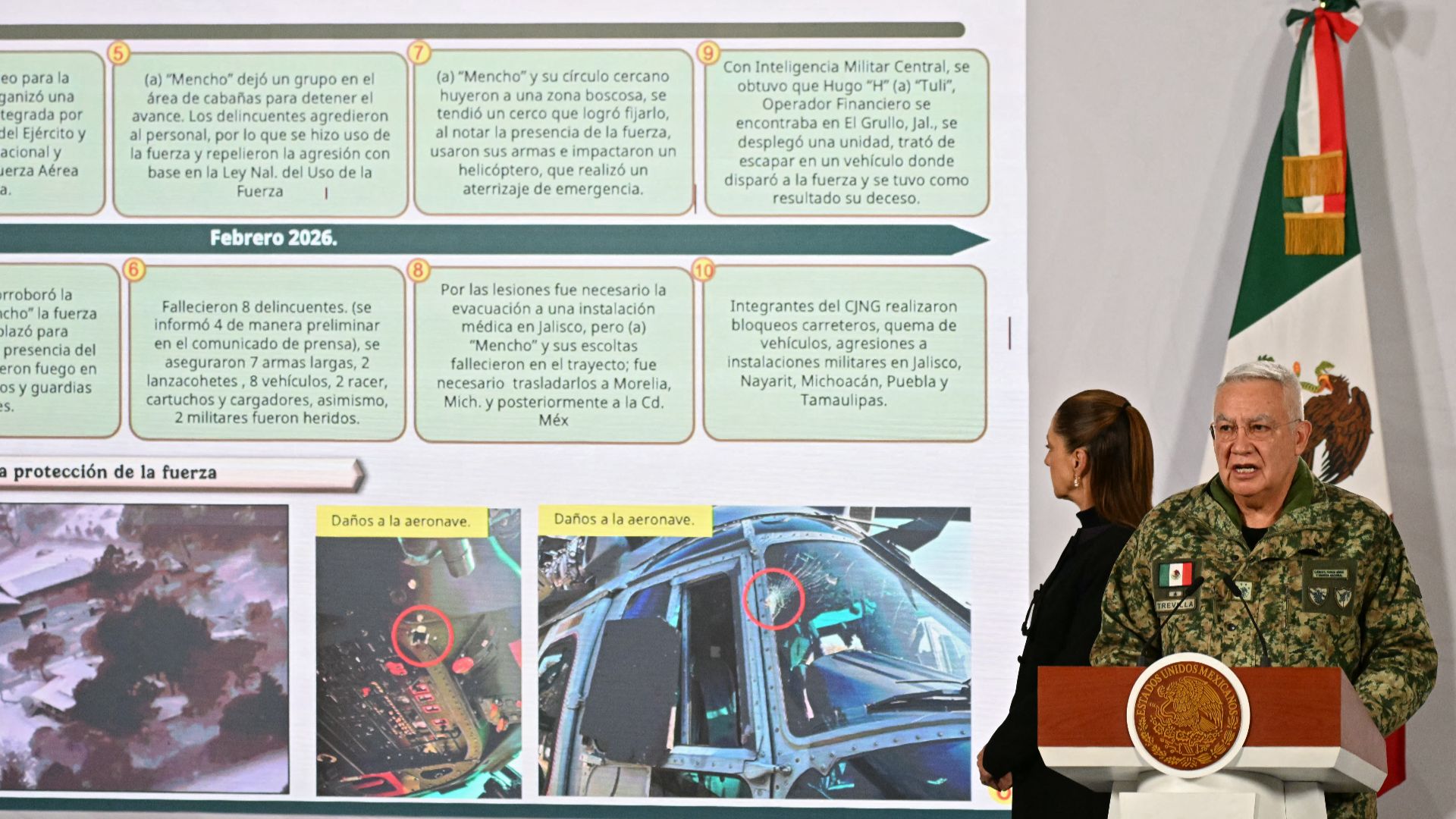
In the aftermath, questions remain about how quickly stability can return and whether the cartel will consolidate under new leadership or splinter into rival factions. Security analysts note that major cartel operations often prepare contingency plans for succession, suggesting that violence could persist as new figures assert dominance. For residents and visitors alike, the sudden eruption of coordinated attacks served as a stark reminder of the volatility that can follow high-profile security actions. While federal authorities insist that order is being restored, the days following El Mencho's death have exposed the fragile balance between military enforcement and the enduring power structures of organized crime in Mexico.
Created by humans, assisted by AI.
