

/https%3A%2F%2Fcdn-tor.buminteractif.com%2F2026%2F02%2F22013419%2FGettyImages-2212610490-1.jpg)
The announcement of NATO's Arctic Sentry operation marks a turning point in how the allies view security in the Far North. The plan aims to strengthen the collective capacity to defend the Arctic—including Greenland—in the face of growing geopolitical pressures. But what is attracting as much attention as the initiative itself is the virtual absence of the United States in its public leadership, a strong signal that foreshadows changes in alliances and responsibilities in the long term.
What is Arctic Sentry? It is a multinational operation designed to prepare, deploy, and support forces adapted to Arctic conditions: training in extreme environments, polar logistics, maritime and aerial surveillance, and coordination mechanisms between member states. NATO has justified the effort by pointing to the growing ambitions of Russia and China in the region, two players seeking to secure maritime routes, resources, and strategic positions.
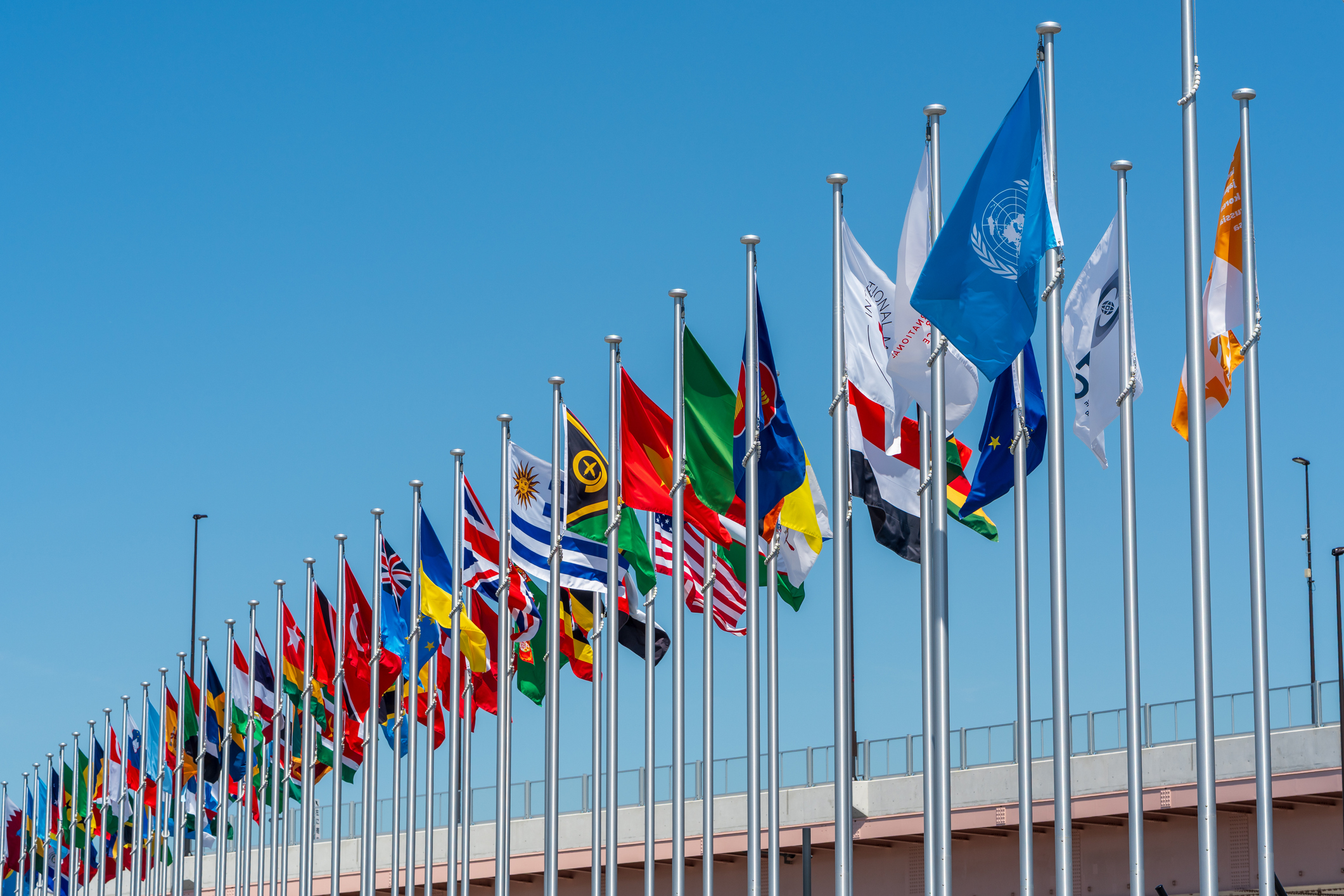
Why is the US absence so noticeable? Historically, the US has played a leading role in NATO defense programs. However, recent political posturing and the distant attitude of the US leadership have created a political vacuum. According to public statements, Washington did not actively participate in the Arctic Sentry announcements and did not communicate any quantified or operational commitments. This apparent withdrawal is pushing European and Nordic countries to take on more responsibility.
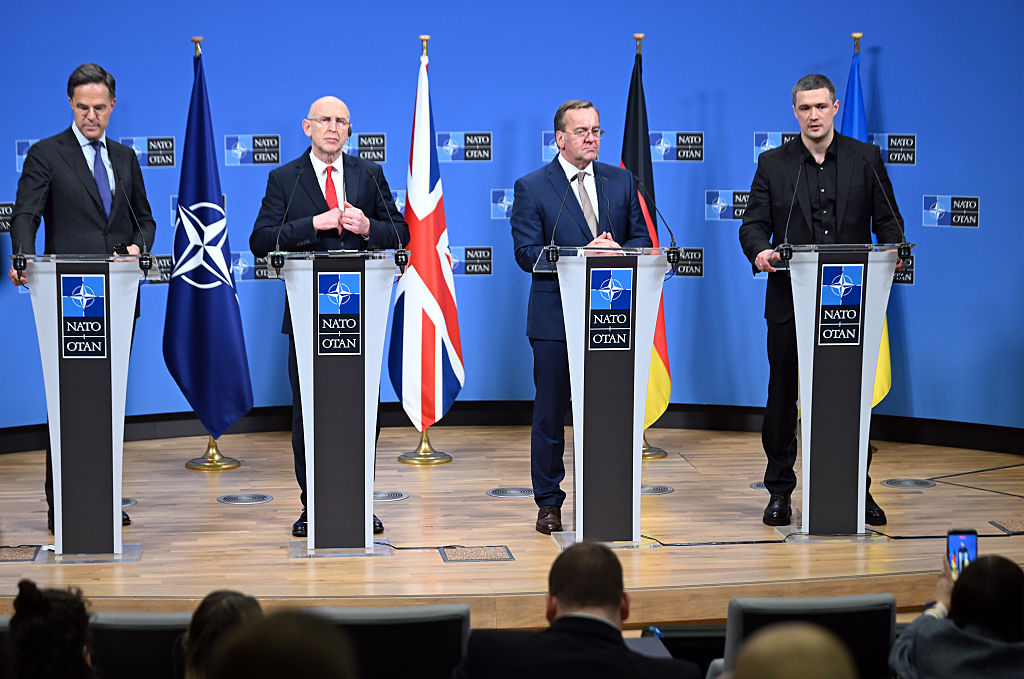
Who are the key players? NATO has named and mobilized several European and Nordic countries that are contributing either troops, air and maritime assets, or logistical support:
- The United Kingdom: doubling of troops deployed in Norway over three years.
- Sweden: commitment of fighter jets for surveillance of the North, particularly around Iceland and Greenland.
- France, Germany, and Denmark: participation confirmed without public details.
- Canada: participation announced, details to be specified by Ottawa.
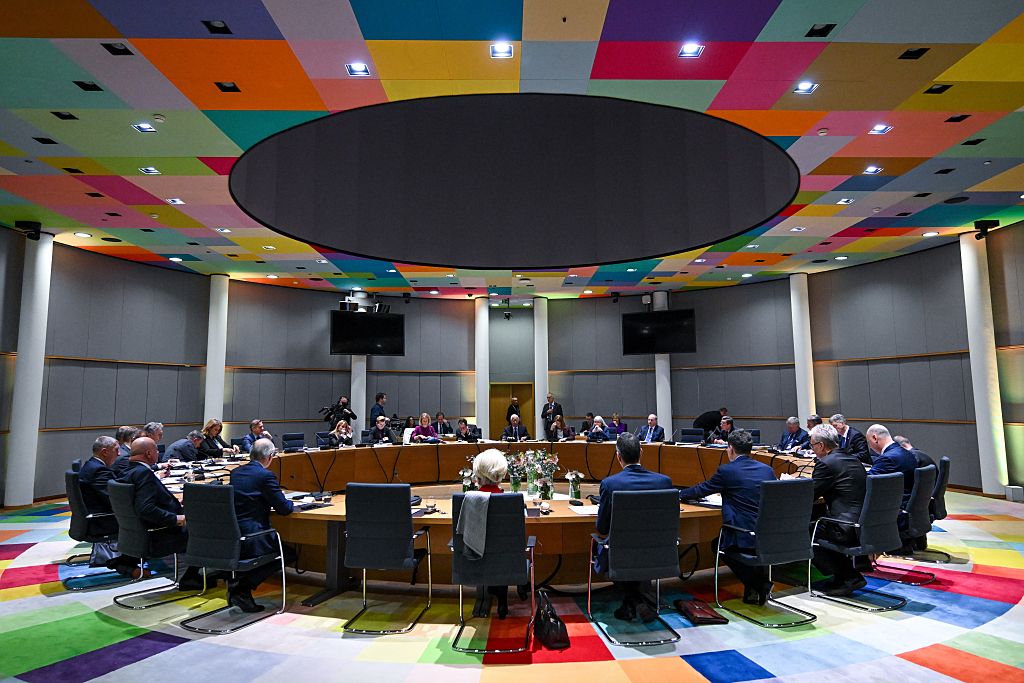
These contributions combine ground forces experienced in cold weather, surveillance capabilities, and joint cooperation. One of the stated objectives is to ensure a credible and continuous presence rather than simply carrying out one-off operations, in order to deter any acts of aggression and protect shipping lanes and natural resources.
The role of Greenland and diplomatic tensions Greenland, an autonomous territory attached to the Kingdom of Denmark, is at the heart of the debate. Its strategic position and potential resources make it a major issue. Recent public statements by US officials about their interest in Greenland have contributed to the sense of urgency felt by allies. In response, the EU and European states have sought to show their support for Denmark and reiterate their commitment to international law.
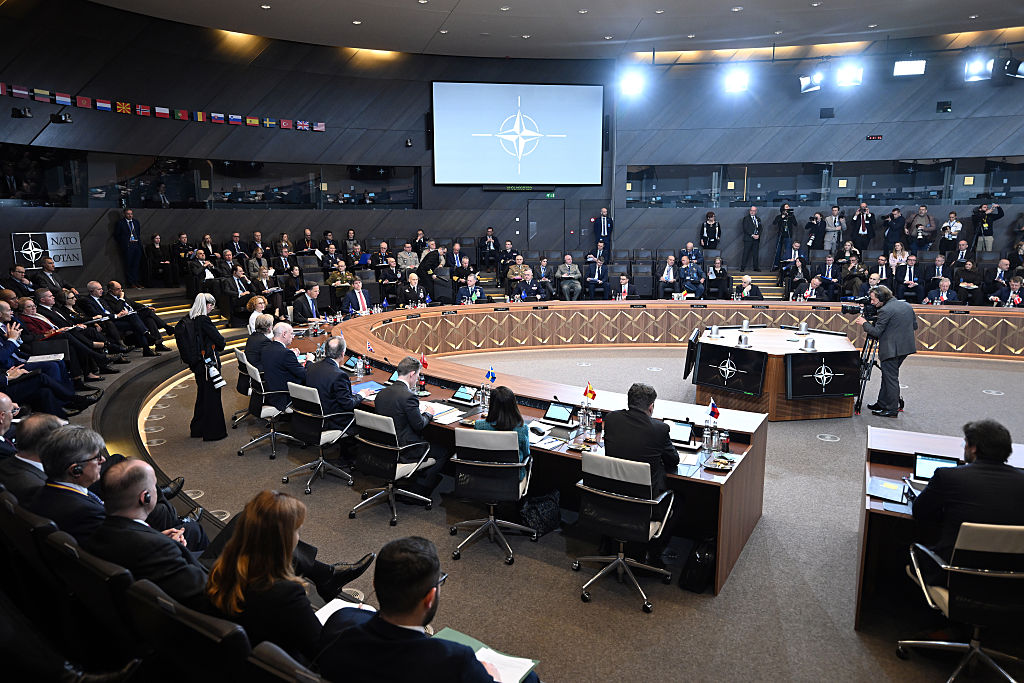
The real threats: Russia and China NATO insists that the main military concerns are Russia's modernization and assertiveness in the ArcticArctic, as well as China's strategic interest in sea lanes and economic influence projects, sometimes referred to as the “Polar Silk Road.” The allies are therefore seeking to combine deterrence and environmental protection: the Far North is both a strategic area and a sensitive environment that must be preserved.

Possible consequences If Washington remains on the sidelines, the initiative could strengthen European and Nordic strategic autonomy, but it also raises logistical and budgetary questions: who finances what? Who commands operations in the event of an incident? For now, the decisions are aimed at emphasizing allied unity and the willingness to defend the principles of sovereignty and international law.

In short, Arctic Sentry is both a military operation and a political signal: Europe and its partners are seeking to show that they can protect the Far North even without the visible involvement of the United States. The success of this strategy will depend on coordination, the resources committed, and the allies' ability to maintain a sustained presence in a very challenging environment.

Conclusion Arctic Sentry is not just a military response: it is also a demonstration of collective will. NATO and its European members seem determined to protect the Arctic as a strategic and ecological space. It remains to be seen whether this momentum will continue and how Washington will choose to reposition its role in the months and years to come.
Photos: Getty Images
