Threat of closure of the Gordie-Howe Bridge by the Trump administration: legal, economic, and political issues


/https%3A%2F%2Fcdn-tor.buminteractif.com%2Fhttps%3A%2F%2Fcdn-tor.buminteractif.com%2F2026%2F02%2F13140405%2Ftrumop-canada-getty34563gdg.jpg)
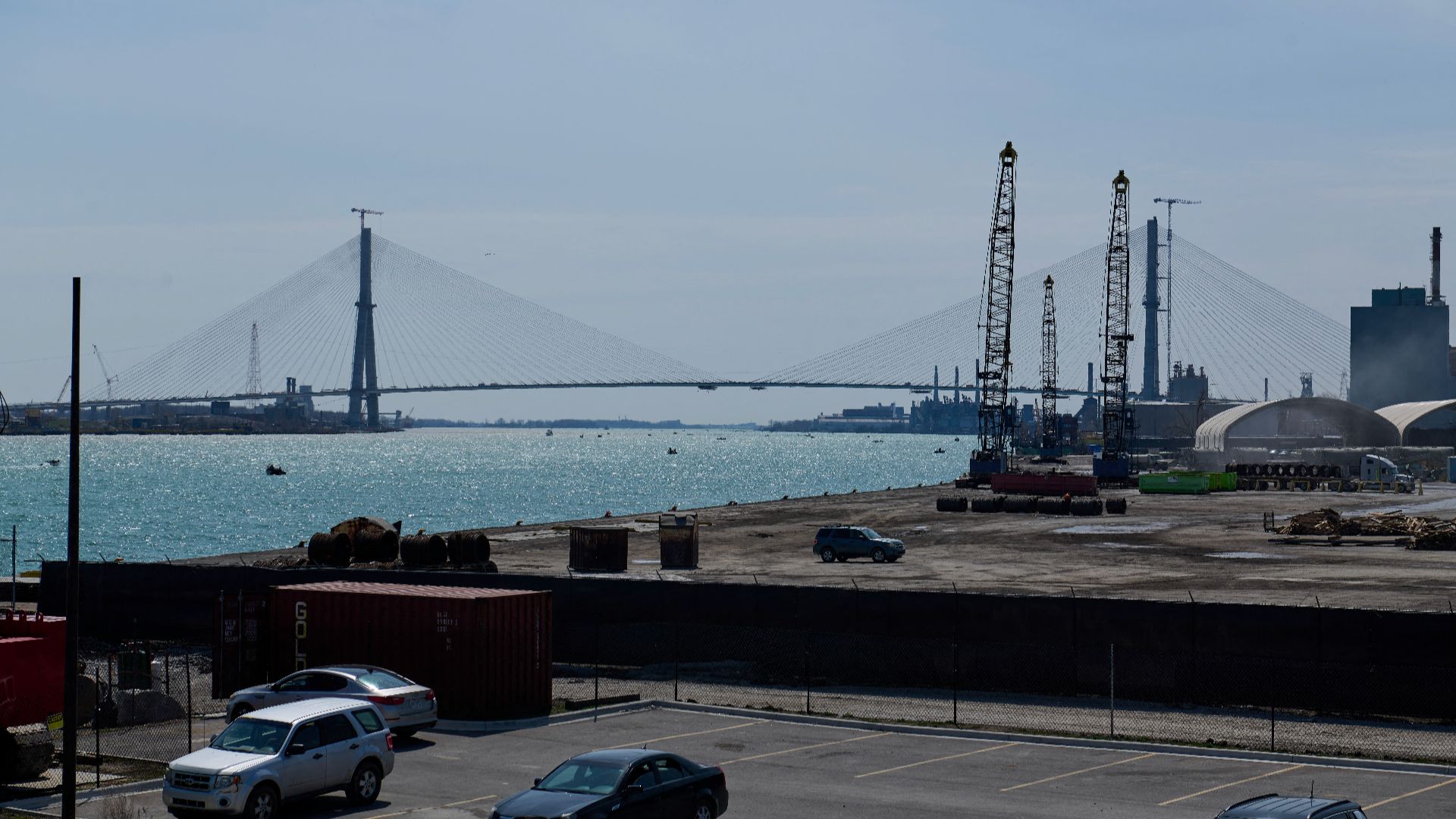
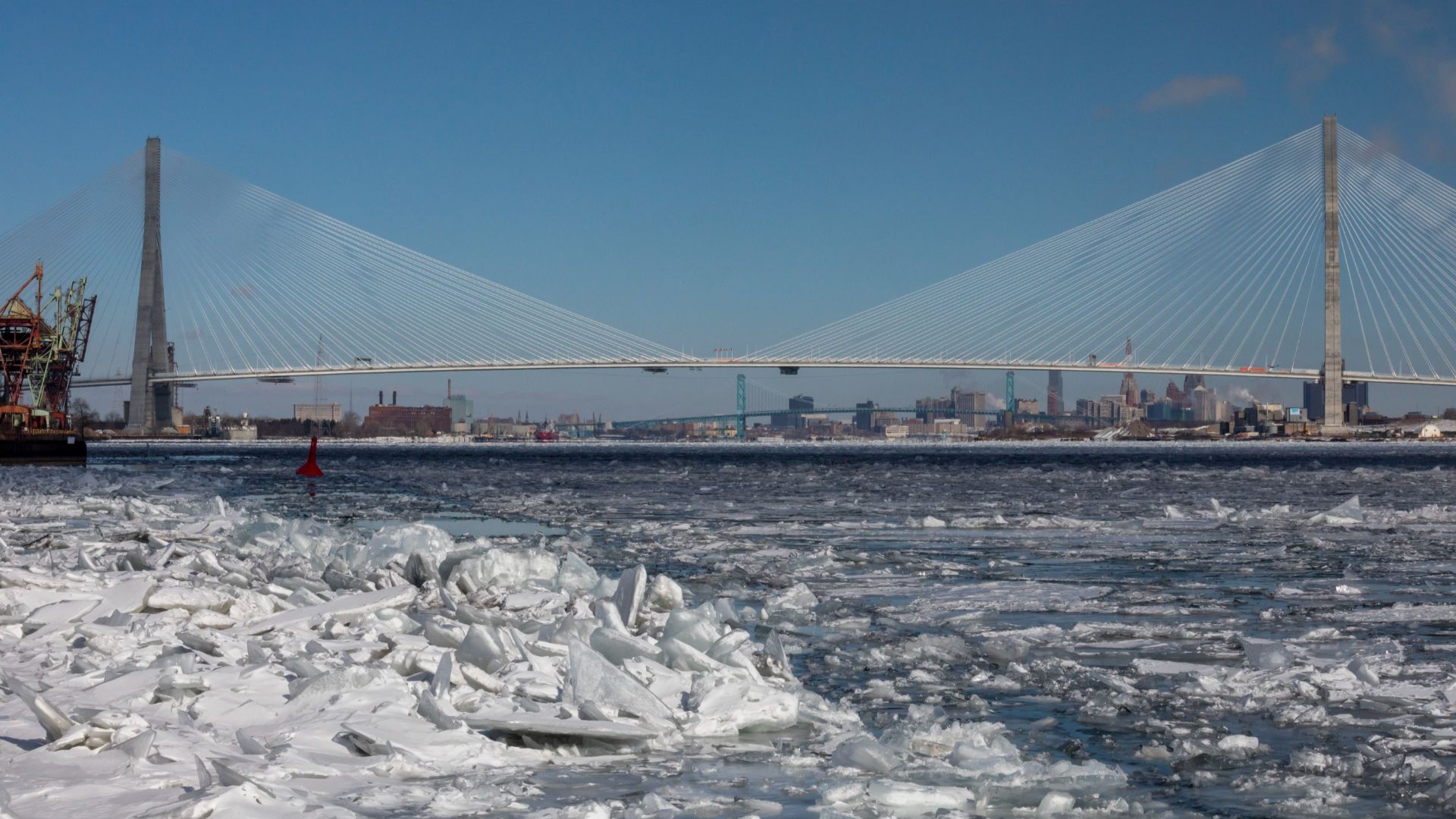
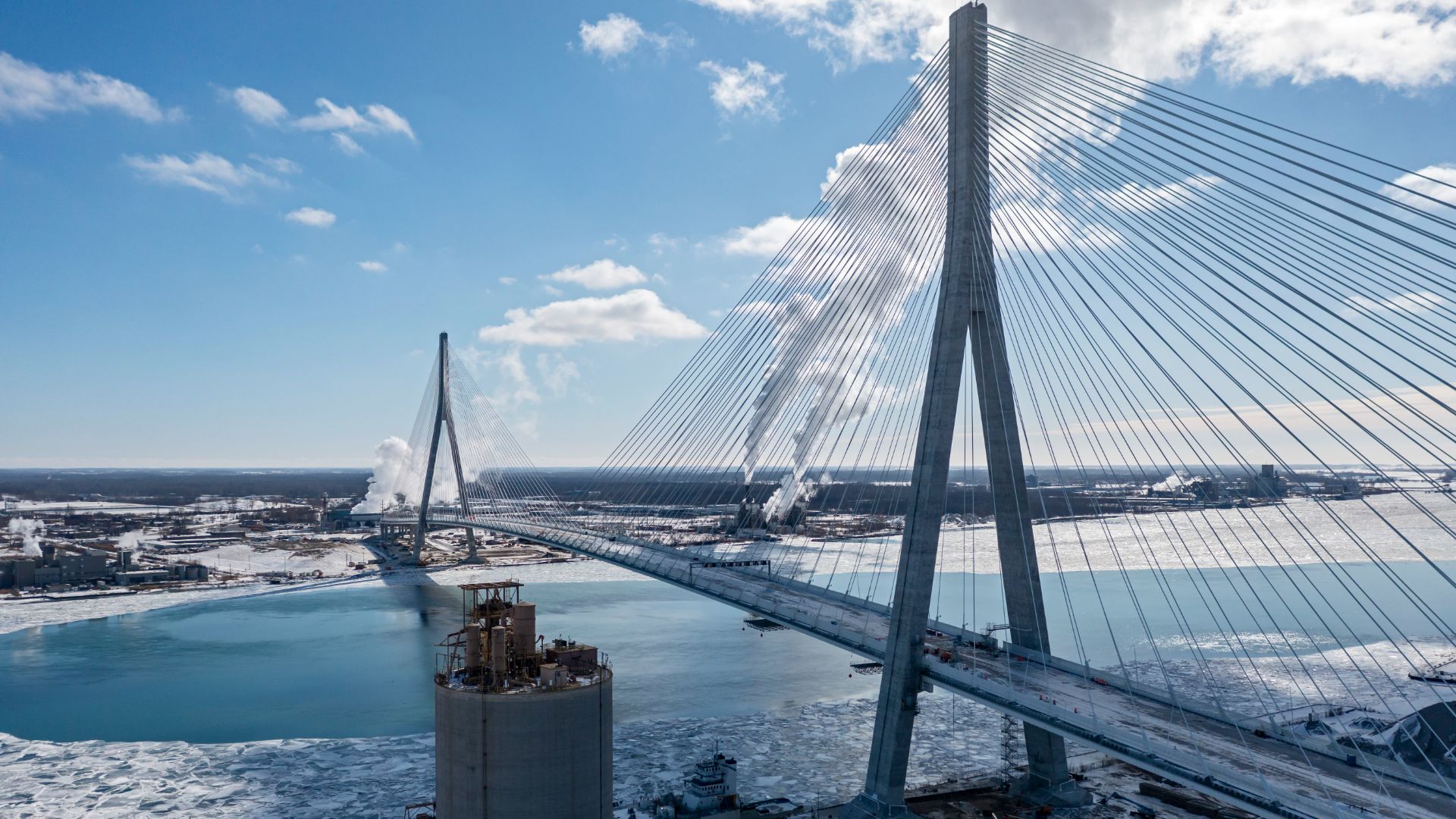
Quick background: President Donald Trump recently stated on Truth Social that he may block the opening of the Gordie Howe International Bridge, which will connect Detroit, Michigan, and Windsor, Ontario. This highly publicized announcement is part of a broader episode of trade and diplomatic tensions between the United States and Canada.
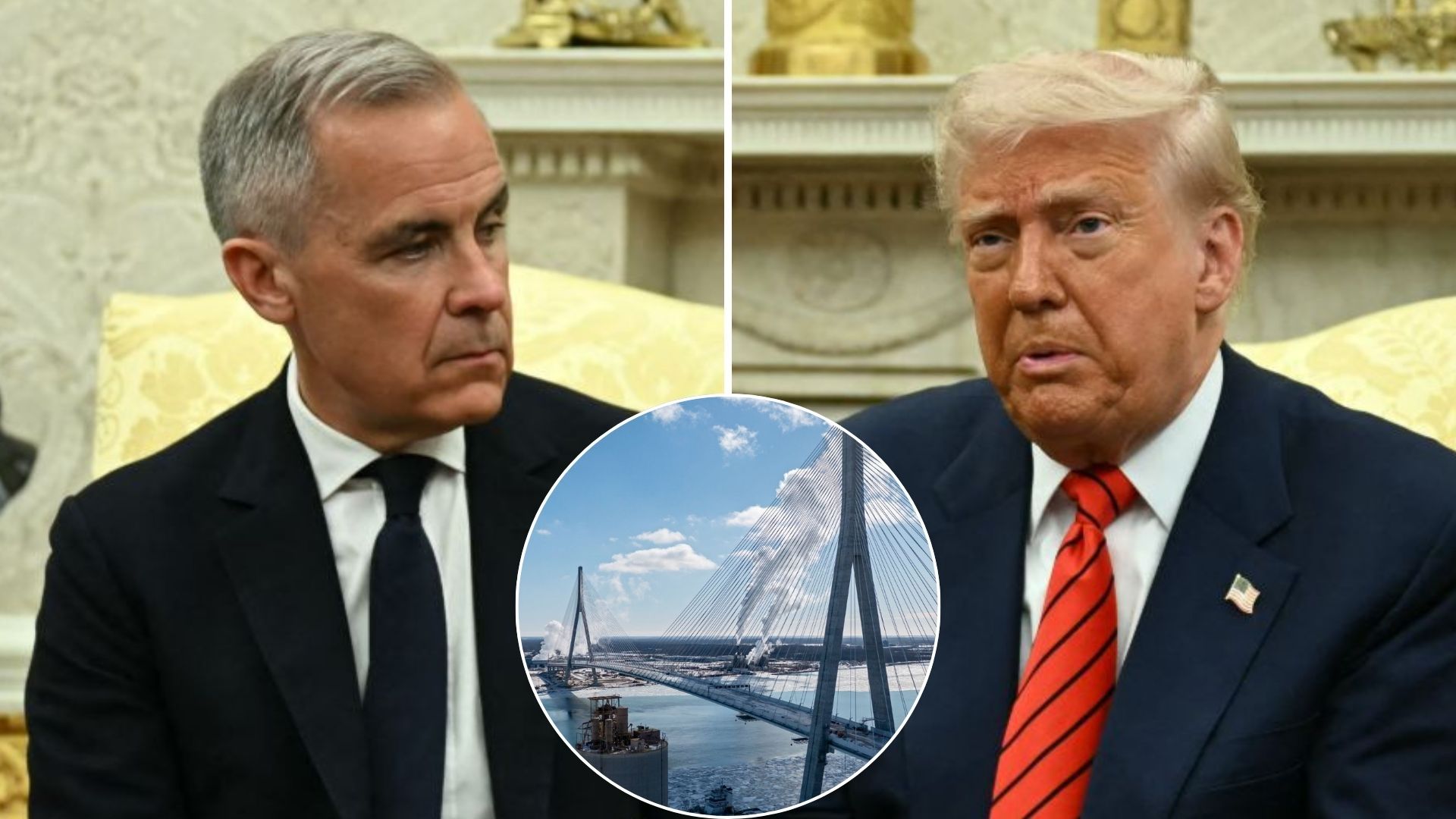
Before going into detail, it is worth remembering that the Gordie Howe Bridge is the result of a complex partnership: a bilateral investment valued at several billion dollars, developed over more than a decade, with production and employment commitments on both sides of the border. The 2012 framework agreement sets out specific rules on financing, construction, operation, and the use of North American steel and iron.
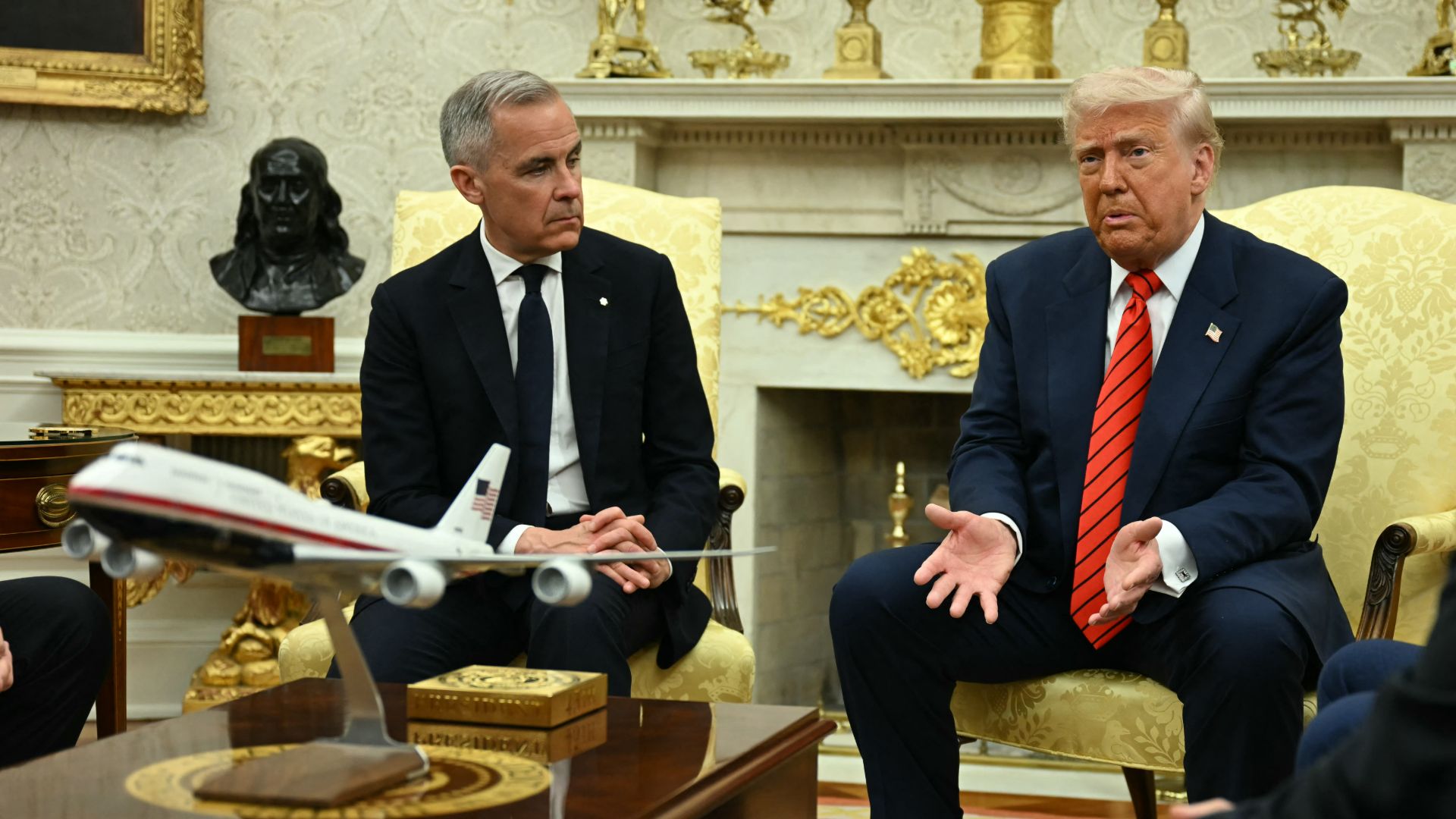
What exactly is the US administration complaining about? In his publication, Trump accuses Canada of “unfair” trade practices, claims that the bridge would have been built with “virtually no American content,” and demands compensation before allowing it to open. He also links this issue to broader disputes: tariffs on dairy products, the removal of American alcohol from store shelves in Ontario, and a possible trade agreement between Canada and China.
What real leverage does the US have?
- Administratively, the US executive has limited room for maneuver to “prevent” the opening of infrastructure located on Canadian soil, especially if the bilateral agreement has set out specific terms and conditions.
- Tariff sanctions or trade barriers (customs duties) remain a political option, but they come at a significant economic and diplomatic cost and may trigger retaliation.
- Targeted legal or regulatory action is possible if violations of U.S. laws (e.g., Buy American) can be proven, but the project agreement specifically required North American content for steel and iron.
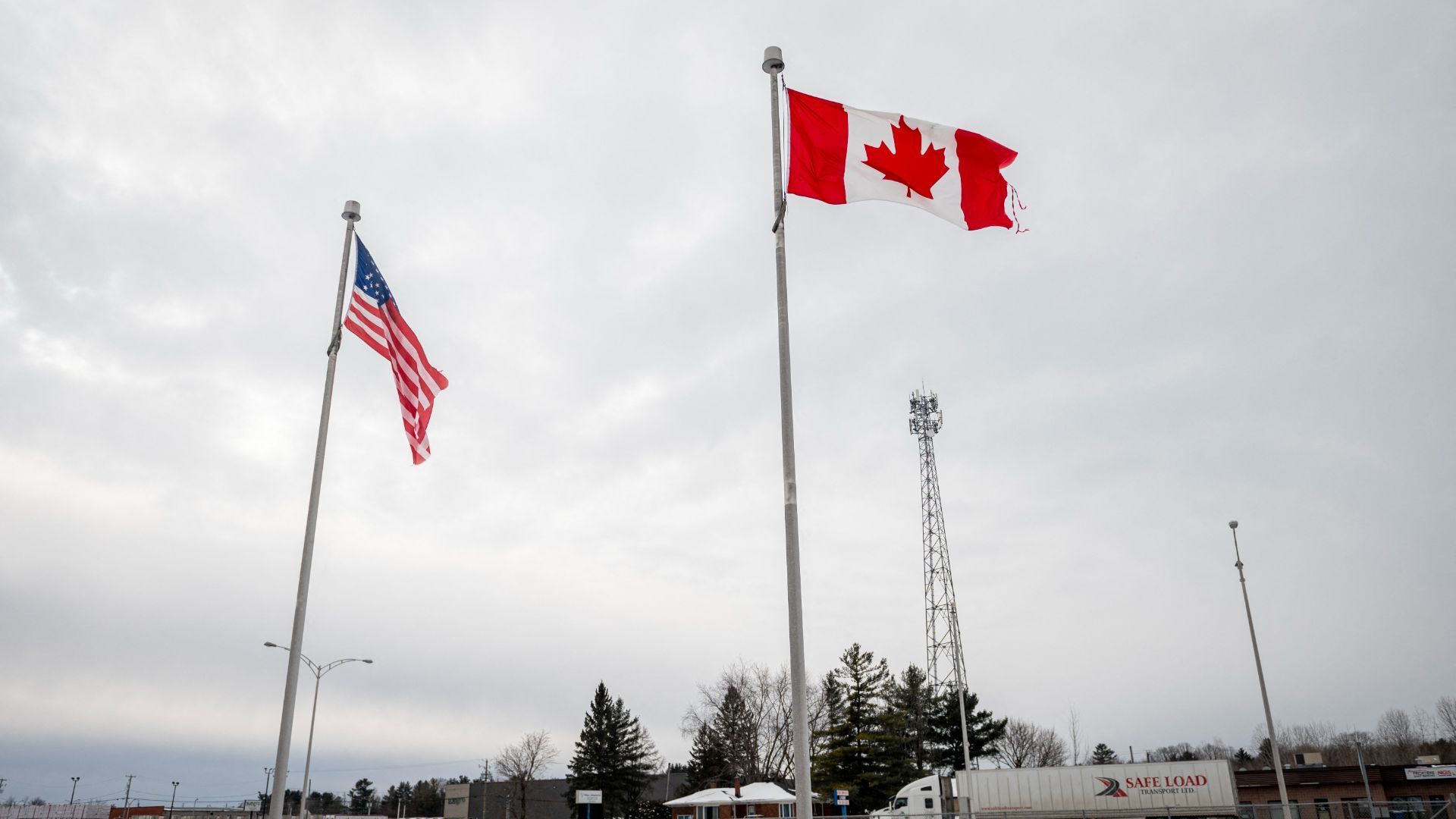
What is Canada's position? Ottawa and officials have denied allegations of a lack of US content and pointed out that US workers and materials were involved in the construction. The Canadian government also reiterated that the project, largely funded by Canada, is intended to improve the flow of cross-border trade and benefit both economies.
Plausible scenarios and consequences:
- Escalation scenario: If Washington imposes tariffs or formally blocks operations related to the bridge, the immediate effect would be increased trade tensions, logistical disruptions for businesses on both sides, and a risk of investor confidence loss.
- Diplomatic scenario: the two governments end up negotiating compensation or arbitration mechanisms—a less costly solution, but one that requires concessions.
- Legal scenario: the outcome will depend on the contractual clauses and the competent jurisdictions. Given the complexity of the project, a prolonged dispute cannot be ruled out.
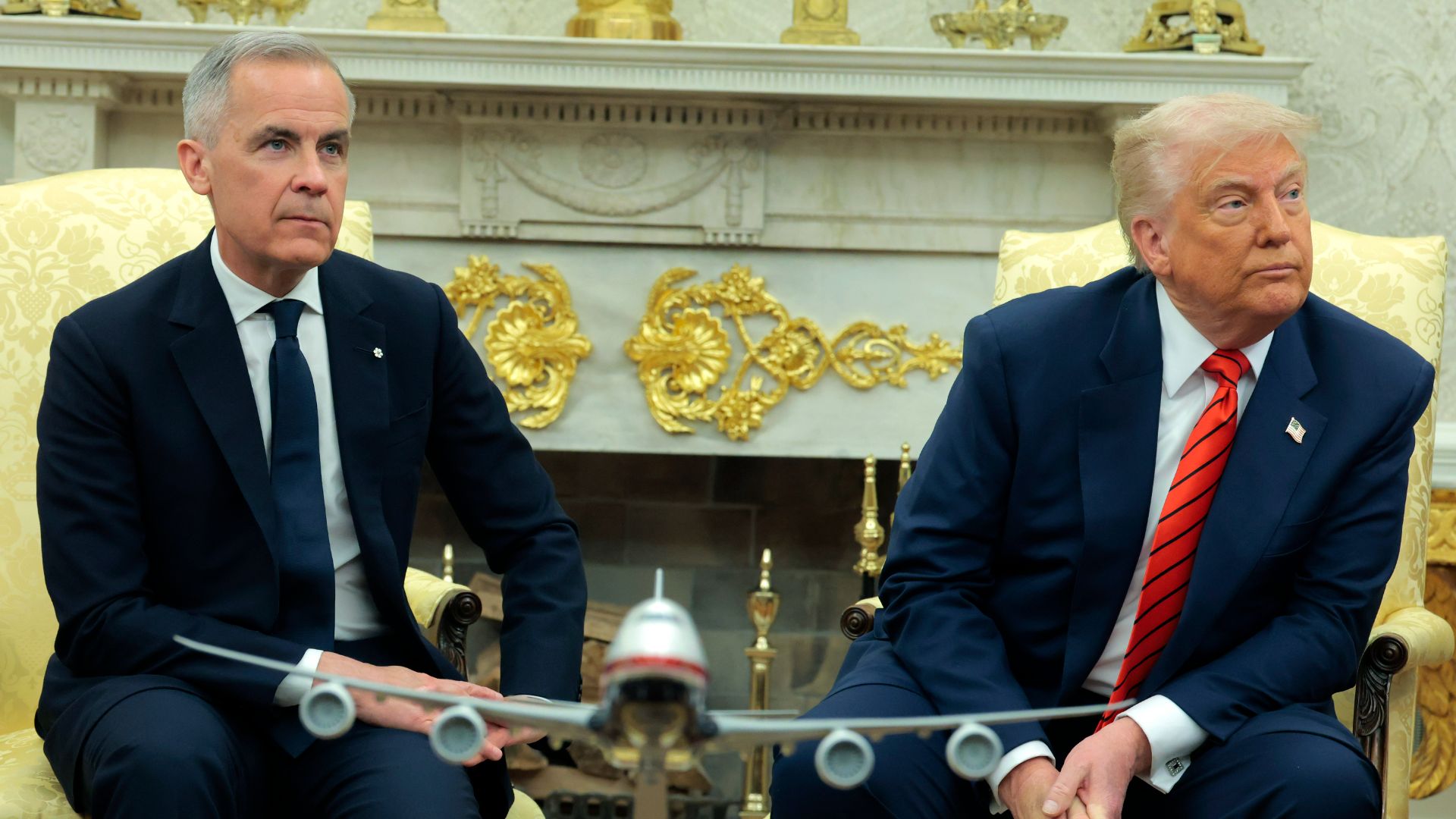
Concrete impacts for local stakeholders: Manufacturing and logistics companies that depend on cross-border trade could face additional costs, delays, and increased uncertainty. Unions and construction workers could see their gains politicized. Finally, the agricultural and food sectors—milk, canola, lobster—are already included in the grievances raised and could face tariff retaliation.
What can affected businesses and citizens do? Stay informed, diversify supply chains, strengthen trade compliance tools, and engage with chambers of commerce and elected officials to emphasize the importance of stable cross-border cooperation.
In conclusion: the threat to block the opening of the Gordie Howe Bridge is a powerful but uncertain political lever. It highlights how major cross-border infrastructure projects are becoming variables in broader trade and diplomatic strategies. For now, legal agreements and economic ties present significant barriers to sudden cancellation; the most likely path remains negotiation and political maneuvering rather than direct physical closure. Stay tuned for further official announcements, as the outcome will have real local and sectoral repercussions for both countries.
Created by humans, assisted by AI.
