

/https%3A%2F%2Fcdn-tor.buminteractif.com%2F2026%2F03%2F11155718%2Firan-war-oil-34342g.jpg)
Global energy markets were jolted after governments announced the largest coordinated emergency oil release in history, a move aimed at stabilizing prices and preventing a wider economic shock triggered by the escalating war involving Iran, the United States and Israel. Energy ministers from countries participating in the International Energy Agency agreed to release hundreds of millions of barrels from strategic petroleum reserves as crude prices surged amid fears that supplies from the Persian Gulf could be disrupted. The unprecedented decision reflects growing concerns that the conflict in the Middle East could rapidly escalate into a global energy crisis if shipping routes and oil production across the region are severely affected.
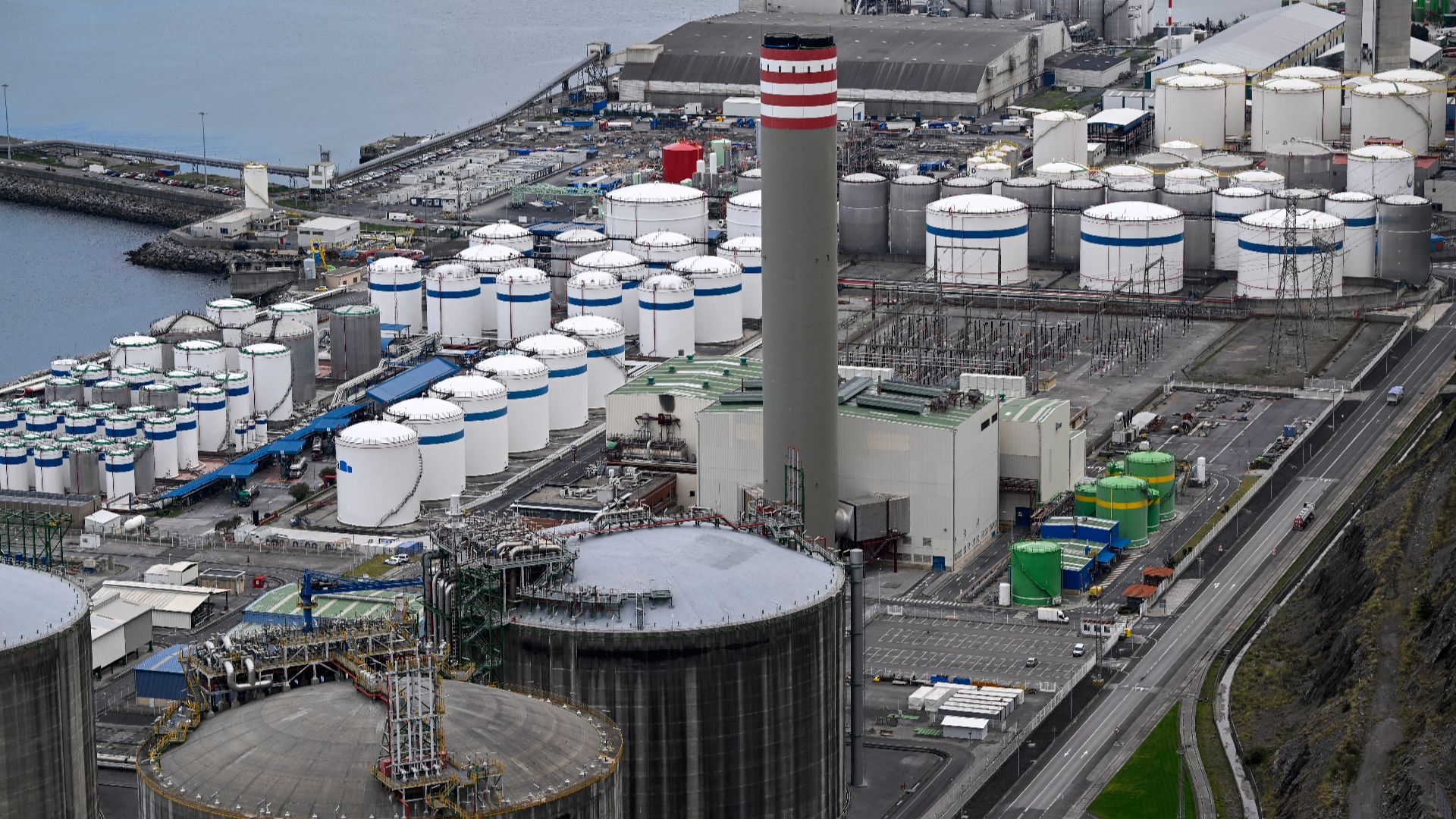
The announcement followed days of sharp volatility in global oil markets as traders reacted to military developments across the Middle East. Energy officials said the coordinated release would involve roughly 400 million barrels from strategic stockpiles held by major consuming nations. International Energy Agency Executive Director Fatih Birol described the decision as a necessary step to stabilize markets during a period of extreme geopolitical tension. «We are acting decisively and collectively to ensure oil markets remain adequately supplied», Birol said when announcing the coordinated action designed to calm investors and prevent further price spikes.
«Any vessel whose oil cargo or the vessel itself belongs to the United States, the Zionist regime or their hostile allies will be considered legitimate targets.»
-Iran central operational command, Khatam Al-Anbiya
The crisis stems from a rapid escalation in hostilities after the United States and Israel launched strikes on Iranian military facilities, triggering retaliation across the region. Iranian forces responded with missile and drone attacks targeting U.S. installations and Israeli infrastructure, while warning that Western-linked shipping and energy infrastructure could be targeted if the conflict continues. The military confrontation has expanded beyond the initial strikes, drawing in naval forces and raising fears that the fighting could spread throughout the Persian Gulf, where several of the world's largest oil exporters operate critical production and shipping facilities.

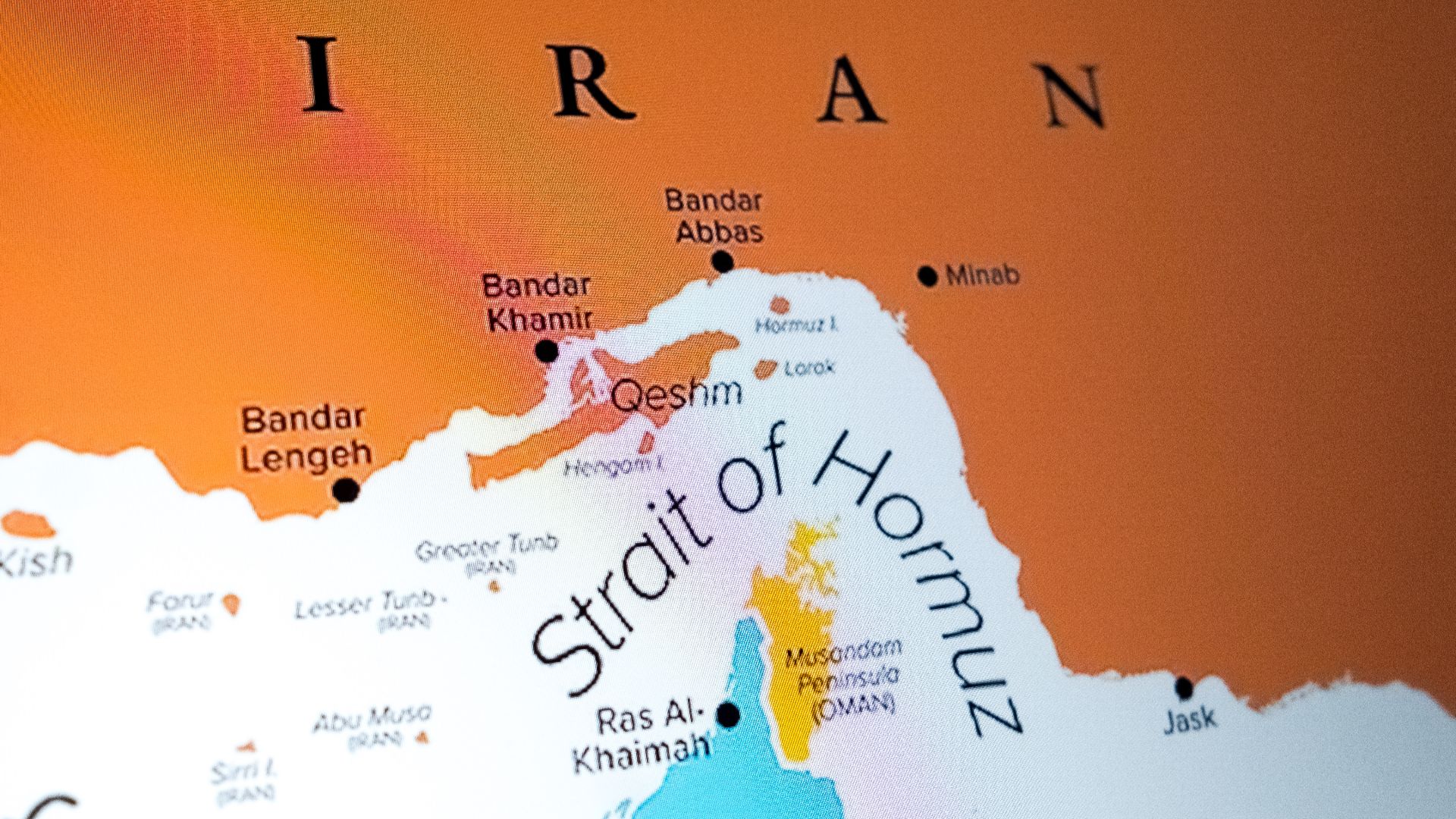
Oil markets have been particularly sensitive to developments in the Strait of Hormuz, a narrow maritime corridor connecting the Persian Gulf to global energy markets. Roughly one fifth of the world's oil passes through the waterway each day, making it one of the most strategically important shipping routes in the global economy. Iranian officials have warned that the strait could become a battleground if attacks on Iranian territory continue. In a statement carried by Iranian state television, the military's central operational command Khatam Al-Anbiya said: «Any vessel whose oil cargo or the vessel itself belongs to the United States, the Zionist regime or their hostile allies will be considered legitimate targets».
The Trump administration has defended the military campaign while acknowledging the economic consequences now rippling through global markets. Officials in Washington said protecting international shipping and preventing Iran from threatening energy supplies remains a priority for U.S. forces operating in the region. At the same time, the White House has supported the release of strategic oil reserves to limit the economic fallout from the conflict. Energy officials said the coordinated action with international partners is designed to ensure global supply remains stable while the military situation continues to evolve.
«We are acting decisively and collectively to ensure oil markets remain adequately supplied.»
-International Energy Agency Executive Director, Fatih Birol
Allies of the United States have also backed the emergency measures, warning that the energy shock could spread beyond oil markets if the conflict continues to escalate. European and Asian governments have expressed concern about supply disruptions and rising insurance costs for tankers operating in the Persian Gulf. Analysts say the scale of the emergency release underscores the seriousness of the crisis and the potential for prolonged instability in global energy markets. As military tensions continue to rise around Iran and the Strait of Hormuz, the unprecedented deployment of strategic oil reserves highlights how closely the global economy remains tied to the security of the Middle East's energy infrastructure.
Created by humans, assisted by AI.
