

/https%3A%2F%2Fcdn-tor.buminteractif.com%2F2026%2F03%2F20145817%2FChegseth-trump-iran-warbillions-getty-343gd453hhdfg.jpg)
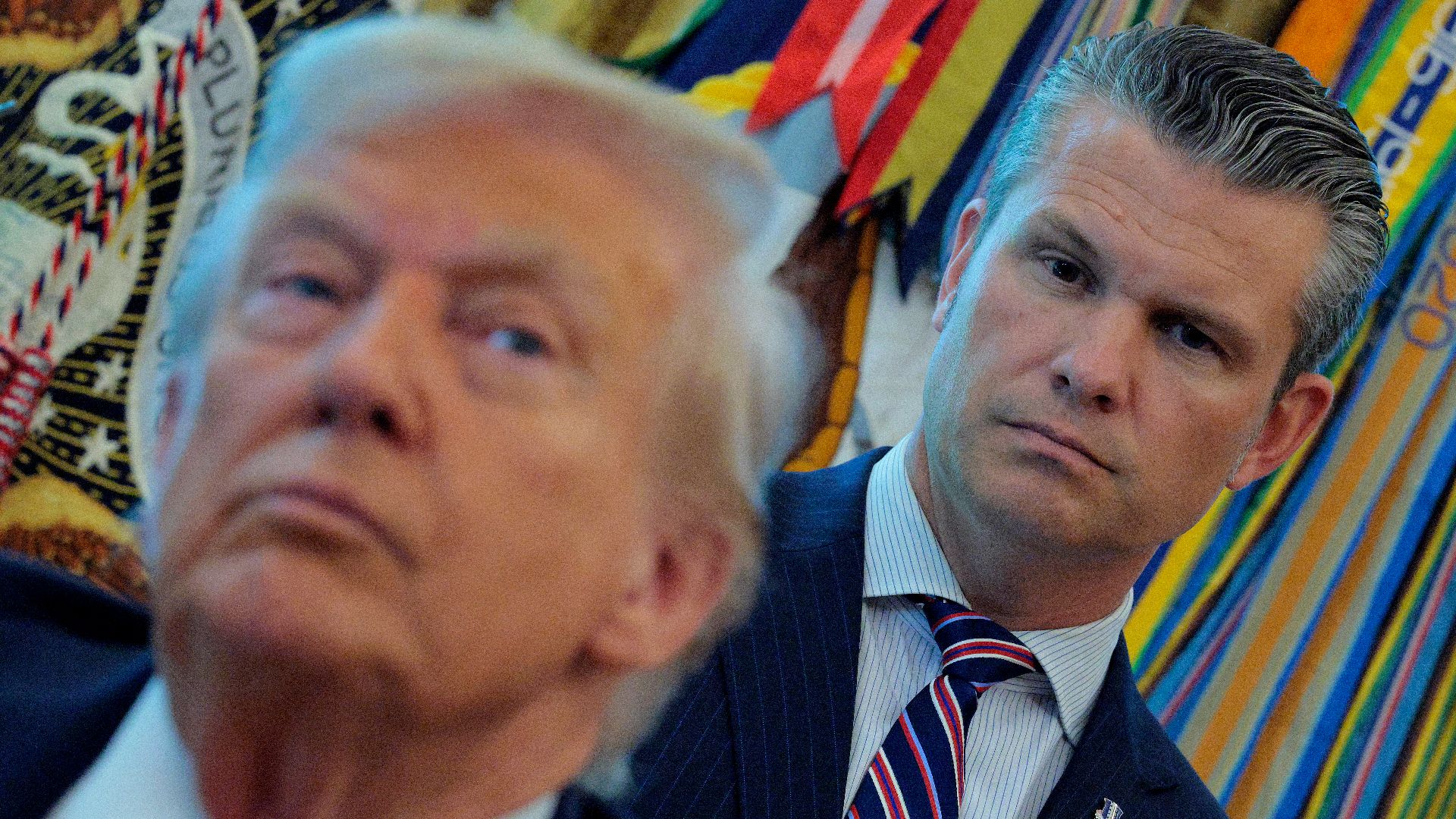
The Pentagon is preparing to request up to $200 billion in additional funding for the war in Iran, a staggering figure that underscores the rapid expansion of a conflict already costing billions within days. The proposed funding reflects not only the scale of ongoing operations but also expectations that the war could intensify further in the coming months. Defense Secretary Pete Hegseth confirmed that discussions with Congress are underway, as the administration seeks to secure long-term financial backing for a campaign that is increasingly drawing scrutiny over its cost, objectives, and potential consequences.
«A very small price to pay for U.S.A., and World, Safety and Peace.»
– U.S. President, Donald Trump
Hegseth defended the massive funding push in blunt and unapologetic terms, directly tying the financial burden to military outcomes.
«Obviously it takes money to kill bad guys,» he said, brushing aside concerns about the scale of the request. He also made clear that the funding would go beyond current operations, stating that the Pentagon is seeking resources «for what's been done, for what we may have to do in the future.»
His remarks signal that officials are already preparing for a prolonged and potentially expanding conflict, rather than a limited military engagement.

Donald Trump has similarly attempted to downplay the economic impact of the war, even as energy markets react sharply to the instability. As oil prices climbed following disruptions linked to the conflict, Trump dismissed concerns by saying the increase was «a very small price to pay for U.S.A., and World, Safety and Peace.»
The comment has drawn criticism from opponents who argue that the administration is minimizing the financial and human costs of the war, particularly as its long-term scope remains unclear.
The conflict itself has escalated rapidly, with sustained U.S. and Israeli strikes targeting Iranian military and strategic infrastructure, including key energy assets. Iran has responded with missile and drone attacks on regional facilities, including sites tied to global energy supply chains. These exchanges have expanded the scope of the confrontation beyond direct U.S.-Iran tensions, raising fears of a broader regional conflict involving multiple countries and threatening further disruption to global markets already sensitive to instability in the Gulf.
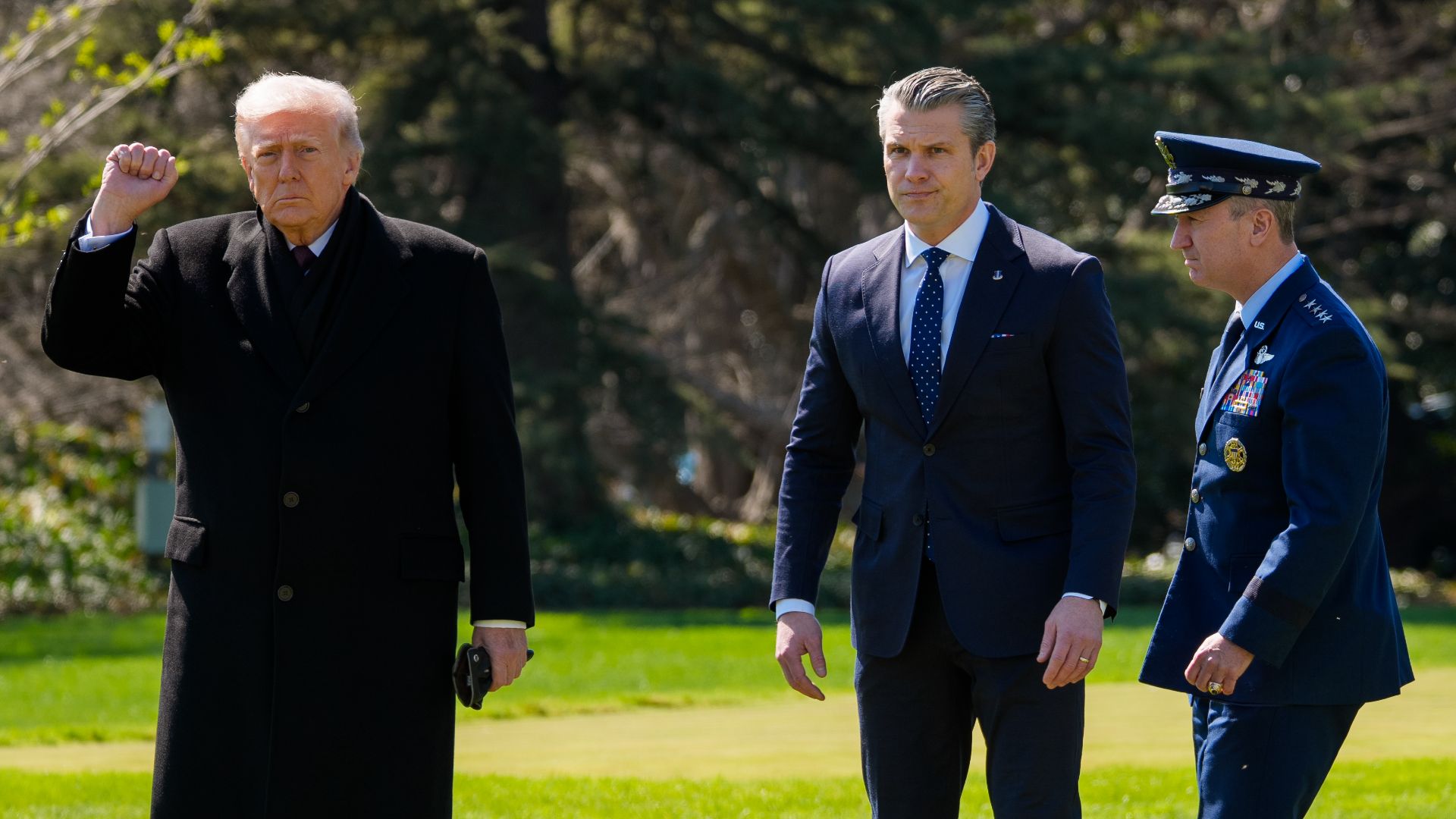
Trump is also facing increasing criticism over his decision to launch the war, with lawmakers and analysts questioning both the justification and the lack of a clearly defined endgame. Concerns have been raised about the speed at which the conflict escalated and the absence of a transparent strategy for de-escalation. Critics argue that the administration's messaging has shifted repeatedly, creating uncertainty about whether the objective is deterrence, regime pressure, or a broader military campaign that could extend indefinitely.
«Obviously it takes money to kill bad guys.»
-Defense Secretary, Pete Hegseth
Despite the backlash, Trump and Hegseth have continued to defend both the cost and direction of the war, presenting it as necessary to confront perceived threats from Iran. Their rhetoric, however, reflects a strategy that accepts significant financial and geopolitical risk, even as the situation on the ground remains volatile. As the funding request moves toward Congress, the debate is likely to intensify over whether the scale of the proposed investment matches a clear and achievable objective, or signals a deeper and more open-ended military commitment.
Created by humans, assisted by AI.
