

/https%3A%2F%2Fcdn-tor.buminteractif.com%2F2026%2F03%2F23172701%2Ftrump-3rd-term-getty45634gfg.jpg)
Donald Trump is facing mounting controversy on multiple fronts as the United States approaches the 2026 midterm elections, with criticism intensifying over inflation, immigration policies, and the escalating war in Iran. Despite the political pressure, the president has projected confidence in his second term, suggesting that his performance justifies an unprecedented political outcome. In recent days, Trump has amplified claims that he deserves additional time in office, fueling debate over democratic norms. His remarks come at a moment of heightened scrutiny, as economic concerns and foreign policy decisions continue to dominate the national conversation.
«A lot of people want me to stay longer.»
– U.S. President, Donald Trump
The controversy escalated after Trump shared a post on Truth Social suggesting that he should be granted a third presidential term. The post argued that such a move would serve «as a reward for stolen election,» referencing long-standing claims about the 2020 vote. Trump reposted the message without adding significant context, but the act of sharing it publicly drew immediate attention. The phrasing reinforced narratives that have remained central to his political messaging, particularly his continued assertion that the 2020 election outcome was illegitimate, a claim that has been repeatedly rejected by courts and election officials.
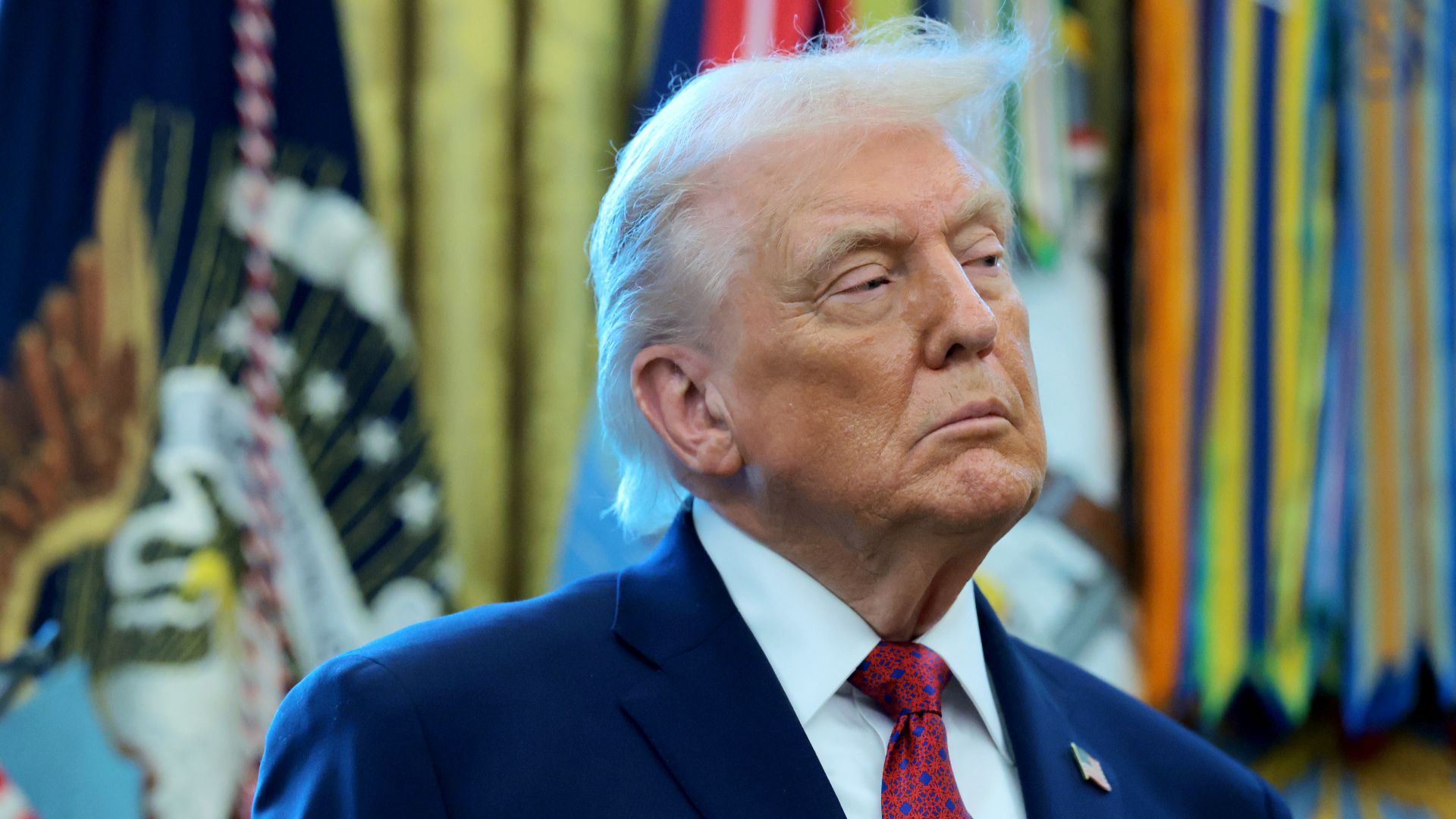
Trump has also spoken more directly about the possibility of extending his time in office in remarks made at different moments, often tying the idea to his continued claims about the 2020 election. In one instance, he said «People are saying we should do a third term because the election was stolen,» while in a separate comment he added «I think you would have to start by looking at what happened in 2020.» On another occasion, he suggested broader support for the idea, stating «A lot of people want me to stay longer.» Taken together, these statements show a pattern of rhetoric in which Trump moves beyond contesting past election results to openly entertaining the notion of remaining in power beyond the traditional two-term limit.
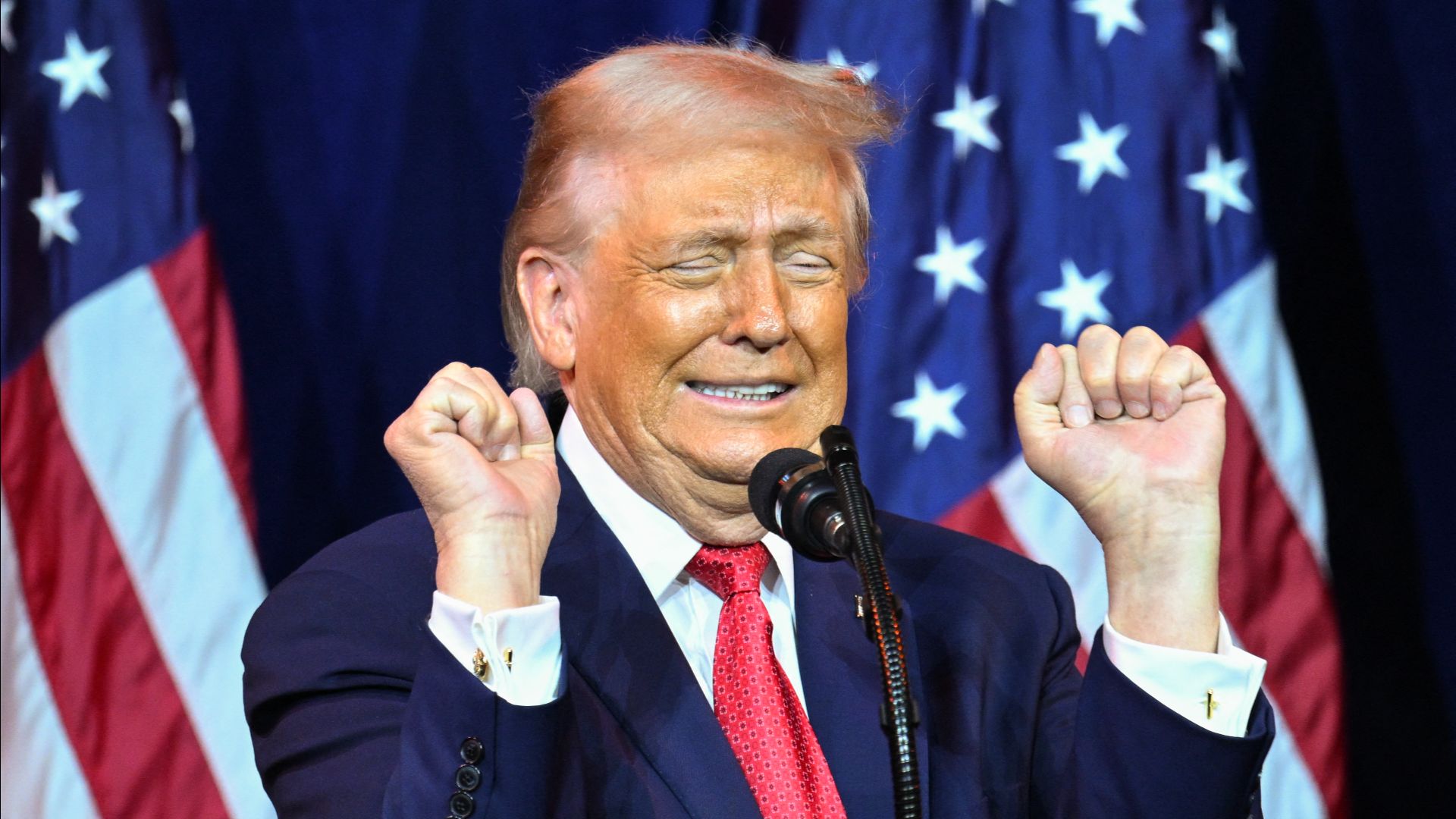
Trump's claims began immediately after the 2020 election, when he alleged widespread fraud without presenting verifiable proof. Legal challenges were filed in multiple states, but courts consistently dismissed the cases due to lack of evidence. Subsequent audits and recounts, including those conducted in key battleground states, reaffirmed the original outcomes. Despite these findings, Trump and some Republican figures have continued to push for additional reviews and legislative changes related to election security, keeping the issue at the center of political discourse years after the vote.
«People are saying we should do a third term because the election was stolen.»
-U.S. President, Donald Trump
The suggestion that a third term could serve as a «reward» has raised concerns among political analysts and lawmakers, particularly in the context of upcoming elections. The U.S. Constitution, through the 22nd Amendment, limits presidents to two terms, making any discussion of a third term highly controversial. Critics argue that even raising the idea risks undermining public confidence in democratic institutions, especially as the country prepares for the 2026 midterms and looks ahead to the 2028 presidential election. The timing of Trump's remarks has intensified these concerns, given the already polarized political environment.
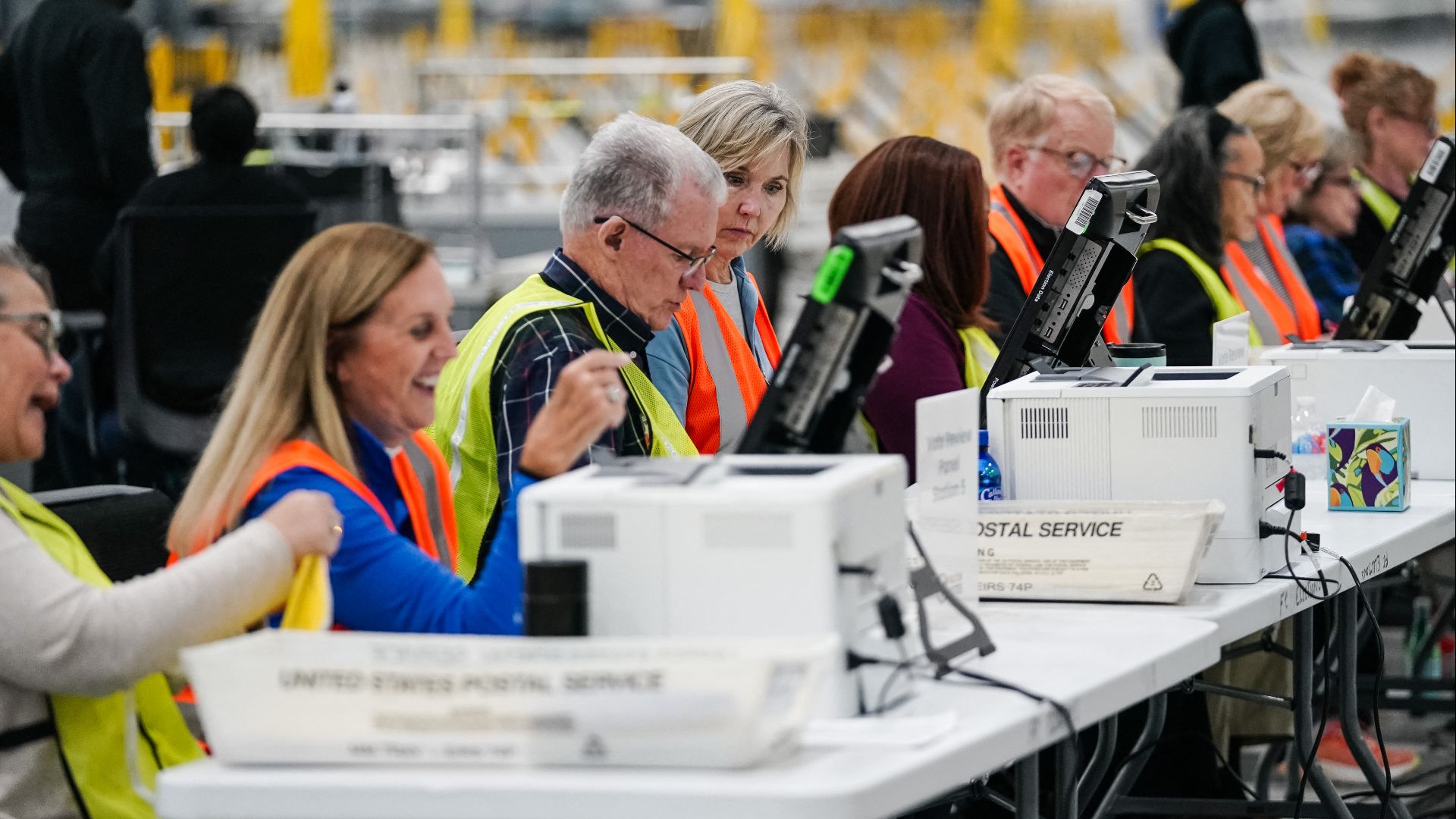
As the election cycle approaches, Trump's comments are likely to remain a focal point in national debate. Supporters have framed his remarks as rhetorical or symbolic, while opponents warn that they reflect a broader challenge to established democratic norms. The intersection of ongoing controversies, including economic policy and foreign conflicts, with questions about electoral legitimacy creates a complex political landscape. With midterms looming and attention already shifting toward 2028, the implications of Trump's statements continue to resonate across both domestic politics and international perceptions of U.S. governance.
Created by humans, assisted by AI.
