

/https%3A%2F%2Fcdn-tor.buminteractif.com%2F2026%2F03%2F27155331%2Firan-hegseth-us-war-getty354643gfd.jpg)
Pete Hegseth is burning through the U.S. Tomahawk arsenal at an alarming pace as the Iran war completes its first month, raising deep concern within parts of the Pentagon, according to multiple media reports and defense officials. Since the beginning of the conflict, more than 850 Tomahawk cruise missiles have been launched in sustained strikes targeting Iranian military infrastructure, radar systems and energy facilities. The scale and speed of these operations have marked a significant shift in U.S. military posture, reflecting a strategy built on rapid, high-volume precision strikes as Washington attempts to pressure Tehran without committing immediately to a full-scale ground invasion.
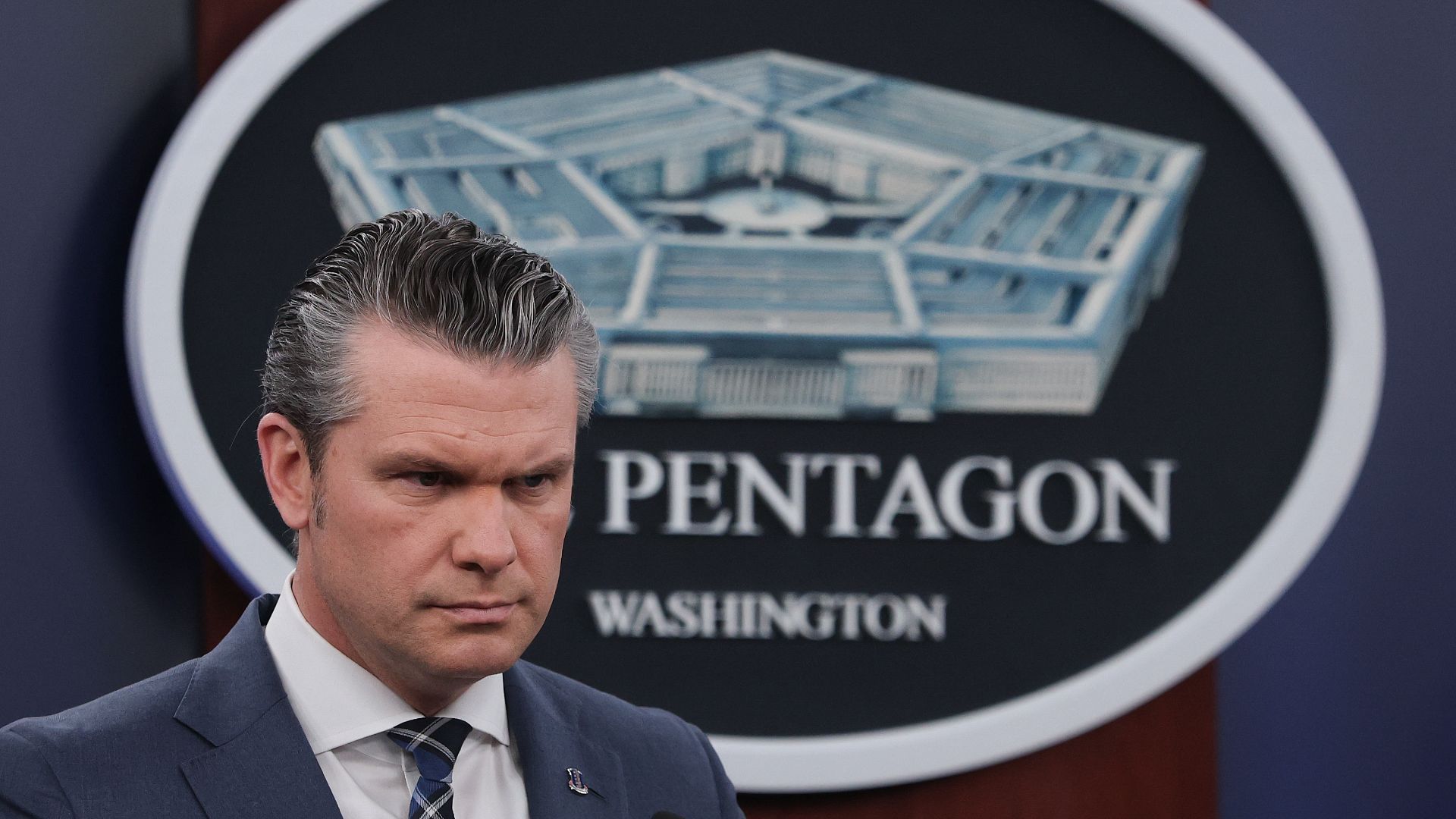
The sheer volume of missiles used carries a substantial financial cost, underscoring the intensity of the campaign. Each Tomahawk missile is estimated to cost more than $2 million, placing the total expenditure for the 850 missiles already fired at over $1.7 billion. This figure does not include additional operational costs such as deployment logistics, naval positioning, or intelligence support, suggesting that the broader financial burden is significantly higher. Defense analysts note that such a sustained burn rate could begin to strain U.S. stockpiles if the pace continues, particularly as the conflict shows no immediate signs of de-escalation.
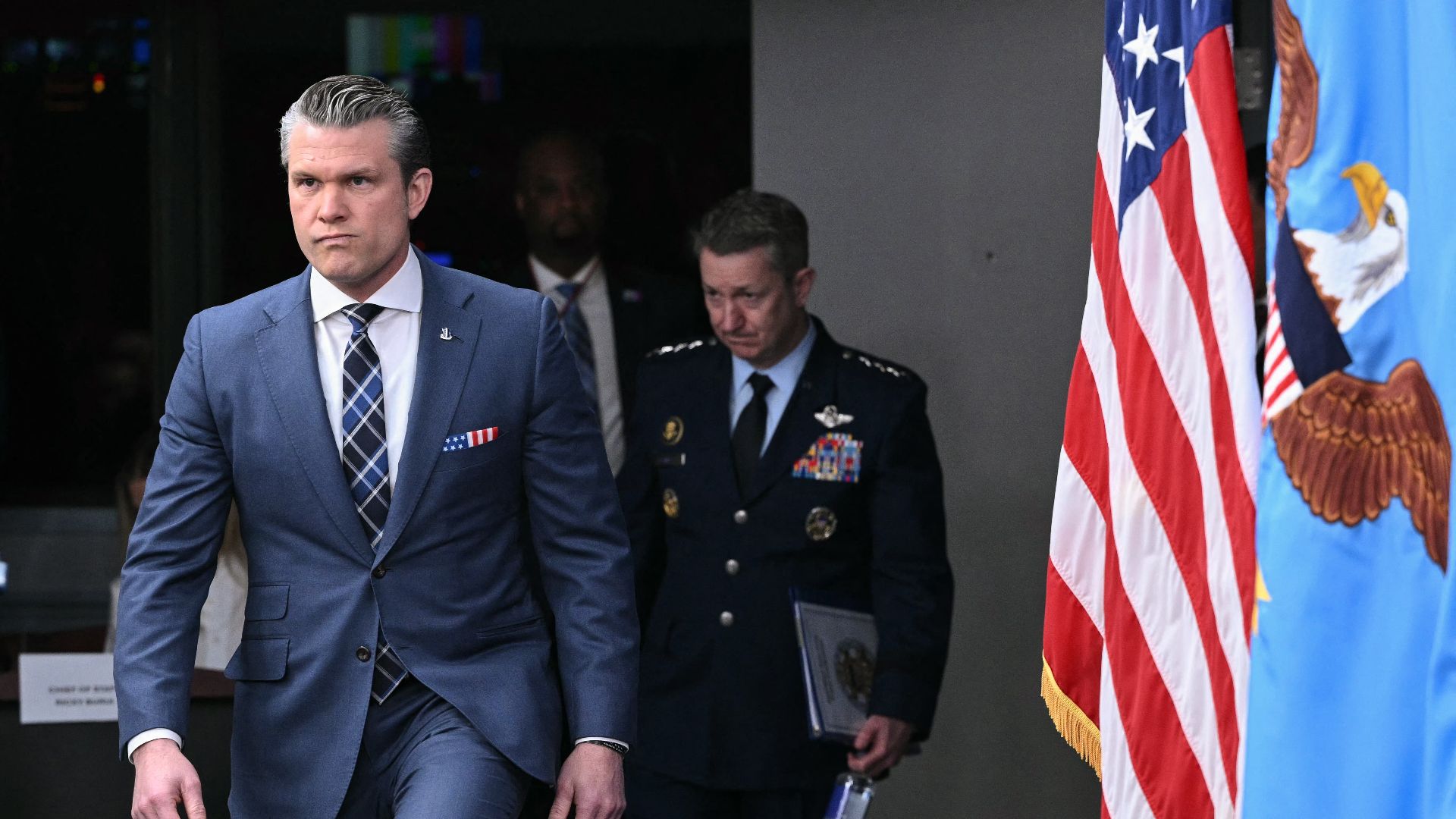
Within the Pentagon, officials have expressed growing concern about the rapid depletion of precision-guided munitions, even as public messaging remains controlled. Some defense sources have indicated that internal discussions are now focused on balancing continued offensive operations with the need to preserve strategic reserves. The concern is not only about current readiness but also about the potential for simultaneous conflicts elsewhere, which could further stretch U.S. capabilities. Despite these concerns, the current strategy appears to remain in place, driven by the administration's objective of maintaining maximum pressure on Iran's military and economic infrastructure.
«We are executing a strategy of strength, and that requires resources to maintain momentum and protect American interests.»
-U.S. Secretary of Defense, Pete Hegseth
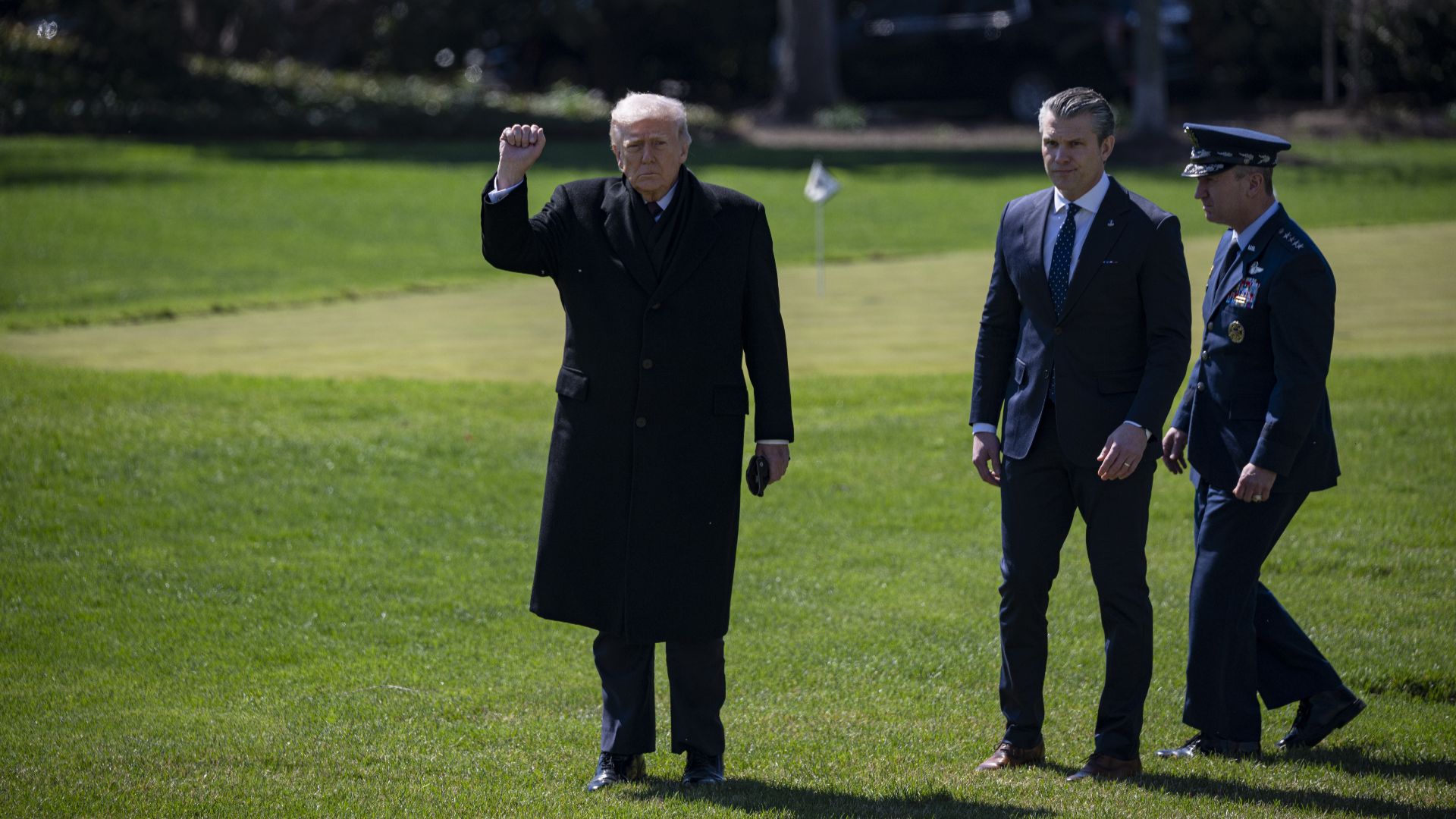
Donald Trump has repeatedly defended both the pace of the campaign and Hegseth's leadership, framing the strikes as necessary to reassert U.S. dominance in the region. In recent remarks, Trump said: «Pete Hegseth is doing a tremendous job, maybe the best we've seen in a long time,» while also emphasizing the broader objective of the campaign. He added: «We are not going to let Iran control the Strait of Hormuz. It's not going to happen.» The president has continued to link military operations with economic pressure, presenting the strikes as part of a coordinated effort to force Tehran into compliance with U.S. demands.
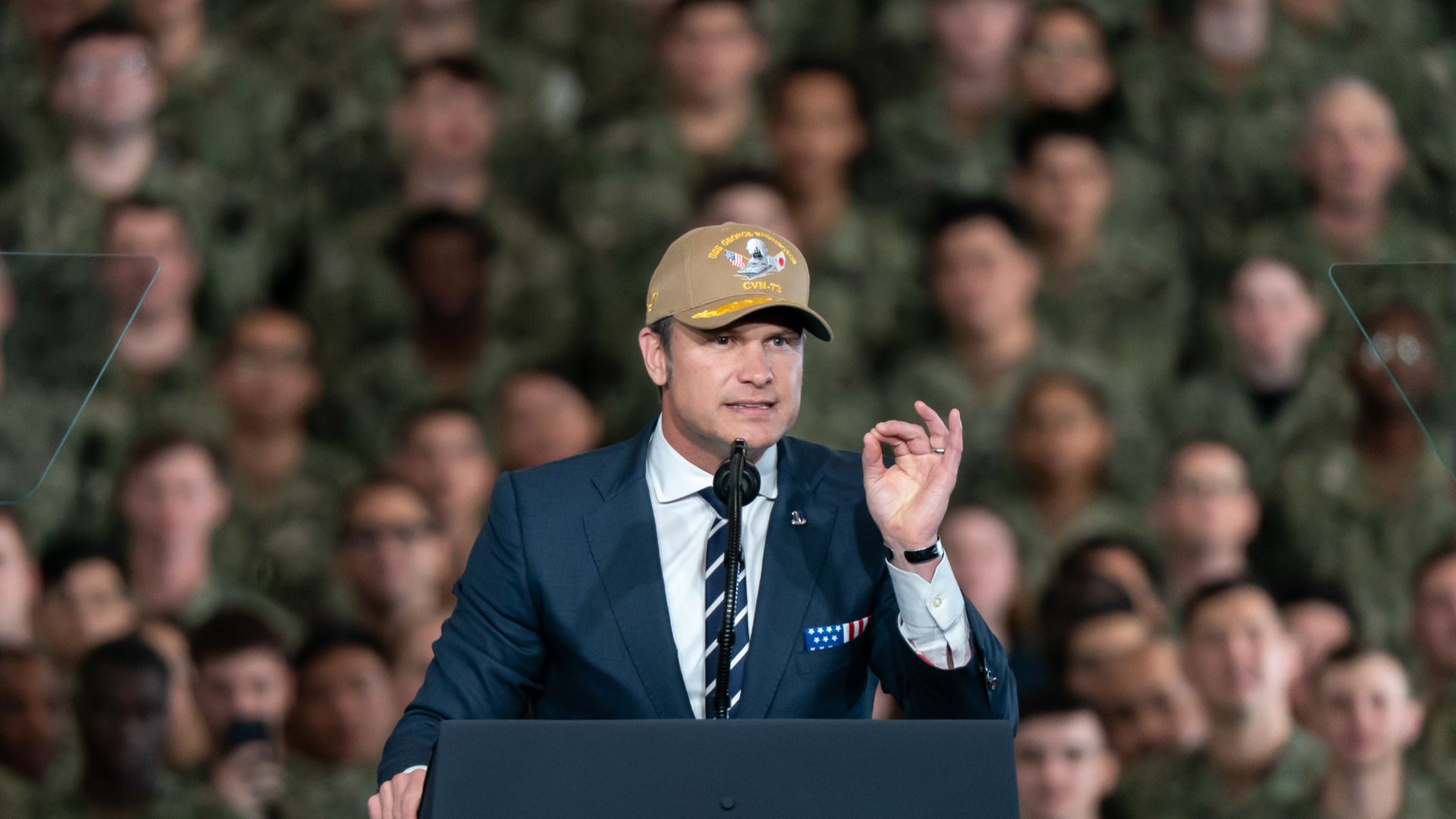
Hegseth himself has defended the scale of the operation, particularly as the Pentagon seeks a significant increase in funding to sustain the war effort. During a recent announcement tied to a request for an additional $200 billion in defense spending related to the Iran conflict, he stated: «We are executing a strategy of strength, and that requires resources to maintain momentum and protect American interests.» He also stressed the importance of readiness, saying: «This is about ensuring that our forces have everything they need to succeed, now and in the future.» His remarks signal a long-term commitment to the campaign despite mounting concerns over cost and sustainability.
«Pete Hegseth is doing a tremendous job, maybe the best we've seen in a long time.»
-U.S. President , Donald Trump
The situation is now entering a new and potentially more dangerous phase, as the sustained missile campaign is paired with broader military considerations. Trump is reportedly weighing the deployment of up to 10,000 ground troops to the Middle East, a move that would mark a major escalation in the conflict. Combined with the rapid depletion of missile stockpiles and the ongoing pressure on Iran's infrastructure, the possibility of a deeper U.S. military involvement appears increasingly likely, raising fears among officials and analysts that the war could soon expand beyond its current scope.
Created by humans, assisted by AI.
