

/https%3A%2F%2Fcdn-tor.buminteractif.com%2F2026%2F03%2F30150324%2Ftrump-cuba-russia-oil-getty-345345345gbdf3453.jpg)
After weeks of attempting to impose maximum pressure on Cuba by effectively blocking all oil shipments to the island under threat of tariffs, Donald Trump has made a sudden and targeted reversal, allowing a Russian tanker to deliver fuel. The decision marks a notable shift in a strategy that had left Cuba largely cut off from its traditional energy suppliers since early January. According to multiple reports, Washington had warned countries against sending oil to Havana, aiming to force political concessions, before ultimately making an exception in what appears to be a limited and highly calculated move.
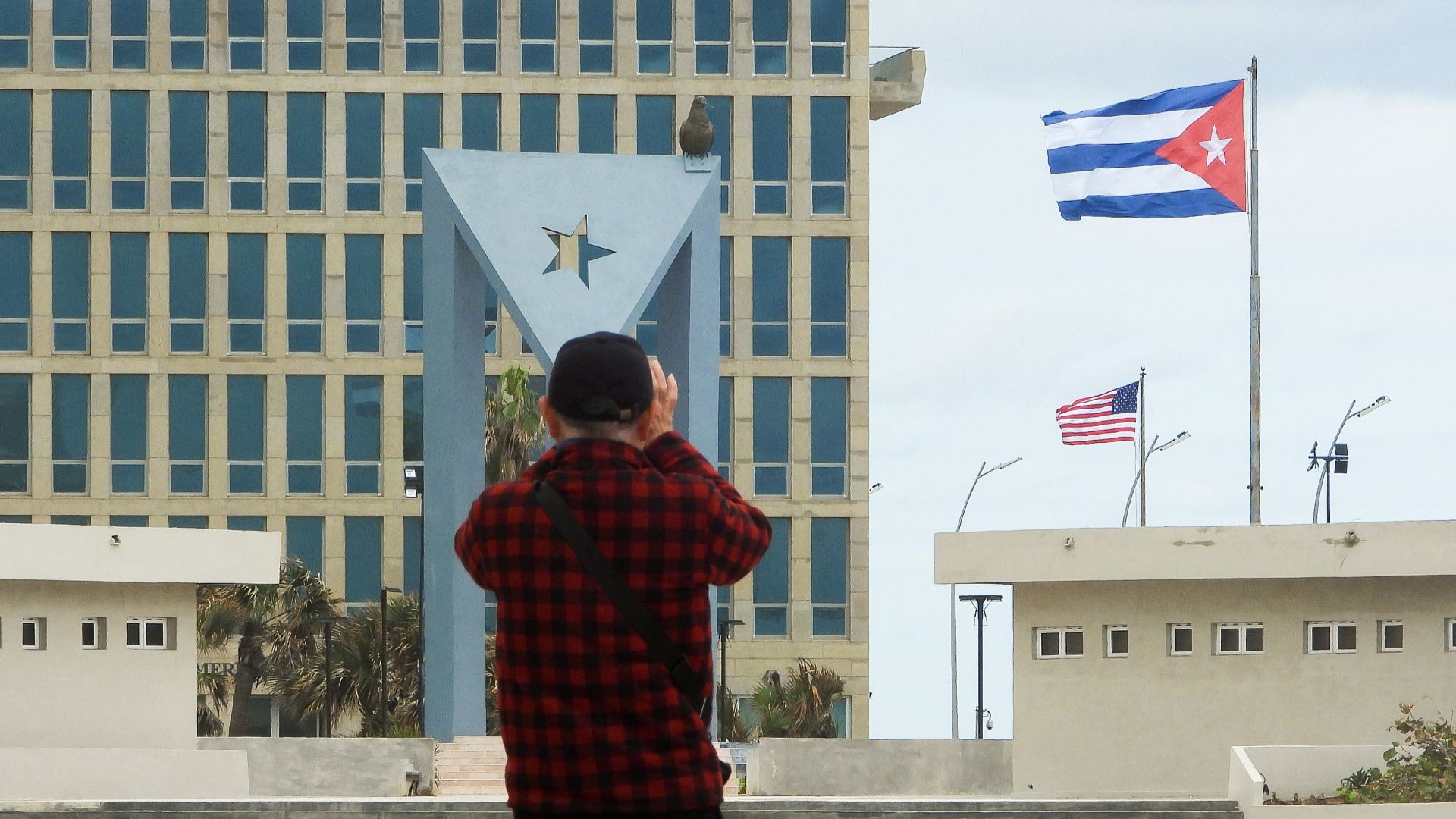
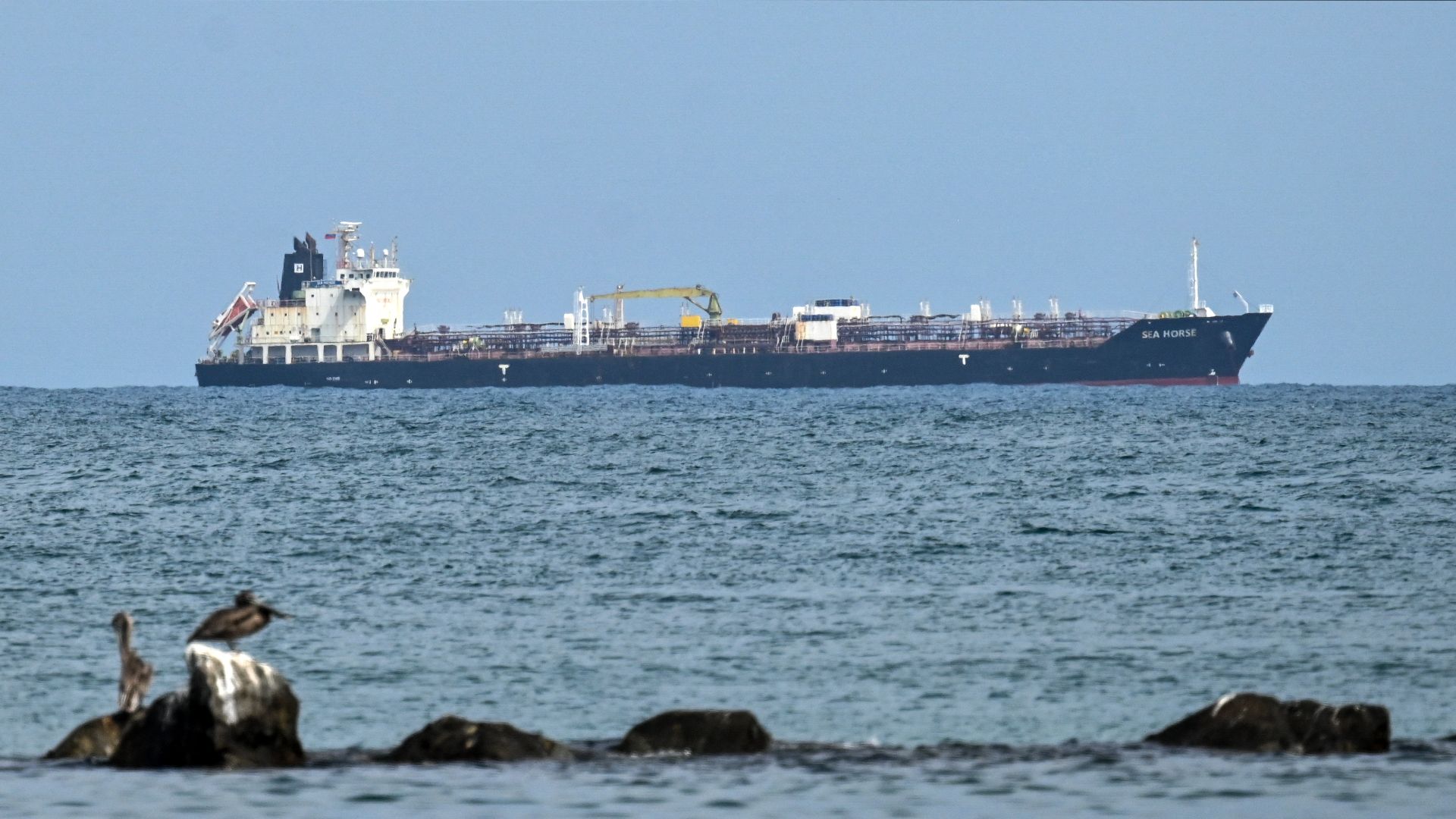
According to CNN and maritime tracking data, a Russian tanker carrying nearly 730,000 barrels of crude oil arrived near Cuban waters and was allowed to proceed, offering a temporary lifeline to the island. Kremlin spokesman Dmitry Peskov confirmed that discussions had taken place with U.S. officials before the shipment, stating: «this issue was indeed raised». The delivery represents one of the first significant oil shipments to reach Cuba in months, highlighting both the severity of the crisis and the geopolitical balancing underway between Washington and Moscow over how far enforcement of the blockade should go.
«Cuba lived, for many years, on large amounts of OIL and MONEY from Venezuela. In return, Cuba provided “Security Services” for the last two Venezuelan dictators, BUT NOT ANYMORE!»
-U.S. President, Donald Trump on Truth Social
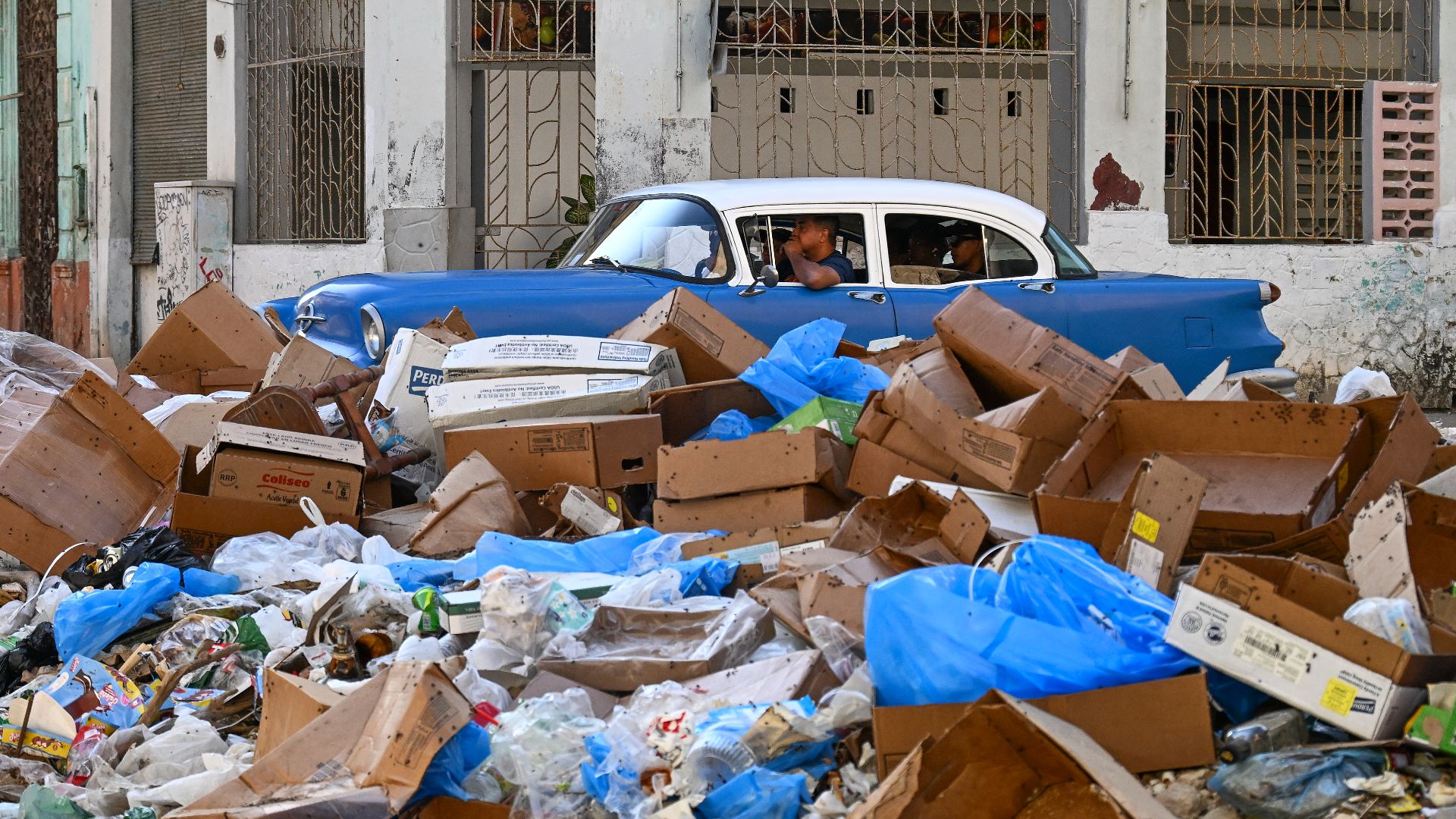
The decision comes amid a deepening humanitarian and economic crisis in Cuba, where widespread blackouts, fuel shortages and collapsing infrastructure have become daily realities. Entire regions of the island have experienced prolonged power outages, while garbage collection has slowed dramatically due to lack of fuel, leading to visible waste accumulation in major cities including Havana. The tourism sector, a critical source of revenue, has also suffered as energy instability disrupts basic services, further compounding the economic strain on a population already facing shortages of food, medicine and essential goods.
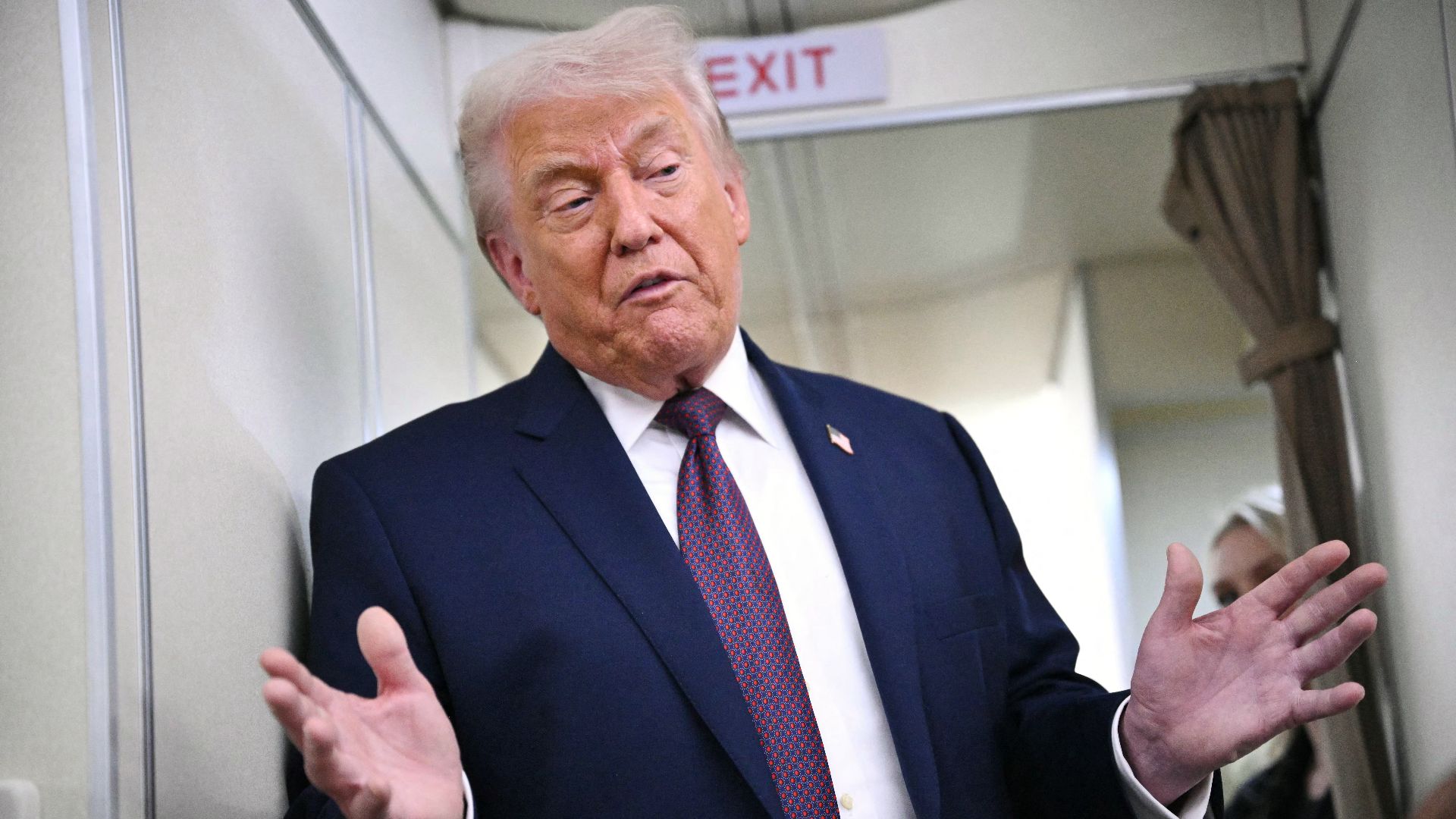
Trump acknowledged the tanker's arrival while speaking aboard Air Force One, confirming that the United States would not intervene despite its earlier stance. «We have a tanker out there. We don't mind having somebody get a boatload, because they have to survive,» he said, signaling a temporary softening of enforcement. At the same time, the president maintained that the shipment would not alter the broader outcome of his policy toward Cuba, adding in separate remarks that «it's not going to have an impact» on the island's trajectory, reflecting continued confidence in the pressure campaign.
«THERE WILL BE NO MORE OIL OR MONEY GOING TO CUBA – ZERO! I strongly suggest they make a deal, BEFORE IT IS TOO LATE. »
-U.S. President, Donald Trump on Truth Social
The move stands in contrast to Trump's earlier hardline rhetoric, including a January Truth Social post announcing the blockade in unequivocal terms. At the time, he wrote: «Cuba lived, for many years, on large amounts of OIL and MONEY from Venezuela. In return, Cuba provided “Security Services” for the last two Venezuelan dictators, BUT NOT ANYMORE! Most of those Cubans are DEAD from last weeks U.S.A. attack, and Venezuela doesn't need protection anymore from the thugs and extortionists who held them hostage for so many years. Venezuela now has the United States of America, the most powerful military in the World (by far!), to protect them, and protect them we will. THERE WILL BE NO MORE OIL OR MONEY GOING TO CUBA – ZERO! I strongly suggest they make a deal, BEFORE IT IS TOO LATE. » The contrast between that position and the current decision underscores the evolving nature of U.S. policy.
Beyond Russia, several countries have attempted to mitigate the humanitarian consequences of the blockade through aid deliveries rather than direct oil shipments. Mexico, after halting its regular exports under U.S. pressure, sent humanitarian assistance to the island, while Canada and other international actors have expressed concern over the impact of the restrictions. Analysts note that the temporary authorization of the Russian tanker may reflect growing recognition within Washington of the humanitarian risks posed by a total energy cutoff, even as the broader strategy of economic pressure and political leverage against the Cuban government remains in place.
Created by humans, assisted by AI.
