

/https%3A%2F%2Fcdn-tor.buminteractif.com%2F2026%2F03%2F30171051%2Ftrump-oil-getty3-4534gdg.jpg)
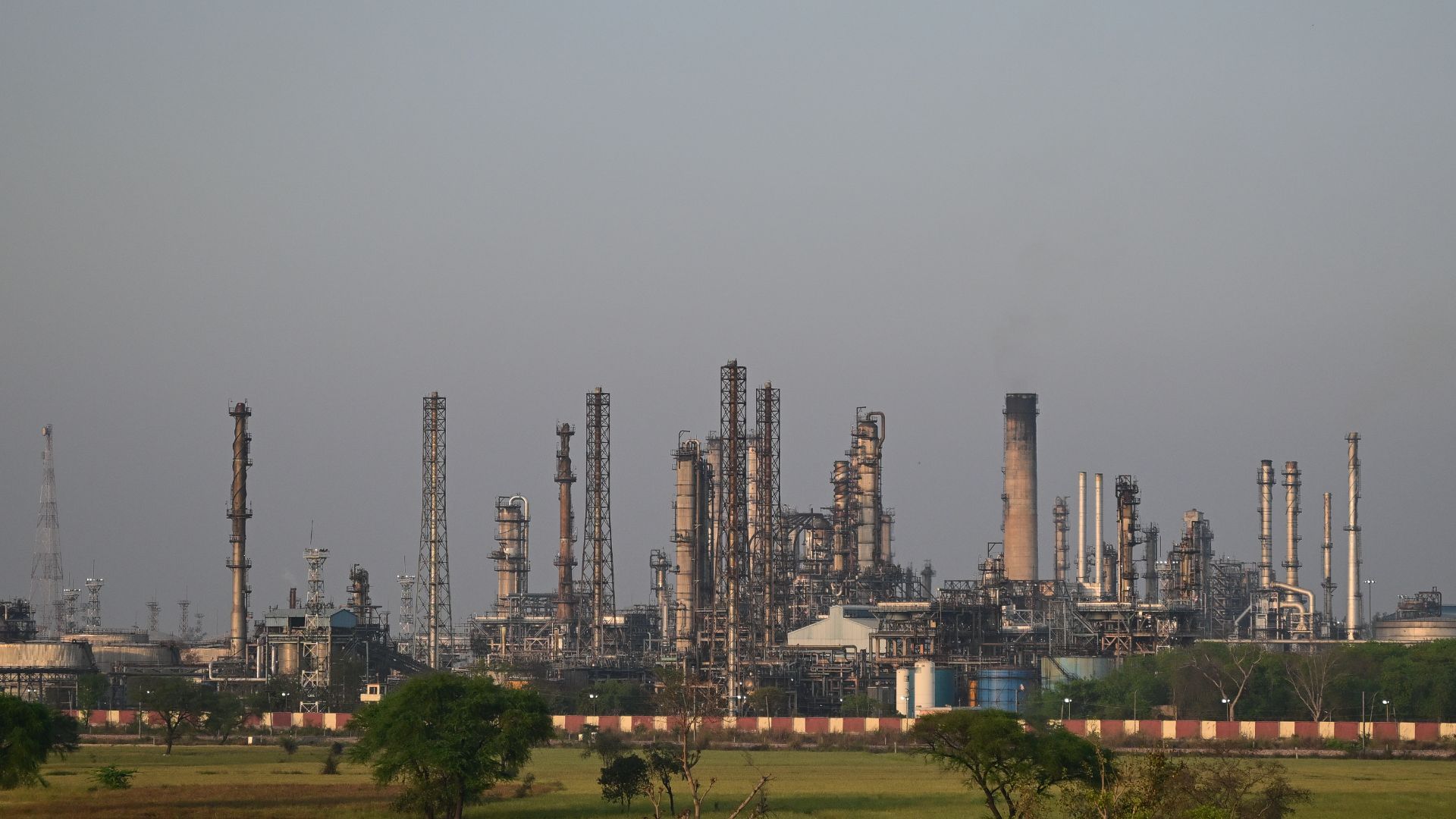
Oil prices have surged sharply, climbing above $116 per barrel in a sudden spike driven by intensifying tensions in the Iran war and increasingly conflicting messaging between Washington and Tehran. Markets have reacted nervously to rapid developments on the ground, including threats against energy infrastructure and continued disruption in the Strait of Hormuz.
The move reflects a rapid repricing of geopolitical risk, as investors attempt to assess the likelihood of further escalation in a conflict that is already affecting global energy flows.
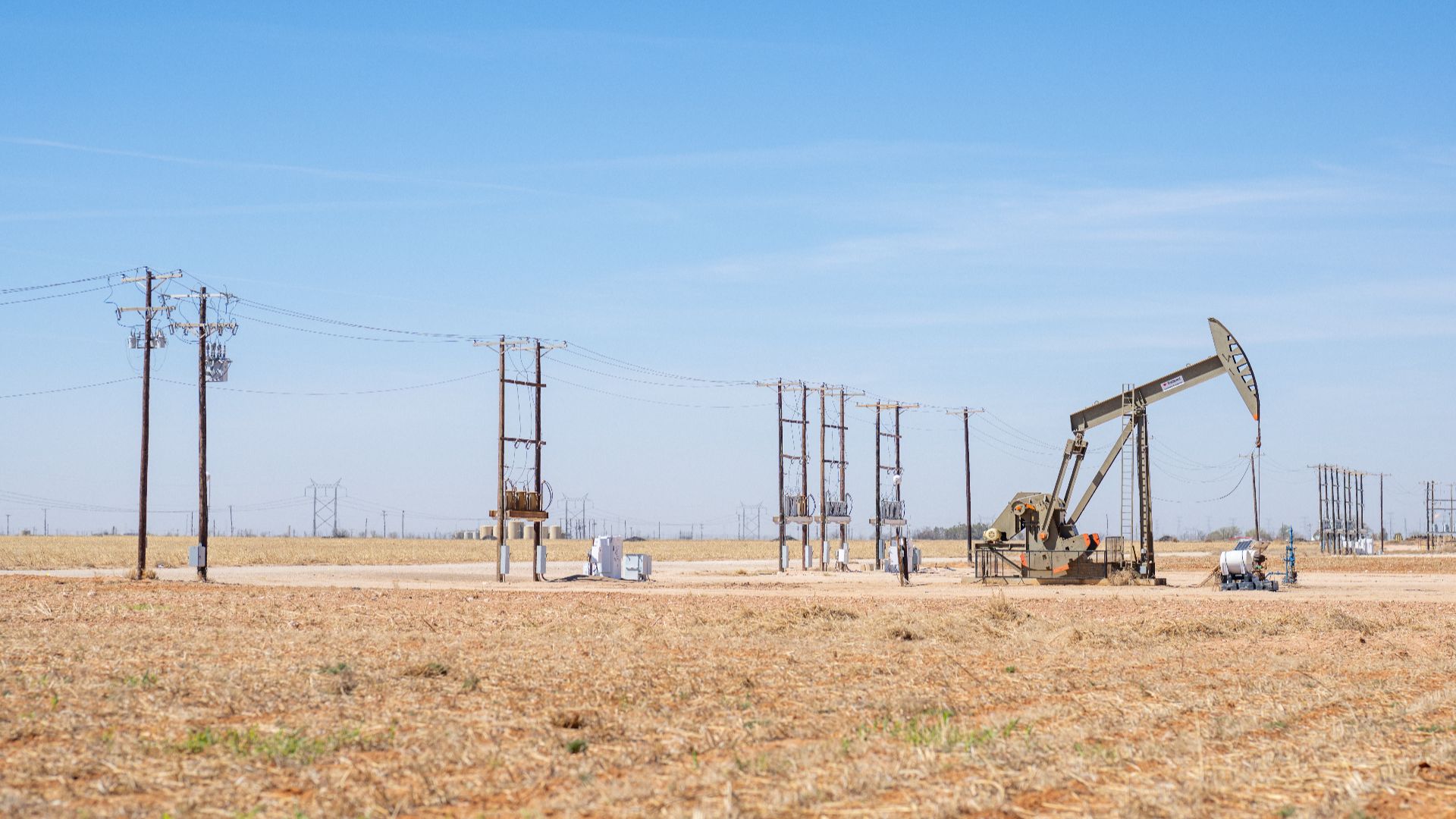
The jump represents a significant increase compared to last week, when oil was trading closer to the $100 to $104 range before rebounding sharply. Over a matter of days, prices have climbed by more than $10 per barrel, marking a rapid week-over-week surge. Since the beginning of the conflict, oil has risen from levels near $80, underscoring the scale of disruption tied to the Iran war. The Strait of Hormuz remains central to these concerns, as a critical chokepoint for global oil supply continues to face instability.
«Great progress has been made but, if for any reason a deal is not shortly reached, which it probably will be, and if the Hormuz Strait is not immediately “Open for Business,” we will conclude our lovely “stay” in Iran by blowing up and completely obliterating all of their Electric Generating Plants, Oil Wells and Kharg Island (and possibly all desalinization plants!), which we have purposefully not yet “touched.”».
-U.S. President, Donald Trump on Truth Social
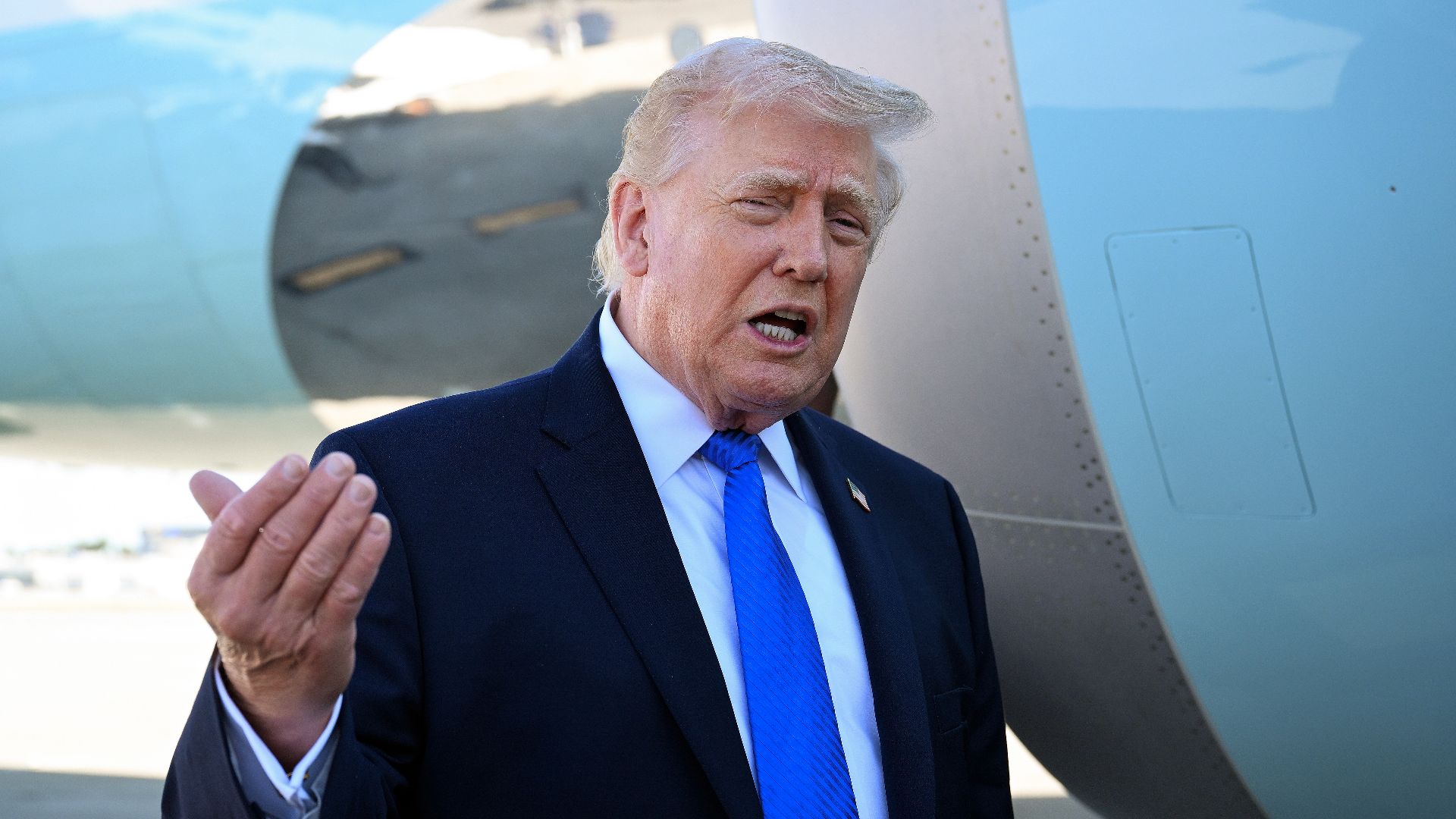
The surge comes amid escalating rhetoric from Donald Trump, who has tied U.S. military pressure directly to Iran's energy sector. In a recent Truth Social post, Trump wrote: «As per Iranian Government request, please let this statement serve to represent that I am pausing the period of Energy Plant destruction by 10 Days to Monday, April 6». He further added in another statement: «The United States of America is in serious discussions with A NEW, AND MORE REASONABLE, REGIME to end our Military Operations in Iran. Great progress has been made but, if for any reason a deal is not shortly reached, which it probably will be, and if the Hormuz Strait is not immediately “Open for Business,” we will conclude our lovely “stay” in Iran by blowing up and completely obliterating all of their Electric Generating Plants, Oil Wells and Kharg Island (and possibly all desalinization plants!), which we have purposefully not yet “touched.” This will be in retribution for our many soldiers, and others, that Iran has butchered and killed over the old Regime's 47 year “Reign of Terror.” ».
At the same time, Iranian officials have issued firm warnings regarding any expansion of U.S. military operations, particularly on the ground.
Tehran has signaled that American troops would be directly targeted in the event of deeper involvement, reinforcing fears of a broader regional conflict. This exchange of threats has created a volatile environment in which both sides maintain hardline positions, leaving little room for immediate de-escalation and increasing the likelihood of further disruption to energy markets.
«As per Iranian Government request, please let this statement serve to represent that I am pausing the period of Energy Plant destruction by 10 Days to Monday, April 6».
-U.S. President, Donald Trump on Truth Social
The broader military context is also shifting rapidly, with the United States considering additional deployments in the region. Trump is reportedly weighing the option of sending up to 10,000 ground troops to support potential operations in Iran, a move that would mark a major escalation beyond the current strategy centered on air and naval power.
The possibility of expanded U.S. involvement has further contributed to market instability, as traders factor in the risk of prolonged conflict and deeper disruptions to global supply chains.
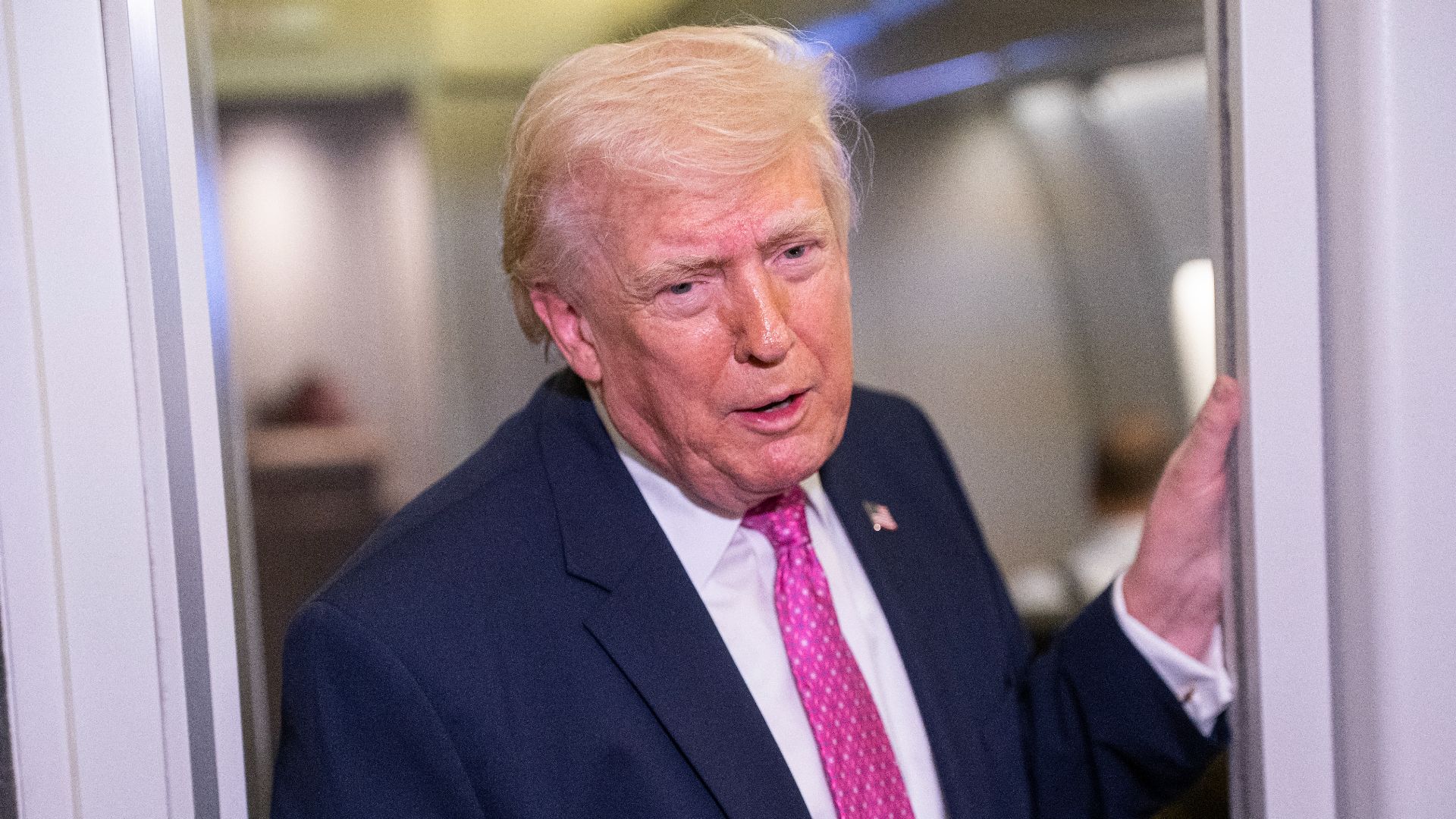
As oil prices continue to climb, markets remain highly sensitive to each new development, with geopolitical risk now a primary driver of price movements. The combination of military threats, strategic uncertainty and potential ground escalation has created conditions for continued volatility. With tensions showing no clear sign of easing and decisions on troop deployments still under consideration, the situation is increasingly viewed as approaching a critical point that could push oil prices even higher in the coming days.
Created by humans, assisted by AI.
