

/https%3A%2F%2Fcdn-tor.buminteractif.com%2F2026%2F03%2F31143635%2Fisrael-palistitian-getty45345dfg.jpg)
Israel's parliament, the Knesset, has passed a controversial law expanding the use of the death penalty, specifically targeting Palestinians convicted of terrorism and so-called nationalistic murders. The legislation marks a significant shift in Israeli policy, as capital punishment has historically been used only in extremely rare and exceptional cases. The new measure introduces a legal framework that critics say formalizes unequal treatment under the law, drawing immediate concern from human rights organizations and international observers who warn that the decision could deepen existing tensions and further polarize the region.
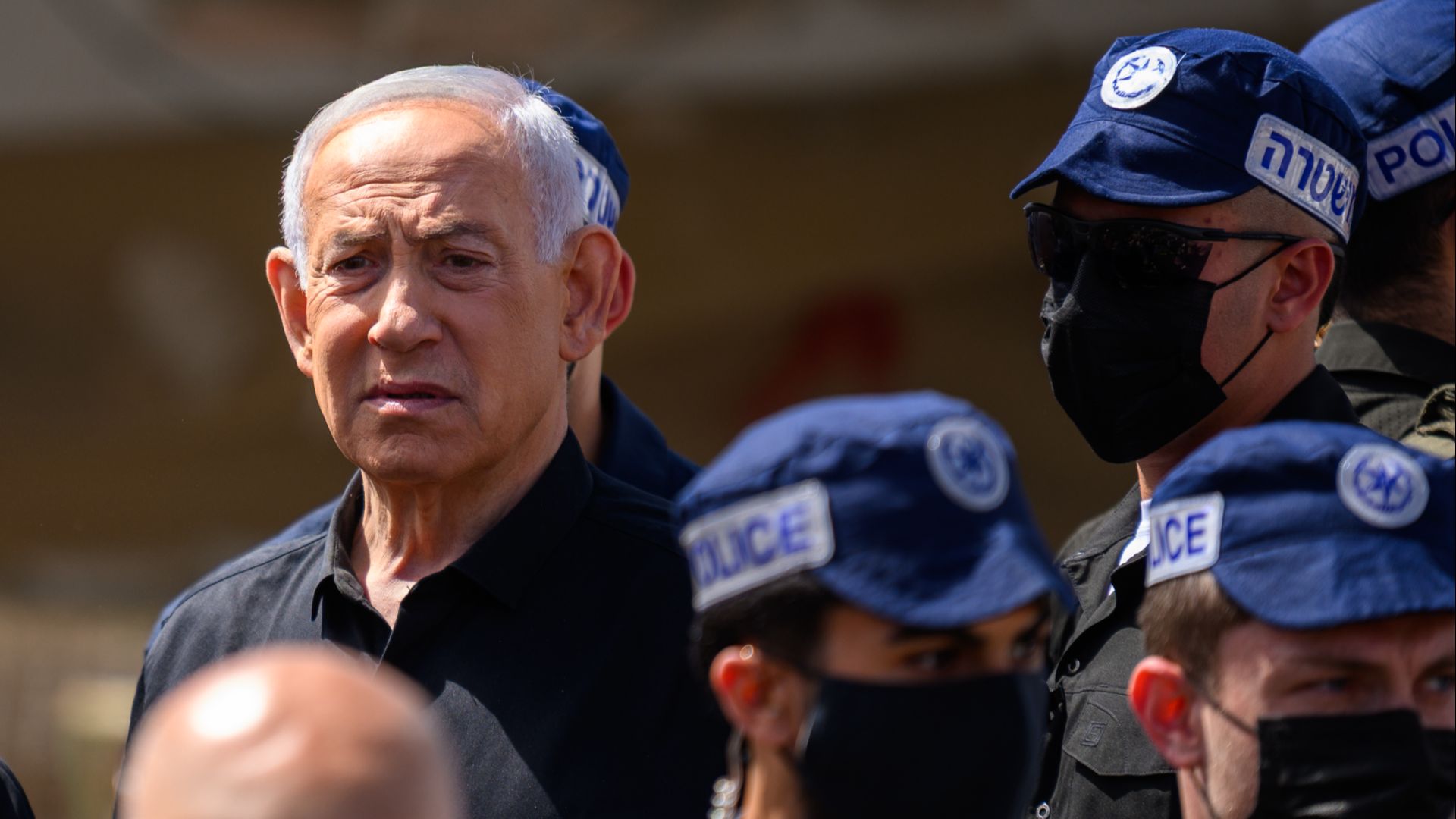
The law stipulates that Palestinians in the West Bank who kill an Israeli with intent tied to undermining the state can be sentenced to death, with execution to be carried out within 90 days. Courts are granted limited discretion to impose life imprisonment instead, but only under what are described as special circumstances. The legislation also removes the requirement for unanimous judicial agreement in military courts to impose the death penalty, significantly lowering the threshold for such sentences and accelerating the process in a system already widely scrutinized.
«Whoever murders Jews will not continue to breathe.»
-Israel National Security Minister, Itamar Ben Gvir
A central point of controversy lies in the unequal application of the law. Palestinians living in the West Bank are subject to Israeli military law, while Israeli settlers living in the same territory are governed by civilian law. As a result, the death penalty provision applies exclusively to Palestinians, even in cases involving similar acts of violence. This dual legal structure has been widely criticized as discriminatory, with opponents arguing that it creates two distinct systems of justice operating side by side based on identity rather than the nature of the crime itself.
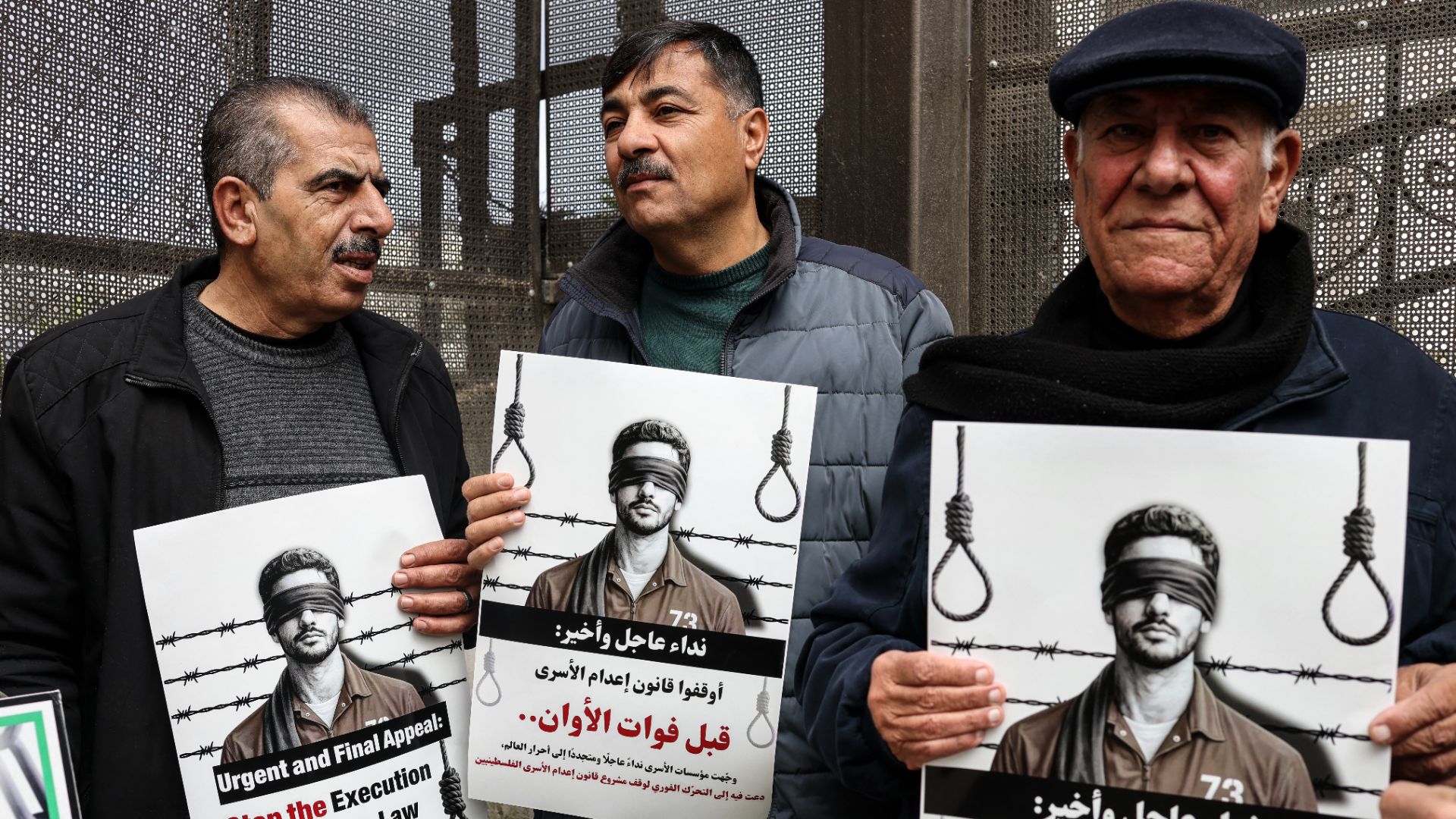
The bill passed its final readings in the Knesset by a vote of 62 to 48, with one abstention, following sustained pressure from far-right members of the governing coalition. The legislation was championed by National Security Minister Itamar Ben Gvir, a long-time advocate for expanding the use of the death penalty. Upon its approval, he declared: «Whoever murders Jews will not continue to breathe». His statement underscored the ideological motivations behind the bill and reflected a broader push within parts of the government to adopt more punitive measures in response to ongoing violence.

The adoption of the law has triggered immediate backlash from human rights organizations and Palestinian groups, who view it as a dangerous escalation. A coalition of civil society organizations condemned the measure, calling it «an official stamp of approval on a policy of vengeance and racist violence against Palestinians».
The Palestinian Prisoner's Society issued a similarly stark warning, describing the law as «a historic escalation — a new phase of openly sanctioned, politically motivated executions». These reactions highlight the deep concerns over both the legal implications and the potential for increased instability.
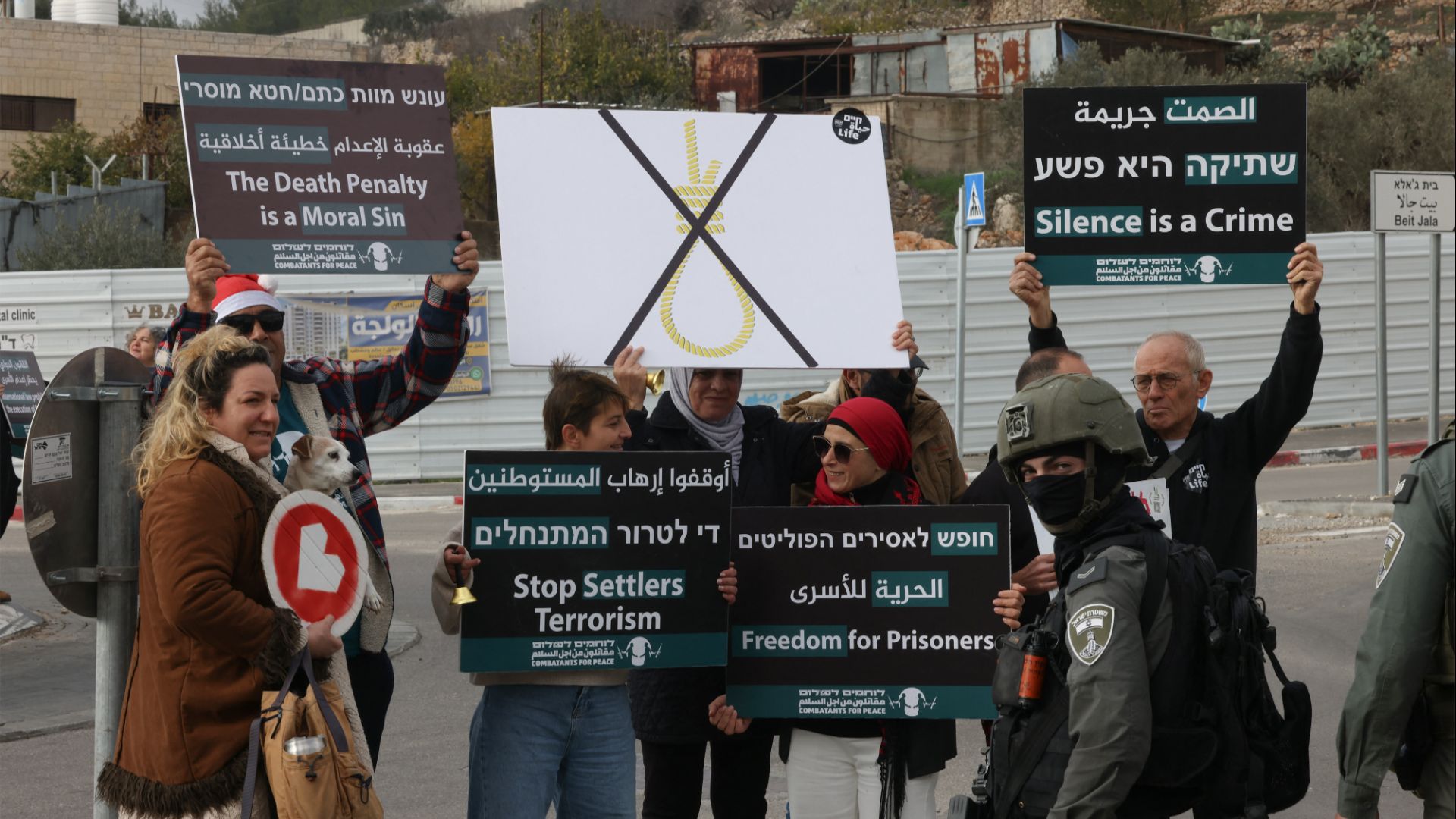
The controversy has already moved into the legal arena, with a petition filed to Israel's High Court of Justice challenging the constitutionality of the law. Critics argue that it violates fundamental legal principles and could ultimately be struck down.
At the same time, international actors have expressed concern over the implications of the legislation, warning that it may undermine democratic standards and further strain Israel's relations with allies. As the legal process unfolds, the law is likely to remain at the center of both domestic and international debate.
Created by humans, assisted by AI.
