

/https%3A%2F%2Fcdn-tor.buminteractif.com%2F2026%2F04%2F09153227%2Ftrump-draft-military-getty-345345sdg354-23gsd.jpg)
The Trump administration has confirmed that a new automatic military registration process for American men aged 18 to 25 will be implemented by the end of 2026, marking a structural shift in how the Selective Service System operates. The change follows legislation signed into law by Donald Trump in December 2025 as part of the National Defense Authorization Act for fiscal year 2026. According to federal authorities, the objective is to modernize the system by removing the requirement for individuals to register themselves. Officials describe the reform as a way to «streamline the existing self-registration process» by relying instead on government data integration.
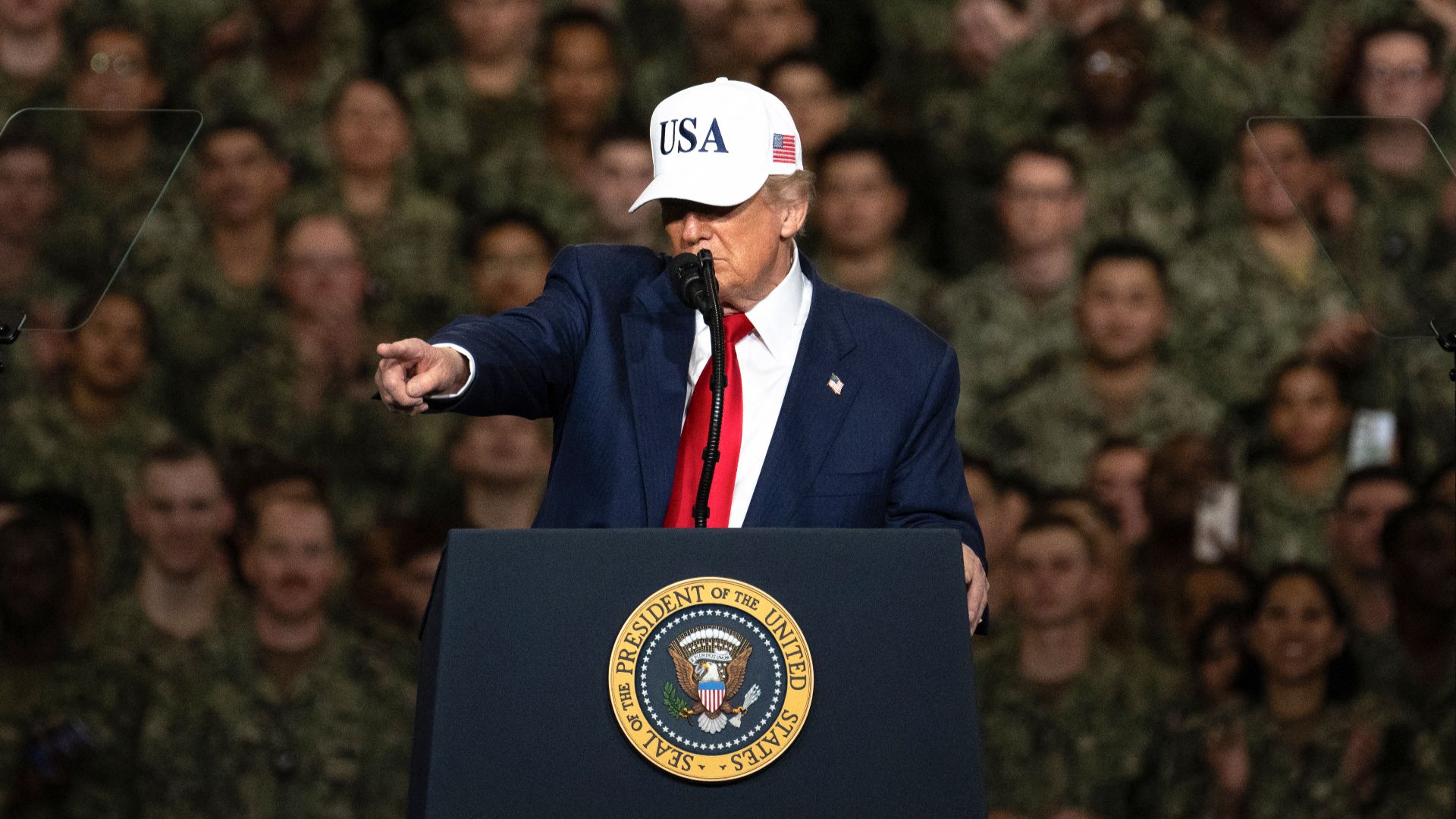
Under the new framework, eligible men will no longer need to manually submit their information through the Selective Service System. Instead, federal agencies will automatically transfer relevant data, effectively enrolling individuals into the database without direct action on their part. The Selective Service System has indicated that this shift «transfers responsibility for registration from individual men to SSS through integration with federal data sources», signaling a broader administrative overhaul. The implementation is scheduled to take effect one year after the law's enactment, placing the rollout timeline firmly at the end of 2026.
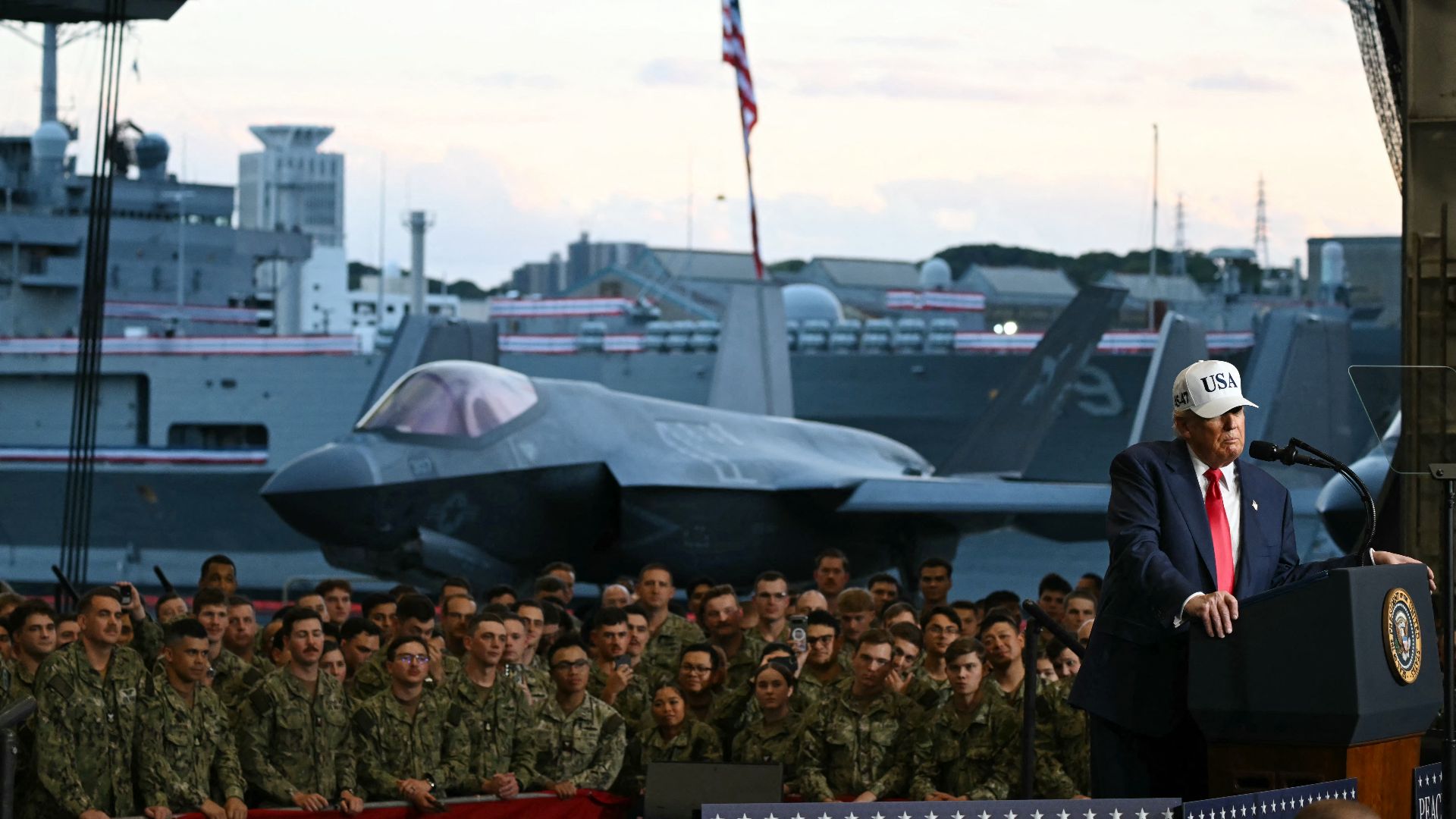
Despite the administrative nature of the reform, the announcement has reignited public discussion about the possibility of a military draft in the United States. The country has not enforced conscription since 1973, during the Vietnam War, when compulsory service became a defining and controversial aspect of the conflict. Since then, registration has remained mandatory for most men aged 18 to 25, but no active draft has been carried out. The distinction between registration and actual conscription remains central, yet the policy shift has amplified concerns among segments of the population already attentive to geopolitical tensions.
It has been, and it will continue to be, and President Trump wisely does not remove options off of the table. I know a lot of politicians like to do that quickly, but the president, as commander in chief, wants to continue to assess the success of this military operation. It's not part of the current plan right now, but the president, again, wisely keeps his options on the table.»
-White House Press Secretary Karoline Leavitt
Those concerns have been fueled in part by the evolving situation involving Iran, where military escalation and ceasefire negotiations have drawn attention to the potential for a broader conflict. While the United States has primarily engaged through aerial operations, the prospect of deeper involvement has led to renewed scrutiny of military preparedness mechanisms. The automatic registration system, though administrative, has been interpreted by some observers as part of a broader readiness posture. This perception has circulated widely, particularly across social media, where distinctions between registration and an active draft are often blurred.
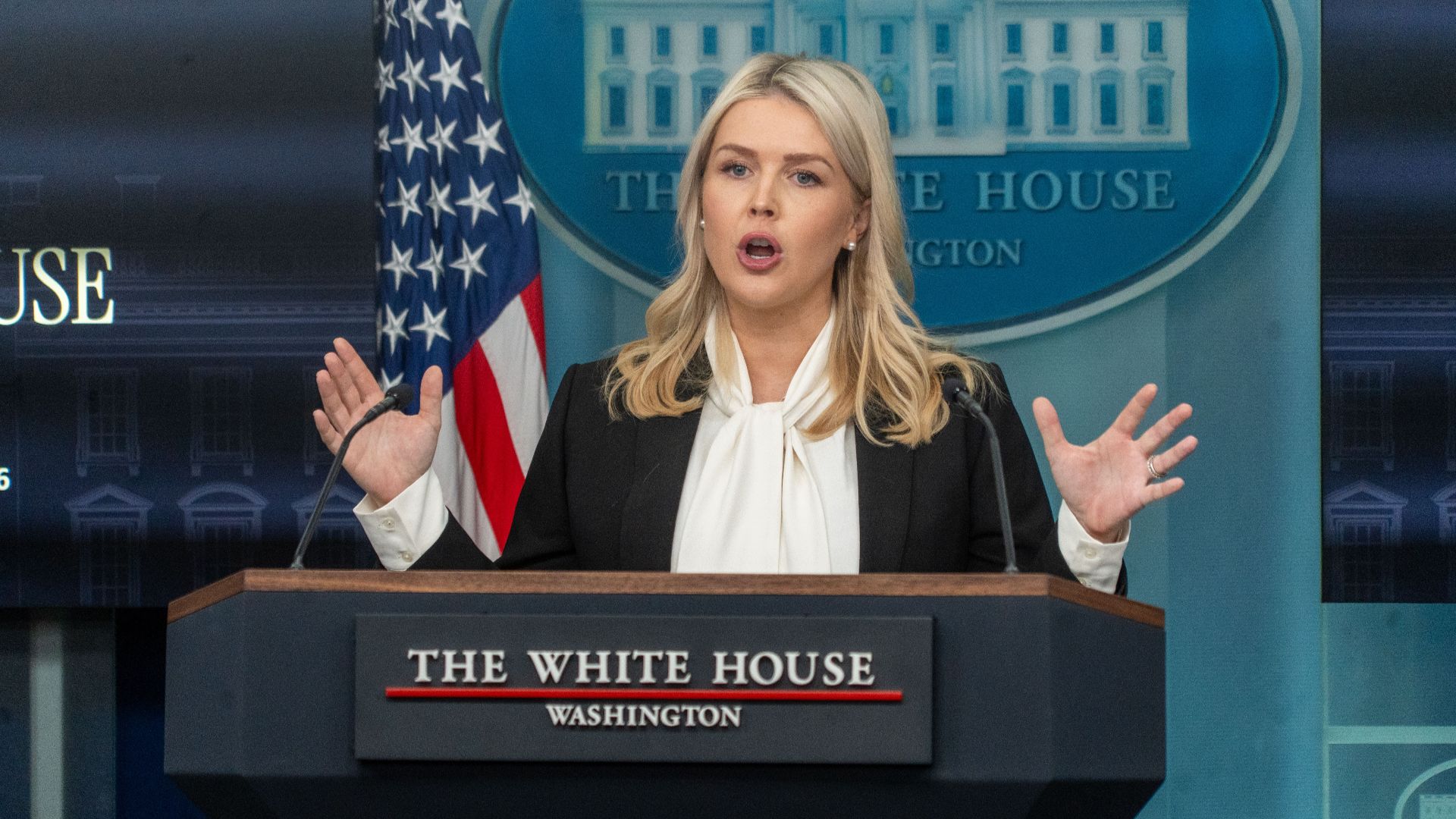
The issue was directly addressed during a televised interview on Fox News on March 8, when host Maria Bartiromo questioned White House Press Secretary Karoline Leavitt about public fears. She asked: «Mothers out there are worried that we're going to have a draft — that they're going to see their sons and daughters get involved in this. What do you want to say about the president's plans for troops on the ground? As we know, it's been largely an air campaign up until now.» The question reflected growing anxiety among families regarding the potential human cost of military escalation.
«Mothers out there are worried that we're going to have a draft — that they're going to see their sons and daughters get involved in this. What do you want to say about the president's plans for troops on the ground? As we know, it's been largely an air campaign up until now.»
-Fox News host, Maria Bartiromo
In response, Leavitt emphasized that no immediate draft is planned while maintaining strategic flexibility. She stated: «It has been, and it will continue to be, and President Trump wisely does not remove options off of the table. I know a lot of politicians like to do that quickly, but the president, as commander in chief, wants to continue to assess the success of this military operation. It's not part of the current plan right now, but the president, again, wisely keeps his options on the table.» Her remarks underscored the administration's position that while structural changes to registration are underway, any decision regarding a draft remains contingent on future developments.
Created by humans, assisted by AI.
