

/https%3A%2F%2Fcdn-tor.buminteractif.com%2F2026%2F04%2F14164016%2Fputin-hungary-getty-345345dfgdf56hg.jpg)
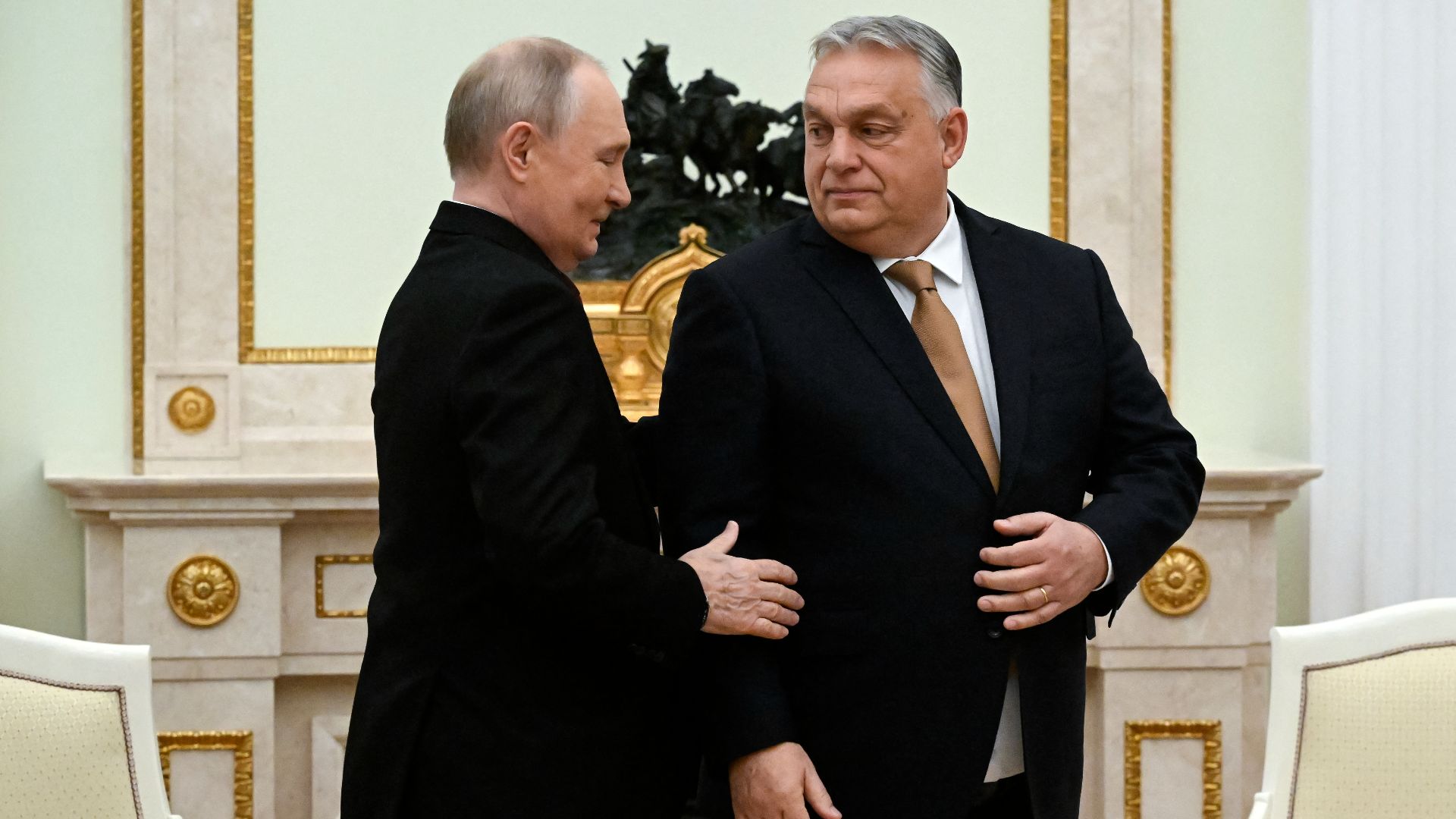
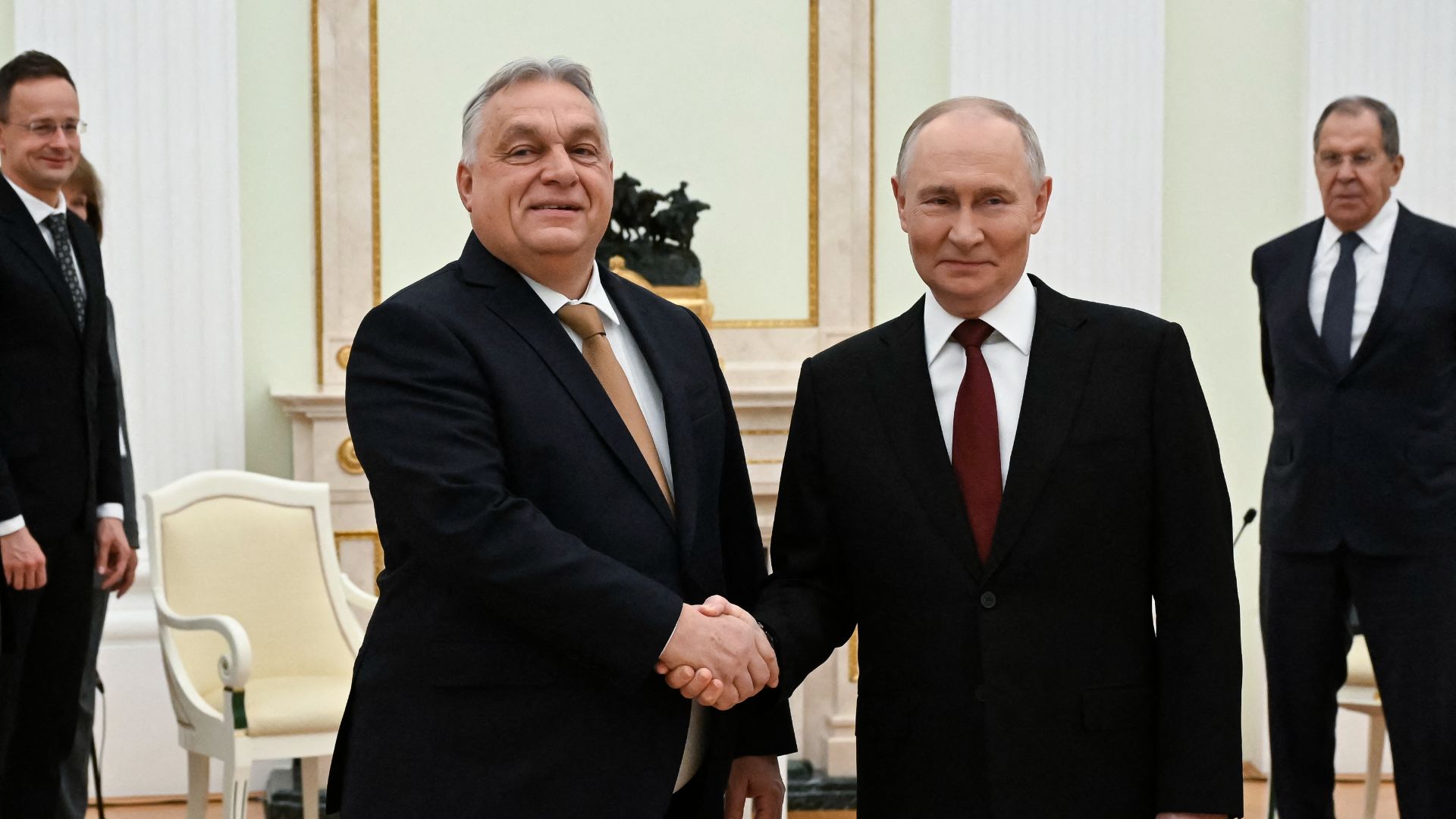
Russia moved quickly to distance itself from Viktor Orbán following his electoral defeat in Hungary, as Vladimir Putin lost one of his most reliable allies within the European Union. In the immediate aftermath, the Kremlin appeared to downplay years of close relations, with spokesperson Dmitry Peskov stating:
«We were never friends with Orbán,» before adding: «Hungary made its choice. We respect that choice». The remarks marked a sharp shift in tone after more than a decade of political alignment between Budapest and Moscow, particularly on issues related to energy cooperation and opposition to European Union sanctions against Russia.
«Hungary will return to Europe, not just geographically, but politically and morally.»
–Prime Minister of Hungary, Péter Magyar
Orbán's defeat ends 16 years of leadership during which Hungary often took a divergent path from its European partners, maintaining closer ties with Moscow even after the invasion of Ukraine. His government frequently resisted EU consensus, delayed sanctions packages and emphasized national sovereignty over collective European policy.
This positioning made him a key figure for the Kremlin within Europe, as Russia sought to maintain influence inside the bloc. The sudden effort by Moscow to minimize that relationship highlights how quickly geopolitical narratives can shift following a major electoral loss.
The election victory of Péter Magyar signals a major political turning point in Hungary, with the opposition figure campaigning on anti-corruption reforms and a renewed commitment to European integration. In his victory speech, Magyar emphasized the need to restore Hungary's standing within the European Union, stating:
«Hungary will return to Europe, not just geographically, but politically and morally.» He framed the election as a rejection of isolation and a move toward cooperation with European allies, while also pledging to rebuild trust with international partners after years of strained relations under Orbán's leadership.
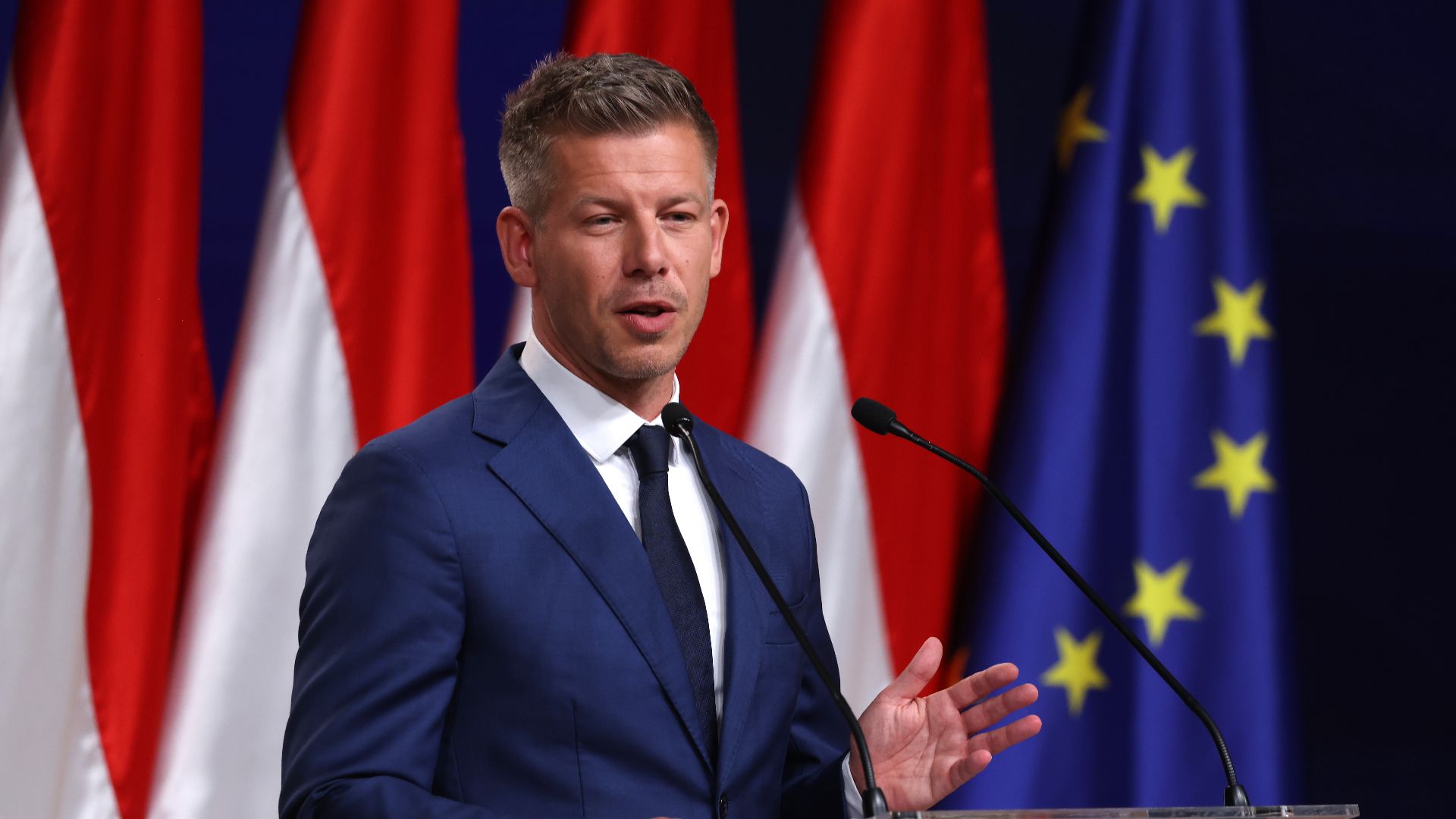
Magyar also addressed the war in Ukraine, marking a clear departure from his predecessor's more cautious stance. He stated: «Hungary must stand clearly with its European allies and support Ukraine's sovereignty.»
The comment signals a potential shift in Hungary's foreign policy, aligning more closely with Brussels and NATO positions on the conflict. He further emphasized democratic values, declaring:
«This is not just a victory for one party, but for the rule of law and for Hungary's future in Europe.» These statements indicate a broader reorientation that could reshape Hungary's role within the EU.
«We were never friends with Orbán.»
-Kremlin spokesperson, Dmitry Peskov
European leaders reacted positively to the outcome, viewing Magyar's victory as an opportunity to strengthen unity within the bloc. Hungary had long been seen as a disruptive force within EU decision-making, particularly on sanctions and foreign policy coordination. With a new government in place, expectations are rising that Budapest will adopt a more cooperative approach, particularly on issues related to Ukraine and collective security.
The shift could ease tensions within the EU and reinforce efforts to present a unified front against Russia.
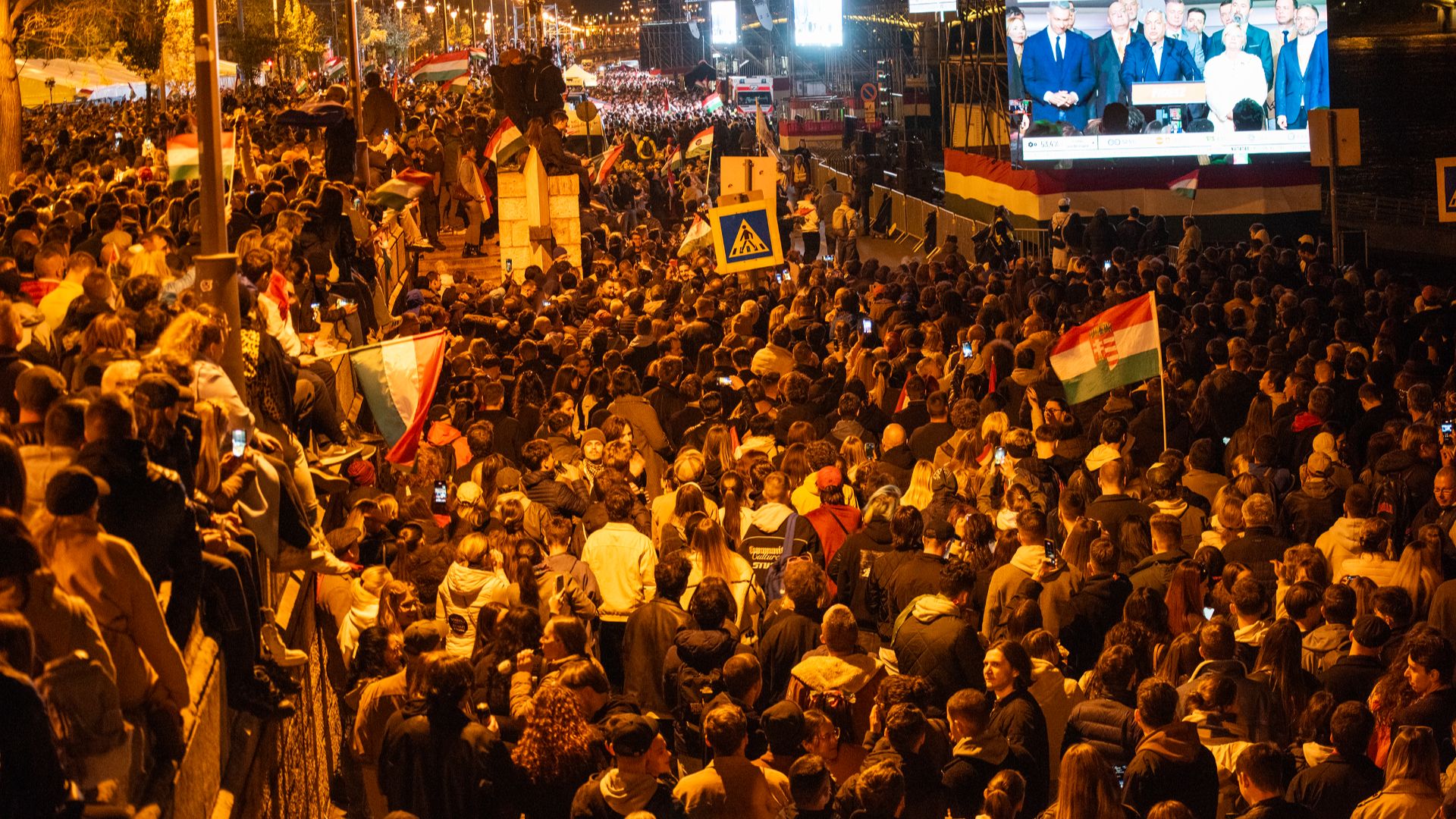
For the Kremlin, the loss of Orbán represents a strategic setback, removing a key partner who had often challenged Western consensus from within. Moscow's attempt to downplay the relationship underscores a pragmatic approach aimed at quickly adjusting to the new political reality. However, the broader impact remains significant, as Hungary's political shift could further isolate Russia within Europe. As Péter Magyar prepares to take office, the transition marks not only a domestic change in leadership but also a redefinition of Hungary's place in the evolving geopolitical landscape.
Created by humans, assisted by AI.
