

/https%3A%2F%2Fcdn-tor.buminteractif.com%2F2026%2F04%2F16184709%2Feurope-fuel-iran-getty-3423453fd.jpg)
The ongoing war in Iran, triggered by strikes from the United States and Israel, is now beginning to produce concrete consequences far beyond the Middle East, with Europe emerging as one of the first regions to feel the strain. Energy experts are sounding the alarm as supply chains remain severely disrupted, warning that the situation could escalate rapidly in the coming weeks. According to the International Energy Agency, Europe may have «Maybe six weeks or so» of jet fuel remaining, a stark indication of how quickly the crisis is tightening. The warning reflects a broader concern that the conflict is no longer regional, but increasingly global in its impact.
«Without a reopening of the waterway, some oil products may dry up.»
-Executive Director of the International Energy Agency, Fatih Birol
Fatih Birol, Executive Director of the International Energy Agency, has delivered a series of stark assessments outlining the scale of the disruption. As oil flows through the Strait of Hormuz remain severely constrained, he emphasized that the consequences are unavoidable and far-reaching. «Some countries may be richer than the others. Some countries may have more energy than the others, but no country, no country is immune to this crisis,» he said, underlining the universal exposure of global markets. The statement reflects growing concern among policymakers that even the most energy-secure nations are now vulnerable to supply shocks.
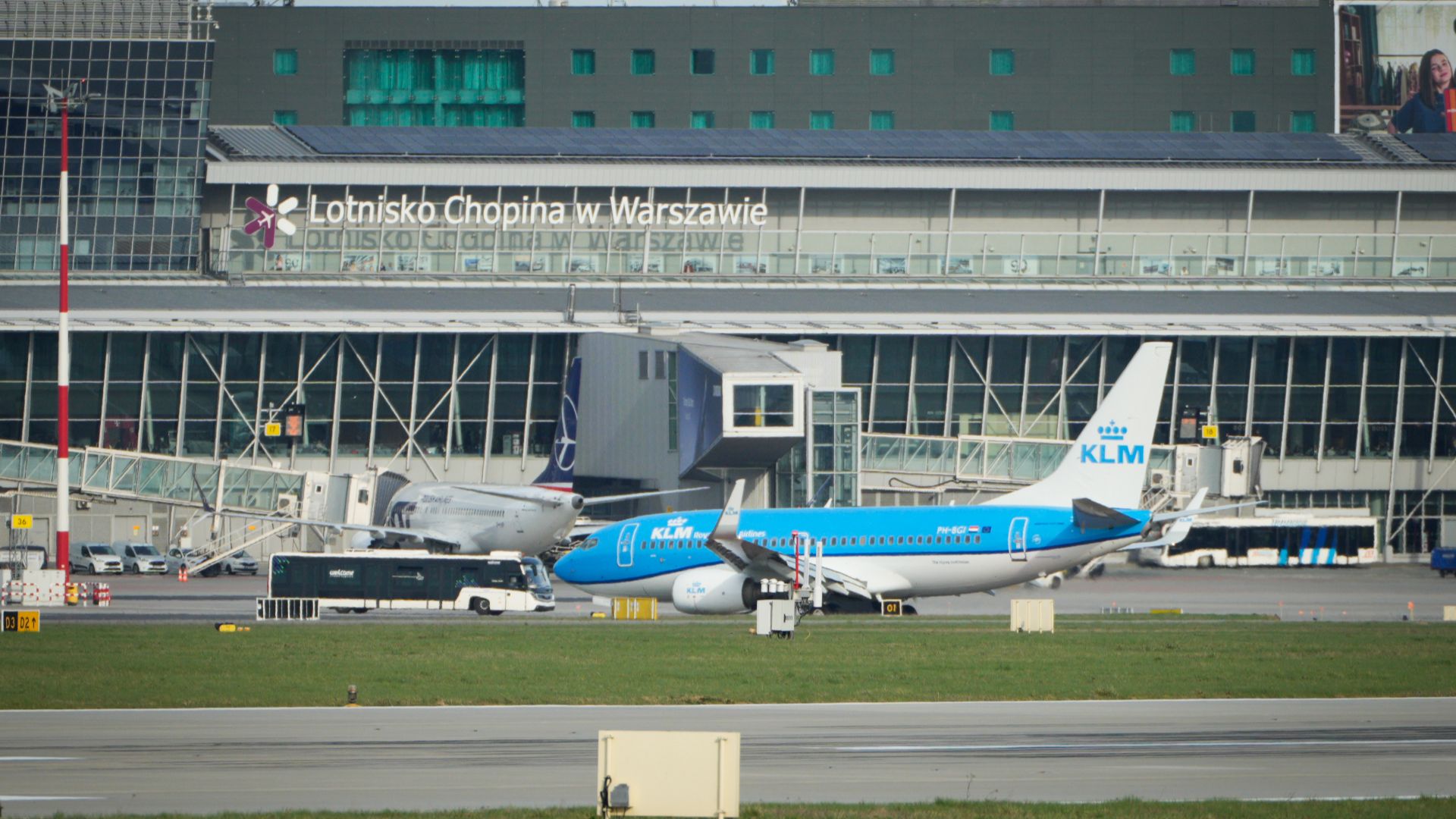
Birol further warned that the situation could deteriorate rapidly if maritime routes remain closed, particularly the Strait of Hormuz, which handles a significant share of global oil shipments. «Without a reopening of the waterway, some oil products may dry up,» he said, pointing to the risk of immediate shortages across multiple sectors. He added that the current situation could become «the largest energy crisis we have ever faced,» a characterization that signals both the severity and the potential duration of the disruption. Analysts note that tanker traffic has already been significantly reduced, tightening supply chains feeding European markets.
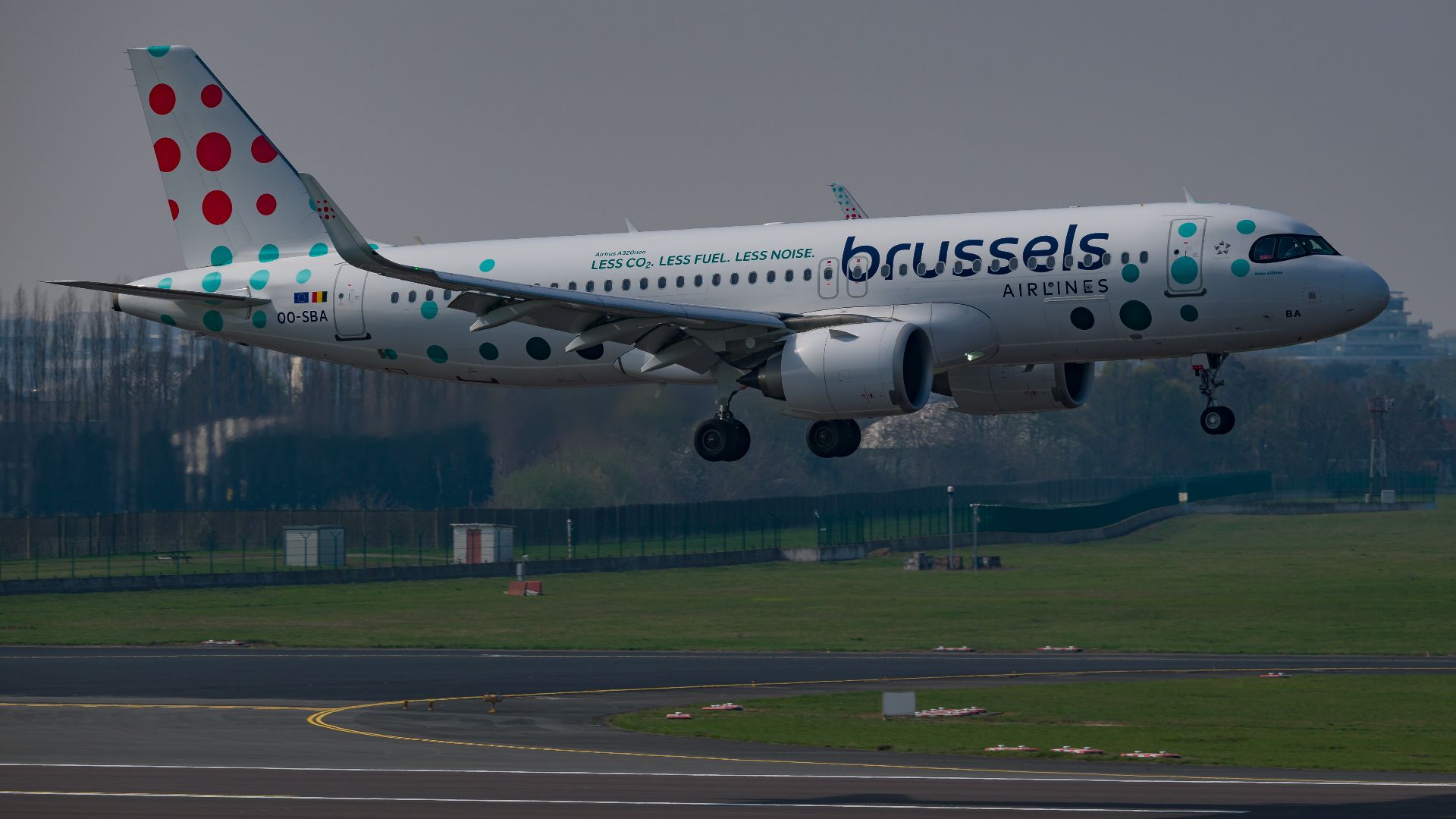
The immediate consequences are already beginning to surface across Europe's aviation sector, where airlines are facing rising fuel costs and increasing uncertainty over supply continuity. Industry officials are closely monitoring reserves as pressure builds on logistics networks that depend heavily on refined petroleum imports. While no widespread cancellations have yet been formally confirmed, the conditions described by energy experts suggest that disruptions could emerge quickly if the situation persists. The aviation sector, in particular, is seen as highly exposed due to its reliance on consistent jet fuel deliveries and limited short-term alternatives.
«Some countries may be richer than the others. Some countries may have more energy than the others, but no country, no country is immune to this crisis.»
-Executive Director of the International Energy Agency, Fatih Birol
Beyond Europe, the effects are spreading globally, with countries in Asia, Africa and Latin America expected to face even more severe disruptions due to their dependence on Middle Eastern energy supplies. The Strait of Hormuz, through which roughly a fifth of the world's oil supply typically passes, has become a critical chokepoint in the unfolding crisis. Governments and international agencies have begun exploring emergency measures, including the release of strategic reserves, but experts warn that such steps can only provide temporary relief if the underlying geopolitical tensions continue.
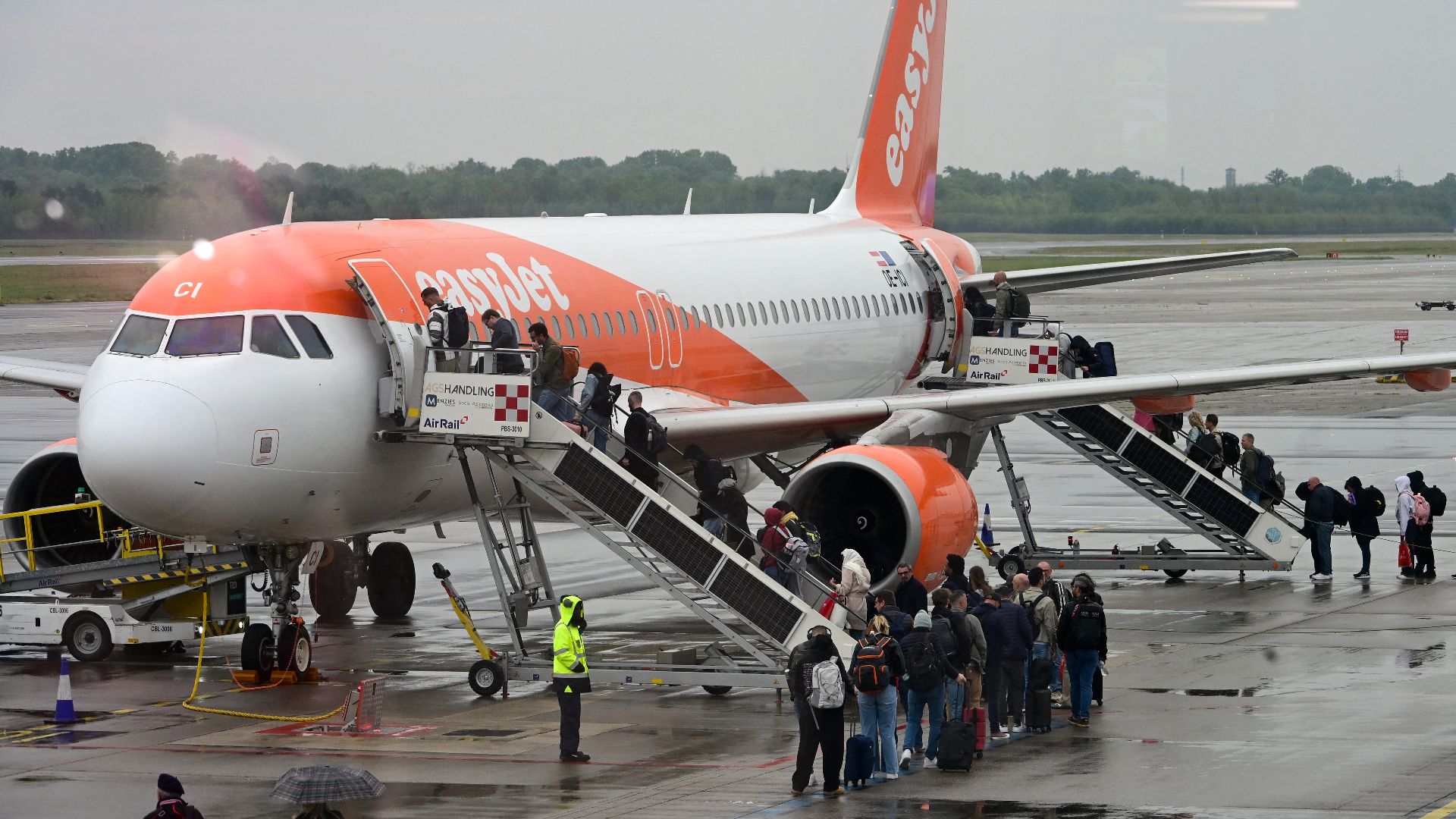
Australia is also beginning to feel the impact, as tanker flows through the Strait of Hormuz have slowed significantly in recent weeks, placing additional strain on fuel imports. Prime Minister Anthony Albanese acknowledged the growing uncertainty, stating that «we are monitoring the situation very closely and working with partners to ensure continuity of supply.» However, with reports of tightening availability and logistical delays, the situation underscores how rapidly the crisis is extending beyond its origin. The developments highlight the interconnected nature of global energy systems, where disruptions in one region can quickly cascade worldwide.
Created by humans, assisted by AI.
