

/https%3A%2F%2Fcdn-tor.buminteractif.com%2F2026%2F04%2F21150647%2Ftrump-vietnam-getyty34534.jpg)
In an weird and unhinged 30-minute phone interview with CNBC, one comment by Donald Trump quickly drew attention as he moved across a wide range of topics. While discussing foreign policy and attempting to justify and praise what he described as his own success in Iran, Trump claimed that he would have won the Vietnam War «very quickly» if he had been president at the time. The remark emerged as the conflict with Iran continues to evolve, with the war now stretching over several weeks and raising questions about its trajectory, its cost, and its broader geopolitical consequences. The statement immediately triggered reactions across political and military circles.
«I would have won Vietnam very quickly. I would have, if I were president.»
-U.S. President, Donald Trump
During the exchange, Trump sought to compare major historical conflicts to frame his argument about leadership and the duration of wars. «I just looked at a little chart. World War One: four years and three months. World War Two: six years. Korean War: Three years. Vietnam: 19 years. Iraq: eight years.» he told CNBC, presenting the figures as evidence of prolonged military engagements. He then turned to the current conflict involving Iran, emphasizing the timeline of his own military campaign by stating, «I'm five months.» The comparison came as the war continues without a clear resolution, despite repeated claims from the administration that progress is being made.
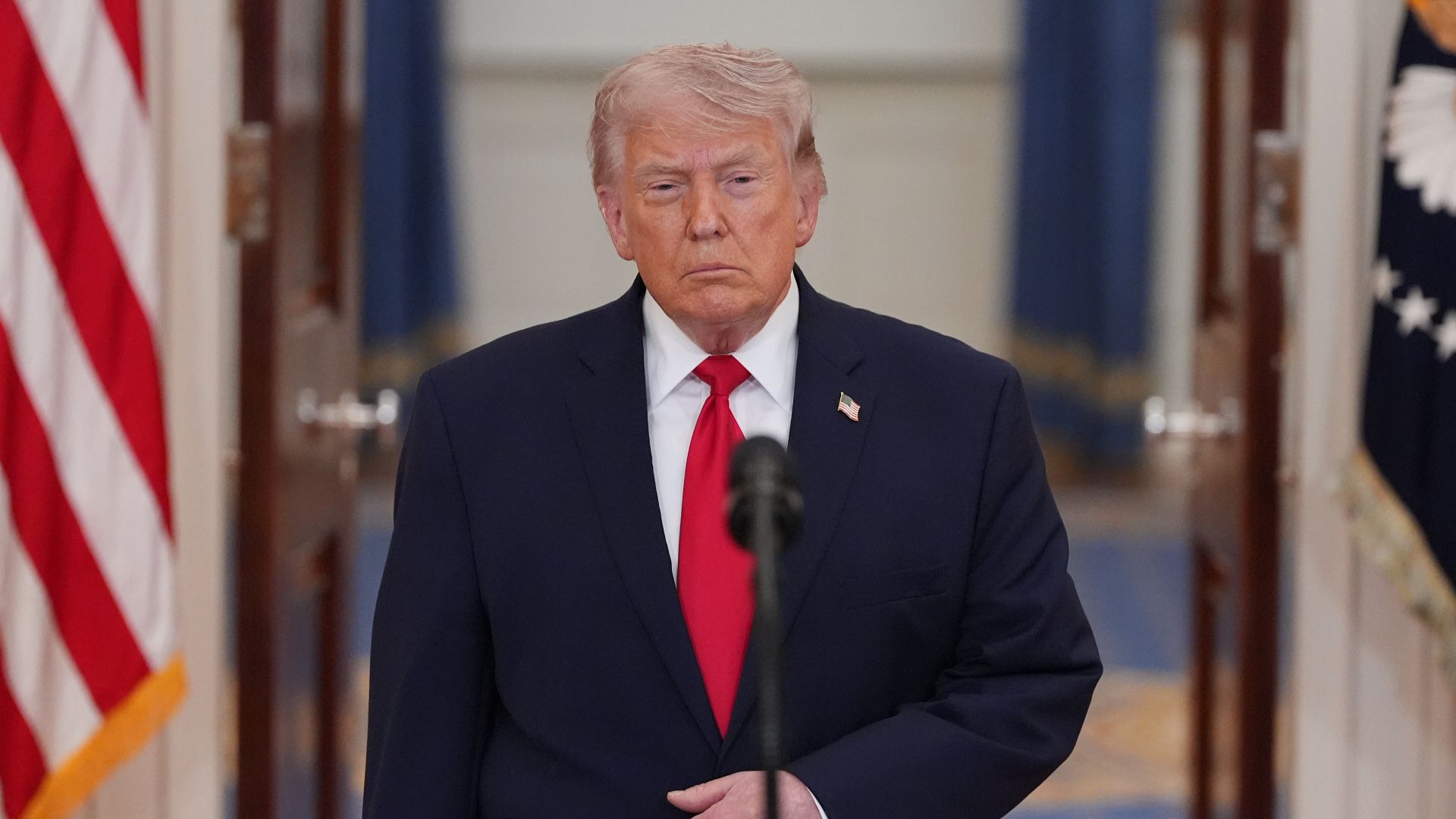
Trump then shifted directly to Vietnam, delivering the remark that would dominate the reaction to the interview. «I would have won Vietnam very quickly. I would have, if I were president.» he said. The Vietnam War remains one of the most complex conflicts in U.S. history, lasting nearly two decades and involving shifting political strategies, extensive military escalation, and widespread domestic opposition. More than 58,000 American service members were killed during the war, and the outcome has long been viewed as shaped by a combination of geopolitical constraints and strategic limitations rather than a single leadership decision.
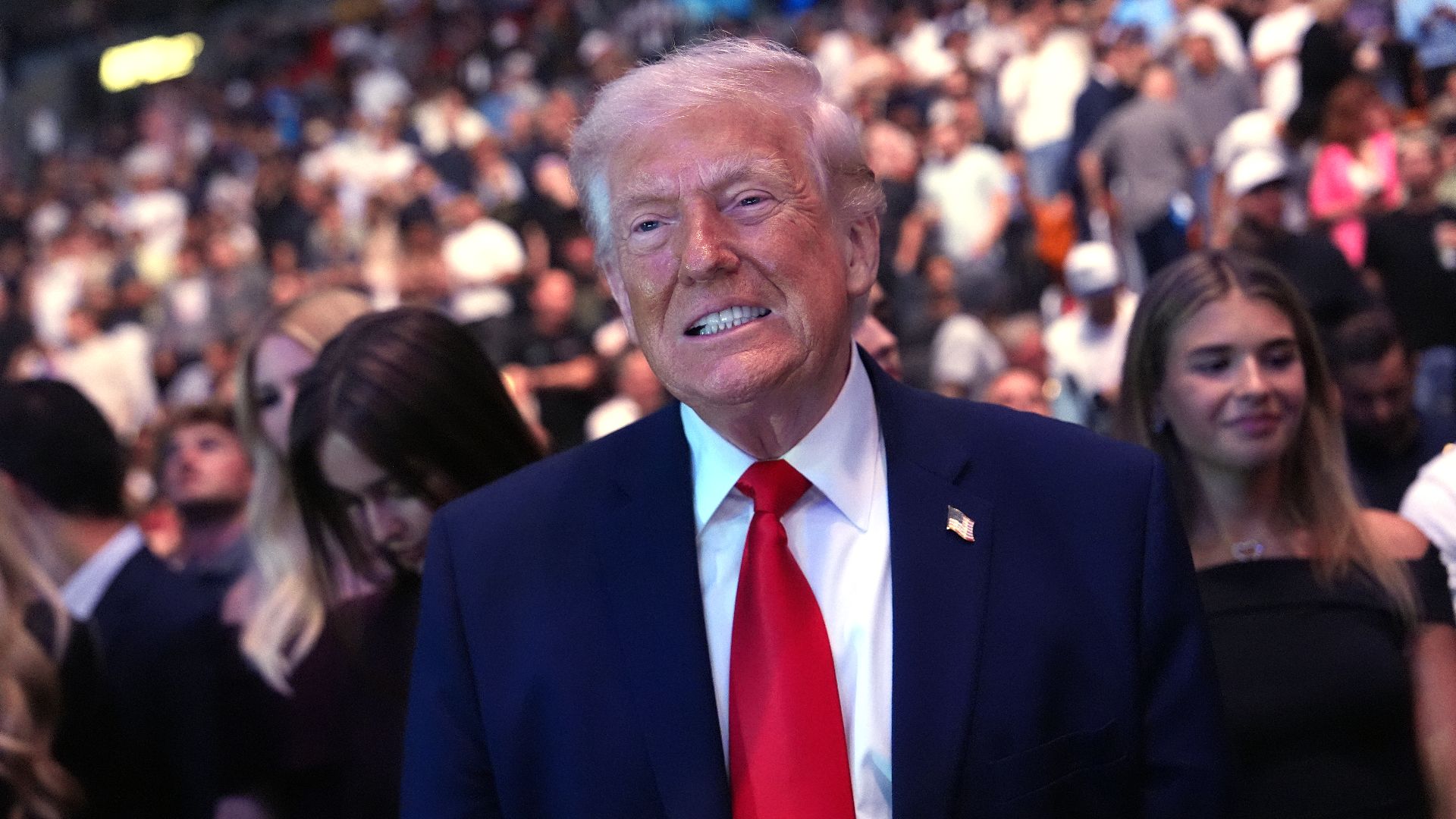
The comments quickly reignited scrutiny over Trump's own history during the Vietnam era, particularly his multiple draft deferments, including a diagnosis of «bone spurs» that has been widely questioned over the years. Critics and veterans have repeatedly pointed to that history when assessing Trump's statements about military service and wartime leadership. The reaction to his latest remarks was immediate, with many arguing that the comment minimized the complexity and human cost of the conflict, while others framed it as part of a broader pattern of rhetorical claims about past and present wars.
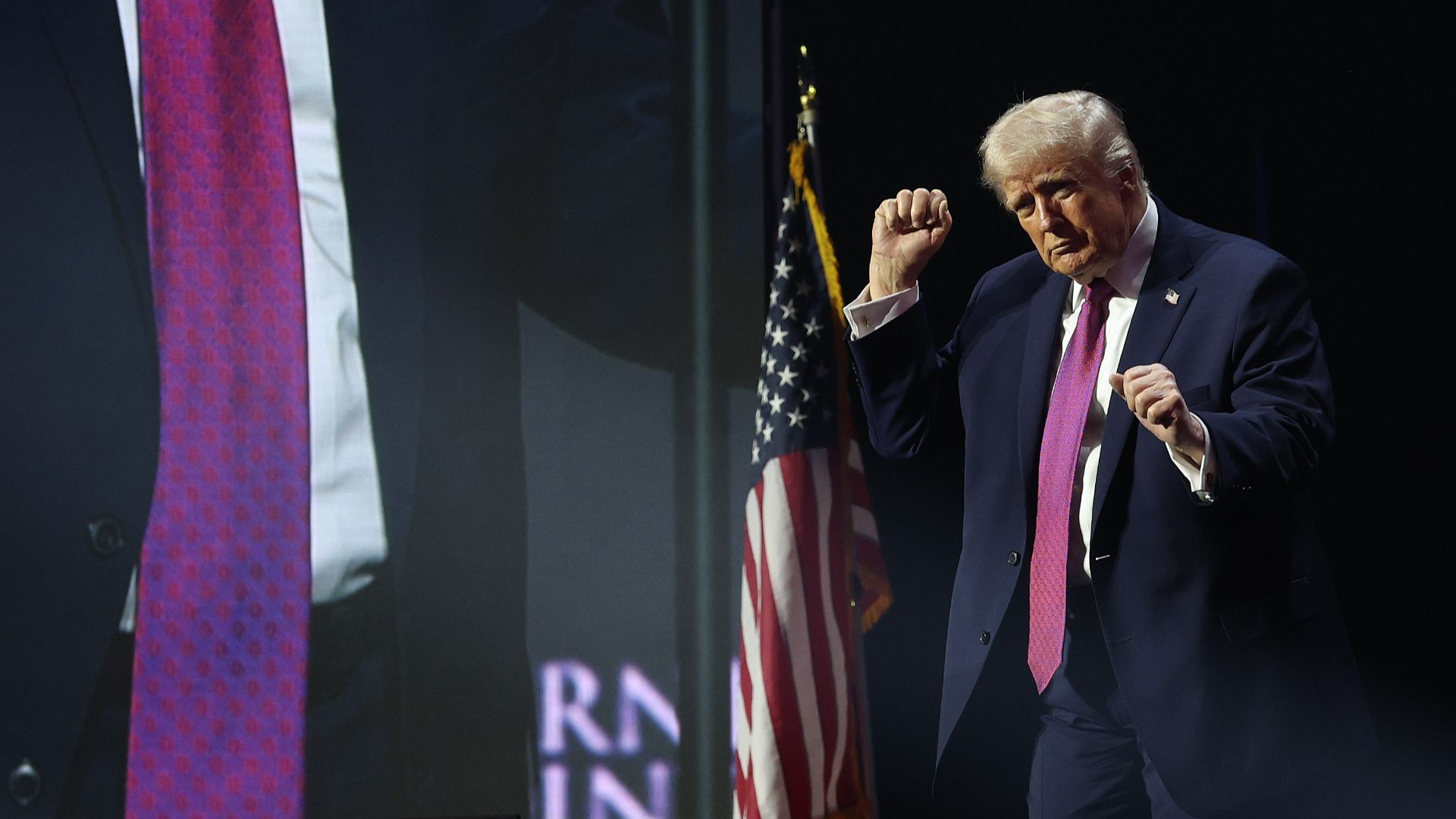
The interview also took place against the backdrop of ongoing developments in the Iran conflict, where efforts toward a ceasefire have struggled to produce lasting results. Negotiations have been described as fragile, with officials signaling that talks could resume again this week despite previous setbacks. Trump has repeatedly suggested that the war could be nearing an end, saying it was «very close to being over» in recent remarks, even as military operations and tensions in the region continue. The situation remains fluid, with uncertainty surrounding both diplomatic progress and military objectives.
«I just looked at a little chart. World War One: four years and three months. World War Two: six years. Korean War: Three years. Vietnam: 19 years. Iraq: eight years. I'm five months.»
-U.S. President, Donald Trump
At the center of the crisis is the Strait of Hormuz, a critical global shipping route that has faced repeated disruptions since the conflict began. The waterway has seen periods of closure and restriction, contributing to rising concerns about global energy supply and the potential for broader economic consequences. The war, which began in late February, has already impacted oil markets and raised fears of sustained instability if the situation continues without resolution. As discussions of a second round of peace talks emerge, the trajectory of the conflict remains uncertain, while Trump's remarks continue to fuel debate both domestically and internationally.
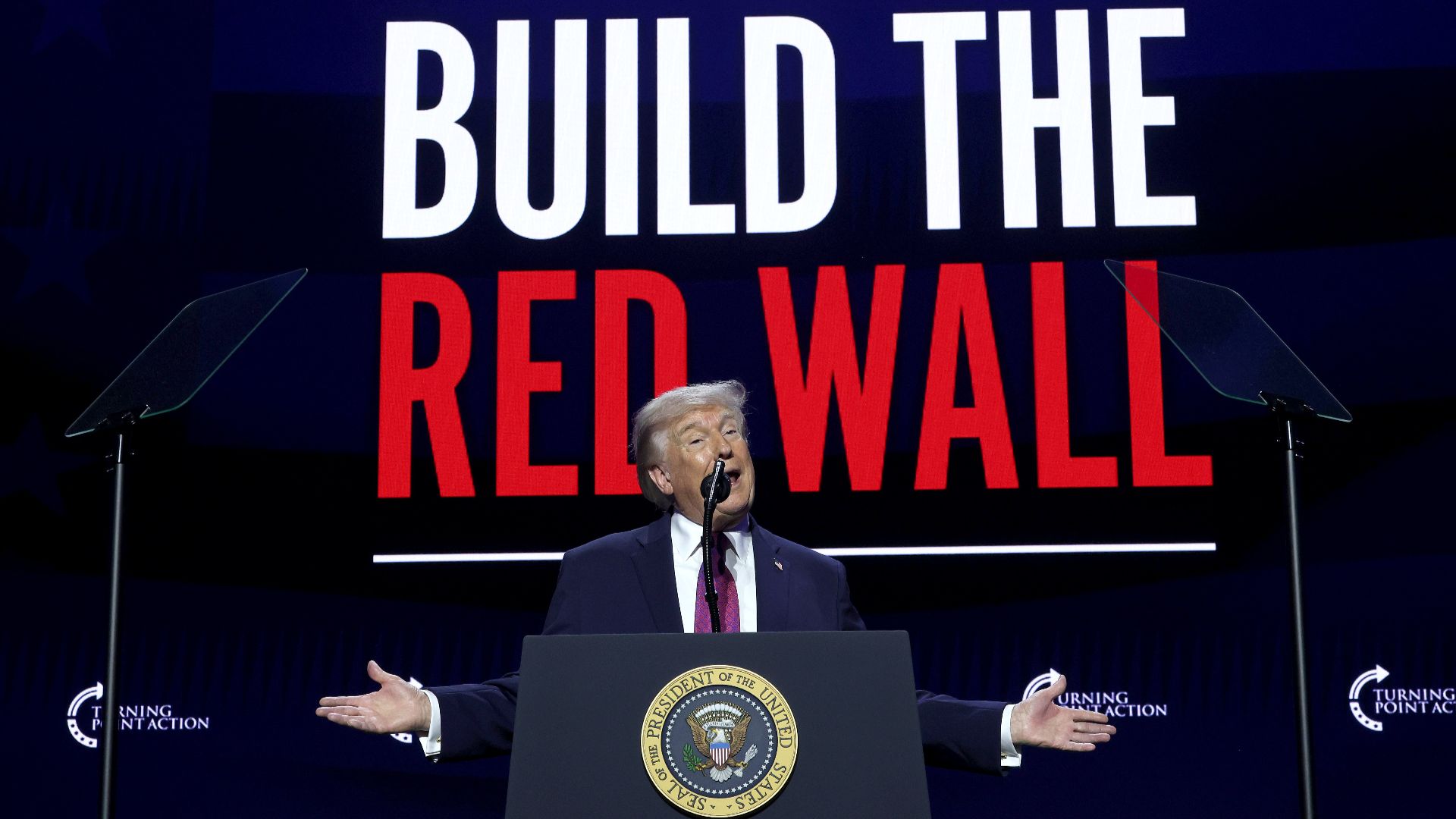
Created by humans, assisted by AI.
