

/https%3A%2F%2Fcdn-tor.buminteractif.com%2F2026%2F04%2F21190845%2Fcarney-trump-getty3456345edfg.jpg)
Mark Carney used a nationally released video message on April 19 to place Canada's relationship with the United States at the center of a wider argument about trade pressure, sovereignty and international instability. Speaking as Donald Trump continues to threaten Canada with tariffs and suggest the country should become a «51st state», Carney presented the moment as one that requires preparation rather than reassurance. He began by grounding his message in his own economic crisis experience, saying, «I know from experience that outside forces can sometimes seem overwhelming. In my previous jobs at the Bank of Canada and the Bank of England, part of my duties was to make regular public reports on what we were doing to manage the economy.
And I remember during the financial crisis, when there was a real risk of panic, I developed a practice called Forward Guidance. It was designed to assure people that, however difficult the situation seemed on any given day, that we were acting, and importantly, that we would continue to act with overwhelming force against our problems until they were solved. And that's the spirit I'm talking to you about today.» The address came as Canadian officials were once again confronting a U.S. administration willing to combine economic pressure with open political provocation.
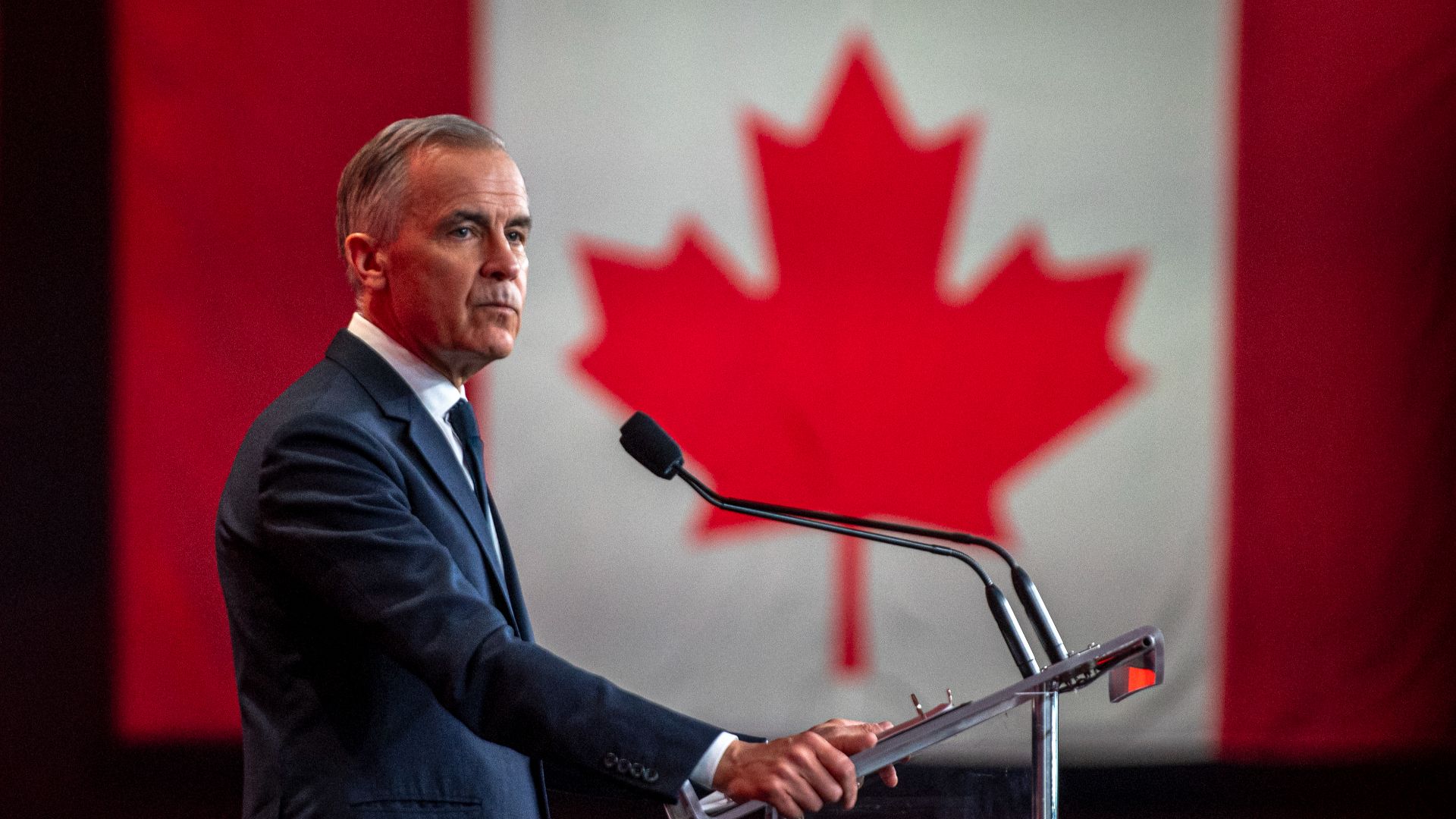
Carney's language quickly shifted from reassurance to warning, with the Canadian prime minister presenting the threats facing the country as real, immediate and impossible to soften for political comfort. «Security can't be achieved by ignoring the obvious or downplaying the very real threats that we Canadians face.» he said.
He then added, «I promise you, I will never sugarcoat our challenges. Instead, I will talk with you directly and regularly about our plan, why we're doing what we're doing, What's working, what isn't. And what we're going to do next.» Those lines landed as Washington's posture toward allies has hardened and as the broader international climate has become more volatile. At the same time, the crisis involving Iran has remained unresolved, with a fragile ceasefire under pressure, diplomatic efforts faltering and renewed uncertainty surrounding the Strait of Hormuz, a chokepoint with immediate implications for shipping, oil and the world economy. In Carney's framing, the pressures on Canada are not separate events but part of the same dangerous external environment.
«Many of our former strengths, based on our close ties to America, have become our weaknesses, weaknesses that we must correct.»
-Prime Minister of Canada, Mark Carney
From there, Carney made trade the clearest example of the shift in the bilateral relationship, casting U.S. policy not as a temporary dispute but as evidence of a deeper rupture. «So here's the current situation. The world, as I said earlier, is more dangerous and divided. The U.S. has fundamentally changed its approach to trade, raising its tariffs to levels last seen during the Great Depression.» he said.
He followed with the line that gave the speech its political core: «Many of our former strengths, based on our close ties to America, have become our weaknesses, weaknesses that we must correct.» The statement was aimed directly at a new American posture that has included tariffs on key Canadian sectors and repeated suggestions from Trump that Canada would be better off as part of the United States. Carney's remarks described a country no longer speaking about mutual dependence as a strength, but about exposure as a liability that now has to be reduced.
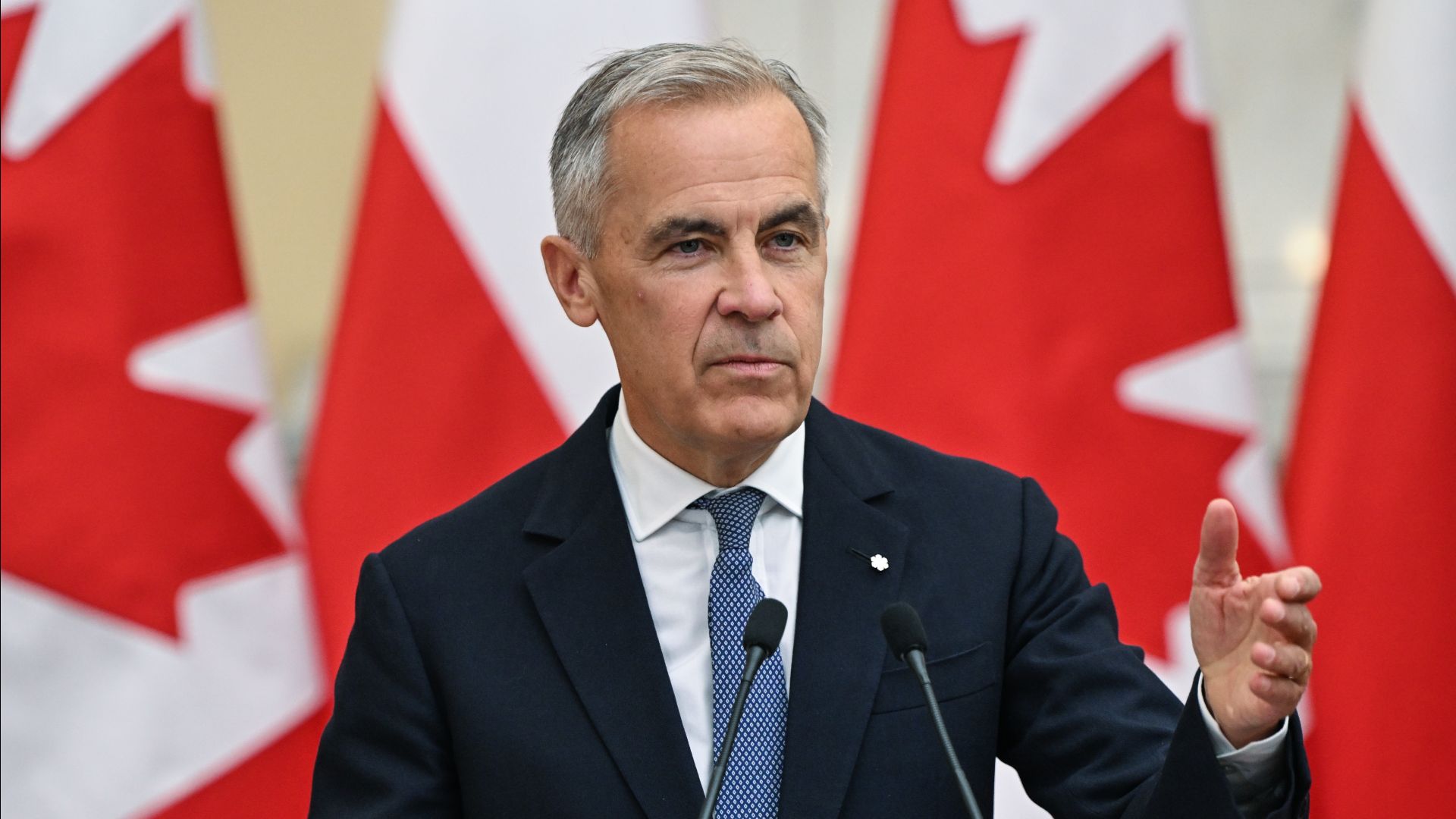
He then turned the consequences into something more concrete, tying Washington's actions to jobs, business hesitation and the mood inside the Canadian economy. «Workers in our industries most affected by U.S. tariffs in autos, steel and lumber are under threat.» Carney said. «Businesses are holding back investments restrained by the pall of uncertainty that's hanging over all of us.» He reduced the broader point to a blunt diagnosis with another short line: «The U.S. has changed and we must respond.» The speech was delivered as Ottawa continued to prepare for difficult trade discussions and as Canadian leaders weighed how to respond to repeated economic pressure from the White House. Carney's choice of words placed the stress not only on tariffs already affecting autos, steel and lumber, but on the idea that uncertainty itself has become part of the damage. In that telling, the harm is already visible before any final settlement is reached, because companies, workers and governments are being pushed to plan around a less reliable neighbor.
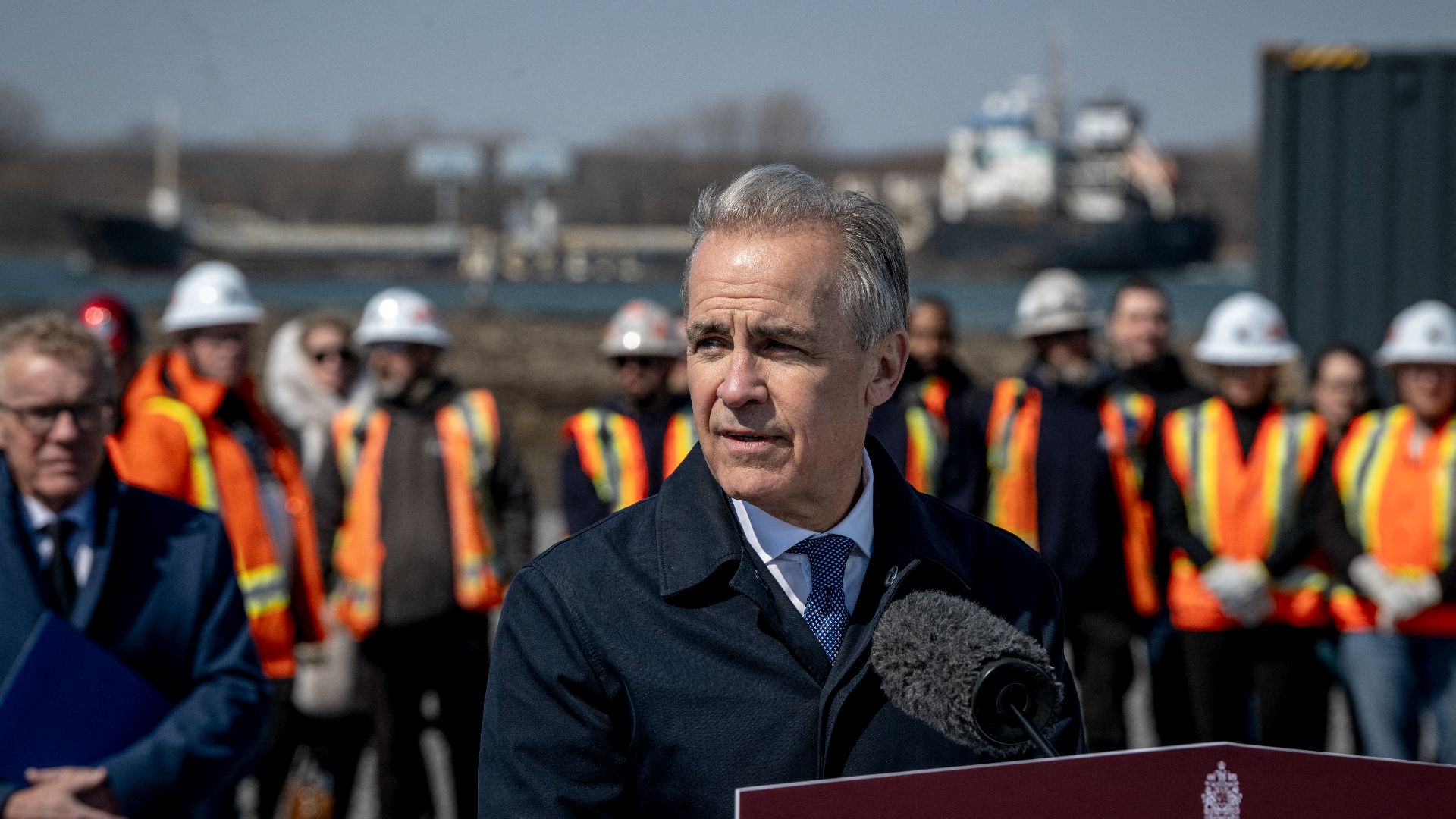
The answer Carney offered was a program of economic redirection built around domestic production, new markets and a firmer language of control. «Canada Strong is our plan to build Canada by Canadians, for Canadians. We will attract new investment so we can build more for ourselves. Striking new partnerships abroad so we can sell into new markets.» he said. He then added, «It's about taking back control of our security, our borders and our future.» Carney also used the speech to reject the idea that Canada should simply wait for the political climate in Washington to change, saying, «There are some who say there's no need for a comprehensive plan. They believe we should wait it out in the hope that the United States will return to normal. That the good old days will come back. But hope isn't the plan and nostalgia is not the strategy.» Those lines turned the address into a clear argument against passivity, with Carney presenting diversification not as a long-term preference but as an urgent response to American pressure.
«There are some who say there's no need for a comprehensive plan. They believe we should wait it out in the hope that the United States will return to normal. That the good old days will come back. But hope isn't the plan and nostalgia is not the strategy.»
-Prime Minister of Canada, Mark Carney
In the closing part of this section of his remarks, Carney widened the scope again, placing the current confrontation with Washington inside a longer sequence of shocks that he said has shaped an entire generation of Canadians. «And the days that young Canadians have known all their lives haven't been that good. Their lifetimes have been marked by a series of shocks and crises abroad. The Iraq war, the global financial crisis, Covid and now this.» he said. He continued, «We have to take care of ourselves because we can't rely on one foreign partner. We can't control the disruption coming from our neighbors. We can't bet our future on the hope that it will suddenly stop. But we can control what happens here. We can build a stronger country that withstand disruptions abroad. That creates good jobs here at home. That's a leader in this new world with a vast network of reliable allies.» Carney paired that message with a promise to catalyze massive investment and invoked Isaac Brock and the War of 1812, giving the speech the tone of a sovereignty appeal as much as an economic one. Against Trump's tariff threats, Iran-related instability and his suggestion that Canada should become a «51st state», the address was built as a call for Canada to detach its future from American unpredictability.
Created by humans, assisted by AI.
