

/https%3A%2F%2Fcdn-tor.buminteractif.com%2F2026%2F05%2F04142807%2Fhantavirus-who-cruiseship-getty435345gdg.jpg)
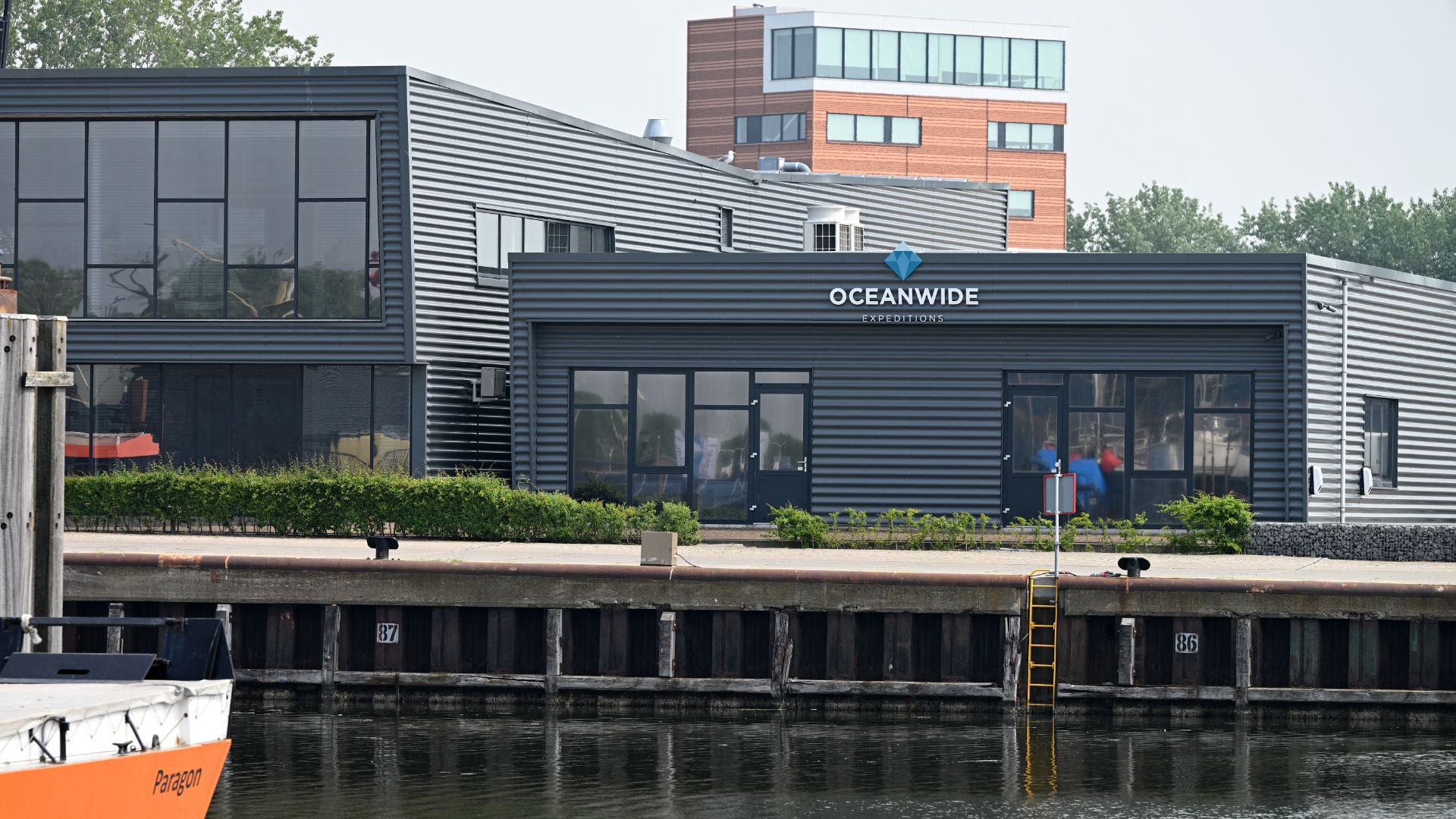
Three dead and one in critical condition is in intensive care in a suspected rare rodent-linked hantavirus outbreak aboard the MV Hondius, a cruise ship operated by Oceanwide Expeditions that was sailing on the Atlantic Ocean, according to the World Health Organization. The vessel is currently docked in Cape Verde as at least two crew members, who remain on board, are experiencing symptoms consistent with the virus. Authorities have not yet authorized passengers to disembark as containment protocols remain in place. The outbreak has raised immediate concern among international health agencies monitoring the situation closely.
The World Health Organization confirmed that one of the three deaths has been officially linked to hantavirus, while investigations continue into the other fatalities. The victims include one German national and a Dutch couple, according to preliminary reports. A British citizen tested positive for hantavirus after being transported to a hospital in South Africa for specialized care. Health officials are continuing to trace contacts and assess possible exposure risks among the approximately 150 passengers and 60 crew members currently confined to the ship under strict monitoring conditions.
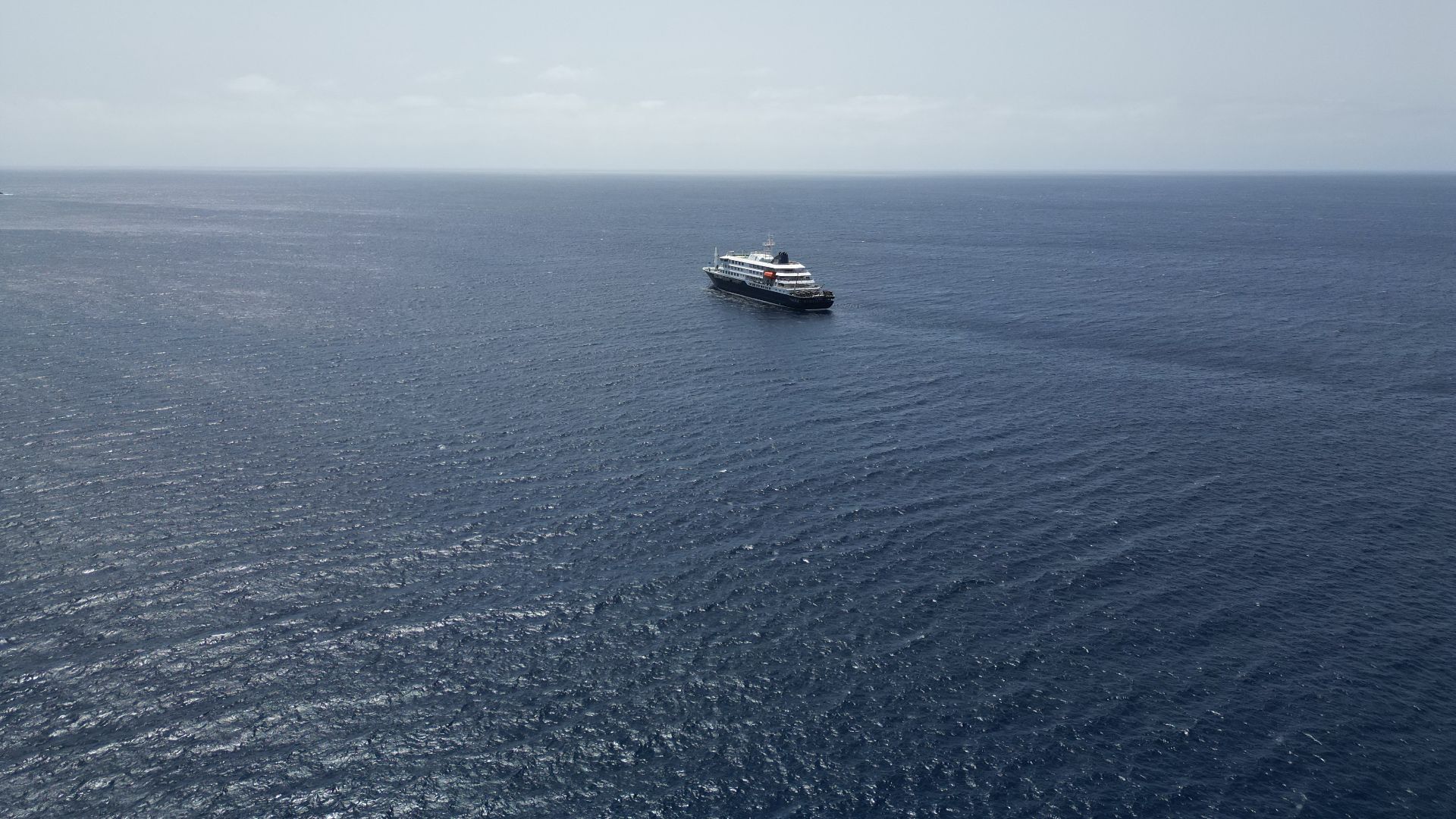
The MV Hondius had departed from Argentina roughly three weeks ago and was en route to the Canary Islands, located off the coast of northwestern Africa, when the first suspected cases began to emerge. Passengers reported early symptoms resembling flu-like illness, prompting onboard medical evaluations and eventual intervention by international health authorities. The WHO has previously stated that «Hantavirus infections are caused by contact with rodent excreta, particularly in enclosed or poorly ventilated spaces», emphasizing the environmental conditions that can facilitate transmission.
Hantavirus remains a rare but potentially fatal disease, typically contracted through inhalation of airborne particles contaminated by dried rodent urine, droppings, or saliva. Early symptoms include fever, chills, muscle aches, and headaches, which can rapidly progress to severe respiratory distress. In more serious cases, the infection can lead to hantavirus pulmonary syndrome, a life-threatening condition. According to the U.S. Centers for Disease Control and Prevention, «Hantavirus pulmonary syndrome has a mortality rate of approximately 38 percent in the United States».
«Hantavirus pulmonary syndrome has a mortality rate of approximately 38 percent in the United States.»
– U.S. Centers for Disease Control and Prevention
The current situation has revived memories of previous outbreaks aboard cruise ships, where confined environments and shared facilities can accelerate the spread of infectious diseases. The global public first became widely aware of such risks during the COVID-19 pandemic, when cruise vessels were among the earliest sites of large-scale outbreaks. More recently, in 2025, a norovirus outbreak affected more than 230 individuals on another cruise ship, highlighting ongoing vulnerabilities in maritime health safety protocols despite enhanced preventive measures.
As the Hondius remains docked, authorities in Cape Verde and international health organizations are coordinating efforts to manage the situation and prevent further transmission. Testing, isolation, and sanitation procedures are ongoing, while passengers remain on board awaiting authorization to disembark. The situation continues to evolve as medical teams work to stabilize affected individuals and determine the full scope of the outbreak, with health officials closely monitoring all suspected and confirmed cases.
Created by humans, assisted by AI.
