/https%3A%2F%2Fcdn-tor.buminteractif.com%2F2026%2F05%2F05172111%2FGettyImages-2221062605-2.jpg)
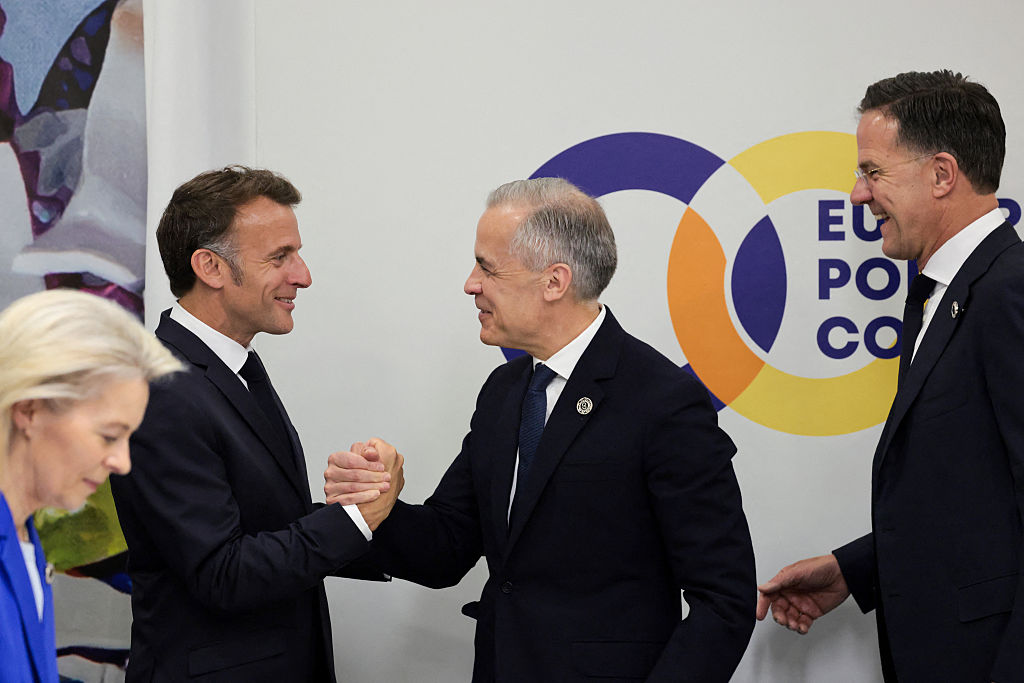
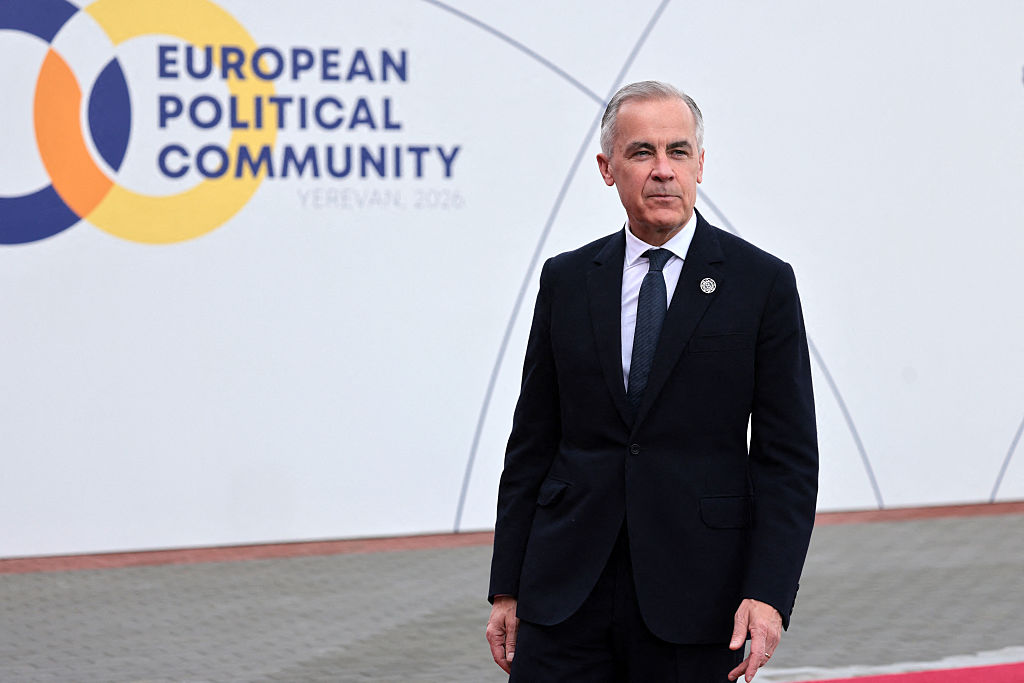
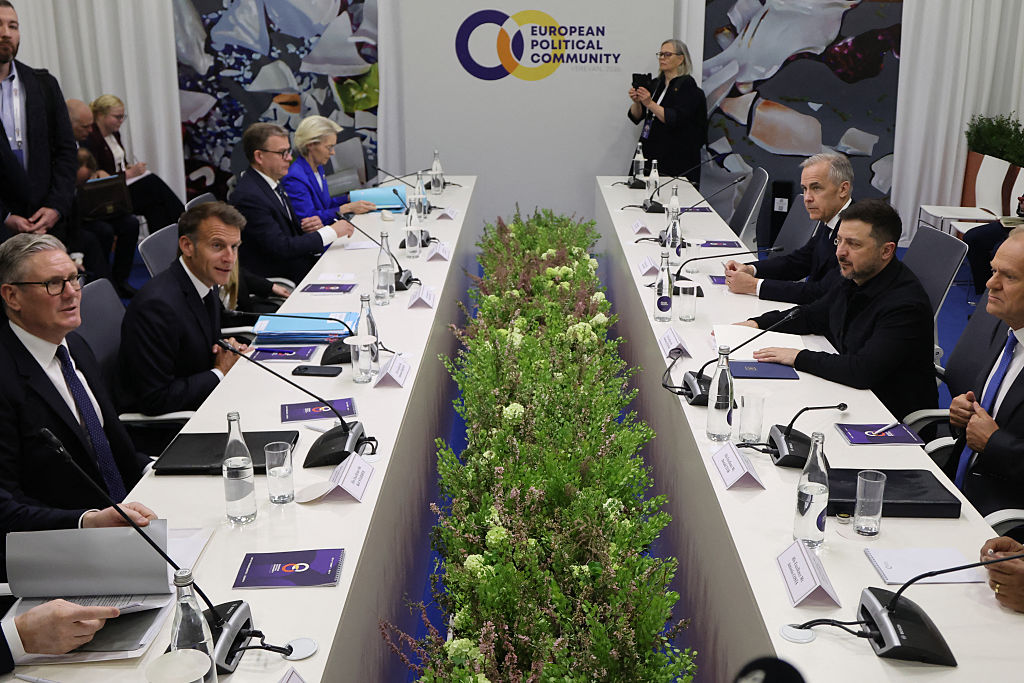
Canadian Prime Minister Mark Carney attended the European Political Community (EPC) summit in Armenia from Saturday to Monday. For some, this visit has reignited the idea that Canada could strengthen its cooperation with the European Union (EU) by joining the bloc.
Canada is the first non-European country to participate in this meeting. Created in the wake of the Russian invasion of Ukraine in 2022, the ECP is dedicated to strategic cooperation in the areas of politics, security, and infrastructure.
In recent months, the idea that Canada could become a member of the EU has been circulating in the media. It has also been mentioned by European politicians, sometimes in jest. But could there be a grain of truth to these comments?
“It's time to expand the European Union (EU). Soon, Iceland and perhaps Canada,” French Foreign Minister Jean-Noël Barrot remarked at a conference in Berlin last March. His German counterpart, Johann Wadephul, responded at the same event that he was “open to Canada,” to laughter and applause from the crowd.
Adding to this was a comment by Finnish President Alexander Stubb during his visit to Ottawa in April. “I consider Canada an honorary member of the EU,” the head of state stated.
Why invite a country from across the Atlantic to the CPE?
“Canada largely shares the same vision as Europe when it comes to geopolitics and security,” replied a senior EU official in Brussels, according to Radio-Canada. According to the official, the invitation was motivated in part by Mark Carney's speech in Davos.
Louis Hanmann, former director of communications for the Minister of Foreign Affairs, echoed this sentiment on Sunday on LCN, adding that, “for Mark Carney, it's clear that this is part of the approach he began at the start of his term last year, in this strategic rapprochement with the Europeans.”
Is Canada considering applying for formal membership?
Foreign Minister Anita Anand rejects the idea outright: “That is not the goal. Our approach is to diversify our economy and use our diplomacy to advance the protection and security of our country,” she told reporters on Wednesday.
“Bound by a shared history and common values, Canada and European countries are natural partners. By strengthening our collaboration, we can create greater stability, security, and prosperity for all,” the Prime Minister's Office stated in a press release on Monday.
Since taking office, the Prime Minister has visited 11 European countries and has also helped strengthen ties with the EU, notably through the signing of the Security and Defense Partnership. Ottawa is also expanding agreements in the energy, critical minerals, and digital sectors, reports Radio-Canada.
Added to this is the Canada-European Union Comprehensive Economic and Trade Agreement (CETA). Signed in 2016 and entered into force in 2017, this agreement eliminates 99% of tariffs between the two entities. However, it applies on a provisional basis, as about ten EU countries have yet to ratify it.
In light of the U.S. withdrawal from Ukraine and the war in the Middle East, it appears that Europe is now seeking reliable partners. Compounding this are the tariff hikes decided by U.S. President Donald Trump. Just last Friday, he announced that he would raise tariffs on cars and trucks from the European Union to 25% this week.
What does it take to be an EU member?
In addition to being a European country, a nation must comply with EU rules—such as its standards on agriculture, the environment, and labor—and obtain the consent of all 27 member states, which must approve the application unanimously. In some cases, this approval also requires the consent of the population, typically through a referendum.
Even today, some countries are still waiting to join the EU, including Ukraine, Turkey, Bosnia and Herzegovina, Serbia, and Georgia.