Tesla’s 36% April Surge Comes From China Deliveries While Musk Stays Out of the Spotlight


/https%3A%2F%2Fcdn-tor.buminteractif.com%2F2026%2F05%2F07145640%2Ftesla-musk-chinag-etty3453gfsdf.jpg)
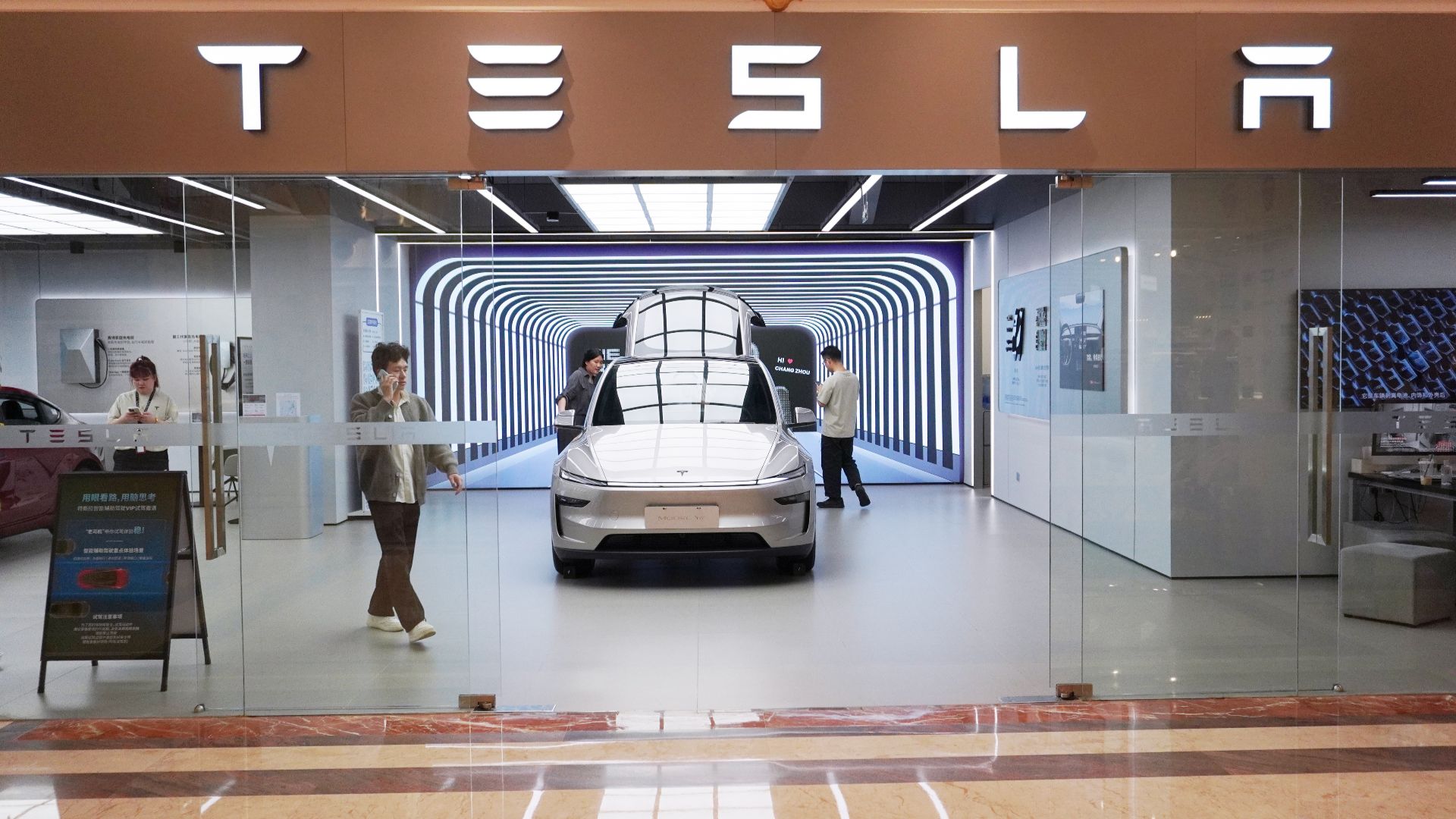
Tesla recorded one of its strongest monthly performances of 2026 in April as wholesale sales from China, including exports, climbed 36% year over year to 79,478 vehicles, according to data released by the China Passenger Car Association. The increase marked the automaker's strongest monthly gain in six months and offered investors a rare positive signal after a difficult start to the year. The rebound, however, was largely tied to higher production and export activity from Tesla's Shanghai factory rather than a broad recovery in global demand for the company's vehicles. The numbers arrived while CEO Elon Musk continued to maintain a lower public profile after months of political controversy tied to his involvement with Donald Trump's administration and the Department of Government Efficiency, known as DOGE. Tesla shares moved higher following the report as investors reacted positively to signs that the company's Chinese operations may be stabilizing despite persistent pressure in other markets.
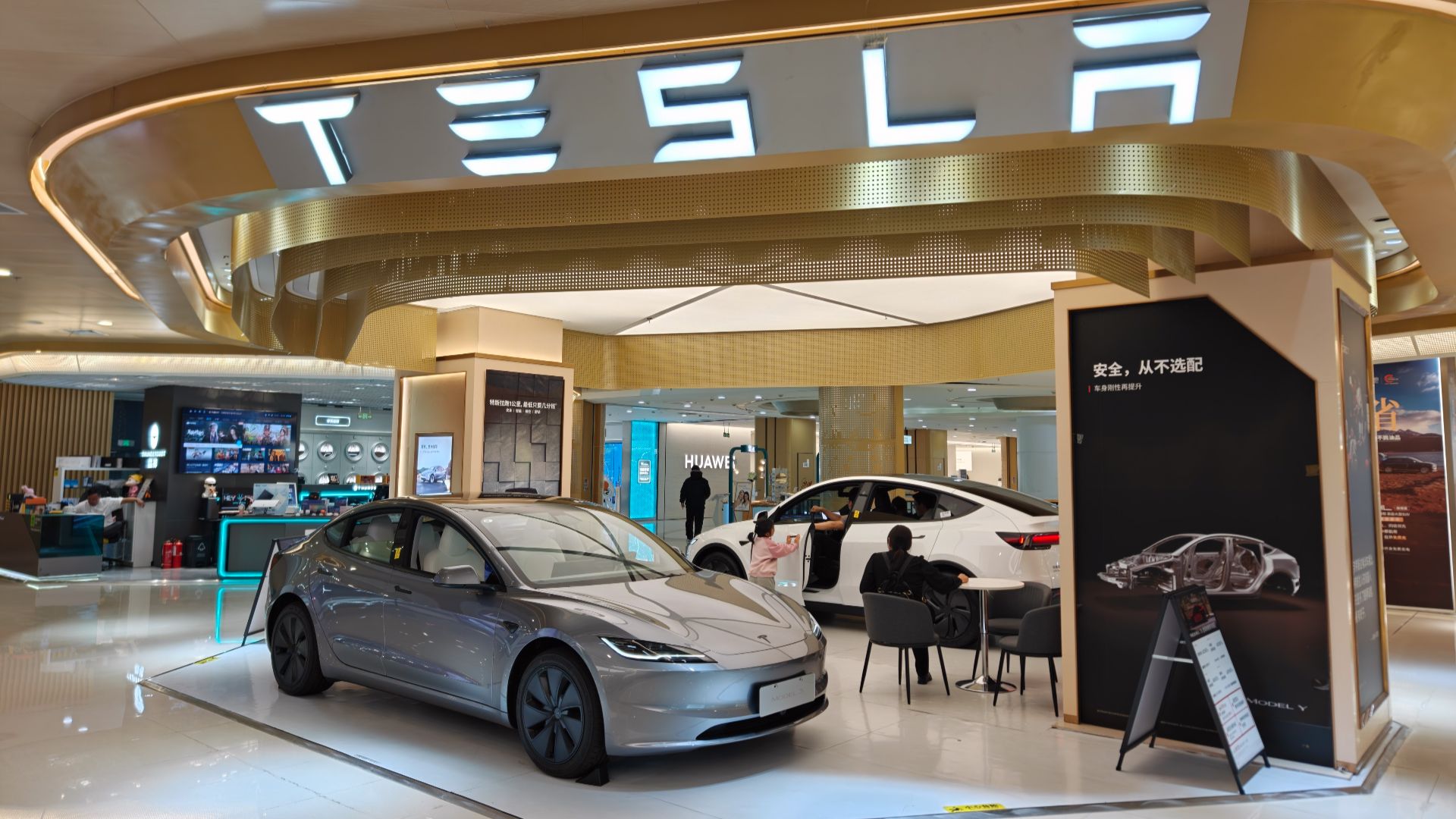
The latest sales figures reinforced the growing importance of Tesla's Shanghai factory to the company's global operations. The facility serves not only the Chinese market but also functions as one of Tesla's main export hubs for Europe and several Asian countries. Industry analysts noted that the wholesale figures reflected all vehicles leaving the factory, including exports, rather than only cars purchased by Chinese consumers domestically. That distinction remains important because Tesla's retail demand inside China has shown signs of slowing in recent quarters despite stronger export activity. Several analysts believe the April increase reflects improved logistics and export deliveries more than a dramatic turnaround in local demand. Tesla has increasingly relied on Shanghai's efficiency and scale to offset weaker performances in other regions where competition, pricing pressure and shifting consumer sentiment have complicated growth expectations for the automaker.
«There's been some blowback for the time that I've been spending in government.»
– CEO of Tesla, Elon Musk
Tesla's position inside China has also become significantly more challenging as domestic electric vehicle manufacturers rapidly expand their market presence. Companies including BYD, XPeng, Nio, Li Auto and Xiaomi have introduced a steady flow of newer electric vehicles featuring advanced software systems, aggressive pricing and modern interior technology designed to compete directly with Tesla's lineup. Analysts have increasingly pointed out that Tesla's current vehicle portfolio is beginning to age compared with the pace of innovation seen among Chinese competitors. Several market observers now believe Tesla no longer holds the dominant technological advantage it once enjoyed in the EV sector. The growing diversity of available electric vehicles in China has intensified pressure on Tesla's pricing strategy while also reducing the exclusivity that previously surrounded the brand. Even with April's rebound, Tesla continues operating in one of the most competitive EV environments in the world as Chinese automakers aggressively pursue both domestic and international expansion.
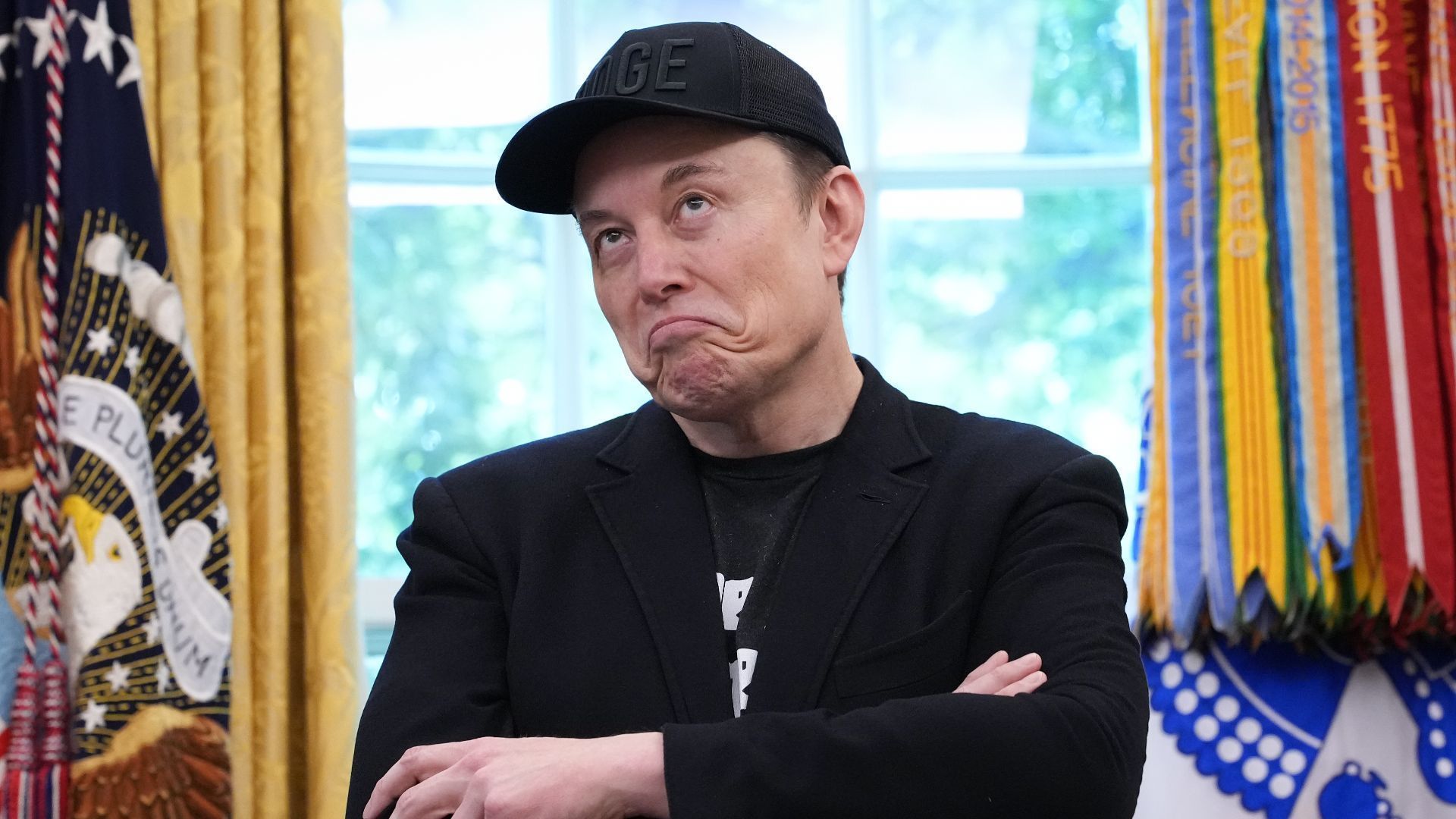
At the same time, Elon Musk's political involvement has increasingly become part of the broader conversation surrounding Tesla's brand image and slowing global momentum. Over the past year, Musk placed himself at the center of multiple political controversies after aligning closely with Donald Trump and taking a visible advisory role connected to DOGE initiatives focused on government spending cuts and deregulation. His political commentary on X, public disputes with lawmakers and increasingly partisan public appearances generated backlash among some consumers and investors who previously associated Tesla primarily with innovation and environmental technology. Protests outside Tesla stores, boycott campaigns and declining brand perception surveys emerged in several Western markets during the first months of 2026. During Tesla's earnings call, Musk acknowledged the controversy surrounding his government involvement, stating: «There's been some blowback for the time that I've been spending in government.» He later defended his participation by saying: «I think the work that we're doing there is actually very important for trying to rein in the insane deficit that is leading our country, the United States, to destruction.» Since then, Musk has noticeably reduced his public political activity while shifting investor attention back toward Tesla's technology ambitions.
Tesla's recent stock recovery has also reflected a broader shift in how many investors now view the company. Rather than focusing exclusively on vehicle deliveries, many shareholders increasingly see Tesla as an artificial intelligence and robotics business centered around autonomous driving systems, robotaxis and the Optimus humanoid robot program. Investor enthusiasm surrounding Tesla's AI development strategy has helped support the company's market value despite slower automotive growth. Musk himself has repeatedly attempted to reposition Tesla beyond the traditional automotive sector. During previous public presentations, he stated: «Tesla should be thought of as an AI robotics company.» That narrative has become increasingly important as Tesla works to maintain investor confidence while facing weaker vehicle demand in several global markets. Analysts believe much of Tesla's long-term valuation now depends on whether the company can successfully commercialize autonomous driving technology and AI-based services rather than relying solely on electric vehicle sales growth.
«Tesla should be thought of as an AI robotics company.»
– CEO of Tesla, Elon Musk
Despite April's encouraging numbers, Tesla still faces major uncertainty heading into the remainder of 2026. The company remains under pressure in Europe where sales weakened earlier this year, while Chinese competitors continue gaining market share at an aggressive pace across the global EV industry. Analysts have also warned that Tesla's increasing reliance on discounts, financing incentives and exports may not represent a sustainable long-term strategy if worldwide demand continues softening. Even so, the latest China data provided investors with temporary reassurance after several difficult months marked by slowing deliveries, political controversy and growing concerns about the company's future positioning within the EV market. The rebound also arrived during a period of relative silence from Musk, whose political visibility had increasingly overshadowed Tesla's operations and financial performance. Whether the company can transform this China-driven rebound into a broader global recovery remains one of the central questions facing Tesla as competition intensifies throughout the electric vehicle industry.
Created by humans, assisted by AI.
