

/https%3A%2F%2Fcdn-tor.buminteractif.com%2F2026%2F05%2F07171306%2Fwehfsdfgetty45634.jpg)
The U.S. Food and Drug Administration has recently blocked the publication of several major studies examining the safety of vaccines against COVID-19 and shingles, despite research involving medical data from millions of vaccinated patients. According to information confirmed by a spokesman for the Department of Health and Human Services, multiple studies were halted before publication during the past several months. In October, scientists were reportedly directed to withdraw two COVID-19 vaccine studies that had already been accepted by medical journals. In February, senior FDA officials also declined to authorize the submission of abstracts tied to studies involving Shingrix, the widely used shingles vaccine, for presentation at a major international drug safety conference. The developments have intensified concerns among public health experts who argue the federal government is increasingly restricting scientific findings that reinforce vaccine safety at a time when vaccine skepticism continues to reshape U.S. health policy under the second Trump administration.
Federal officials defended the decisions by arguing the studies did not meet the agency's scientific standards. A spokesman for the Department of Health and Human Services explained that «The studies were withdrawn because the authors drew broad conclusions that were not supported by the underlying data.» The spokesman added that «The F.D.A. acted to protect the integrity of its scientific process and ensure that any work associated with the agency meets its high standards.» Regarding the blocked Shingrix safety study, the spokesman also stated that «The design of that study fell outside the agency's purview.» The agency's response has nevertheless fueled criticism from scientists and former FDA officials who believe the suppressed research could have provided additional reassurance regarding the safety profile of vaccines that have already been administered to millions of Americans. The controversy has also emerged as public confidence in federal health institutions remains fragile following years of political conflict surrounding vaccines and pandemic policy.
«There is a pattern here for not letting information out that might support the general safety of vaccines.»
-Former FDA principal deputy commissioner, Janet Woodcock
One of the studies reportedly blocked by the FDA examined the medical records of approximately 7.5 million Medicare recipients over the age of 65 to evaluate the safety of COVID-19 vaccines among older adults. According to reporting about the unpublished findings, researchers concluded that the vaccines were broadly safe for elderly Americans and identified only one major concerning outcome: anaphylaxis, a rare but severe allergic reaction. The study reportedly estimated that anaphylaxis occurred in roughly one out of every one million Pfizer vaccine recipients. The findings would have added to years of existing scientific evidence showing that severe adverse reactions tied directly to COVID-19 vaccines remain uncommon compared with the risks associated with serious coronavirus infections, particularly among older populations. Public health experts have repeatedly emphasized that elderly individuals remain among the most vulnerable groups for hospitalization and death from COVID-19 complications, making vaccine access and confidence especially important for that demographic.
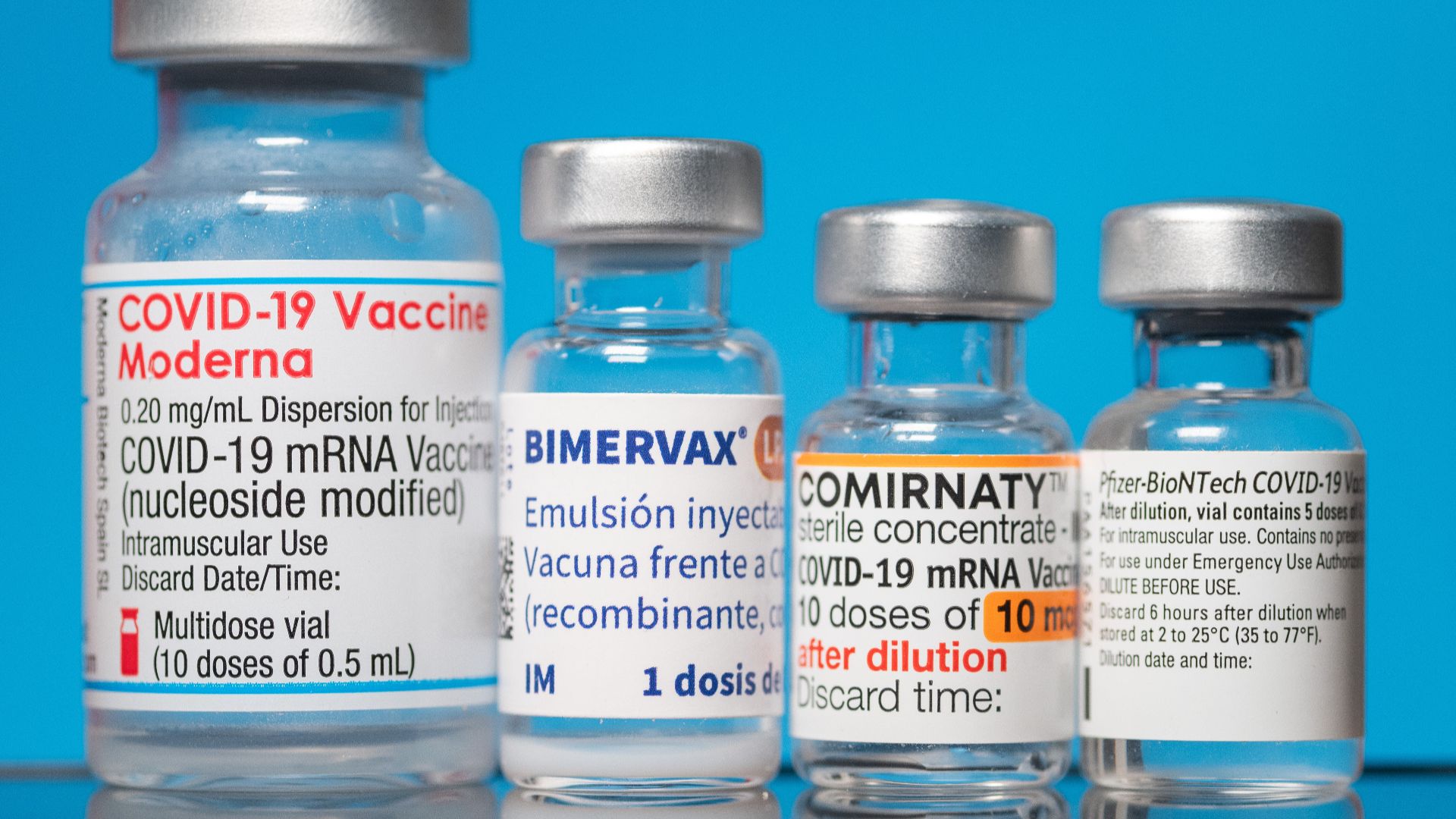
The decision to halt publication of the studies triggered concern among former FDA leaders and outside scientists who argued the situation reflects a broader shift inside federal health agencies. Janet Woodcock, the former FDA principal deputy commissioner, criticized the move while discussing the controversy publicly. According to Woodcock, «there is a pattern here» involving efforts «for not letting information out that might support the general safety of vaccines.» She also questioned the explanations being offered for the blocked publications, arguing the decisions appeared to be justified «with methodological rationales given by non-scientist spokespersons.» Her comments reflected growing unease among some current and former health officials who fear scientific communication is becoming increasingly politicized under the current administration. Several researchers have also privately expressed concern that scientists working within federal agencies may become reluctant to pursue vaccine-related studies if they believe publication could later be blocked for political or ideological reasons rather than scientific shortcomings.
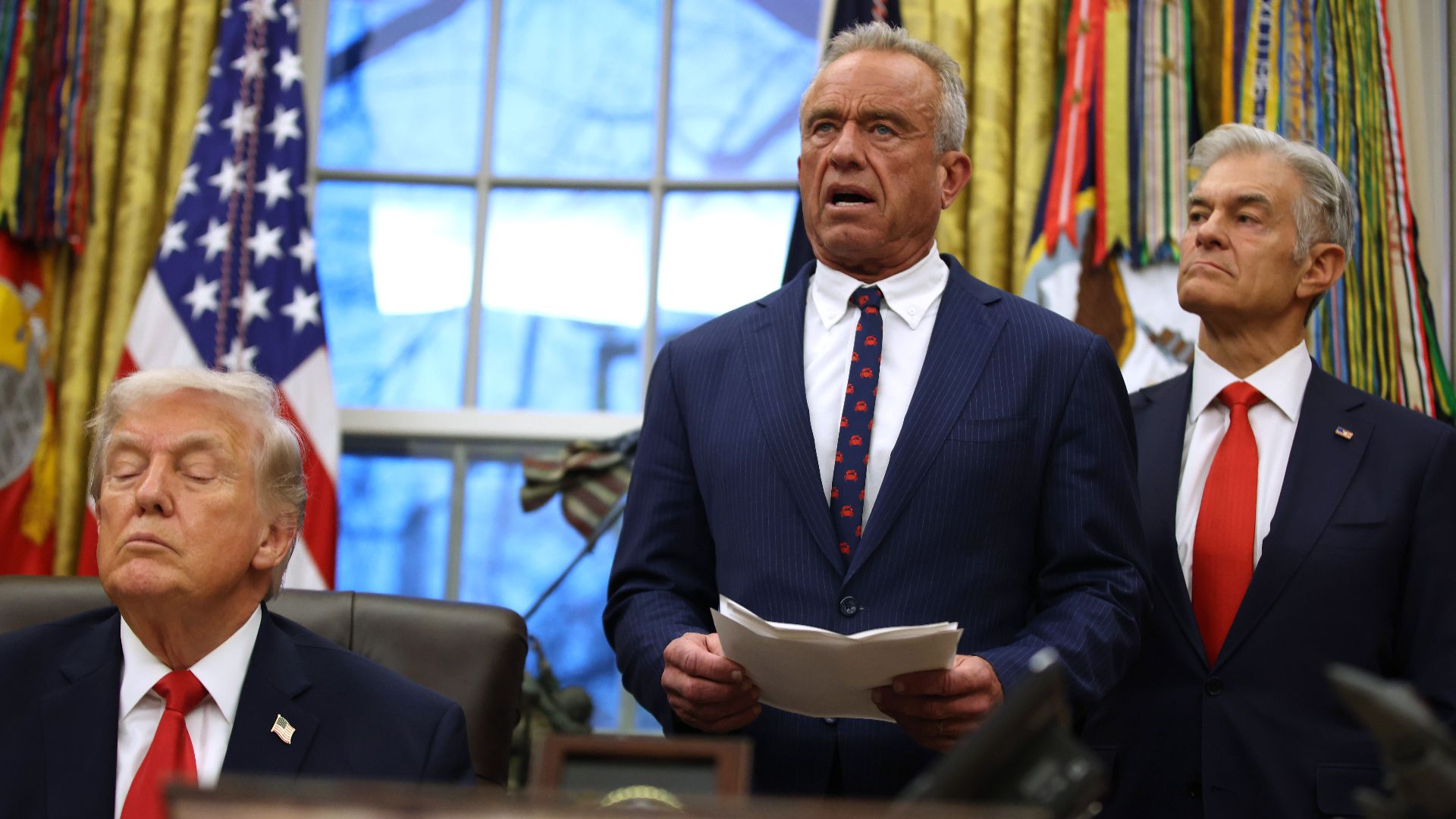
The controversy has unfolded during a major transformation of U.S. health policy under Health and Human Services Secretary Robert F. Kennedy Jr., whose leadership has been defined by skepticism toward portions of the nation's vaccination framework. Since the beginning of the second Trump administration, Kennedy has removed the entire federal vaccine advisory committee and replaced multiple members with figures known for criticizing current immunization policies. Earlier this year, the Centers for Disease Control and Prevention revised the childhood vaccination schedule by shifting recommendations for influenza, COVID-19 and Hepatitis B vaccines toward a “shared clinical decision-making” model instead of maintaining broad universal recommendations. FDA Commissioner Marty Makary also moved to restrict updated COVID-19 booster approvals primarily to high-risk groups. Critics of the administration argue those decisions collectively represent one of the largest federal pullbacks in vaccine policy and oversight in decades, while supporters insist the changes are designed to restore public trust by increasing scrutiny around pharmaceutical regulation and vaccine recommendations.
«The studies were withdrawn because the authors drew broad conclusions that were not supported by the underlying data.»
-A spokesman for the Department of Health and Human Services
The blocked studies have now become part of a wider national debate surrounding science, public health and political influence inside federal agencies. Although courts have temporarily slowed some policy changes introduced under the Trump administration, public health researchers warn that limiting access to scientific findings could further damage confidence in both vaccines and regulatory institutions. Medical experts note that vaccine hesitancy has already contributed to declining immunization rates for several preventable diseases across parts of the United States in recent years. The suppression of studies that reportedly reinforced vaccine safety may deepen concerns among scientists who believe transparency remains essential for maintaining public trust. At the same time, administration officials continue defending their approach as necessary oversight intended to strengthen scientific standards and prevent misleading conclusions from influencing public policy. The dispute surrounding the blocked COVID-19 and shingles vaccine studies is now likely to remain a central flashpoint in the broader political and scientific battle over the future of American vaccination policy.
Created by humans, assisted by AI.
