NYC Real Estate Billionaire Compares Mamdani’s ‘Tax the Rich’ Push to Racial Slurs, Says the Rich Should Be «Praised and Thanked»


/https%3A%2F%2Fcdn-tor.buminteractif.com%2F2026%2F05%2F07174919%2Fnew-york-mamdani-gett3y34-5345sdf.jpg)
New York City Mayor Zohran Mamdani's aggressive new tax policies have triggered fierce backlash from billionaire real estate developer Steven Roth, one of the most influential figures in Manhattan's property industry and a longtime ally of Donald Trump. Since taking office in January 2026, Mamdani has pushed an ambitious “Tax the Rich” agenda aimed at raising billions of dollars through higher taxes on wealthy residents and luxury property owners to fund major social programs across the city. Roth emerged as one of the loudest opponents of the plan and sparked immediate controversy after comparing the slogan “Tax the Rich” to racial slurs and inflammatory political rhetoric. During remarks criticizing the mayor's platform, Roth declared: «I consider the phrase ‘tax the rich' when spit out with anger and contempt by politicians both here and across the country, to be just as hateful as some disgusting racial slurs and even the phrase, ‘from the river to the sea.'» His comments immediately ignited backlash across political and social media circles as critics accused the billionaire developer of trivializing racism and exploiting tensions surrounding the Israel-Palestine conflict for political purposes.
Roth intensified the controversy by arguing that wealthy Americans deserve appreciation rather than hostility because of their economic contributions to society. Defending high-income earners and major investors, the Vornado Realty Trust chairman insisted that successful business leaders are unfairly demonized in modern political discourse. He stated: «They are at the top of the great American economic pyramid for a reason. They should be praised and thanked.» The remarks quickly drew criticism from progressive activists, labor advocates and Democratic lawmakers who accused Roth of defending economic inequality while ignoring the affordability crisis facing millions of New Yorkers. Housing costs, inflation and concerns about displacement have become central issues in city politics as rents continue rising across multiple boroughs. Mamdani's supporters argue that the city's wealthiest residents and corporations benefited enormously from New York's economy while middle-class and lower-income residents increasingly struggle to afford housing, transportation and childcare. Roth's comments nevertheless reflected growing concern within the financial and real estate sectors over the direction of New York's fiscal policy under the new administration.
«I consider the phrase ‘tax the rich' when spit out with anger and contempt by politicians both here and across the country, to be just as hateful as some disgusting racial slurs and even the phrase, ‘from the river to the sea.'»
-Real estate developer, Steven Roth
At the center of the political battle is Mamdani's sweeping proposal to reshape the city's tax structure in response to a looming multibillion-dollar budget deficit. The mayor's administration has proposed a two-percentage-point income tax surcharge on households earning more than $1 million annually, alongside a new “Pied-à-Terre” tax targeting luxury secondary residences valued above $5 million. Mamdani has framed the measures as necessary “revenue justice” intended to fund expansive public programs including universal childcare, fare-free public transit initiatives and affordable housing investments. Supporters of the plan argue the city's growing inequality requires bold intervention and insist the wealthiest New Yorkers should contribute more to sustaining public infrastructure and social services. Critics, however, warn the proposals risk driving wealthy individuals, investors and corporations toward lower-tax states such as Florida and Texas. Business organizations and several Wall Street figures have argued that New York's economic competitiveness could suffer significantly if wealthy residents choose to relocate or reduce investment activity in response to higher taxes.
«They are at the top of the great American economic pyramid for a reason. They should be praised and thanked.»
-Real estate developer, Steven Roth
The conflict surrounding Mamdani's policies has also drawn national political attention, particularly from Donald Trump, who initially maintained a cordial relationship with the mayor before openly turning against the proposed tax increases. Trump sharply criticized the “Tax the Rich” agenda after Mamdani advanced plans for the luxury second-home tax, warning the policies could severely damage New York's economy. During a roundtable event in Las Vegas, Trump described Mamdani as a «nice guy» who «calls me all the time,» but rejected the mayor's fiscal strategy as economically dangerous. Trump later escalated his criticism on Truth Social, writing: «Sadly, Mayor Mamdani is DESTROYING New York! It has no chance! The United States of America should not contribute to its failure. It will only get WORSE. The TAX, TAX, TAX Policies are SO WRONG. People are fleeing. They must change their ways, AND FAST. History has proven, THIS ‘STUFF' JUST DOESN'T WORK.» Trump's intervention further intensified the political polarization surrounding Mamdani's agenda as Republicans increasingly portray New York as a national battleground over progressive economic policy.
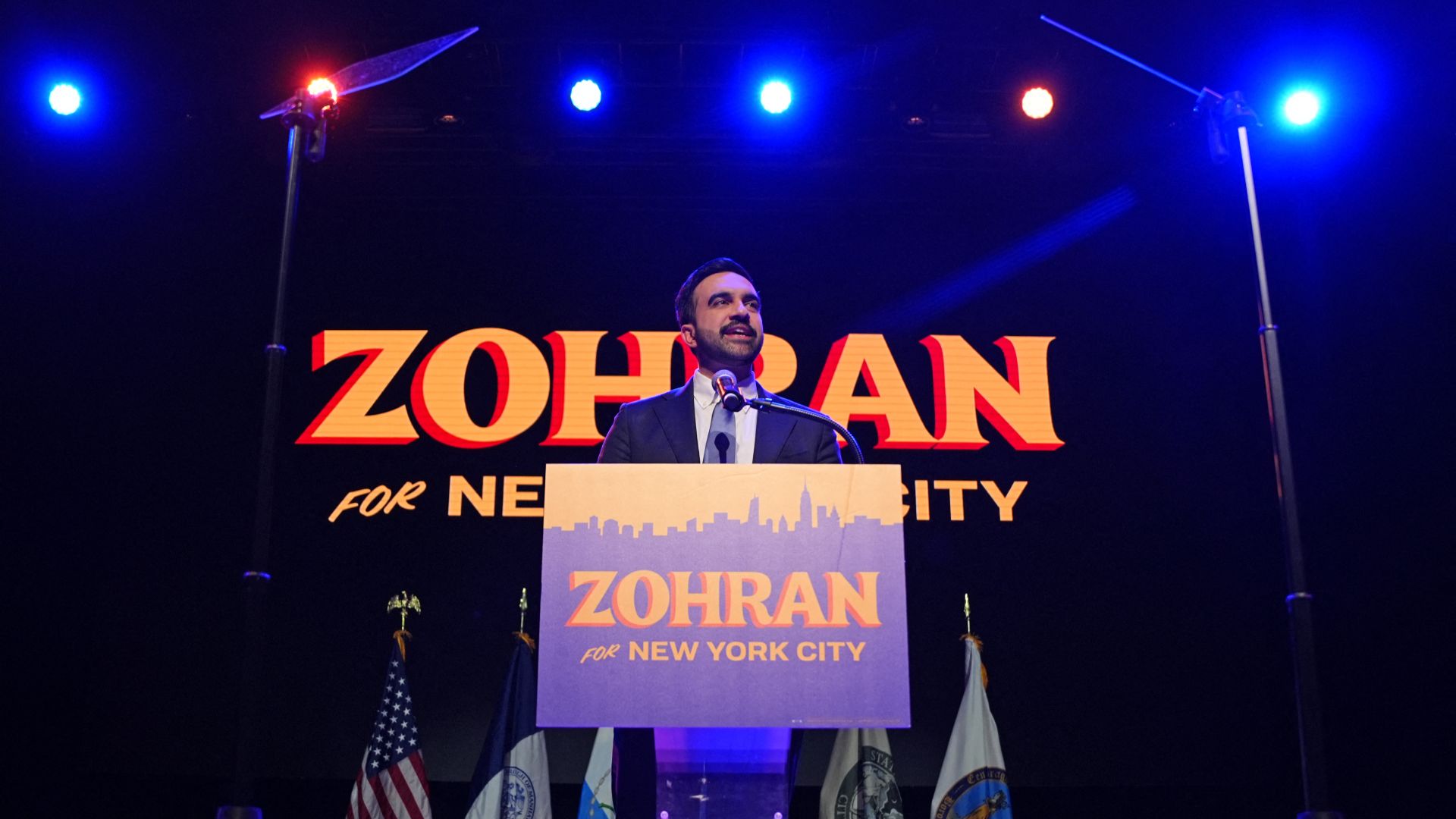
Mamdani's rise to power has transformed New York City into one of the country's most closely watched testing grounds for progressive fiscal policy. A democratic socialist and longtime advocate for wealth redistribution, Mamdani campaigned heavily on promises to reduce inequality and expand public services funded through higher taxation of the city's wealthiest residents. His administration argues the city cannot maintain basic services or address widening economic disparities without generating new revenue streams from high earners and luxury asset owners. Supporters point to growing homelessness, strained transit infrastructure and rising childcare costs as evidence that existing economic policies have failed large portions of the population. Opponents counter that New York already faces one of the highest tax burdens in the United States and warn that additional increases could accelerate capital flight and reduce job creation. The debate has created a major divide between progressive activists demanding structural economic reforms and business leaders who argue New York's prosperity depends on maintaining a competitive financial environment attractive to investors and corporations.
«Sadly, Mayor Mamdani is DESTROYING New York! It has no chance! The United States of America should not contribute to its failure. It will only get WORSE. The TAX, TAX, TAX Policies are SO WRONG. People are fleeing. They must change their ways, AND FAST. History has proven, THIS ‘STUFF' JUST DOESN'T WORK.»
-U.S. President, Donald Trump on Truth Social
The controversy surrounding Steven Roth's remarks ultimately highlighted the increasingly emotional and ideological nature of the debate over taxation, inequality and wealth in America's largest city. Critics condemned Roth for equating political criticism of wealthy individuals with racial hatred and antisemitic rhetoric, arguing the comparison crossed a line at a time of heightened social tensions across the country. Supporters of Roth, however, claimed his comments reflected legitimate frustration over rhetoric that they believe unfairly demonizes economic success and entrepreneurship. As Mamdani's tax proposals advance toward what is expected to be a contentious legislative battle in Albany, both sides appear prepared for a prolonged political fight over the future direction of New York's economy. The outcome could ultimately shape not only the city's fiscal policies but also the broader national conversation surrounding wealth, taxation and progressive governance during a period of deep economic and political division in the United States.
Created by humans, assisted by AI.
