

/https%3A%2F%2Fcdn-tor.buminteractif.com%2F2026%2F05%2F14145613%2Ftrump-golden-dome-getty-3453gdfg.jpg)
Trump's Golden Dome Risks Turning Into a $1.2 Trillion Boondoggle, as Trump's $175 billion project price tag given by just exploded to $1.2 trillion following an analysis from the Congressional Budget Office. The independent congressional agency concluded that the missile defense initiative promoted by the Trump administration could cost nearly seven times more than initially projected over the next two decades. «It will cost approximately $175 billion when completed.» said Donald Trump while announcing the executive order for the project. The White House presented Golden Dome as a revolutionary missile shield designed to defend the United States against ballistic, cruise and hypersonic missile threats through a massive network combining advanced radar systems, interceptors and space-based defense infrastructure.
The Congressional Budget Office estimated that acquisition costs for the project alone would exceed $1 trillion, with roughly 70 percent of those expenses tied directly to the development and deployment of space-based interceptors and a constellation of approximately 7,800 satellites. The analysis also concluded that the scale of the required infrastructure would dramatically increase long-term operational expenses, with each ground-based site projected to cost nearly $4 billion to deploy and approximately $170 million annually to operate. The report warned that the technological complexity of the project remains extremely high, especially because many components linked to space-based interception systems are still experimental and have never been tested at the scale envisioned by the Trump administration.
«Israel has it, other places have it, and the United States should have it too.»
-U.S. President, Donald Trump
On May 20, 2025, President Donald Trump officially unveiled the deployment architecture for the Golden Dome missile defense shield during a high-profile Oval Office briefing. The initiative expanded upon Executive Order 14186, which Trump signed during his first week back in office to formally establish the program. The administration described the system as a sweeping, multi-layered defensive network intended to deploy next-generation land, sea and space-based sensors and interceptors capable of destroying advanced missile threats before impact. During the announcement, Trump confirmed that U.S. Space Force General Michael Guetlein would oversee the project while also revealing that an initial down payment estimated between $24 billion and $25 billion had already been secured through recent congressional reconciliation legislation.
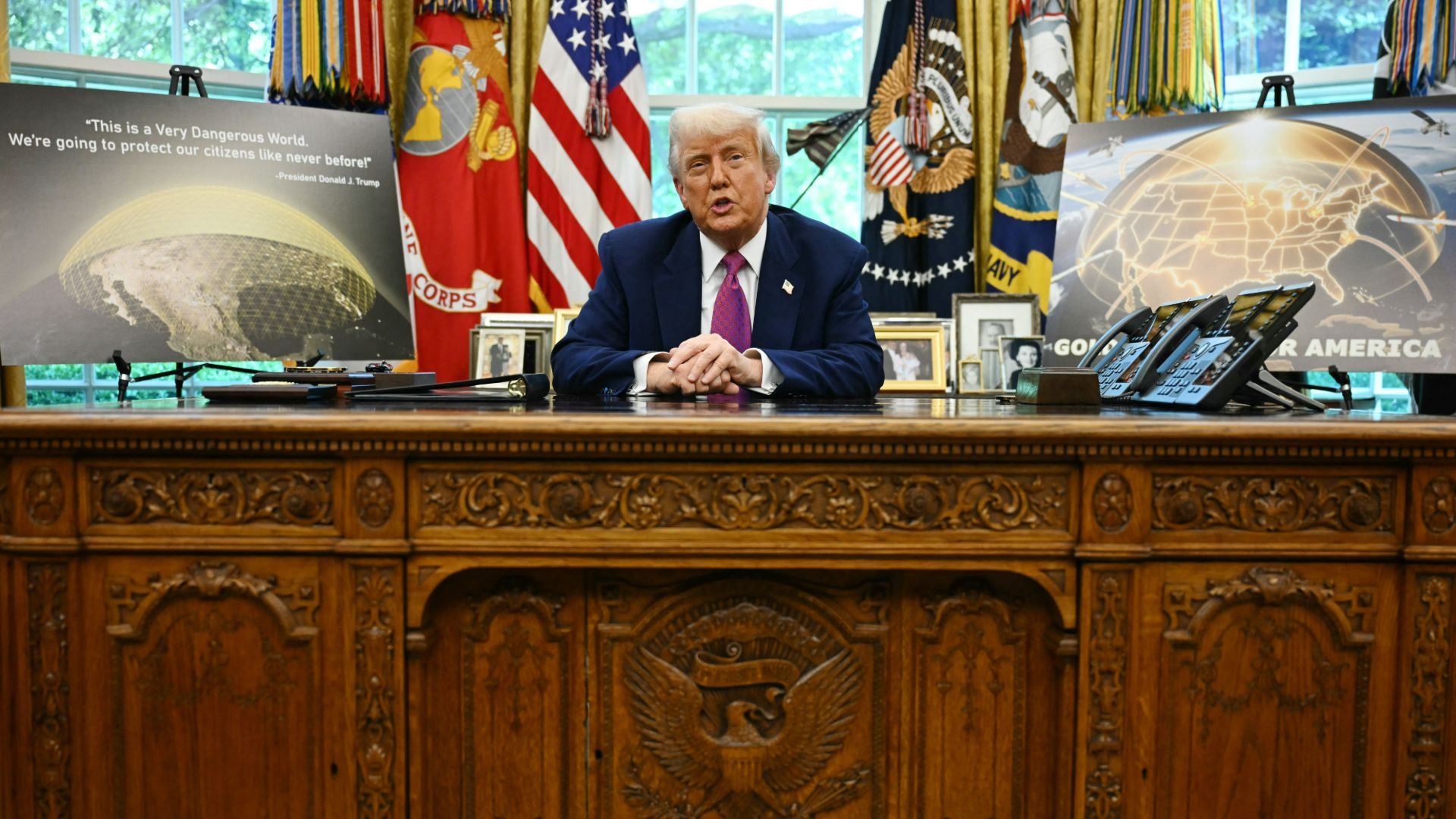
Trump repeatedly defended the timeline and cost projections attached to the initiative despite growing skepticism among defense analysts and lawmakers. «So we'll have it done in about three years.» Trump said while vouching for Golden Dome to become operational before the end of his current presidential term. However, the Congressional Budget Office analysis described the proposed by-2029 deployment schedule as unrealistic because of significant technical uncertainties tied to the development of the required systems. According to the report, several major components of the architecture would likely not become operational until 2028 or later even under accelerated procurement conditions. Defense experts have also warned that integrating thousands of satellites with real-time missile interception capabilities would require unprecedented coordination between military contractors, aerospace manufacturers and intelligence agencies.
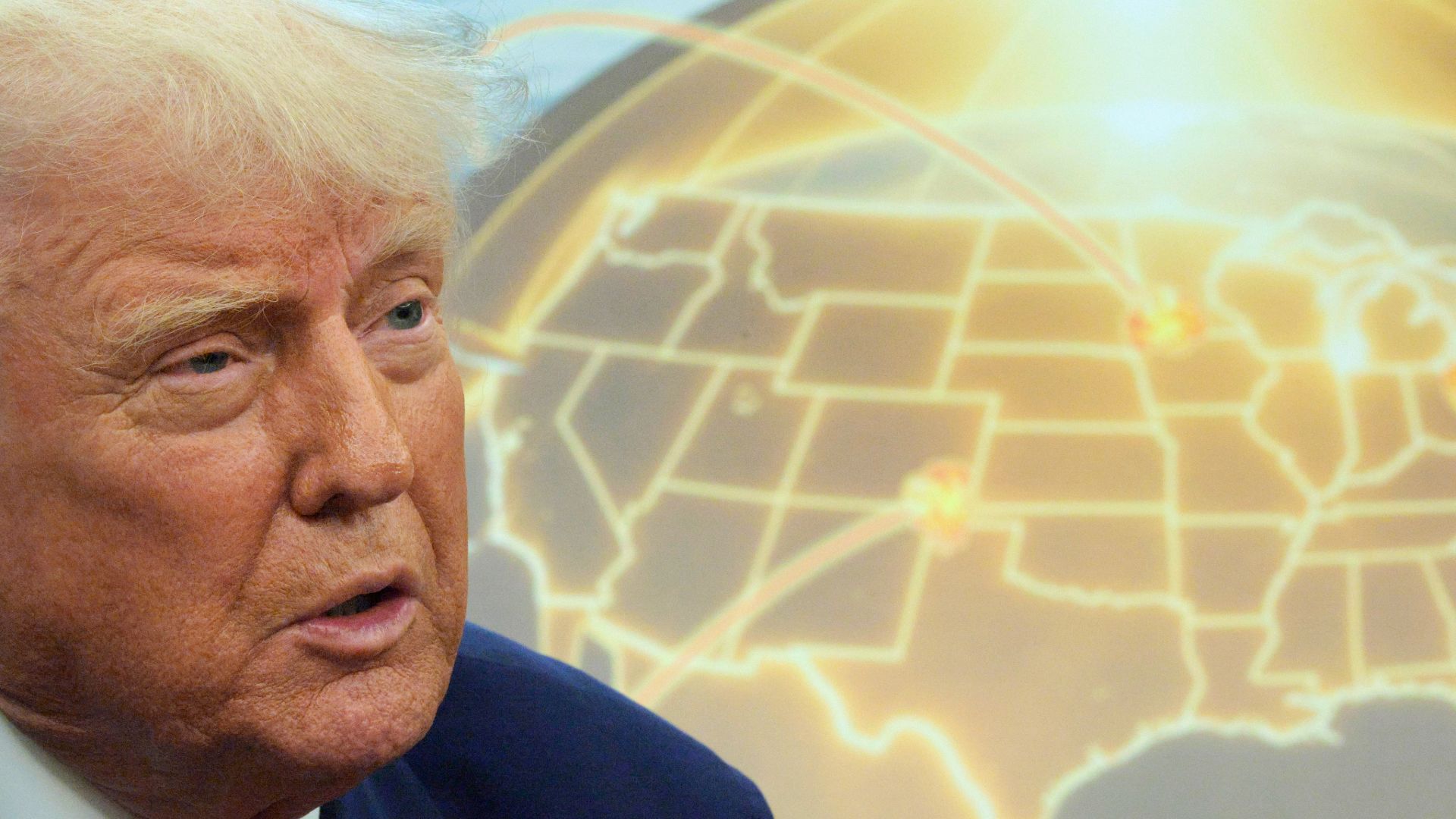
Trump also directly compared the initiative to Israel's Iron Dome while attempting to frame the project as an overdue national security investment for the United States. «Israel has it, other places have it, and the United States should have it too.» Trump said during the White House presentation. But while Israel's heavily used Iron Dome system protects a relatively small territory of roughly 22,000 square kilometres against short-range rockets and artillery fire, Golden Dome would attempt to defend an entire continent against intercontinental ballistic missiles and hypersonic weapons traveling at extreme speeds. The proposed American system would therefore rely heavily on experimental space-based interception technologies and Arctic radar coverage to monitor threats potentially traveling over the polar region toward North America.
«It will cost approximately $175 billion when completed.»
-U.S. President, Donald Trump
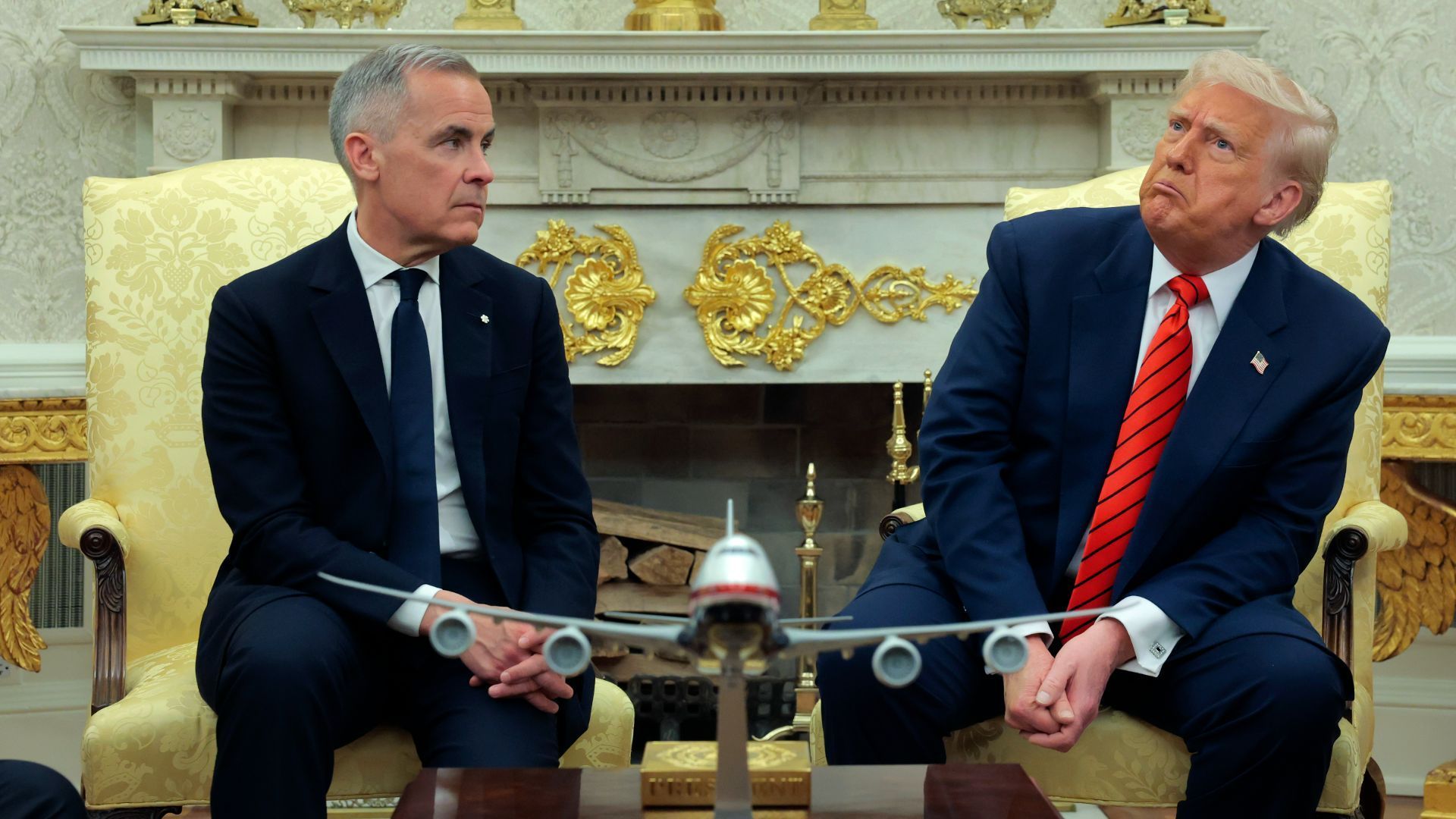
The project has also generated tensions between Washington and Ottawa because of Canada's strategic importance to the architecture of the proposed shield. Since the United States relies heavily on Canadian airspace and northern radar infrastructure to monitor potential missile threats crossing the Arctic, Trump publicly demanded that Canada contribute roughly $61 billion to participate in the system while joking that the fee could disappear if Canada accepted becoming the «51st state.» Canadian Prime Minister Mark Carney and the Prime Minister's Office firmly rejected the comments while insisting that any future security discussions involving the project would only occur with Canada acting as an independent and sovereign country. Canada's ambassador to the United Nations, Bob Rae, later criticized the proposal by comparing the demand to a «protection racket.»
Created by humans, assisted by AI.
