

/https%3A%2F%2Fcdn-tor.buminteractif.com%2F2026%2F05%2F19161625%2Ftrump-helicopter-getty345345.jpg)
Donald Trump's White House renovation obsession and costly redesign ambitions are reaching new heights with yet another controversial transformation project tied to the presidential residence. After drawing criticism for paving over portions of the historic Rose Garden, redesigning interiors with heavy gold ornamentation, renovating bathrooms and pursuing an expansive ballroom project near the East Wing, Trump is now reportedly considering the installation of a permanent helipad on the South Lawn. According to reports published by The New York Times and other American outlets, discussions inside the administration have focused on creating a reinforced landing area for Marine One directly on White House grounds. While no official proposal, construction timeline or public budget has been released by the White House or Trump on Truth Social, the reported discussions have already reignited debate surrounding the president's costly efforts to reshape Washington's most symbolic residence.
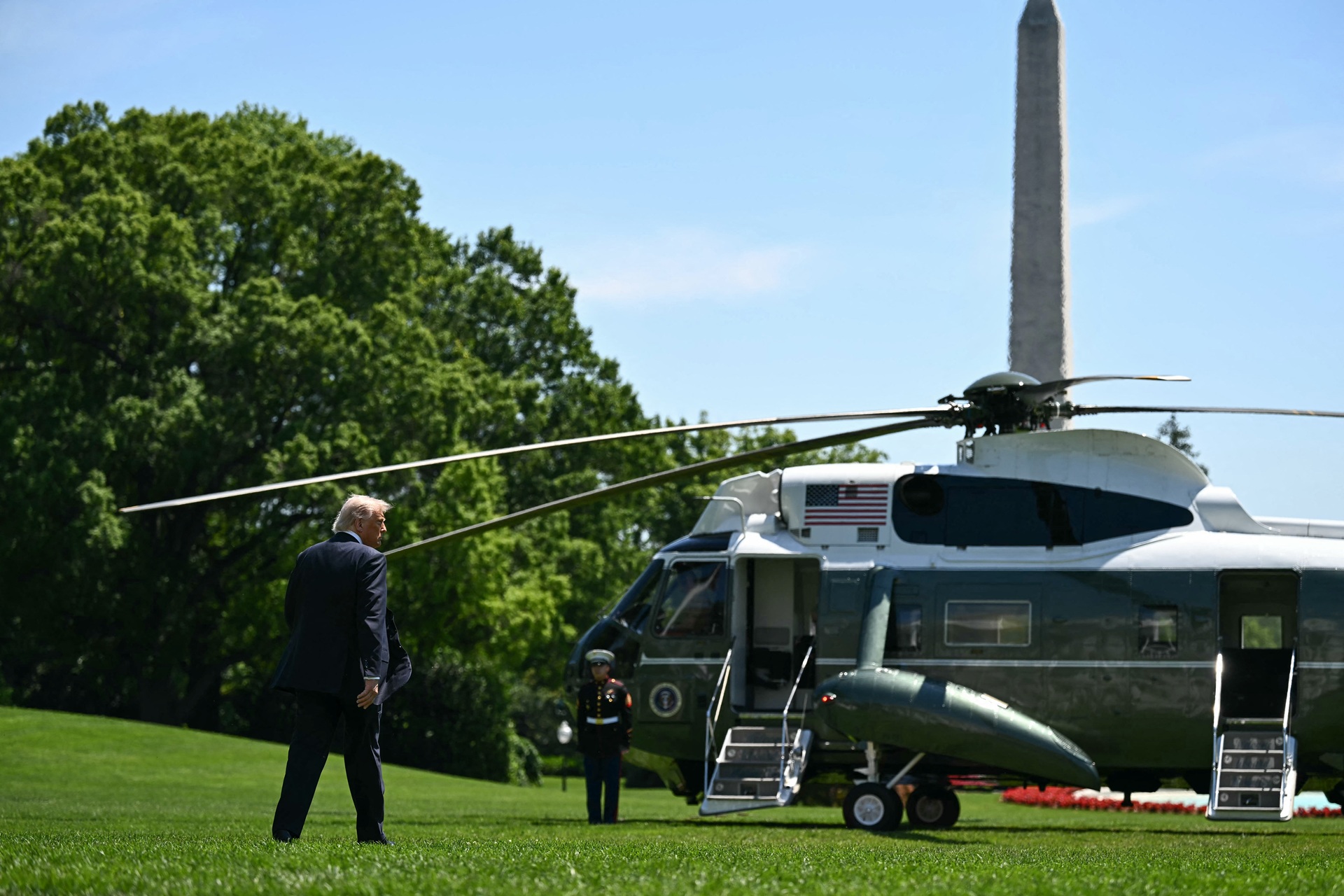
The potential helipad project would represent another major alteration to one of the most historically protected areas of the White House complex. For decades, Marine One has landed on the South Lawn using temporary landing protections designed to preserve the grass and maintain the iconic appearance of the presidential grounds. Trump, whose background in luxury real estate and golf resort development has heavily influenced his design preferences, has repeatedly favored more permanent and highly polished architectural modifications. The Rose Garden itself became a flashpoint during his presidency after changes to its landscaping triggered backlash from historians, preservationists and critics who argued that the redesign erased historical character tied to earlier administrations. The South Lawn now appears to be the latest focus of those ambitions as operational concerns surrounding newer presidential helicopters increasingly intersect with Trump's preference for grand visual redesigns.
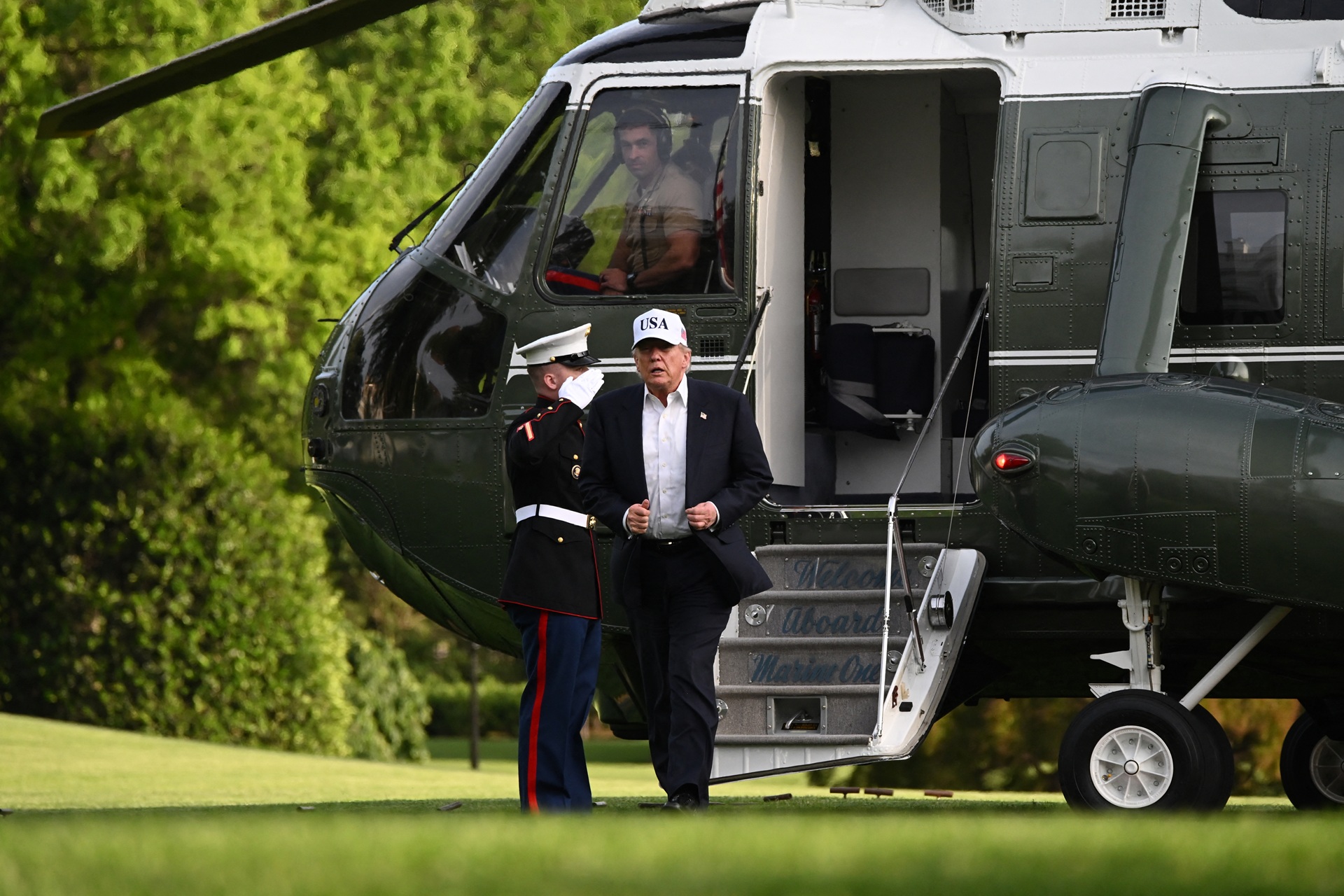
The discussions surrounding the South Lawn are also linked to technical concerns involving the next generation of presidential helicopters, but the reported proposal has become increasingly controversial because critics see it as part of Trump's broader pattern of aggressively reshaping historic White House spaces. The newer VH-92A Patriot helicopters developed by Sikorsky are larger and more powerful than many aircraft previously used for presidential transport, prompting aviation and military officials to warn for years that repeated landings could damage the lawn because of stronger exhaust systems and increased weight. Although operational adjustments have already been implemented to limit potential impact on the historic grounds, Trump's reported interest in replacing part of the South Lawn with a permanent landing structure has intensified backlash from preservation advocates and historians. Trump himself has long emphasized the symbolism surrounding Marine One and presidential helicopter travel. During remarks in 2017, he stated: «There are few sights more awe-inspiring than Marine One flying up the Potomac … past the Washington Monument and landing on the South Lawn of the White House. It's an incredible privilege to take that flight.» While supporters argue the proposal reflects modernization and practicality, opponents view it as another controversial example of Trump prioritizing spectacle and personal aesthetic ambitions over the preservation of historically protected national landmarks.
«President Trump has continued to make improvements at the White House and all around DC to benefit future presidents and Americans.»
-White House spokesperson, Davis Ingle
Criticism surrounding the proposed helipad has intensified because many preservation experts believe the South Lawn carries historical and symbolic significance that should remain largely untouched. Retired Marine One mission overseer Ray L'Heureux publicly criticized the idea in comments reported by The Washington Post, explaining that conversations about a permanent landing structure have surfaced repeatedly over the years. L'Heureux stated: «I understand the conversation coming up again. It always comes up.» He later added that building a permanent structure on the lawn would be «stupid from an aesthetic standpoint» because the area remains «historic» and serves as the «back yard of the White House.» Critics argue that Trump's broader renovation agenda increasingly resembles the architectural style associated with his private resorts and luxury clubs rather than the restrained preservation standards traditionally applied to the White House complex. Preservation organizations have also warned that repeated structural alterations risk permanently changing the historical identity of the executive residence.
The controversy has also revived scrutiny surrounding Trump's broader renovation agenda during his second presidency. The administration has already pursued several ambitious construction and redesign initiatives across the White House grounds and surrounding federal properties. Among the most debated proposals is Trump's push for a large ballroom addition near the East Wing, a project he has publicly supported for years. Trump defended the concept during campaign appearances and public interviews by arguing that the White House lacks sufficient ceremonial space for large state functions and receptions. However, questions regarding funding, historical preservation and executive authority have repeatedly complicated the project's future. Critics inside Washington have increasingly questioned whether the president's renovation priorities align with broader governmental concerns, especially as discussions continue over federal spending, budget deficits and infrastructure demands elsewhere across the country.
Long-term consequences
While the White House has framed many of the renovation efforts as practical improvements intended to modernize aging infrastructure and enhance operational efficiency, opposition to the projects continues to grow. White House spokesperson Davis Ingle defended the administration's work by stating: «President Trump has continued to make improvements at the White House and all around DC to benefit future presidents and Americans.» Nevertheless, historians and architectural experts remain concerned about the long-term consequences of dramatically reshaping the appearance of one of the most recognized government buildings in the world. The South Lawn has historically served not only as a ceremonial arrival space for presidents but also as a carefully preserved visual symbol tied to American political tradition. Even without finalized plans or confirmed construction approval, the reported helipad discussions have become emblematic of Trump's broader desire to leave a lasting personal imprint on the White House and the image of Washington itself.
Created by humans, assisted by AI.
