

/https%3A%2F%2Fcdn-tor.buminteractif.com%2F2026%2F05%2F21174625%2Ftrump-netanyahu-getty-34534dfgdfg3.jpg)
Trump, Netanyahu Differences Surface During Iran Strategy Phone Call as the very unpopular Iran war reportedly took a toll between Trump and Netanyahu in a recent phone call as the U.S. and Israeli leaders do not seem to be on the same pace for how to proceed in the next step of the Iran war. The growing divide surfaced after days of conflicting public messaging from Trump about whether Washington was preparing a massive new military escalation or attempting to reopen negotiations with Tehran. According to multiple reports surrounding the call, Netanyahu was pushing for more aggressive military action while Trump appeared increasingly hesitant about launching another major operation after months of costly regional fighting. The disagreement reportedly emerged while pressure continues to build inside both countries over the political and military consequences of the war.
The phone call reportedly came after Trump backed away from a planned renewed attack against Iran despite issuing a public warning only hours earlier on Truth Social. Trump wrote in a Truth Social post: «For Iran, the Clock is Ticking, and they better get moving, FAST, or there won't be anything left of them. TIME IS OF THE ESSENCE!» The message immediately fueled speculation that the White House was preparing another major military strike alongside Israel after weeks of mounting tensions across the region. However, Trump later appeared to soften his position dramatically. «I have been asked by the leaders of Qatar, Saudi Arabia and the UAE to hold off on a planned attack on Iran scheduled for Tuesday since serious negotiations are now taking place… In their opinion, as Great Leaders and Allies, a Deal will be made.» The sudden shift reportedly surprised several Israeli officials who had expected Washington to fully support another coordinated operation.
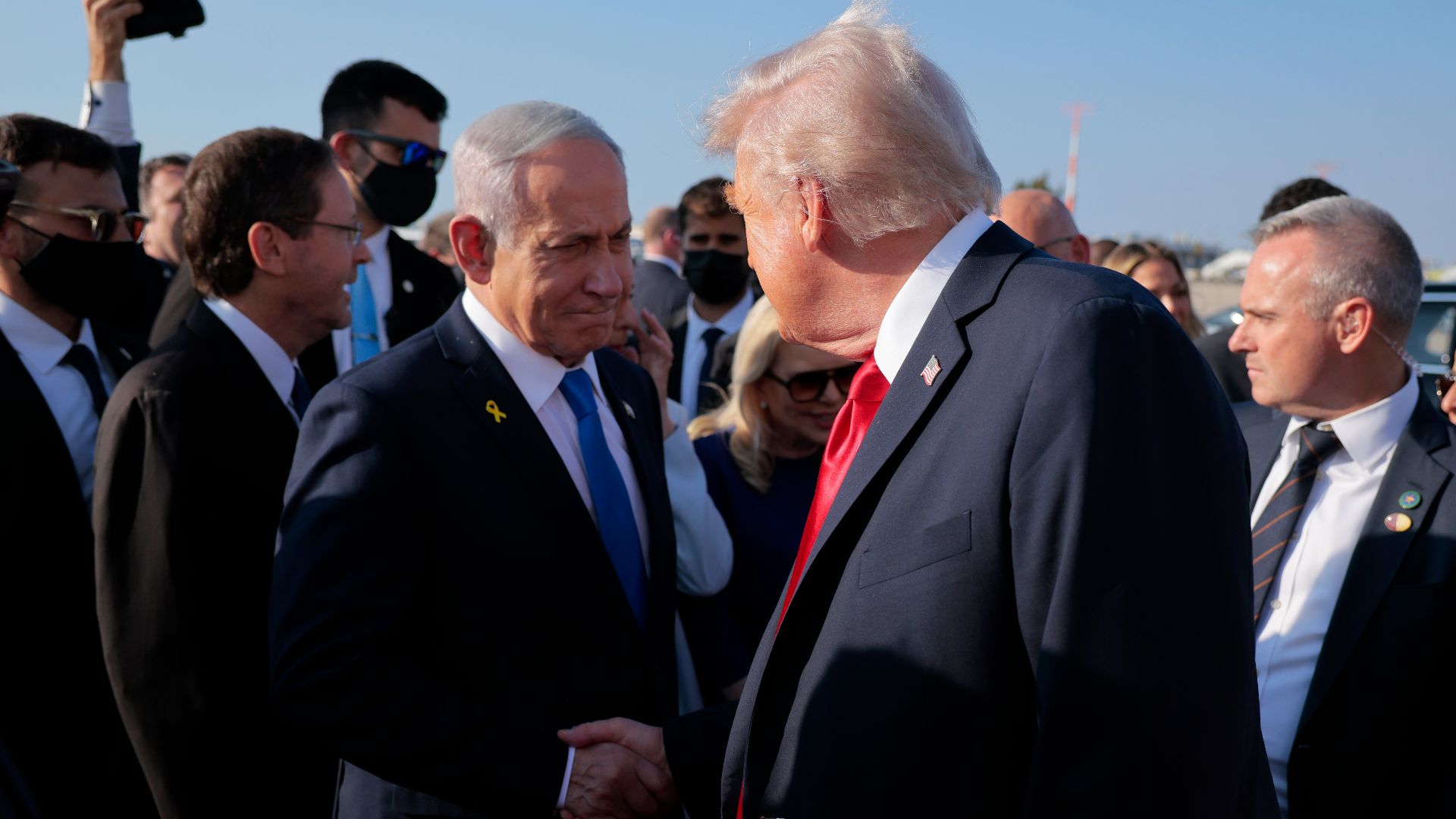
According to CNN and several regional reports, Trump's decision to halt what was described as an imminent military offensive known internally as «Operation Sledgehammer» frustrated Netanyahu and members of Israel's war cabinet who reportedly viewed the operation as a crucial opportunity to further weaken Iran's military infrastructure. The planned offensive allegedly involved a large-scale series of joint U.S.-Israeli strikes targeting missile storage sites, drone facilities and military command centers inside Iran. Israeli officials reportedly believed the recent degradation of Iranian air defenses created a rare strategic opening for another wave of attacks. Netanyahu has repeatedly argued publicly that sustained military pressure is necessary to stop Iran from rebuilding its missile and drone capabilities following months of fighting that already destabilized large parts of the Middle East.
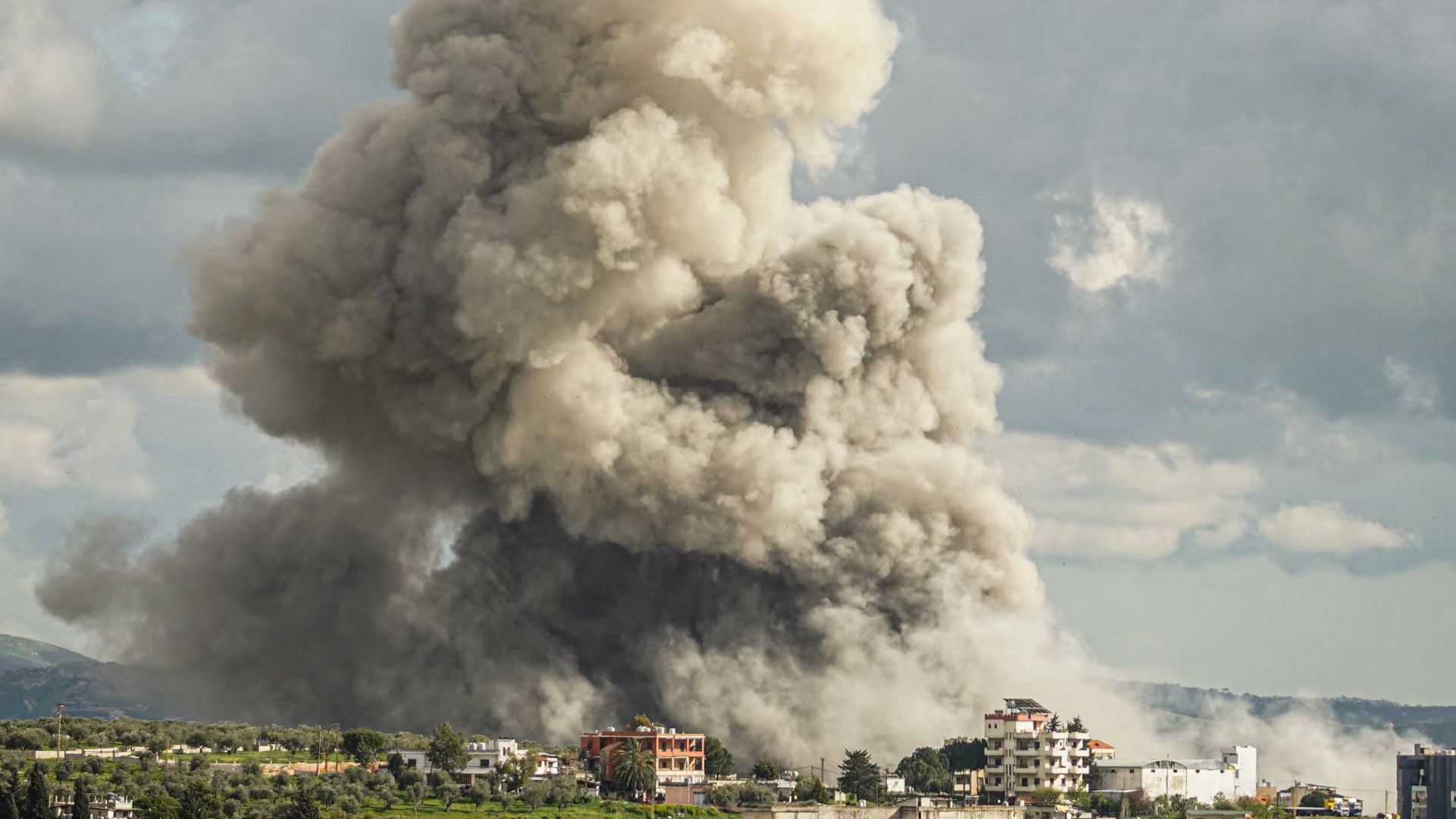
The growing divide between the two leaders also emerged after Trump spent weeks signaling that the Pentagon should remain ready for a broader regional conflict if diplomacy collapsed. Trump previously stated that he had ordered Defense Secretary Pete Hegseth to remain prepared for what he described as a potential «large-scale assault» if negotiations with Iran failed to produce results. Yet since announcing the delay of the planned attack, Trump has remained noticeably quieter about direct military action against Tehran. Several analysts in Washington interpreted the shift as a sign that the White House is increasingly worried about the economic and political consequences of another major escalation, particularly after reports detailing billions of dollars in military losses and mounting instability across energy markets following Operation Epic Fury.
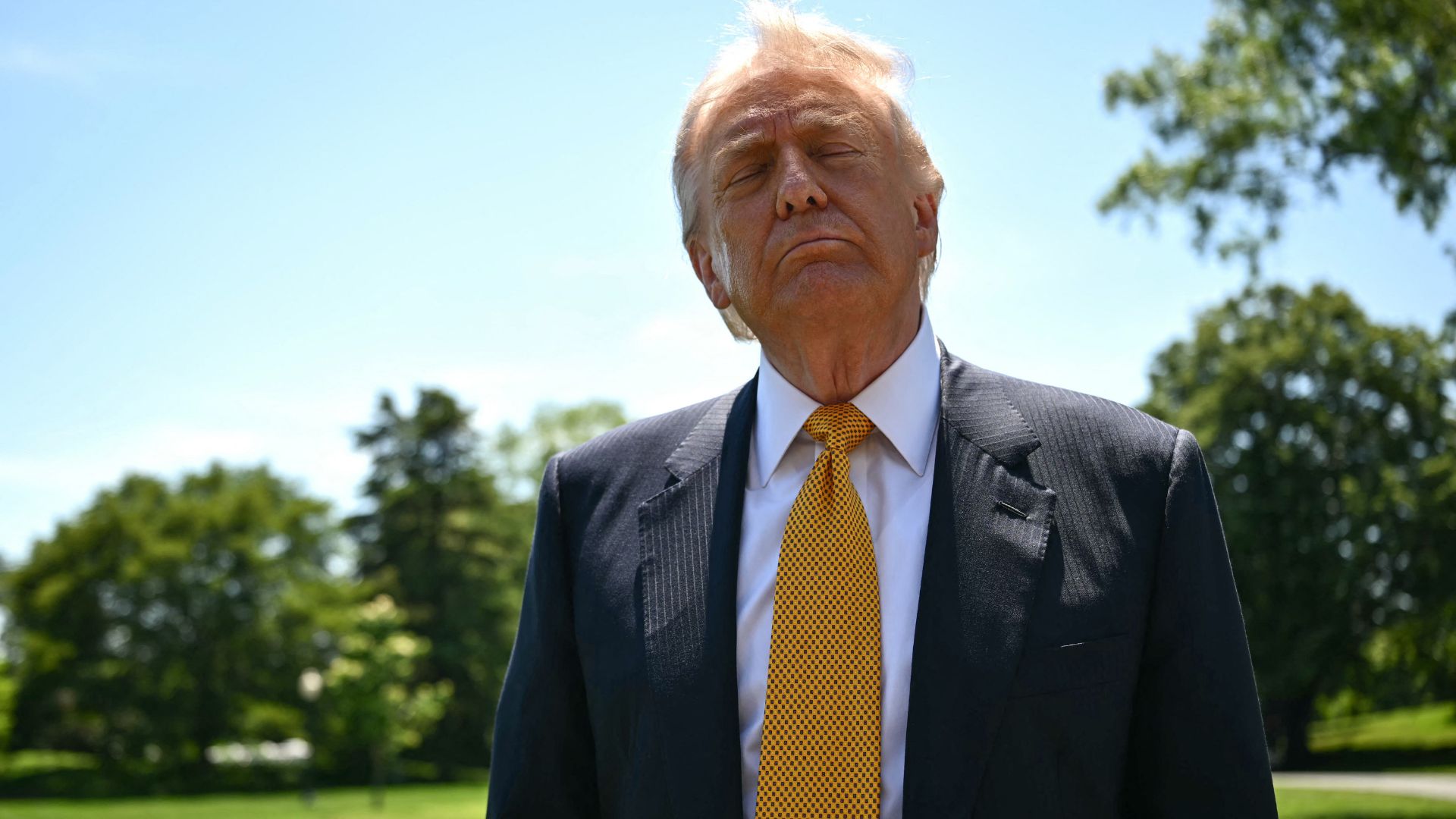
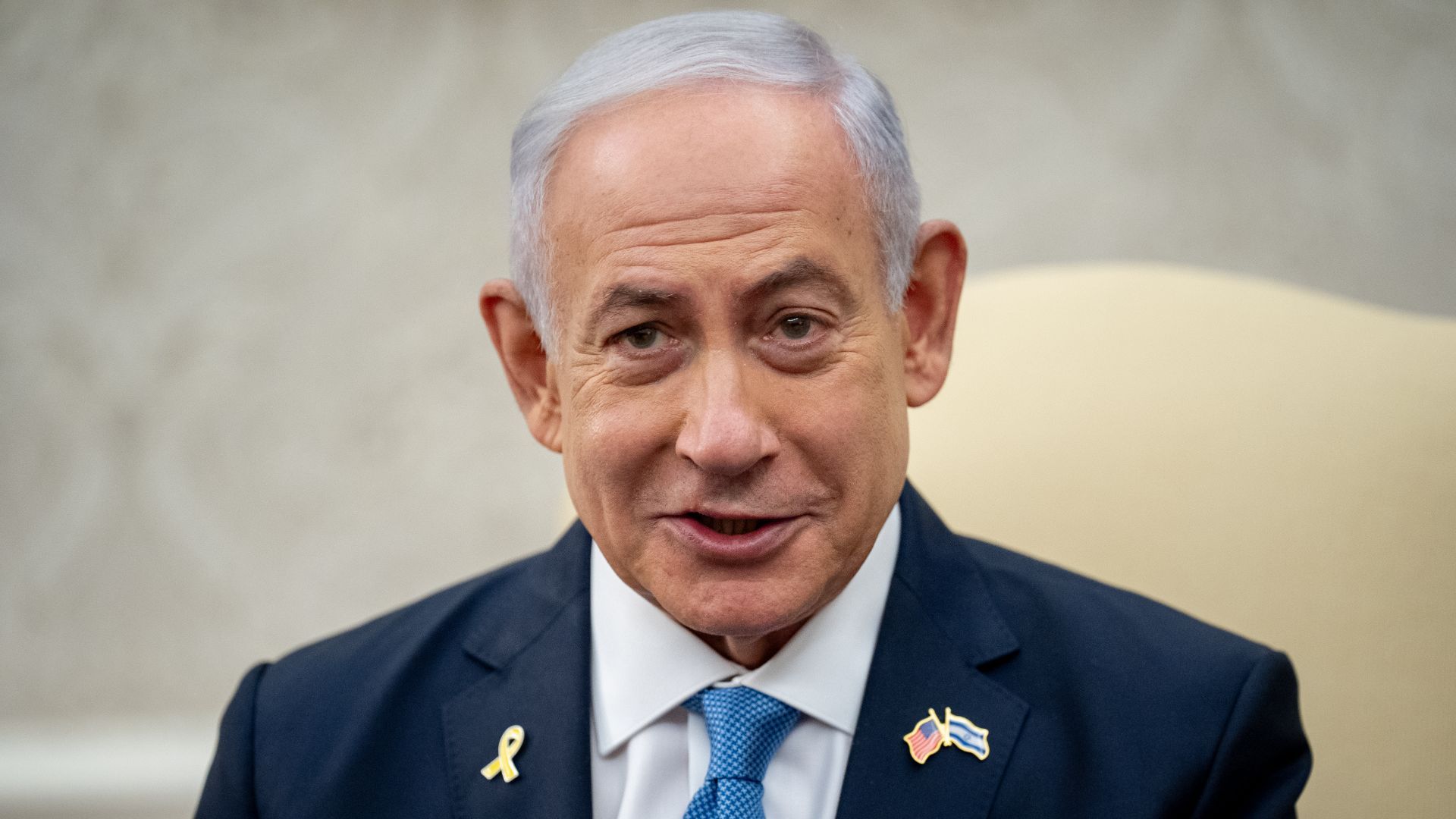
Netanyahu, meanwhile, has continued emphasizing the need for stronger military action against Iran despite growing international calls for de-escalation. During recent remarks following Israeli security consultations, Netanyahu stated that Israel would continue acting «with strength against those who seek our destruction.» Israeli defense officials reportedly fear that any pause in military operations could allow Iran to regroup and accelerate efforts to rebuild damaged missile and drone infrastructure. Iranian officials, however, claimed that the growing disagreement between Washington and Jerusalem reflects increasing pressure on the United States to avoid another prolonged conflict in the region. Iranian Foreign Minister Abbas Araghchi recently declared that Iran would not negotiate «under threats or military intimidation,» while state media in Tehran portrayed Trump's decision to delay the operation as evidence that American leadership feared a broader regional confrontation.
«For Iran, the Clock is Ticking, and they better get moving, FAST, or there won't be anything left of them. TIME IS OF THE ESSENCE!»
-U.S. President, Donald Trump on Truth Social
The apparent disagreement between Trump and Netanyahu comes at a politically difficult moment for both leaders as public frustration over the Iran war continues to grow. Recent polling in the United States has shown declining support for deeper military involvement in the conflict, particularly as operational costs rise and questions continue surrounding the long-term objectives of the campaign. Israeli officials also face increasing domestic pressure after months of sustained regional fighting and repeated missile alerts across the country. Despite the tensions revealed by the latest phone call, both governments publicly continue insisting that the U.S.-Israel alliance remains strong. Behind the scenes, however, reports surrounding Operation Sledgehammer and the abrupt suspension of the planned attack appear to have exposed a growing strategic divide over whether the next phase of the Iran conflict should focus on diplomacy or renewed military escalation.
Created by humans, assisted by AI.
