In-depth poll: Strong opposition to Trump’s ballroom project and the impact on his public image


/https%3A%2F%2Fcdn-tor.buminteractif.com%2F2026%2F05%2F08210750%2FGettyImages-2255992676-1.jpg)
- A poll shows strong opposition to the ballroom project.
- 56% of those surveyed are against it.
- Less than 30% are in favor.
- The cost and public funding are criticized.
- Other symbolic projects are also rejected.
Summary
A recent poll commissioned by The Washington Post, ABC News, and Ipsos shows strong opposition among Americans to Donald Trump's plan to build a large ballroom at the White House. Conducted online among 1,292 adults between April 24 and 28, the survey reveals not only clear opposition to the project but also insights into broader perceptions of certain symbolic initiatives by the president.
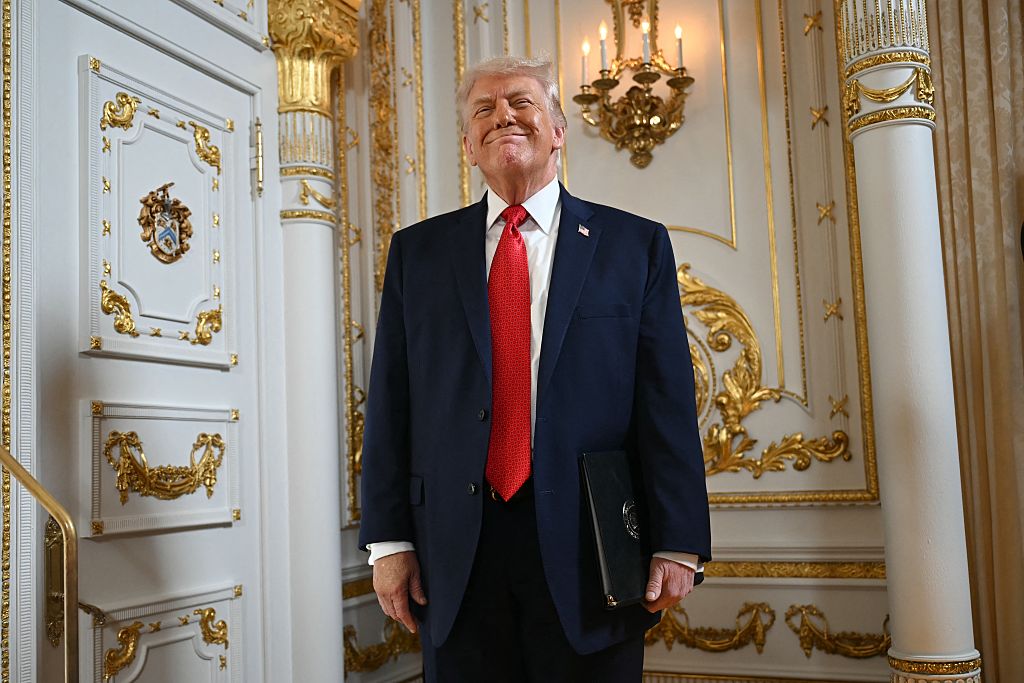
The poll indicates that 56% of respondents oppose the construction of the ballroom, slated to begin in October 2025, while less than 30% support it and 16% declined to answer. Among those opposed, 47% say they are “strongly opposed.” These figures take on particular significance in light of the initially proposed cost—$400 million—and subsequent reports indicating a request for public funds to complete the financing.
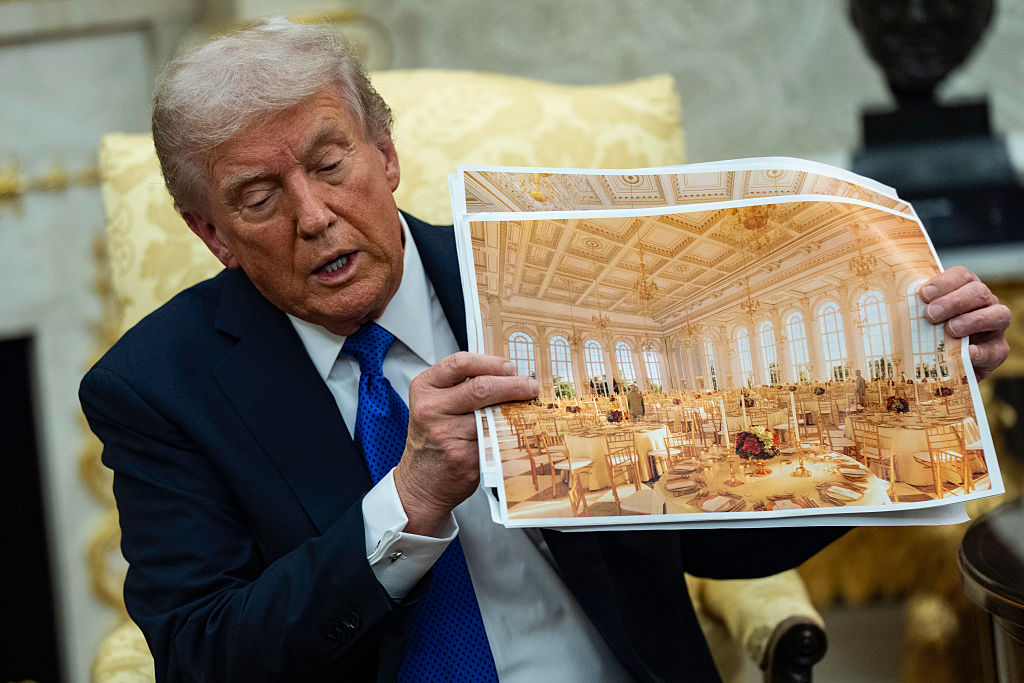
According to media reports and shared documents, the project was originally intended to be funded by private donations and the former president's personal fortune. However, the emergence of an amendment or legislative proposal to allocate up to $332 million in public funds has shifted public perception. Against the backdrop of a construction project that alters the character of the East Wing of the White House and recent incidents (notably an attack at the Washington Hilton on April 25), the security argument put forward by the White House was not enough to convince a majority of voters.
What else the poll reveals
- In addition to the ballroom, respondents weighed in on several symbolic projects proposed by Trump: 52% oppose the construction of a monumental arch between the Lincoln Memorial and Arlington National Cemetery, and 68% reject the idea of placing Trump's signature on banknotes.
- The poll also shows that 71% of those surveyed do not identify with the MAGA movement, a figure that may seem surprising given that 32% of respondents said they voted for Trump. This suggests that a significant portion of his voters do not subscribe to the symbols or forms of political expression currently being promoted.
- The survey's margin of error is 2.8%, and interviews were conducted in English and Spanish to better reflect the demographic diversity of the United States.
Interpretations and Political Implications
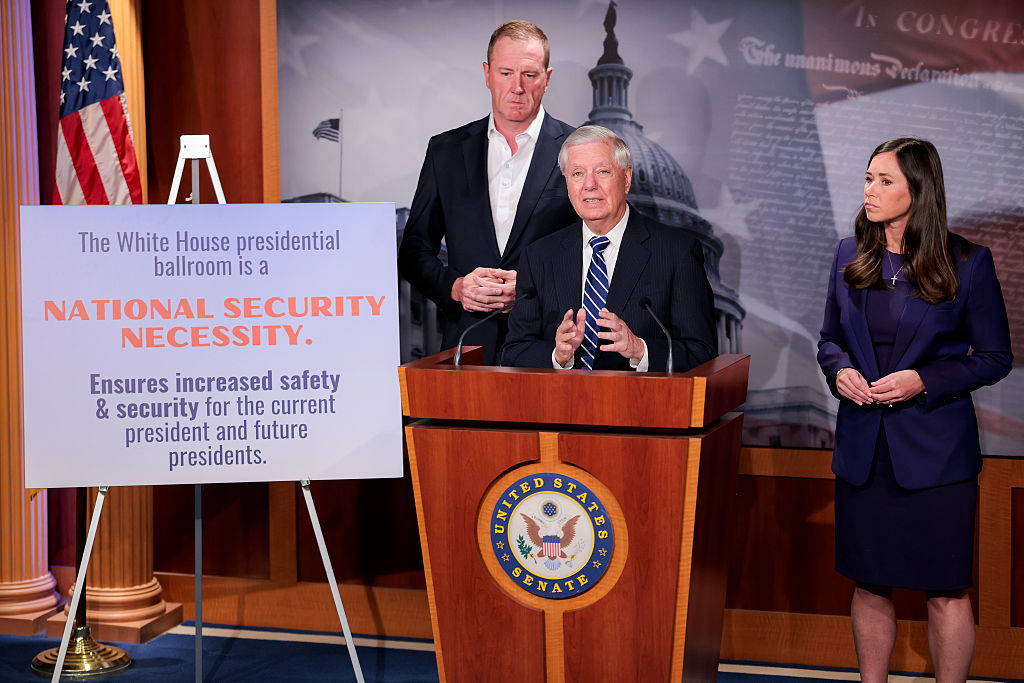
The results reflect unease regarding potential public spending on projects perceived as ostentatious. In an already polarized political climate, initiatives that blend personal symbolism with public funds tend to provoke widespread rejection, even among individuals traditionally supportive of the current president. The announcement of the search for public funding, reported in the media, likely amplified this rejection, even though the poll includes responses collected before and after certain public announcements, making it difficult to directly attribute shifts in opinion to a specific event.
For Trump's political team, these findings signal the need for a clearer message if they wish to maintain a solid electoral base: emphasizing national security might convince some, but not all, especially when costs and symbolism take precedence over utilitarian arguments that are clearly identifiable by the general public.
Limitations and upcoming information
The survey included 37 questions, only a few of which have been published so far; Ipsos indicated that the remaining responses would be released at a later date. This means that a comprehensive analysis of the results could reveal significant nuances, particularly regarding the distribution of opinions by age, region, education level, or political affiliation.
In conclusion, this poll offers a clear picture: it shows strong public disapproval of a costly symbolic project associated with the Trump presidency, while raising questions about how political symbols and the use of public funds influence voter support or rejection. It remains to be seen how these results will be incorporated into the communication and funding strategies for government and private projects related to the White House.
