

/https%3A%2F%2Fcdn-tor.buminteractif.com%2F2026%2F06%2F18184453%2FGettyImages-2276618249.jpg)
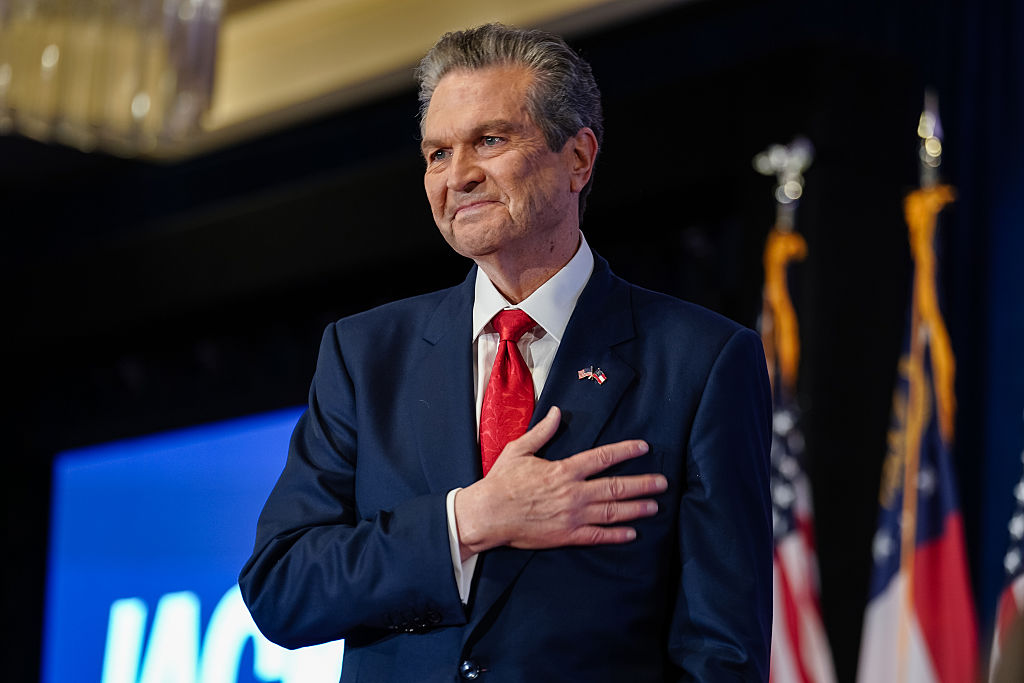
On June 16, Georgia Republicans delivered one of the biggest surprises of the 2026 primary season when billionaire healthcare executive Rick Jackson defeated Lieutenant Governor Burt Jones in the Republican runoff for governor. The result was significant for one reason above all others: Jones had the endorsement of President Donald Trump. Trump endorsed Jones more than a year ago and reaffirmed his support during the final days of the campaign. Even with his opponent receiving Trump's endorsement, Jackson still won. The only kicker? It cost Jackson $100 million of personal funding to overcome Trump's endorsement of Burt Jones.
Jackson's path to victory came at an extraordinary personal cost. According to election reports, his campaign spent more than $100 million, much of it coming directly from his own fortune. The billionaire founder of Jackson Healthcare flooded Georgia's airwaves with advertising, outspending Jones by a massive margin and building a statewide campaign operation that few candidates could realistically afford. While Trump's endorsement provided his opponent, Burt Jones, with credibility among Republican voters, Jackson's unprecedented spending allowed him to dominate the airwaves, post counterattacks, and keep his message in front of Georgians for months. Jackson's campaign proves that for better or for worse, marketing is still the most important strategy in American elections.
Tonight, we did more than win a runoff. Tonight we proved the people of Georgia are in charge
-Rick Jackson
A loss for Trump and MAGA
The result was a rare setback for Trump in a Republican primary. Since returning to the White House, Trump has maintained an exceptionally strong record of helping preferred candidates win nominations. Republican candidates routinely seek his endorsement because it can provide instant credibility with conservative voters and help separate them from opponents. In Georgia, however, Jackson demonstrated that there are limits to that political influence. Rather than trying to out-Trump Jones ideologically, Jackson relied on overwhelming financial resources to make his case directly to voters. Jackson didn't fully separate himself from MAGA politics; in fact, he echoed many of the statements that Trump has. That being said, he was very vocal in his criticism of Trump's participation in primary elections, encouraging his constituents to ignore Federal lobbying and vote for themselves.
Before the election was called, Jones appeared to be the clear favourite. He finished ahead of Jackson in the first round of voting on May 19, and entered the runoff with endorsements from Trump and many prominent Republican figures. Jones had spent years building relationships within Georgia's Republican Party and was widely viewed as the likely nominee. However, nearly one-third of Republican voters supported other candidates during the first round, creating an opportunity for Jackson to consolidate support heading into the runoff election.
Who is Rick Jackson
Jackson is not a traditional politician. The 71-year-old businessman made Jackson Healthcare into one of the largest healthcare staffing companies in the United States and entered the governor's race as a political outsider. Throughout the campaign, he emphasized his business background and argued that Georgia needed a governor with executive experience rather than another career politician. His personal wealth allowed him to largely self-finance his campaign, making him less dependent on donors and political organizations than most candidates seeking statewide office. While critics have pointed out the irony that it took a healthcare billionaire to beat Donald Trump, some still insist that this proves that Donald Trump's endorsements are not a guarantee; they can be beaten.
Self-funded campaigns the new trend
The Georgia race highlighted an increasingly important trend in American politics: the growing ability of wealthy candidates to self-fund campaigns at levels that traditional political organizations struggle to match. While endorsements remain valuable, modern campaigns are often shaped by advertising, digital outreach and voter contact efforts that require enormous financial resources. Jackson's victory suggested that even a presidential endorsement may not be enough when facing an opponent capable of spending nine figures on a single primary race. Another strong example of this trend is Zohran Mamdani's mayoral campaign in New York. Even with his opposition getting an endorsement from Trump, and also receiving tens of millions in private funding, Zohran Mamdani won his race by crowdsourcing his funds, relying on donations from New Yorkers to overcome Andrew Cuomo.
Despite the loss in Georgia, Trump's broader influence remained evident across the country. On the same night, several candidates endorsed by the president won key primary contests in Alabama and Oklahoma. Those victories reinforced the reality that Trump's support continues to carry significant weight with Republican voters. However, Georgia stood out as a rare example of a candidate successfully overcoming that endorsement. The lesson was not that Trump's endorsement no longer matters; it's that overcoming it will take a massive investment into marketing. In this case, it was $100 million straight out of Jackson's personal finances.
 Green algae and floating “American flag blue” paint fuel scrutiny of reflecting pool contracts awarded to Trump allies
 Gavin Newsom: DOJ used for Trump's “Personal Vendetta”
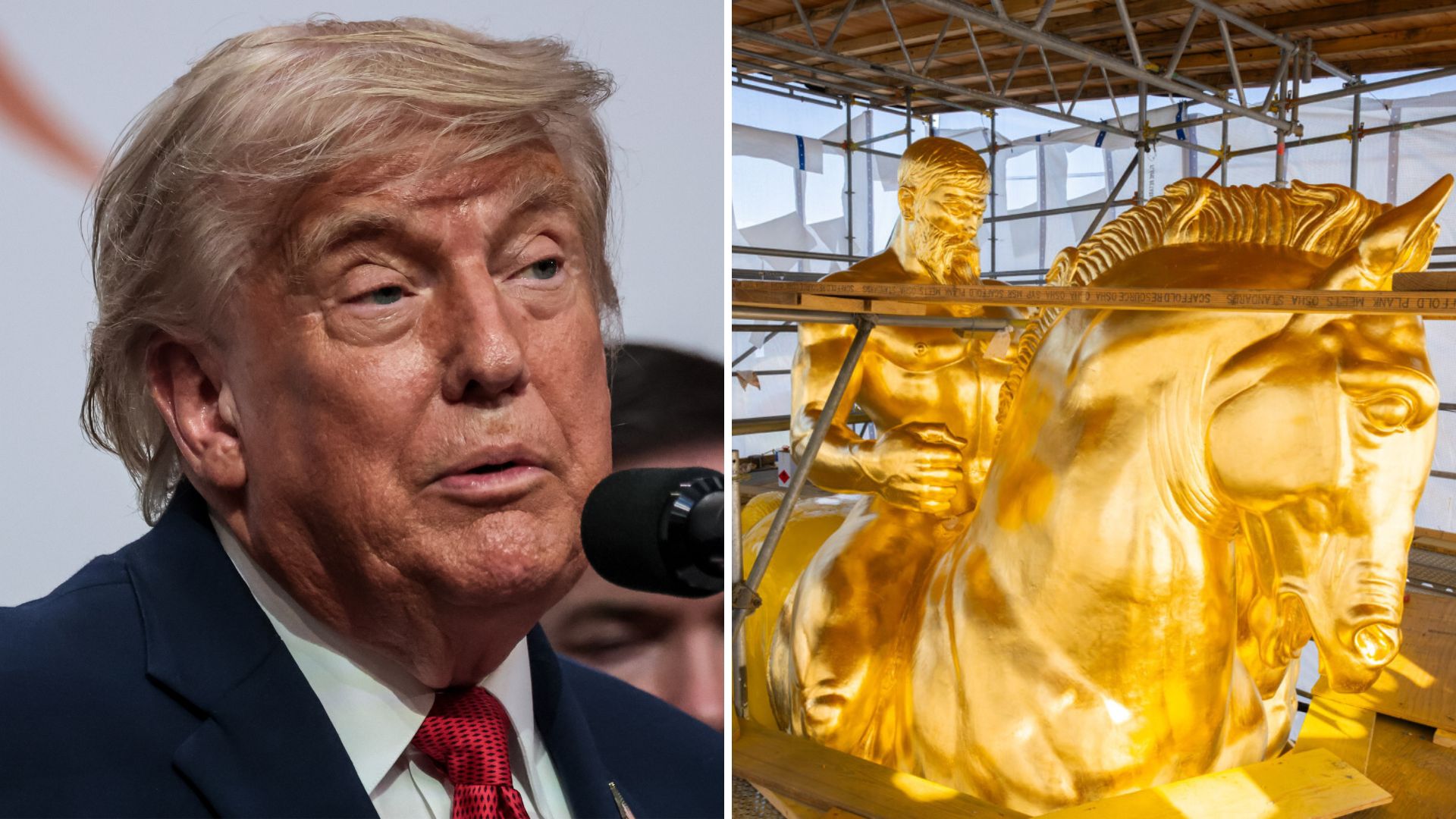 Trump's gold statue obsession returns in new Truth Social post