

/https%3A%2F%2Fcdn-tor.buminteractif.com%2F2026%2F06%2F25210733%2FGettyImages-2282671806.jpg)
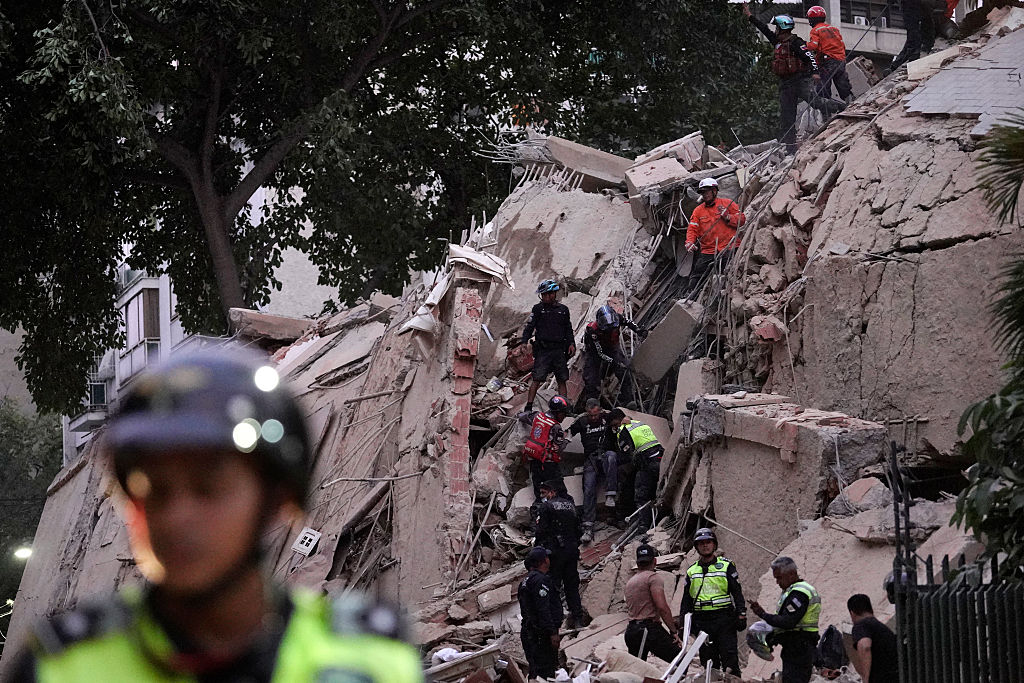
Venezuela is facing one of the worst natural disasters in its modern history after two powerful earthquakes struck the country less than a minute apart on June 24. The earthquakes caused widespread destruction across Caracas and the surrounding regions. According to the U.S. Geological Survey, a magnitude 7.2 earthquake struck roughly 160 kilometres west of the capital before a stronger magnitude 7.5 tremor followed less than a minute later. Buildings collapsed across multiple cities, power and communications networks have been disrupted, and emergency crews are overwhelmed by the scale of the disaster. Early casualty figures continue to rise as rescue workers search through mountains of rubble for survivors.
It was announced that thousands of Venezuelans are feared to be dead under the rubble left by the earthquakes. Early figures have confirmed that more than 180 have been killed, but according to the U.S. Geological Survey, there are more than 30,000 people unaccounted for across the country. The worst-affected area, La Guaira state, near Caracas, has become a disaster zone according to the head of Venezuela's national assembly, Jorge Rodriguez. Rodriguez claimed that at least 1,520 people were injured and at least 250 buildings had been damaged or destroyed.
Website tracking missing people
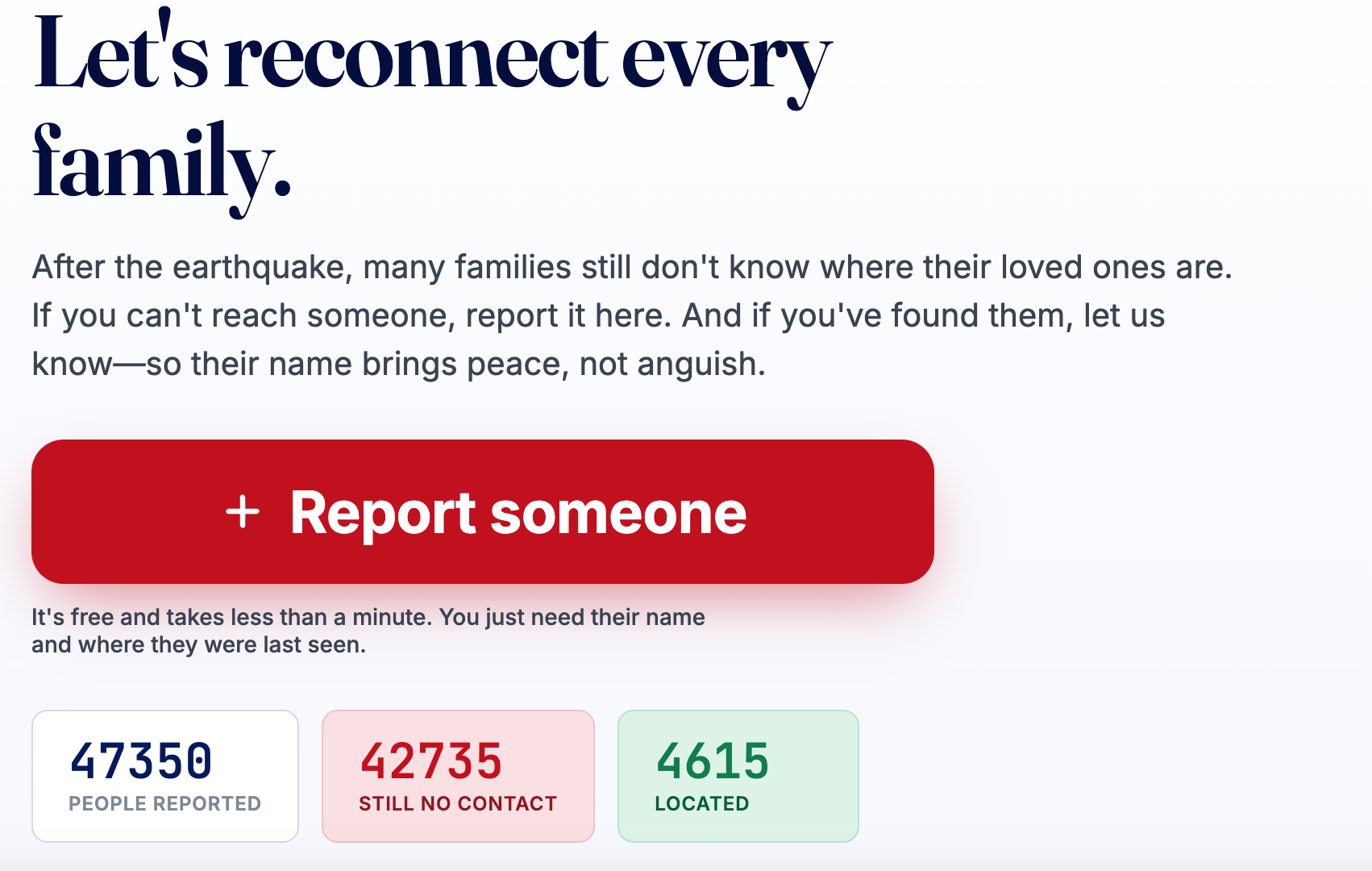
A website has been created by the Venezuelan government to track missing people; it is currently being shared by politicians in the country as well as political rivals from outside of Venezuela. While news sources could not verify every report, the grassroots approach of the website is encouraging. Currently, the site claims there are more than 30,000 people unaccounted for. The 7.5 magnitude quake was Venezuela's strongest since 1900. The country lies on the boundary between the Caribbean and South American tectonic plates and has suffered devastating earthquakes, including one that killed an estimated 30,000 people in 1812.
Venezuela's economy already in dangerous territory
Before the earthquakes, Venezuela was already suffering from an economic crisis. Inflation is still estimated at more than 400 per cent. GDP per capita is projected to reach only about US$4,140 in 2026, leaving many families unable to afford basic necessities. More than 7.7 million Venezuelans have fled the country since the crisis began, creating one of the world's largest displacement crises. Years of underinvestment have also left critical infrastructure in disrepair, with frequent power outages, unreliable water systems and crumbling transportation networks disrupting businesses, reducing productivity and making it even harder for the country to attract investment or sustain long-term economic growth. Venezuela also experienced a violent regime change in 2026, with President Nicolas Maduro being kidnapped by the US, and Rodriguez being pushed in his place.
International response
There has been an overflow of positive responses from around the globe, including from countries with which Venezuela is at odds. With international rescue teams on their way, Rodriguez thanked both Donald Trump and Vladimir Putin for their support. Trump and Putin both committed significant time and energy to destabilizing Venezuela's economy this year, but have set aside their judgments to help the country during this national disaster. Trump commented on the incident, claiming the US is willing to help, and calling Venezuela America's ‘friend'.
The U.S.A. stands ready, willing, and able to help! I have instructed all agencies of our government to get ready to move quickly. We will be there for our new and great friends.
-Donald Trump via Truth Social
U.N. aid chief Tom Fletcher has said the U.N. was coordinating the deployment of international rescue teams. Fletcher stressed that conquering this disaster will require a massive collective effort from countries across the globe. Before the earthquake, there were already eight million Venezuelans in need of humanitarian aid. The U.N.'s Venezuela human rights mission urged the government to lift restrictions on some social media, saying it was a “matter of life and death”. Access became available in some areas of the country, where cell services are unreliable. Access to social media networks in Venezuela remains heavily restricted by state regulators following a period of extended censorship and political upheaval.
Canada prepping assistance
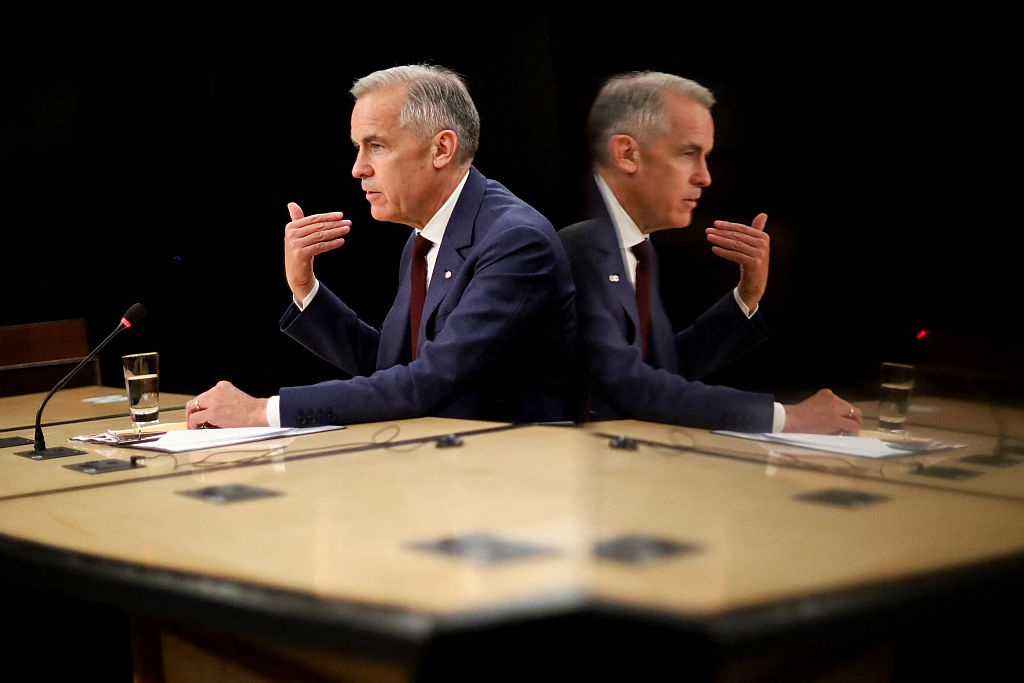
Canadian Prime Minister Mark Carney spoke about the disaster on June 25. Carney claimed that Canada was ready and willing to supply humanitarian aid to Venezuela, but the country needed to figure out the logistics first. Carney cited the lack of Canadian presence in Venezuela, describing the country as one Canada has not seen ‘eye-to-eye' with in the last few years. Still, Carney said he would be working with international partners to ensure that Canada can play a role in aiding Venezuela. Global Affairs Canada officials are in touch with regional partners and aid groups. Foreign Affairs Minister Anita Anand said Canada was dedicated to helping the country. Canada and Venezuela have not formally severed relations, but Ottawa closed its Caracas embassy in June 2019 after Venezuela refused to renew expiring visas for diplomats.
