

/https%3A%2F%2Fcdn-tor.buminteractif.com%2F2026%2F06%2F19162313%2FGettyImages-2271152109.jpg)
Quebec's social housing system is reportedly facing challenges on multiple fronts as demand for affordable units continues to grow. Data shows that Quebec's aging buildings are falling into disrepair, and policymakers are struggling to determine how best to manage a sector that houses tens of thousands of low-income residents. A new report revealed that nearly one-third of Quebec's social housing units require major repairs. In the face of that report, the provincial government abandoned its plan to take greater control of housing co-operatives after widespread opposition. Housing advocates are now warning that decades of underinvestment continue to affect some of the province's most vulnerable residents.
Quebec social housing is crumbling
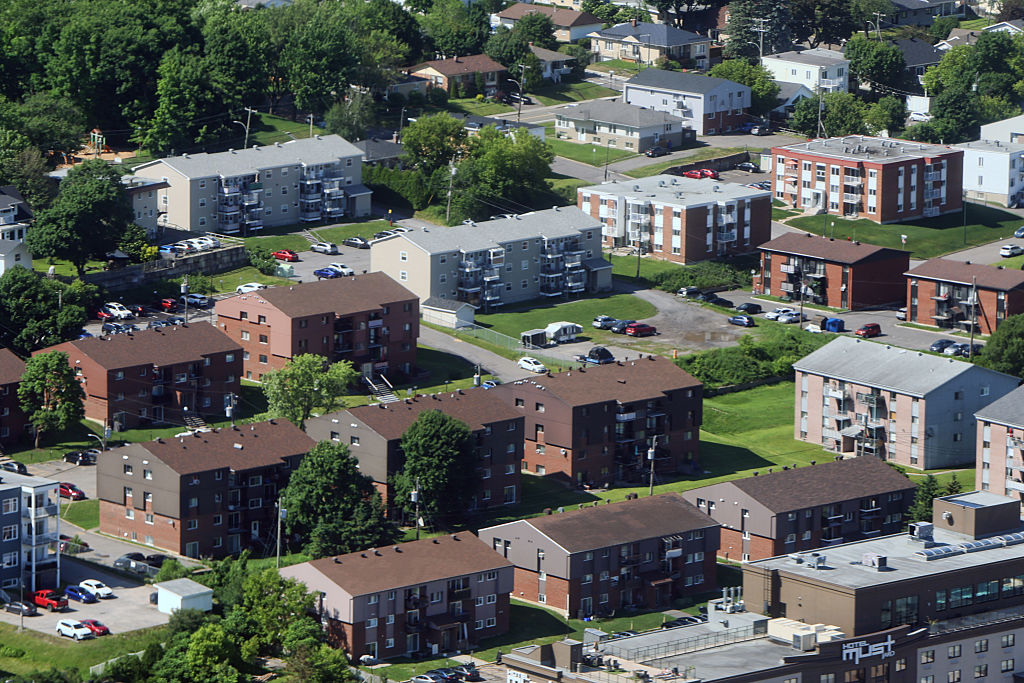
According to figures published by Quebec's housing authority, approximately 31 per cent of the province's social housing units are in need of significant repairs. The numbers show us a glimpse into the problems that Quebec's public housing system faces. The system includes public housing, housing co-operatives, and non-profit housing organizations. According to the housing authority, many of the buildings were constructed decades ago and now require extensive renovations to their roofs, plumbing systems, heating equipment, and structural systems. Housing advocates argue that years of insufficient investment have allowed maintenance backlogs to grow, leaving many residents living in deteriorating conditions while waiting for repairs to be completed.
We have neglected social housing for decades.
-Véronique Laflamme, Front d'action populaire en réaménagement urbain (FRAPRU)
The situation has become increasingly difficult for Quebec residents as demand for affordable housing continues to outpace supply. Quebec's vacancy rate remains among the lowest in the country, particularly in major urban centres such as Montreal and Quebec City. At the same time, the cost of renting has increased significantly in recent years, pushing more households toward subsidized housing options. Now, Quebec has a growing waiting list for social housing units, and pressure is increasing on organizations responsible for maintaining the aging buildings. Housing groups say the shortage is no longer simply a housing issue but has impacts affecting health, education and economic stability.
Quebec government scraps housing plan
While concerns about infrastructure have been growing, Quebec's government has faced resistance to proposed changes to the management of housing co-operatives. Earlier this year, the province introduced legislation that would have granted the Société d'habitation du Québec greater authority over housing co-ops. The proposal immediately garnered criticism from co-operative housing organizations, who argued that the reforms would threaten the independence and democratic governance structures that have long defined the sector. Housing co-operatives operate differently from traditional public housing because residents collectively participate in management decisions and building operations.
The backlash ultimately prompted the government to reverse course. Following consultations with housing organizations, Quebec Housing Minister France-Élaine Duranceau announced that the province would abandon the controversial changes. The decision was widely welcomed by co-operative housing groups, many of which argued that the original proposal would have undermined a successful model that has provided affordable housing for decades. The government's retreat highlighted the influence of housing organizations, but it has now put the CAQ into a position where it needs to reassess its long-term plan to fix the affordable housing crisis in its province.
Quebec heard the sigh of relief of the 30,000 households that live in housing co-ops
Patrick Préville, CEO of the Fédération de l'habitation coopérative du Québec
Co-operative housing has historically been viewed as one of the more stable forms of affordable housing because residents have a direct stake in maintaining their communities. Advocates warned that increasing provincial control could discourage participation and weaken a model that has helped provide affordable housing to thousands of Quebec households.
What's going to change?
Housing experts argue there is no single solution capable of addressing every challenge. Instead, they say Quebec will likely require a combination of new construction, infrastructure investment and policy reforms if it hopes to stabilize the sector over the coming years. Whether those solutions arrive quickly enough remains uncertain. Housing advocates have repeatedly warned that delays in construction and maintenance only increase costs in the long run while leaving vulnerable residents waiting for help. The government's decision to abandon its co-op reforms may have eased tensions with housing organizations, but it does not solve the larger problems facing the sector. As demand for affordable housing grows and existing buildings age, Quebec's social housing system faces a serious question. How will it create new social housing while preserving the systems that are already in place?
