Why Several U.S. Democrats Are Aligning Themselves with Mark Carney: Background, Issues, and Consequences


/https%3A%2F%2Fcdn-tor.buminteractif.com%2F2026%2F06%2F29135956%2FGettyImages-2282736319-1.jpg)
In recent weeks, rising stars in the U.S. Democratic Party have held a series of informal meetings with Mark Carney, the former governor of the Bank of England and governor of the Bank of Canada. At first glance, these appear to be private discussions between politicians and an economic expert. But these meetings reveal a great deal about the strategy, concerns, and ambitions of a significant faction within the Democratic Party as the 2028 elections approach.
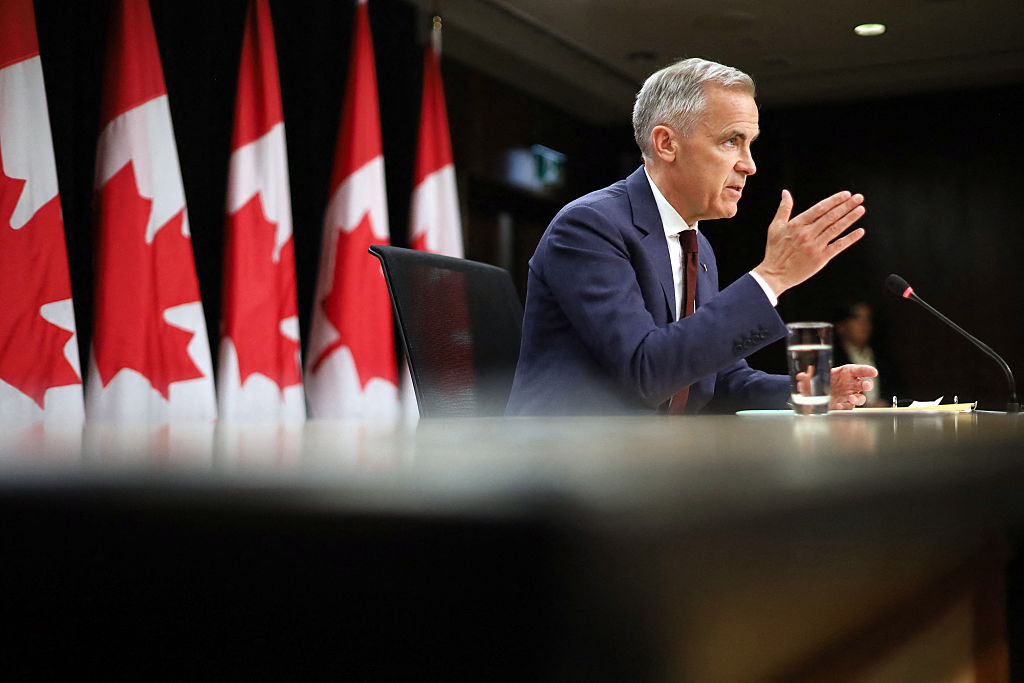
These meetings—reported in particular between Mark Carney and Pete Buttigieg, Senator Elissa Slotkin, and Governor Josh Shapiro—are not merely a public relations exercise. They are part of a political and strategic strategy: to strengthen cross-border ties, promote a centrist model, and develop an alternative economic roadmap to counter the recent polarization of American politics.
Mark Carney is seen as a pragmatic and moderate authority figure, capable of speaking to financial circles, policymakers, and centrist voters alike. His career—from the Bank of Canada to the Bank of England, and then to international roles—gives him particular credibility on macroeconomic issues, financial stability, and international cooperation.
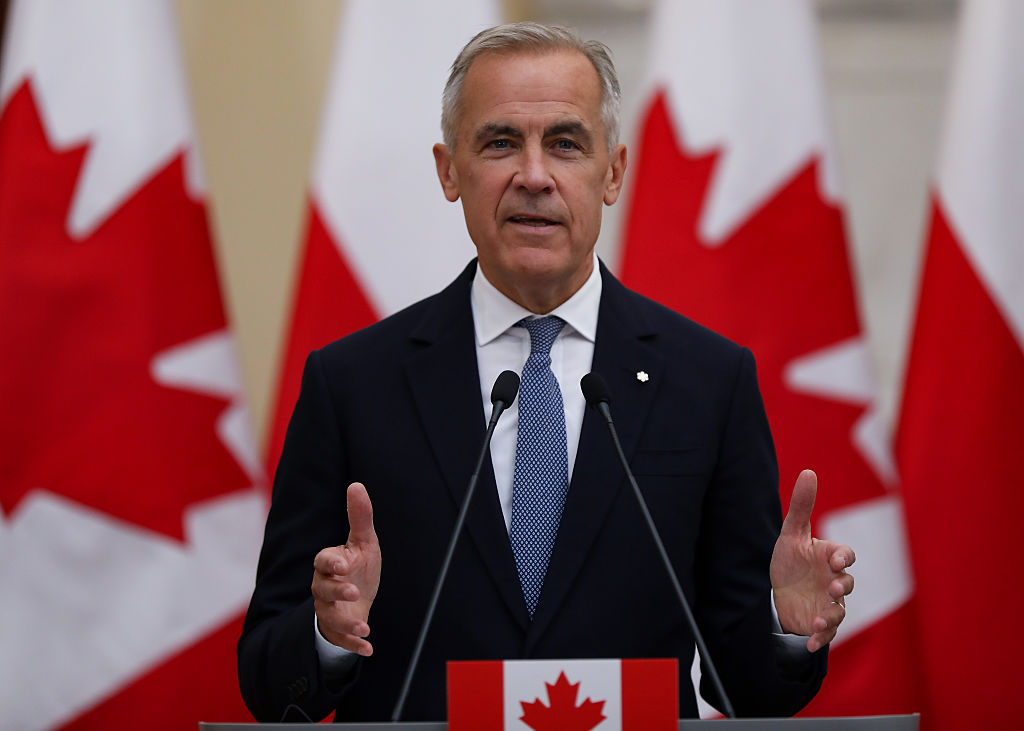
Specifically, the discussions focused on trade, economic sovereignty, and how to respond to the protectionist policies that characterized the Trump era. Josh Shapiro particularly emphasized the importance of trade between Pennsylvania and Canada—estimated at several billion dollars—and the need to avoid tariff wars that undermine local supply chains.
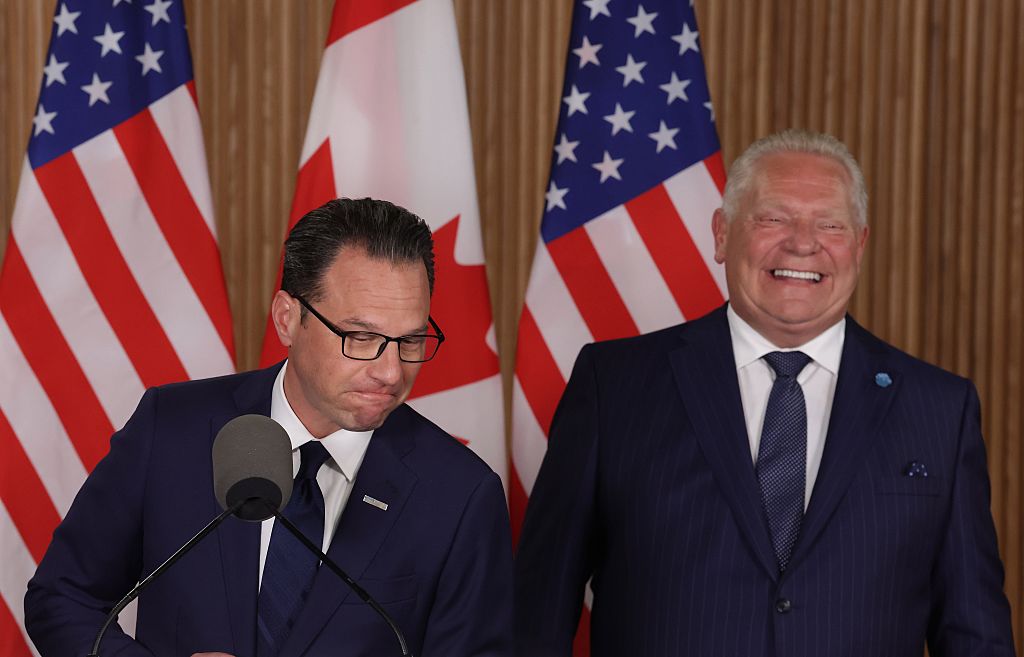
In an interview, Shapiro emphasized: “I really wanted to make it clear that we respect Canadian sovereignty,” highlighting the importance of a pragmatic and mutually beneficial partnership. This type of message aims to reassure moderate voters and trading partners amid recent geopolitical and trade upheavals.

For elected officials like Shapiro who are considering a national run, aligning with a figure perceived as reasonable and experienced also sends a political signal: he is not in favor of isolationist options or extreme partisan reactions. This positioning aims to appeal to centrist voters concerned about the rise of extremism, whether on the right or the left.
What these meetings imply:
- Strengthening bilateral relations: The focus is on overhauling local trade agreements to avoid protectionist measures that harm border economies.
- The pursuit of a centrist model: Carney embodies a pragmatic, less ideological style of leadership that appeals to strategists seeking to win back moderate voters.
- Electoral message: Projecting a stable and cooperative economic approach to distinguish themselves from populist turmoil.
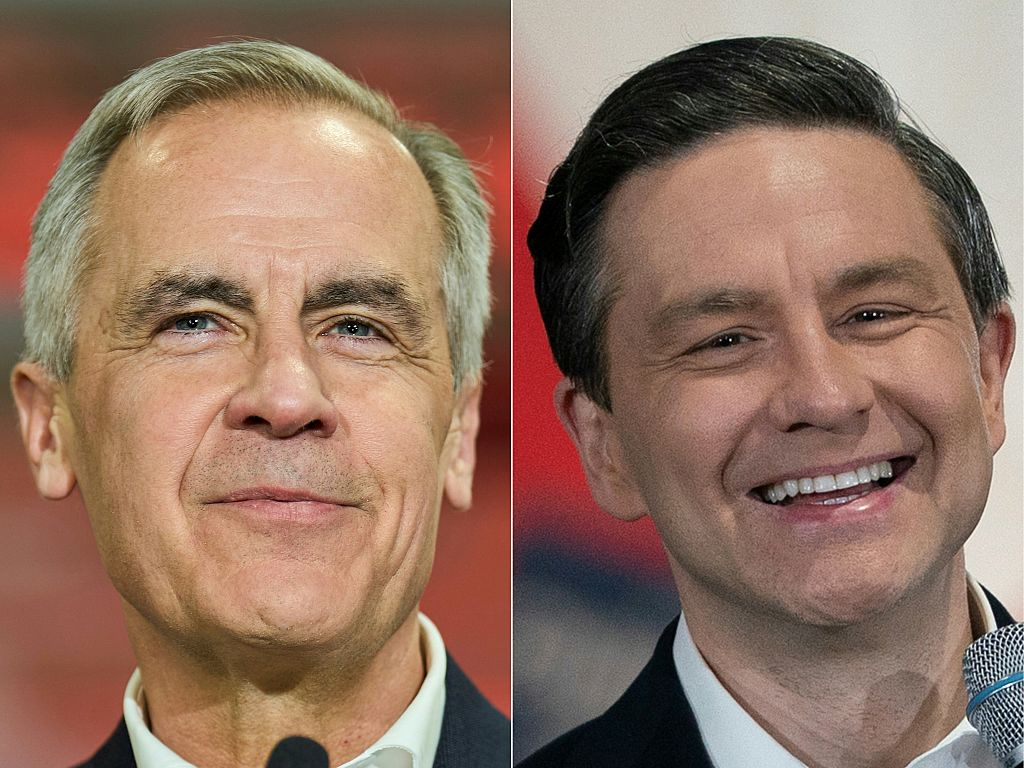
But these alignments also carry internal tensions. A growing faction within the Democratic Party—notably social democrats—is calling for clearer breaks with the status quo on economic policy, redistribution, and regulation. For them, a model overly focused on macroeconomic orthodoxy hinders the expected social transformation. The meetings with Carney thus reveal a strategic debate: should the party reposition itself to appeal to the average voter, or should it emphasize a break with the past to meet demands for social justice?
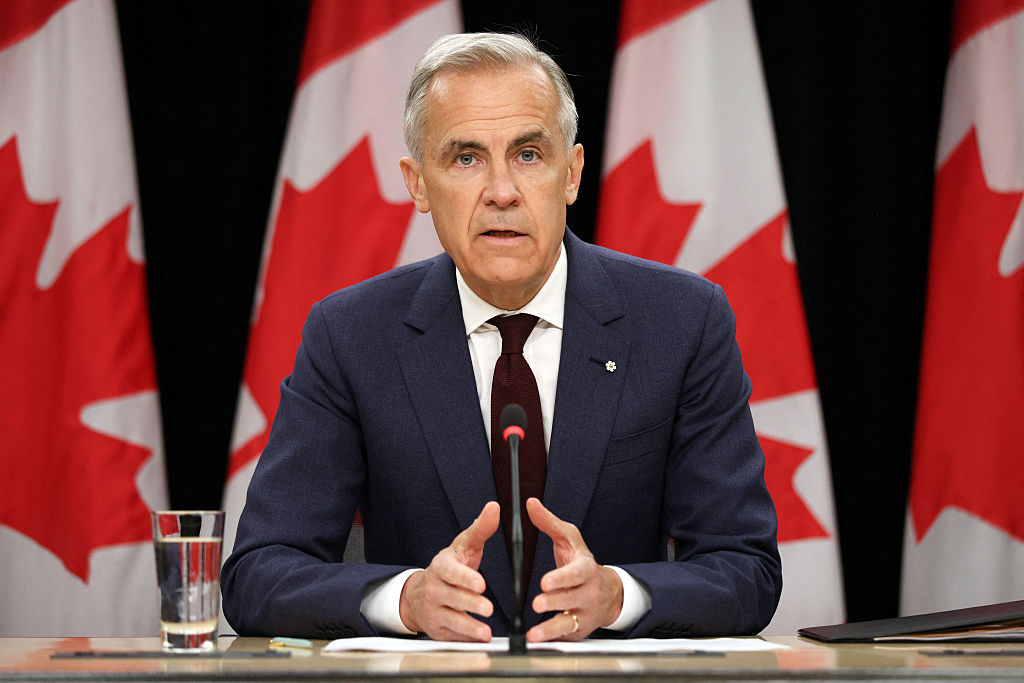
Another factor to watch: the international perspective. Enlisting a foreign figure—even a respected one—can fuel criticism about foreign influence in domestic politics. The candidates' teams will therefore need to communicate transparently: this is an exchange of expertise, not political interference.
In summary, these meetings with Mark Carney reflect a desire among some Democrats to build a credible alternative to populism and extremism, drawing on economic leadership seen as prudent and unifying. They also highlight internal tensions within the party between centrist pragmatism and more assertive progressive ambitions. As 2028 approaches, these discussions could help shape economic and trade positions that may influence the campaign, trade policy, and, potentially, long-term cross-border alliances.
Key takeaways:
- Mark Carney is sought after for his expertise and his reputation as a pragmatic centrist.
- The meetings aim to reassure stakeholders on trade, economic stability, and Canada–U.S. relations.
- These efforts reflect an internal debate within the Democratic Party over the strategic direction to adopt ahead of 2028.
- Transparency regarding the nature of these discussions will be essential to avoid criticism of foreign interference.
Ultimately, the interest in Carney illustrates the search for a balance: how to combine economic credibility, international cooperation, and a response to the social expectations of a fragmented electorate? The coming months will reveal whether these discussions translate into concrete proposals or remain merely symbolic meetings between experts and aspiring leaders.