Trump Claims He Needs a Restraining Order Against Italy’s Giorgia Meloni Before NATO Summit


/https%3A%2F%2Fcdn-tor.buminteractif.com%2F2026%2F07%2F06165628%2Ftrump-meloni-getty45345dfgdfg34234sdfs.jpg)
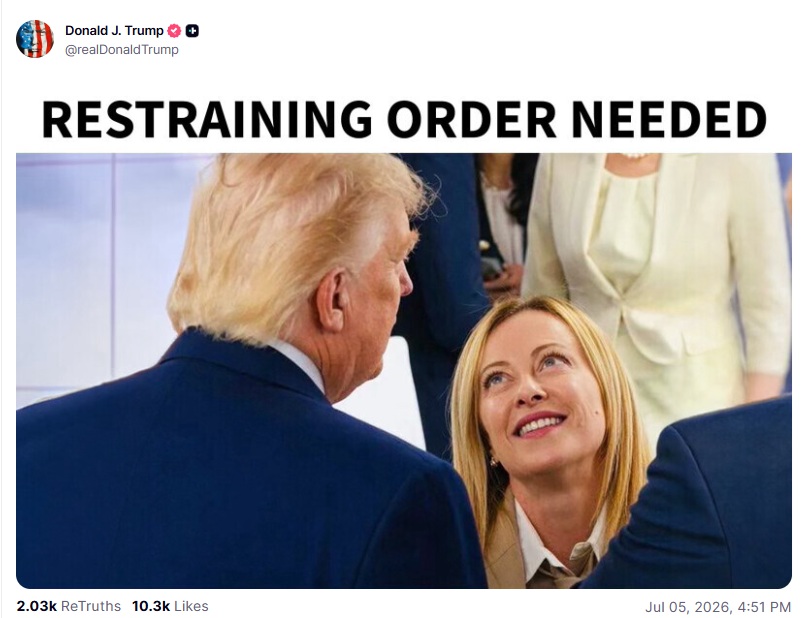
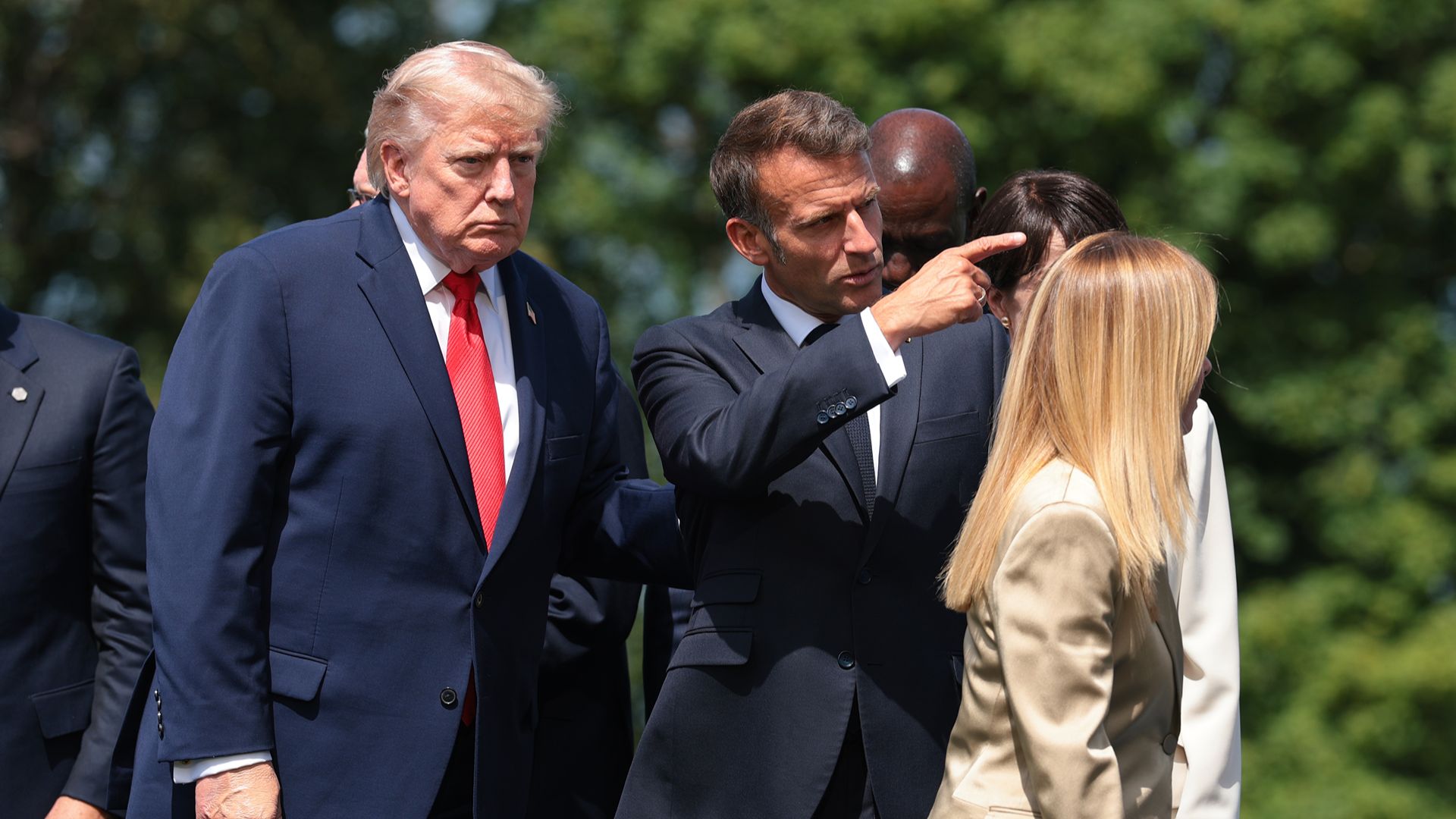
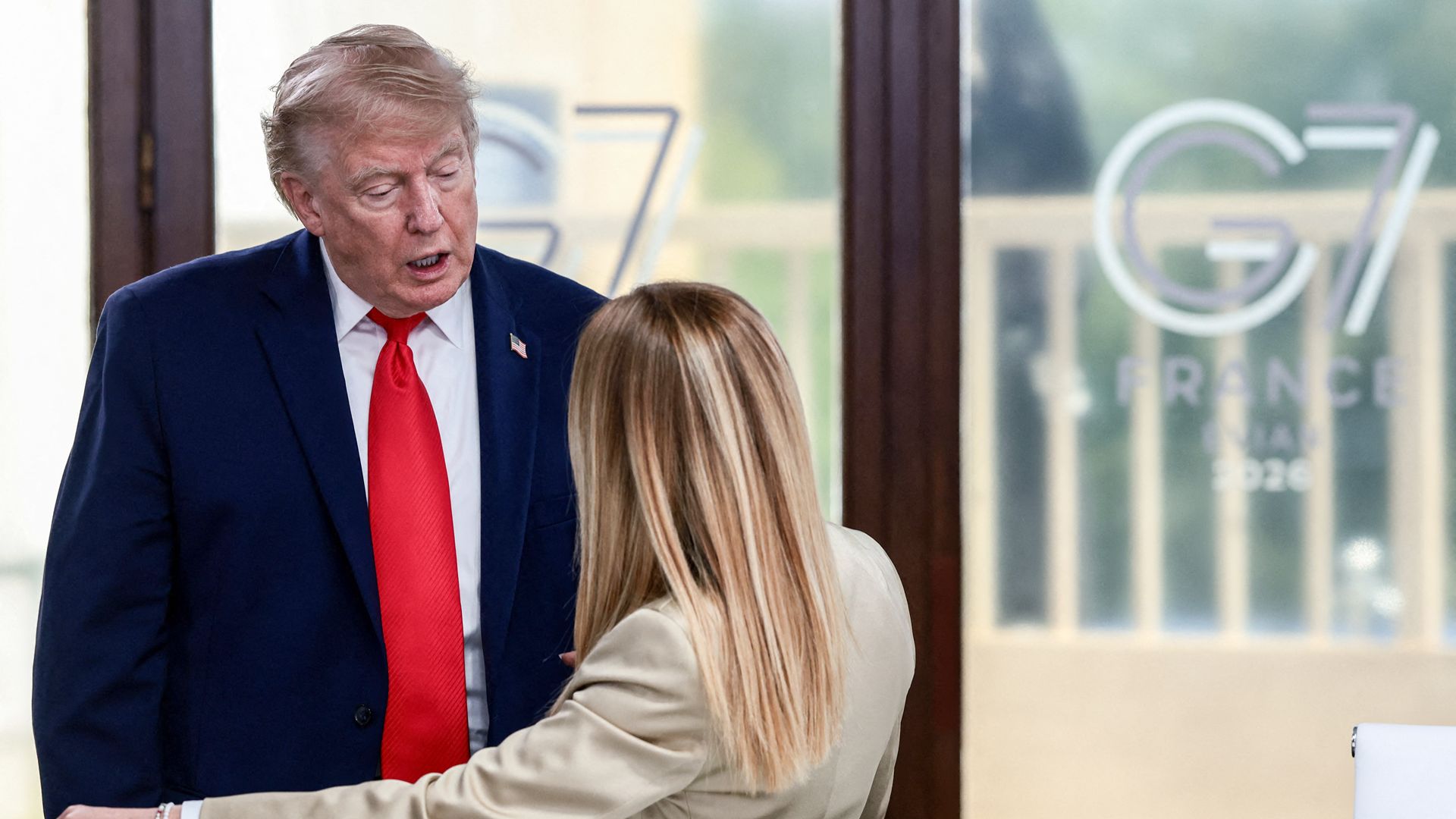
Donald Trump revived his increasingly strange public feud with Italian Prime Minister Giorgia Meloni just before a NATO summit, using Truth Social to mock one of Washington's closest European allies with a post suggesting he needed legal protection from her attention. The escalation came weeks after the June G7 Summit in Evian-les-Bains, France, where a routine photo opportunity turned into a diplomatic rupture after Trump claimed Meloni had pressed him repeatedly for a picture. His latest post, showing Meloni looking up at him with the caption «restraining order needed», transformed a personal insult into a new flashpoint between the United States and Italy at a moment when NATO leaders were preparing to confront deep divisions over Iran, European defense commitments and the limits of alliance loyalty.
The dispute began after Trump told Italian broadcaster La7 that Meloni had pursued a photograph with him during the G7 gathering because she needed the image for domestic political reasons. According to Trump, the Italian leader had asked so insistently that he eventually agreed out of pity. «She begged me to take a photo with her. She wanted a photo with me so badly — I could have skipped it, but I felt sorry for her,» he said. The remark immediately landed as a public humiliation of a leader who had previously worked to maintain a functional relationship with Trump despite widening policy differences. What could have been dismissed as another offhand jab instead became a symbolic break, with Trump using the language of personal dominance to describe an ally already under pressure at home and abroad.
«Italy and I do not beg.»
-Italian Prime Minister, Giorgia Meloni
Meloni rejected the accusation forcefully, responding in a video message that Trump's version of events was false and politically insulting. She described the claim as «completely fabricated» and added, «Italy and I do not beg.» Her response marked one of her sharpest public rebukes of Trump, especially given that the two leaders had often been grouped together ideologically on immigration, nationalism and conservative governance. Meloni also criticized Trump for turning his attacks toward allies at a moment of serious international instability, saying her popularity in Italy was not his concern. The exchange quickly moved beyond personality, however, because the argument unfolded against a broader backdrop of disagreement over Iran, NATO obligations and Washington's expectation that European partners support American military decisions without hesitation.
Behind the photo dispute was a deeper strategic rift that had been growing for months. Italy's refusal in March to allow American bombers to use Italian airbases, including facilities in Sicily, for offensive strikes against Iran without explicit Italian parliamentary approval became a central source of frustration for Trump. His administration had pushed European allies to align more closely with U.S. and Israeli operations after Iran's blockade of the Strait of Hormuz, while Meloni resisted being pulled into an open-ended military confrontation without domestic authorization. Trump later accused Italy and other NATO partners of failing to stand with Washington when tested, turning a military policy dispute into a loyalty test. The disagreement exposed the fragility of a relationship that had once appeared politically convenient for both leaders.
The relationship had already been strained by another sensitive dispute earlier in the year, when Meloni publicly defended Pope Leo XIV after Trump attacked the pontiff over his condemnation of the Iran war. For Meloni, the episode placed her between her alignment with Washington and the political reality of leading a heavily Catholic country where open hostility toward the pope carried obvious risks. For Trump, Meloni's refusal to echo his position reinforced his view that European allies were taking American protection while withholding support when U.S. interests were at stake. That tension helped explain why a seemingly petty argument over a photograph escalated so quickly into a diplomatic incident. The personal language was theatrical, but the political context was not: the clash reflected growing resentment inside the alliance over military commitments, sovereignty and public deference to Trump.
«She begged me to take a photo with her. She wanted a photo with me so badly — I could have skipped it, but I felt sorry for her.»
-U.S. President, Donald Trump
The fallout soon reached Italy's foreign ministry, where Foreign Minister Antonio Tajani canceled a planned trip to Washington and described Trump's remarks as «serious and offensive.» His decision signaled that Rome did not intend to treat the episode as a harmless joke or a minor social media provocation. With both Trump and Meloni heading into a NATO summit, the timing made the dispute especially awkward for allies already trying to project unity over defense spending, Iran and the credibility of Western deterrence. Trump's «restraining order needed» post may have been framed as mockery, but it revived a broader question about whether his confrontational style toward allies is now becoming a central feature of U.S. diplomacy. For Meloni, the challenge is no longer only denying one insulting claim, but showing that Italy can resist public humiliation without rupturing its most important alliance.
Created by humans, assisted by AI.
 Experts points at Trump's declining health after G7
 CSIS says Russia is losing ground after 1.4 million Ukraine war casualties