

/https%3A%2F%2Fcdn-tor.buminteractif.com%2F2026%2F07%2F20145347%2Ftrump-canada-getty-45634dfgdfg345345dfgd.jpg)
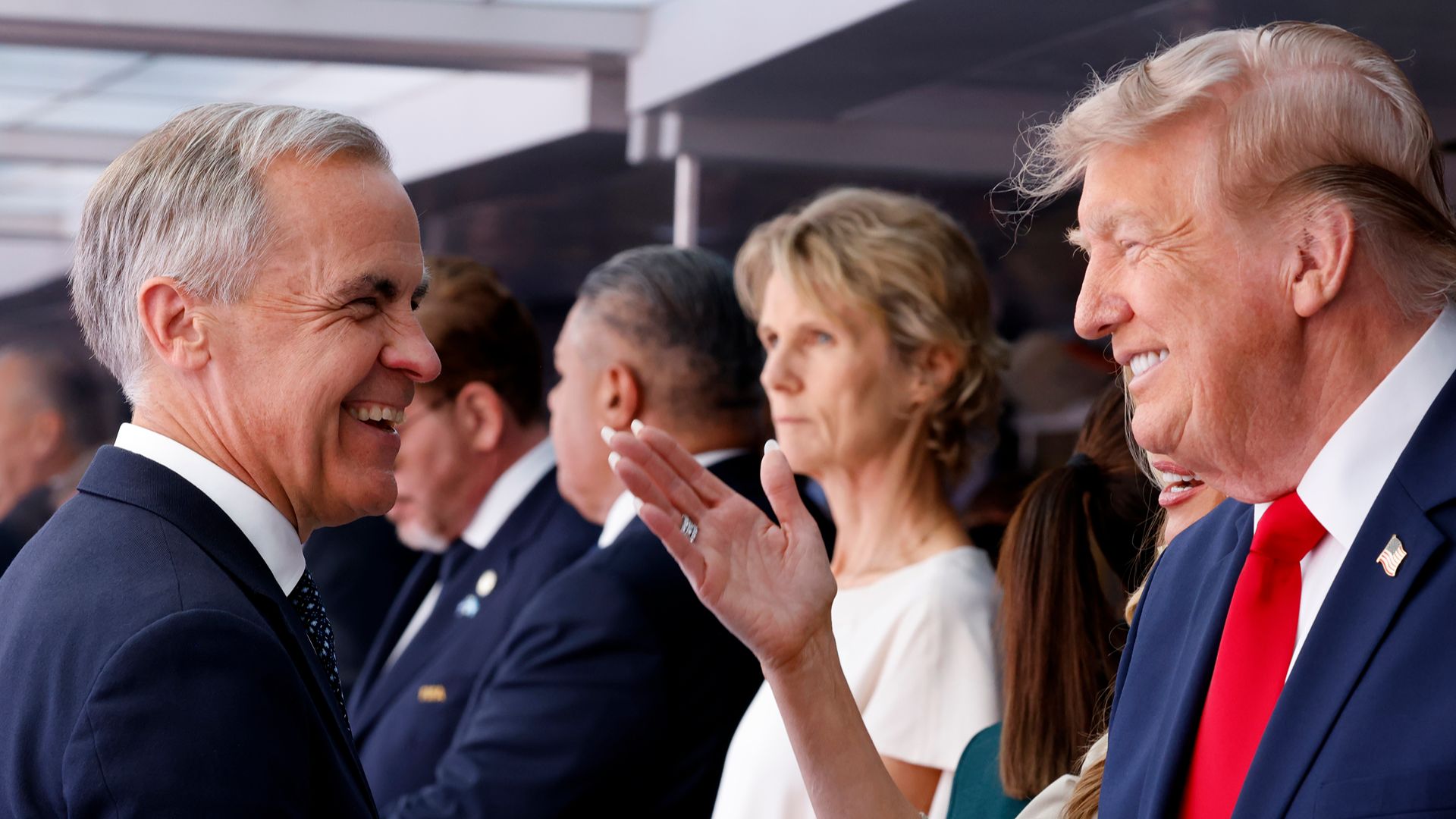
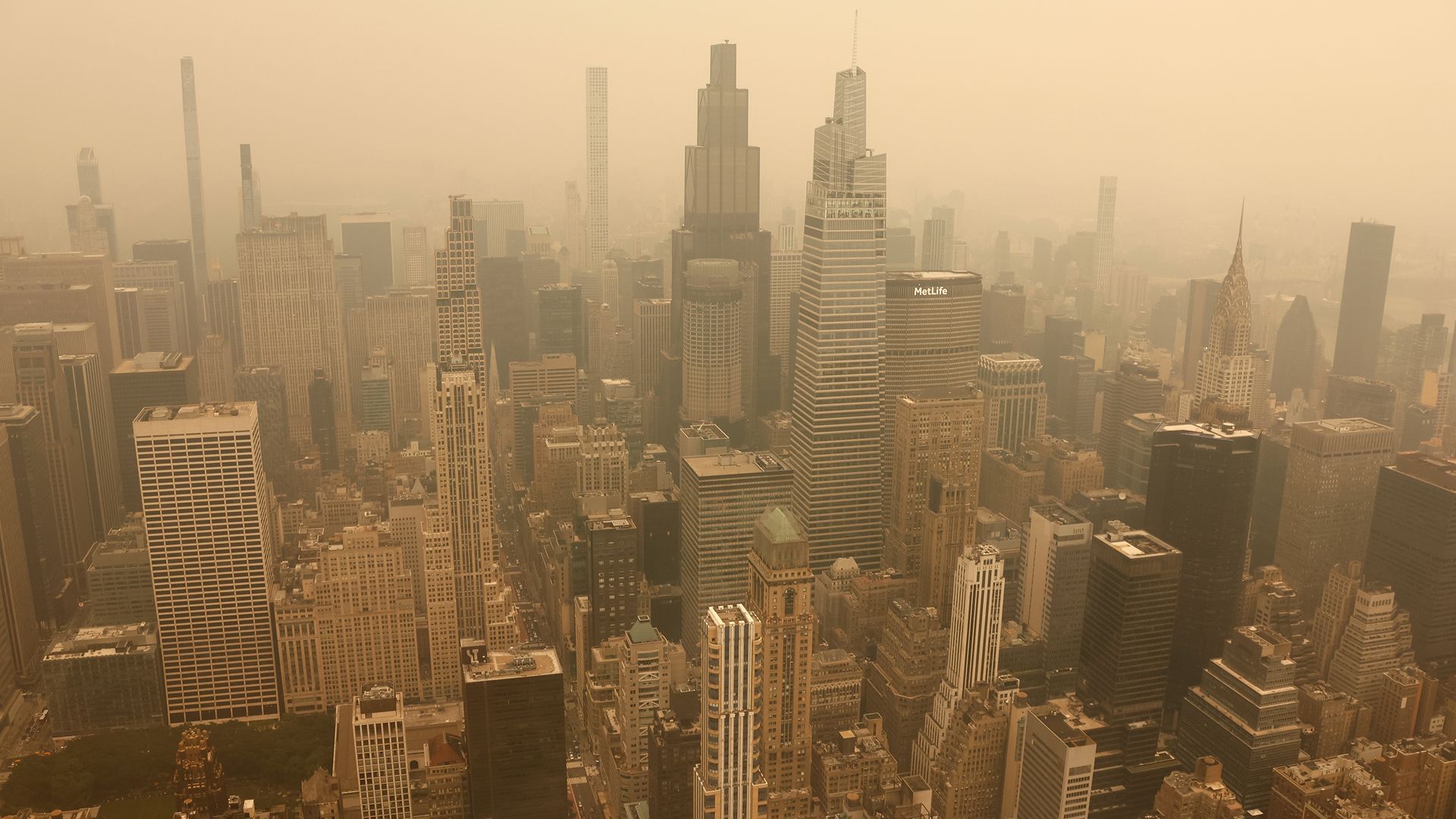
Donald Trump confronted Canadian Prime Minister Mark Carney during the FIFA World Cup final, demanding action against the enormous wildfires whose smoke had repeatedly crossed the border and blanketed large sections of the United States. The unusually tense diplomatic exchange unfolded July 19 as both leaders attended the championship match between Spain and Argentina at MetLife Stadium in East Rutherford, New Jersey. Smoke generated by fires burning across Ontario and other Canadian provinces had created unhealthy conditions in several American cities, prompting air-quality warnings and renewed concern about the growing economic consequences of severe fire seasons. In Michigan, the haze penetrated some workplaces and disrupted industrial activity, giving Trump an opportunity to connect the environmental emergency with his broader trade campaign against Canada. What was intended to showcase cooperation among the three World Cup host countries instead became the setting for another confrontation between Washington and Ottawa.
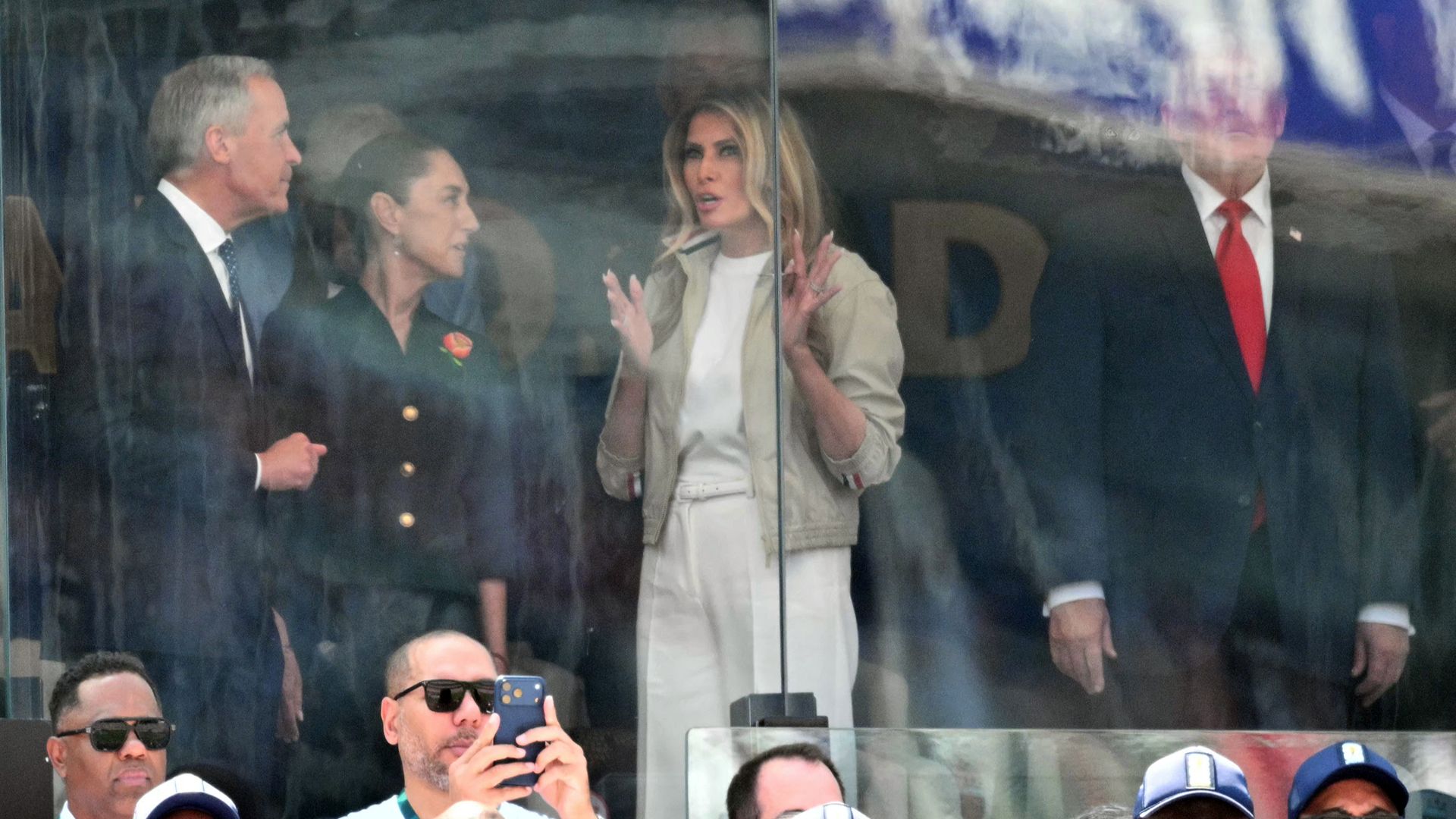
Trump and Carney watched the final from a luxury suite also occupied by Mexican President Claudia Sheinbaum, FIFA President Gianni Infantino and other international dignitaries. Despite the ceremonial atmosphere surrounding one of the world's largest sporting events, Trump said he directly pressed the Canadian leader about the smoke entering the United States. After returning to Joint Base Andrews, he described the conversation to reporters: «I told him, I mean, ‘You got to stop these fires from coming in and, you know, poisoning our air. Our air has been poisoned.'» Trump then transformed the environmental dispute into a potential financial claim against Canada, arguing that the damage suffered by American communities and businesses could justify compensation. He suggested Canada should «pay us some damages or something, or we should do some tariffs,» extending his use of import duties as leverage into a crisis traditionally managed through environmental cooperation and emergency-response agreements.
«We are holding Canada responsible for the fact that they are not properly maintaining their Forests, and Brush therein, and the United States is being unnecessarily invaded by filthy, polluted, and unhealthy air, the quality of which is dangerous, and totally unacceptable!»
-U.S. President, Donald Trump
The confrontation at the stadium followed several days of increasingly aggressive statements from Trump, who had already accused the Carney government of failing to manage Canada's forests and remove dangerous vegetation. On July 17, he wrote on Truth Social: «We are holding Canada responsible for the fact that they are not properly maintaining their Forests, and Brush therein, and the United States is being unnecessarily invaded by filthy, polluted, and unhealthy air, the quality of which is dangerous, and totally unacceptable!» He announced his intention to contact Carney directly, adding: «I will call the Prime Minister during the day to find out what they are going to do about it. The cost is incalculable!» Trump portrayed the recurring smoke as the foreseeable result of Canadian policy rather than an uncontrollable natural disaster, declaring: «Canada has refused to engage in basic Forest Management and Debris Removal, knowing that such refusal will lead to exactly this result.»
Trump continued his criticism by linking the wildfire smoke directly to the broader trade dispute between the United States and Canada. In the same Truth Social statement, he argued that the recurring environmental crisis was creating billions of dollars in economic damage south of the border, affecting factories, businesses and workers across several states. He concluded with an explicit warning that the financial impact should become part of future trade measures, writing: «This is Willful Negligence, and becoming a yearly occurrence, costing the United States Billions of Dollars, which cost of this pollution must of necessity be added to the TARIFFS Canada is currently paying. Thank you for your attention to this matter!» Trump has increasingly used tariffs as a negotiating tool throughout his second term, applying or threatening new duties over issues extending well beyond traditional trade disagreements. His latest comments suggested that environmental events occurring outside U.S. borders could also become justification for economic retaliation if Washington believes American industries are bearing the cost.
Canadian officials quickly rejected Trump's accusations, insisting the devastating wildfire season is part of a much larger global trend rather than the consequence of negligent forest management. Mark Carney dismissed the suggestion that Canada should compensate the United States or face additional tariffs, arguing that increasingly destructive fire seasons are being driven by climate change affecting countries around the world. Rather than accepting responsibility, Carney emphasized Canada's investments in clean energy and wildfire resilience while contrasting them with policies pursued by the Trump administration, which has rolled back or withdrawn support for several international climate initiatives. Canadian officials also noted that extreme heat, prolonged drought and changing weather patterns have significantly expanded the scale and intensity of wildfires in recent years, making suppression efforts increasingly difficult despite substantial federal and provincial resources being committed to firefighting operations throughout the country.
«I told him, I mean, You got to stop these fires from coming in and, you know, poisoning our air. Our air has been poisoned.»
-U.S. President, Donald Trump
Ontario Premier Doug Ford also responded forcefully to the rhetoric coming from Washington, arguing that American leaders were overlooking the long history of cooperation between the two countries during natural disasters. Ford said U.S. politicians have a «very short memory,» pointing to the repeated deployment of Canadian water bombers, firefighters and emergency personnel to assist American states battling catastrophic wildfires, including some of California's largest fire emergencies. His remarks underscored Canada's position that wildfire response has traditionally been based on mutual aid rather than political confrontation, with both countries regularly sharing aircraft, specialized crews and emergency resources whenever major disasters overwhelm local capacity. The exchange nevertheless highlighted how one of North America's most destructive wildfire seasons evolved into a broader diplomatic dispute, combining environmental concerns, economic grievances and trade policy during an event intended to celebrate international cooperation through the FIFA World Cup.
Created by humans, assisted by AI.
 Trump administration hits Brazil with 25% tariffs, says it refused to negotiate «In good faith»
 Trump dismantles protection for Endangered Species Act