

/https%3A%2F%2Fcdn-tor.buminteractif.com%2F2026%2F07%2F21171813%2Fbiden-getty-34534dfgdfgdfs45345fgdfg.jpg)
The recent decision by the Federal Court of Appeals regarding Joe Biden's request to keep audio recordings made during interviews for his memoirs confidential has reignited both a legal and political debate. In a majority decision, the court ruled that the public interest in disclosure—with targeted redactions—outweighed the absolute right to privacy. This ruling brings us closer to the possibility that dozens of hours of recordings, some of which touch on highly intimate family matters, will be partially made public.
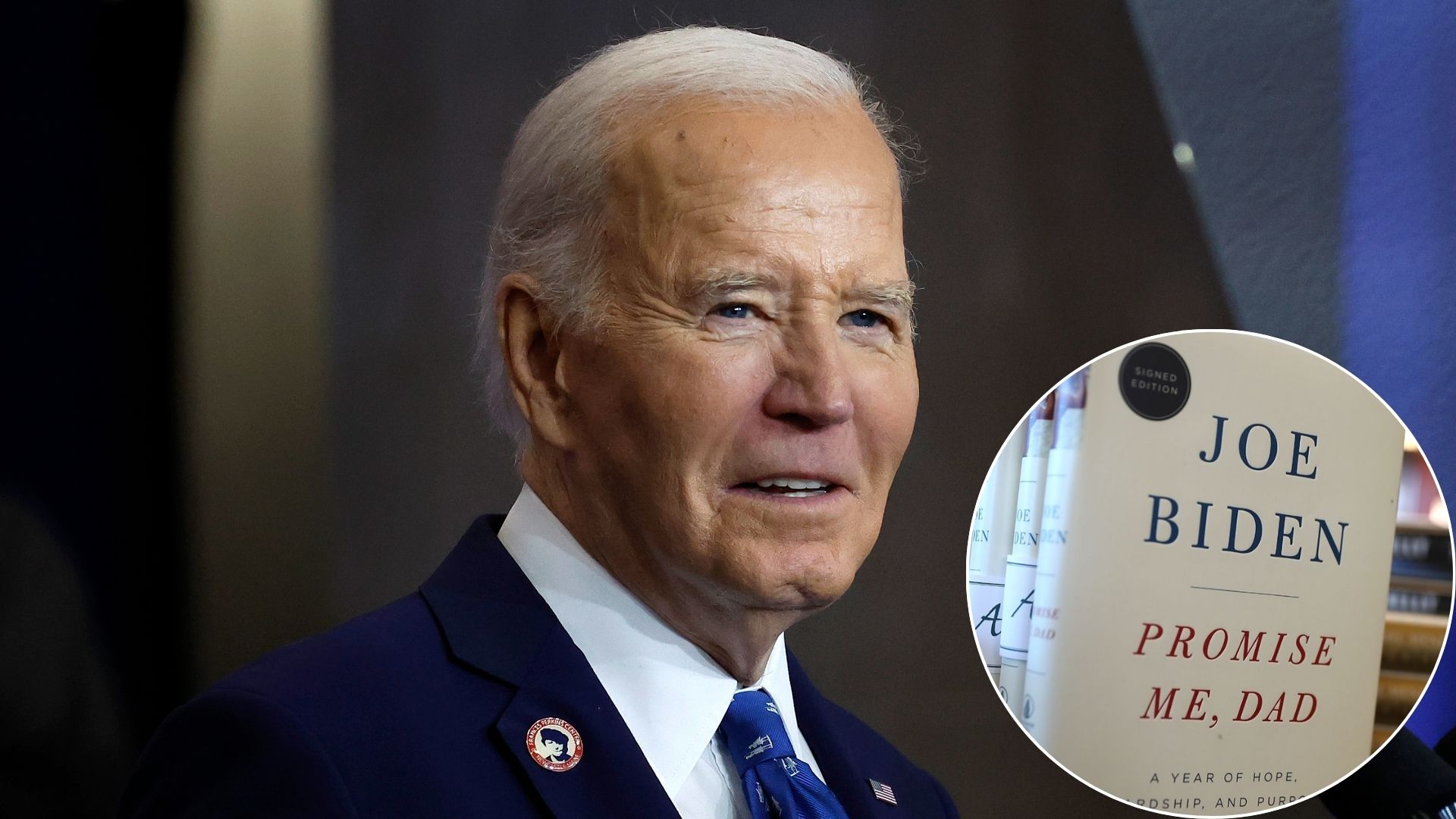
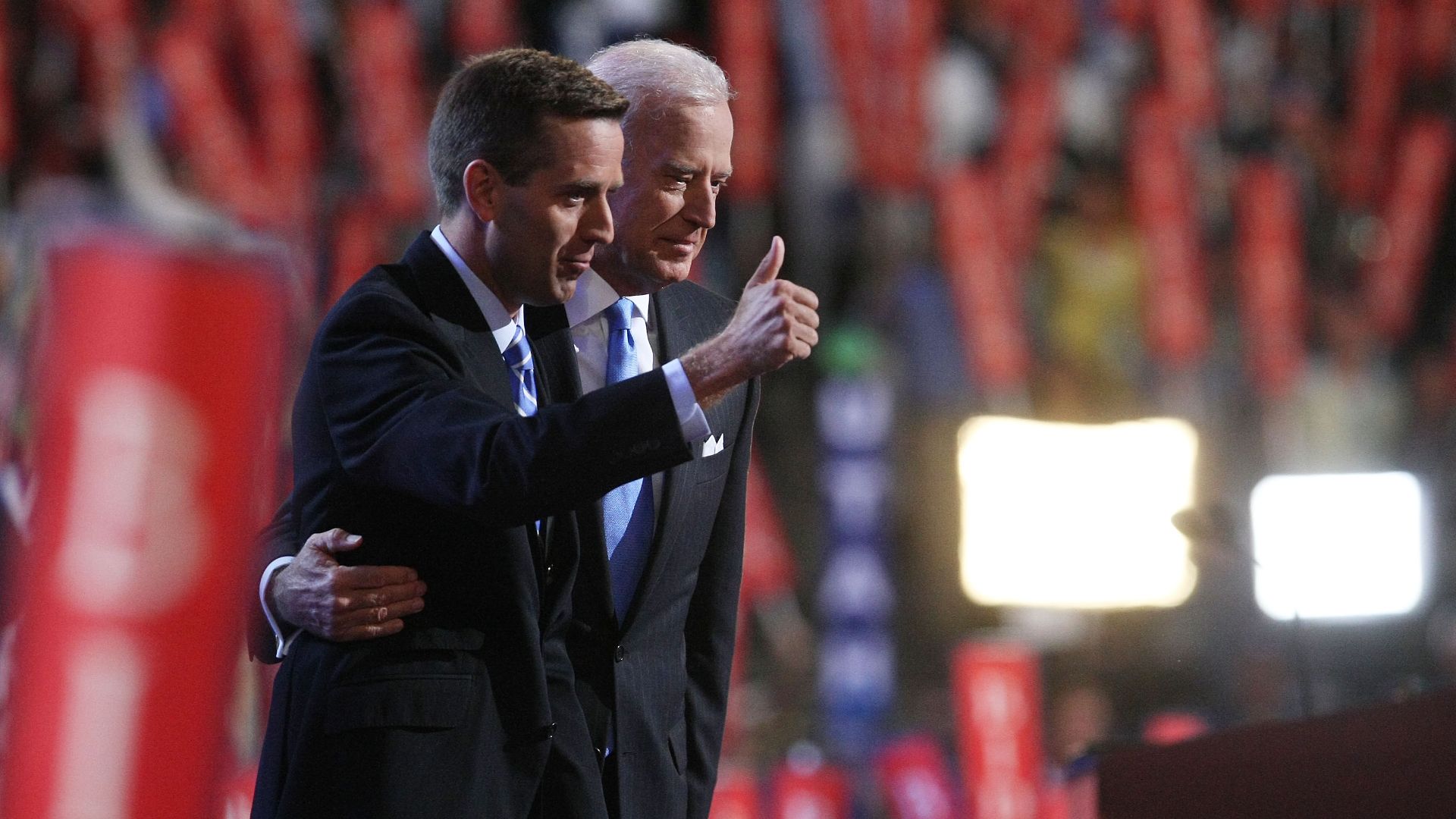
These recordings date from 2016 and 2017, during which time author Mark Zwonitzer interviewed Joe Biden for his memoirs, notably Promise Me, Dad. The conversations covered both professional and personal matters, including the illness and death of Mr. Biden's son, Beau. Originally intended for private and literary use, these audio recordings were subsequently seized by authorities as part of an investigation led by Special Counsel Robert Hur into the handling of classified documents.
Why did this become a legal issue? After the release of Hur's report—in which he ultimately decided not to pursue criminal charges—several organizations and elected officials invoked the Freedom of Information Act (FOIA) to gain access to the recordings and transcripts. Their argument is simple: transparency requires that the public be able to verify, by listening to the primary sources, the evidence on which the special counsel based his findings. The federal Department of Justice supported this position, arguing that a redacted release would serve the public interest while protecting genuinely private information.
The defense's arguments rest primarily on privacy concerns. Joe Biden's attorneys emphasized that these recordings consisted of deeply personal conversations that took place within a private residence and that they were more akin to diary entries or communications intended for a single author, not for public dissemination. They also noted that the investigation had not resulted in any charges, which, in their view, argues for special attention to be paid to confidentiality.
The appeals court, however, held that privacy protection should not be absolute in the face of a significant public interest. The majority of justices recommended targeted redactions to preserve strictly personal passages, while making the rest of the material—which could shed light on the conduct of the investigation and the special counsel's reasoning—accessible.
Practical and political implications: If the decision becomes final and the recordings are published—even in redacted form—this will allow the public and lawmakers to hear directly the exchanges to which Hur may have referred. This could clarify—or, conversely, complicate—the public's interpretation of the special prosecutor's report. Politically, the release could reignite debates about the mental capacity and accountability of leaders—issues that have already been sensitive since the release of Hur's report.
Legally, the case illustrates the tensions between confidentiality, the protection of literary and journalistic sources, and the public's right to information. It also raises questions about the scope of seizures made during federal investigations and the subsequent handling of materials originally produced in a private setting.
What happens next? The Court of Appeals has stayed the enforcement of its decision until August 3, giving Mr. Biden's team the opportunity to request an en banc hearing or to appeal to the Supreme Court. If no higher court rules on the matter, the Department of Justice will be required to share the recordings and their redacted transcripts with Congress and the public. This waiting period is crucial: it will determine whether the disclosure will take place and in what form.
In short, this case is far from being purely procedural: it challenges our democratic balance between essential transparency and respect for personal privacy, and it could have lasting implications for how content produced through literary or journalistic collaborations is protected.
