

/https%3A%2F%2Fcdn-tor.buminteractif.com%2F2026%2F08%2F17184007%2Ftrump-blanche-getty-345fdg.jpg)
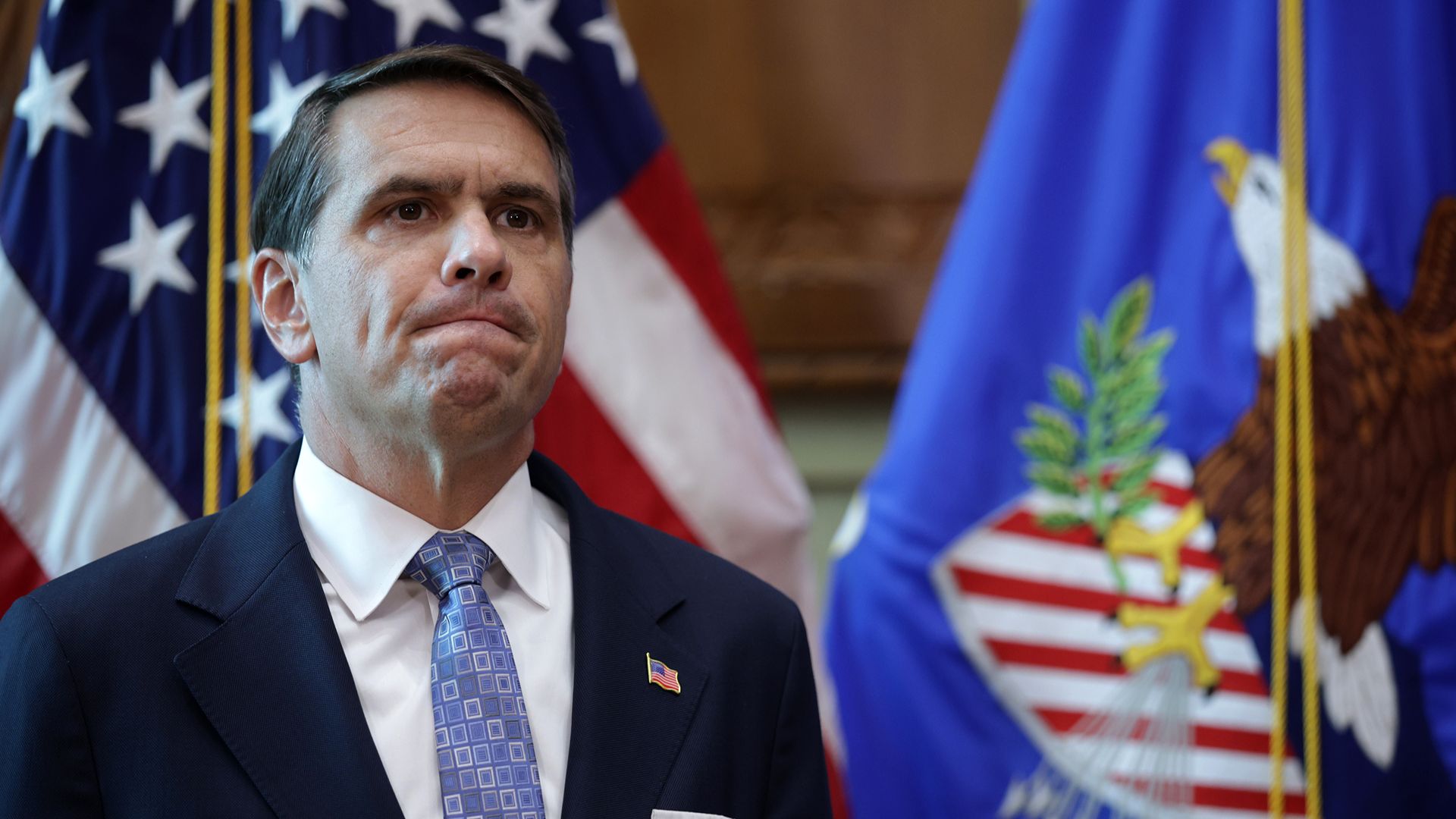
Some convicted Americans could regain gun rights under a new Trump administration process. On August 17, U.S. Attorney General Todd Blanche finalized a federal regulation establishing a Department of Justice pathway for people prohibited from possessing firearms because of past criminal convictions to seek restoration of their federal firearm rights. The move revives a mechanism under federal law that had effectively remained unavailable for more than three decades after Congress stopped funding the previous program administered through the Bureau of Alcohol, Tobacco, Firearms and Explosives. The administration is presenting the new system as part of its broader effort to strengthen Second Amendment protections, while maintaining that applicants who could pose a threat to public safety should remain prohibited from possessing firearms.
The new process does not mean that everyone with a criminal conviction will be able to regain firearm rights. Instead, the Justice Department plans to evaluate applications individually, examining the circumstances surrounding the conviction as well as an applicant's subsequent record, behavior, character and reputation. People with records involving financial offenses, property crimes and certain nonviolent drug offenses could potentially qualify, depending on their individual circumstances. The administration has drawn a much firmer line around people convicted of violent felonies and other categories it considers higher risk. Registered sex offenders and undocumented immigrants are also among those expected to remain ineligible, while federal law separately restricts firearm possession for people convicted of misdemeanor domestic violence offenses. The attorney general retains discretion over whether relief should ultimately be granted.
«The Second Amendment is not a second-class right, and the federal government should not permanently deprive Americans of a constitutional right without regard to whether they pose a danger to public safety.»
– U.S. Attorney General, Todd Blanche
The scale of the program could make that individualized review a significant undertaking for the Justice Department. Officials project roughly 330,000 applications during the first year, while government estimates have previously placed the number of Americans prohibited from possessing firearms because of felony convictions alone at more than 25 million. Applicants will have to establish that their circumstances and subsequent record indicate they are unlikely to act in a way that would endanger public safety and that restoring their rights would not conflict with the public interest, the standard established under federal law. The FBI is also expected to support the program by conducting background checks and providing eligibility information to the Justice Department, creating another layer of review before the government decides whether an applicant should regain federal firearm privileges.
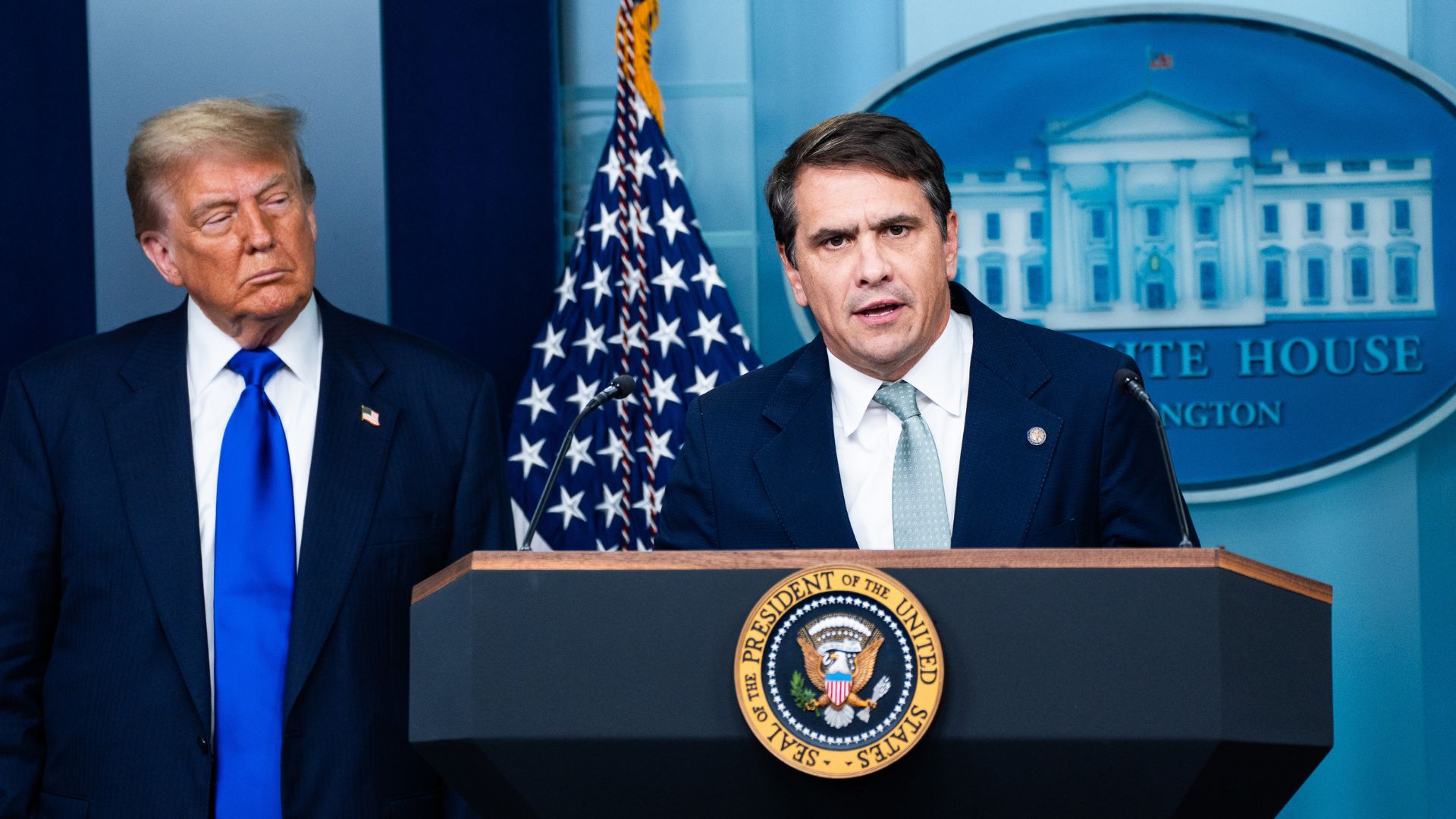
The new policy marks the return of a federal relief mechanism that had been largely unavailable to individuals for more than three decades. Congress created a process under 18 U.S.C. § 925(c) through which people subject to federal firearm restrictions could seek relief, but lawmakers stopped funding the program in 1992. The Trump administration has now revived individualized consideration through the Justice Department, with the attorney general overseeing the process. The final rule is scheduled to take effect 30 days after its publication in the Federal Register. Any restoration granted through the program will apply only to federal firearm restrictions, meaning separate prohibitions imposed under state law will remain in effect and could still prevent an individual from legally possessing a firearm.
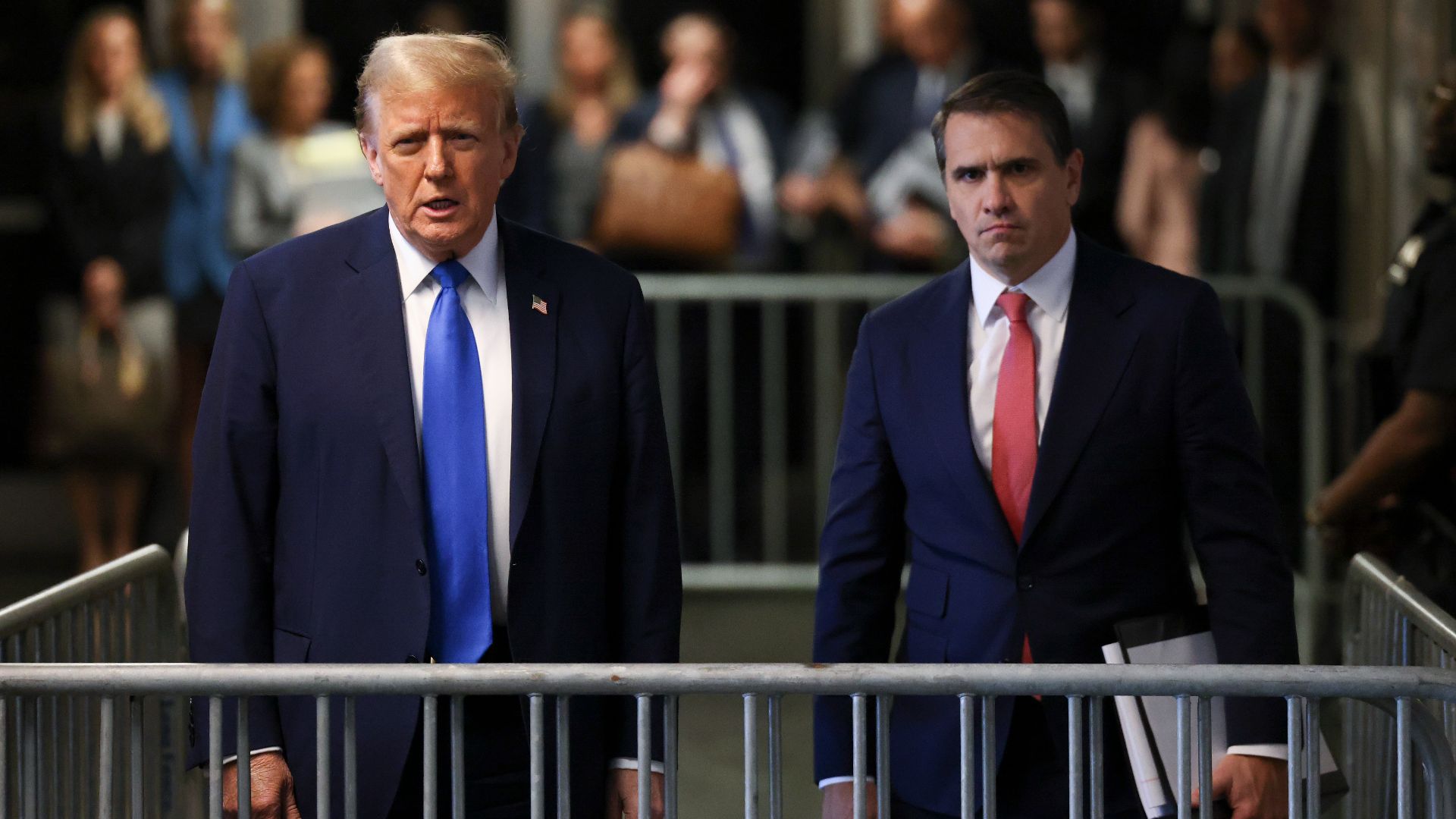
The administration is framing the initiative as both a Second Amendment issue and a public-safety review rather than a blanket restoration of firearm rights. Blanche defended the policy by saying, «The Second Amendment is not a second-class right, and the federal government should not permanently deprive Americans of a constitutional right without regard to whether they pose a danger to public safety. This rule establishes a commonsense process that protects the public while giving deserving Americans a real path to restoration.» The Justice Department, however, has established strong presumptions against approval for applicants whose histories indicate heightened risks. Certain violent crimes can trigger presumptive permanent denial, while other offenses can result in five- or ten-year periods during which applications will generally be denied unless extraordinary circumstances exist.
«This rule establishes a commonsense process that protects the public while giving deserving Americans a real path to restoration.»
– U.S. Attorney General, Todd Blanche
The policy is likely to intensify an already long-running dispute over whether firearm prohibitions should remain permanent after someone has completed a criminal sentence. The administration argues that individualized reviews can distinguish applicants who continue to present a danger from those whose past convictions should no longer automatically prevent them from exercising Second Amendment rights. At the same time, the program maintains significant barriers for people convicted of violent offenses, registered sex offenders and others considered an ongoing public-safety risk. With approximately 330,000 applications expected during the first year, the Justice Department could soon face a large test of whether that distinction can be made consistently on an individual basis. The program also leaves state firearm restrictions untouched, ensuring that federal approval will not necessarily restore a person's ability to legally possess a gun everywhere in the country.
Created by humans, assisted by AI.
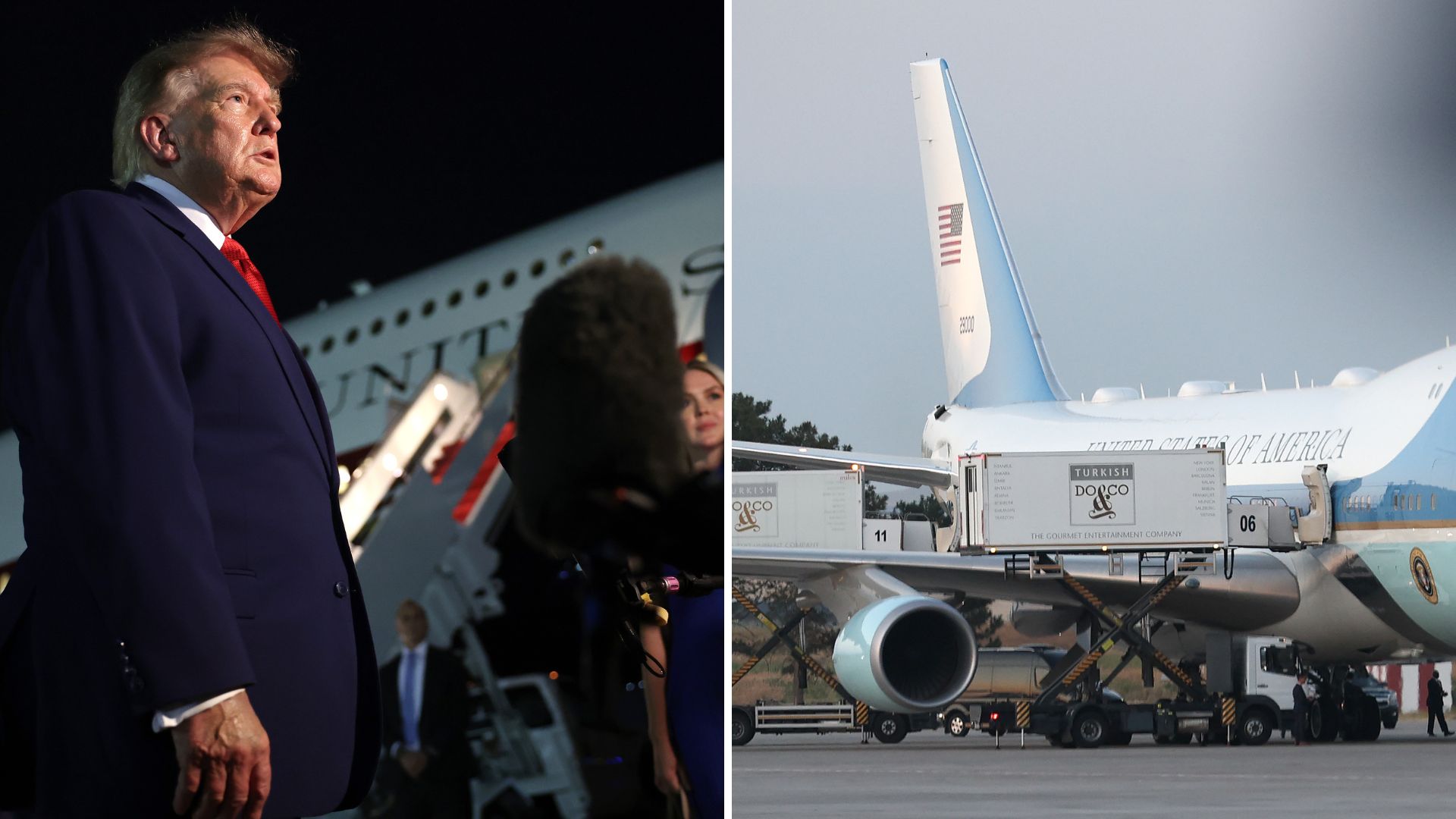 Shoulder-fired missile threat sparks Air Force One security operation, evacuating Trump while top officials stay behind
 AOC reveals egg-freezing decision as she reportedly splits from fiancé