Tupac Shakur Murder Trial Begins 30 Years Later With Keffe D’s Self-Incriminating Statements and Reluctant Witnesses


/https%3A%2F%2Fcdn-tor.buminteractif.com%2F2026%2F08%2F19164903%2Ftupac-getty-345345dfgdfg453453gsdfgsd.jpg)
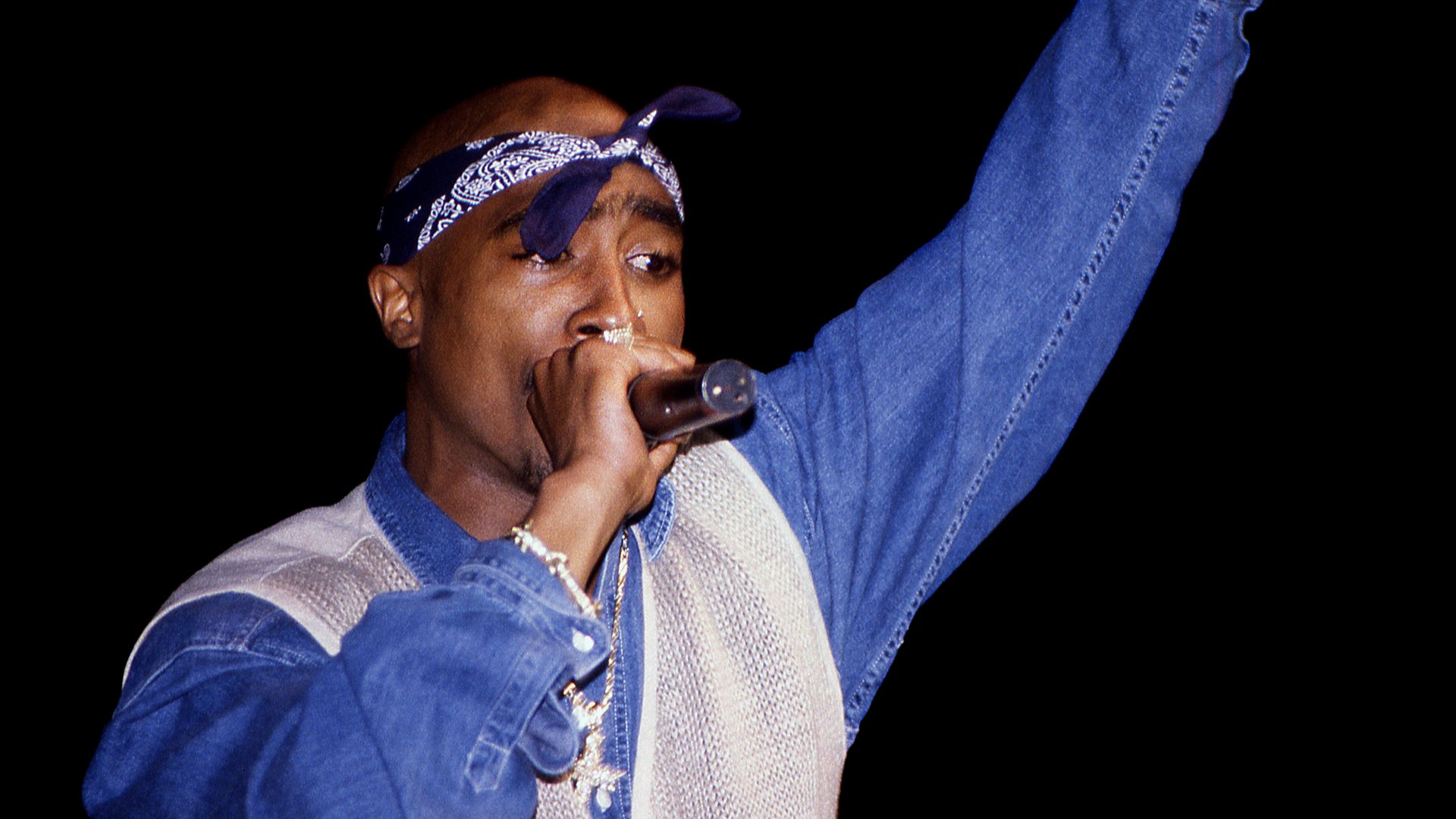
The murder trial of Duane «Keffe D» Davis for the 1996 killing of hip-hop legend Tupac Shakur opened nearly 30 years later with prosecutors relying heavily on the defendant's own self-incriminating public statements while confronting the hostility and reluctance of witnesses connected to the decades-old case. Davis, 63, is standing trial in Las Vegas on a charge of murder with a deadly weapon with the intent to promote, further or assist a criminal gang. He has pleaded not guilty. Prosecutors do not accuse Davis of firing the shots that killed Shakur. Instead, they allege that he orchestrated the September 1996 attack and provided the gun used in the drive-by shooting, making his own accounts of what happened a central part of the state's case.
During opening statements, Chief Deputy District Attorney Binu Palal portrayed Shakur's killing as retaliation for a confrontation that occurred only hours earlier at the MGM Grand following a Mike Tyson boxing match. Video shown to jurors captured Shakur and members of his entourage attacking Davis' nephew, Orlando «Baby Lane» Anderson. Prosecutors allege Davis then spent roughly two hours arranging revenge against Shakur and his associates before a white Cadillac pulled alongside the BMW carrying Shakur and Death Row Records co-founder Marion «Suge» Knight near the Las Vegas Strip. Gunfire erupted from the Cadillac, striking Shakur multiple times. He died six days later at age 25.Chief Deputy District Attorney Binu Palal acknowledged directly that Davis was not the gunman, telling jurors: «Let's be clear, Duane Davis did not pull the trigger. But he did plan the shooting in retaliation of the beating of his nephew.»
«You better treat me as a hostile witness.»
-Former associate of Death Row Records co-founder Suge Knight, James McDonald
Much of the prosecution's case is expected to depend on statements Davis made over the years, including interviews with investigators and material contained in his 2019 memoir, Compton Street Legend. Prosecutors say Davis repeatedly placed himself inside the Cadillac and described his role surrounding the shooting, including an account in which he said he handed a gun to men sitting in the back seat. The defense is challenging the reliability of those statements and argues that prosecutors lack physical evidence directly connecting Davis to the murder scene. Attorney Michael Sanft characterized the state's account as «fiction» during his opening statement and argued that Davis had exaggerated or fabricated stories about the killing. With the other three alleged occupants of the Cadillac now dead, the competing interpretations of Davis' own words are expected to become one of the trial's defining battles.
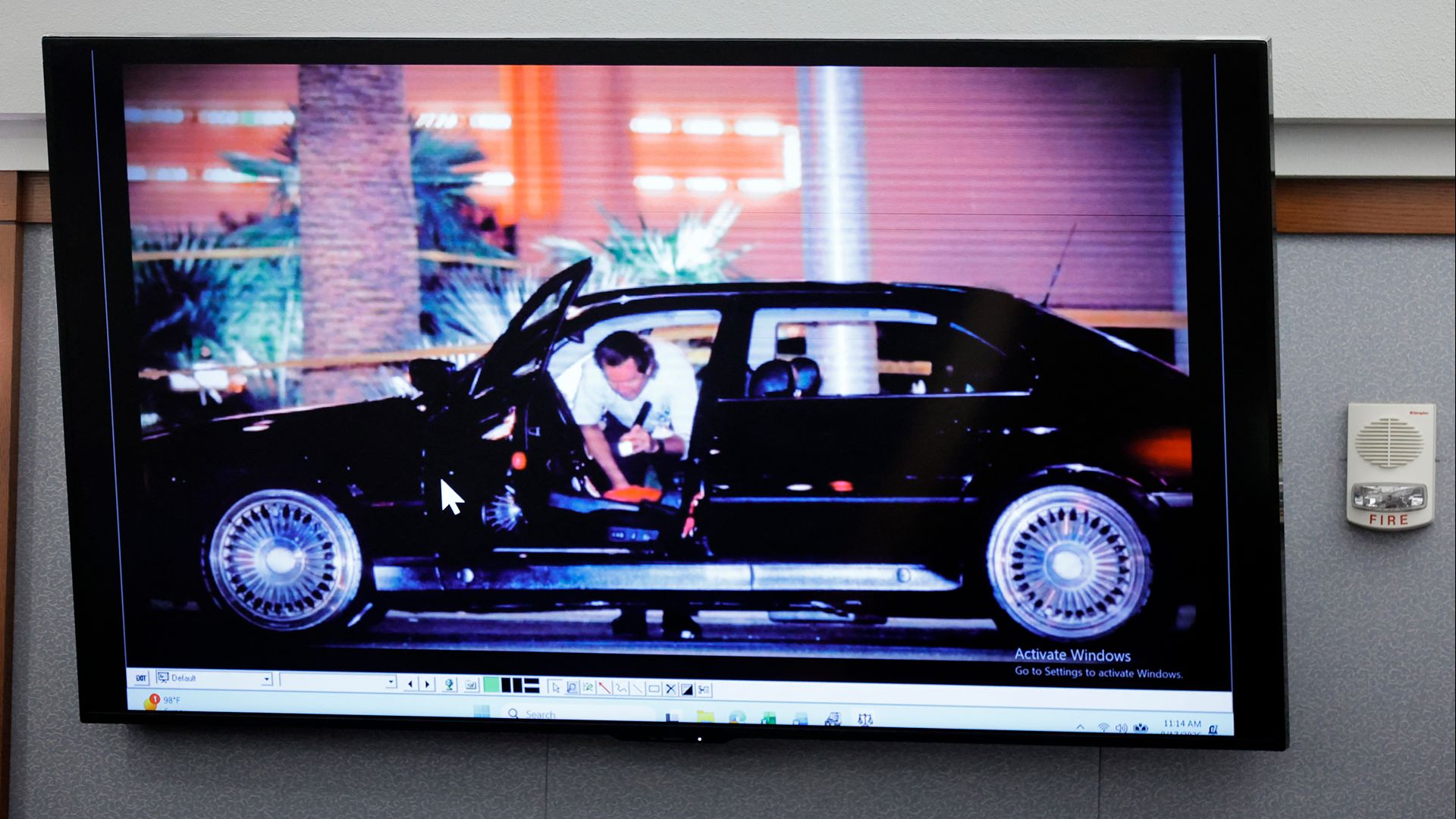
The trial's second day shifted away from the alleged motive and Davis' statements to the physical evidence documenting Shakur's death. Forensic pathologist Dr. Lisa Gavin testified about the rapper's injuries using the original 1996 autopsy findings and photographs, after the medical examiner who conducted the examination died before the trial. Gavin described three gunshot wounds and explained how one bullet caused severe damage to Shakur's lung, which ultimately had to be removed, while other wounds damaged his intestines. The graphic photographs presented to jurors brought an emotional dimension to testimony about a killing that has remained a subject of public attention for three decades. Members of Shakur's family were visibly affected by the images, with some looking away or leaving the courtroom during the presentation.
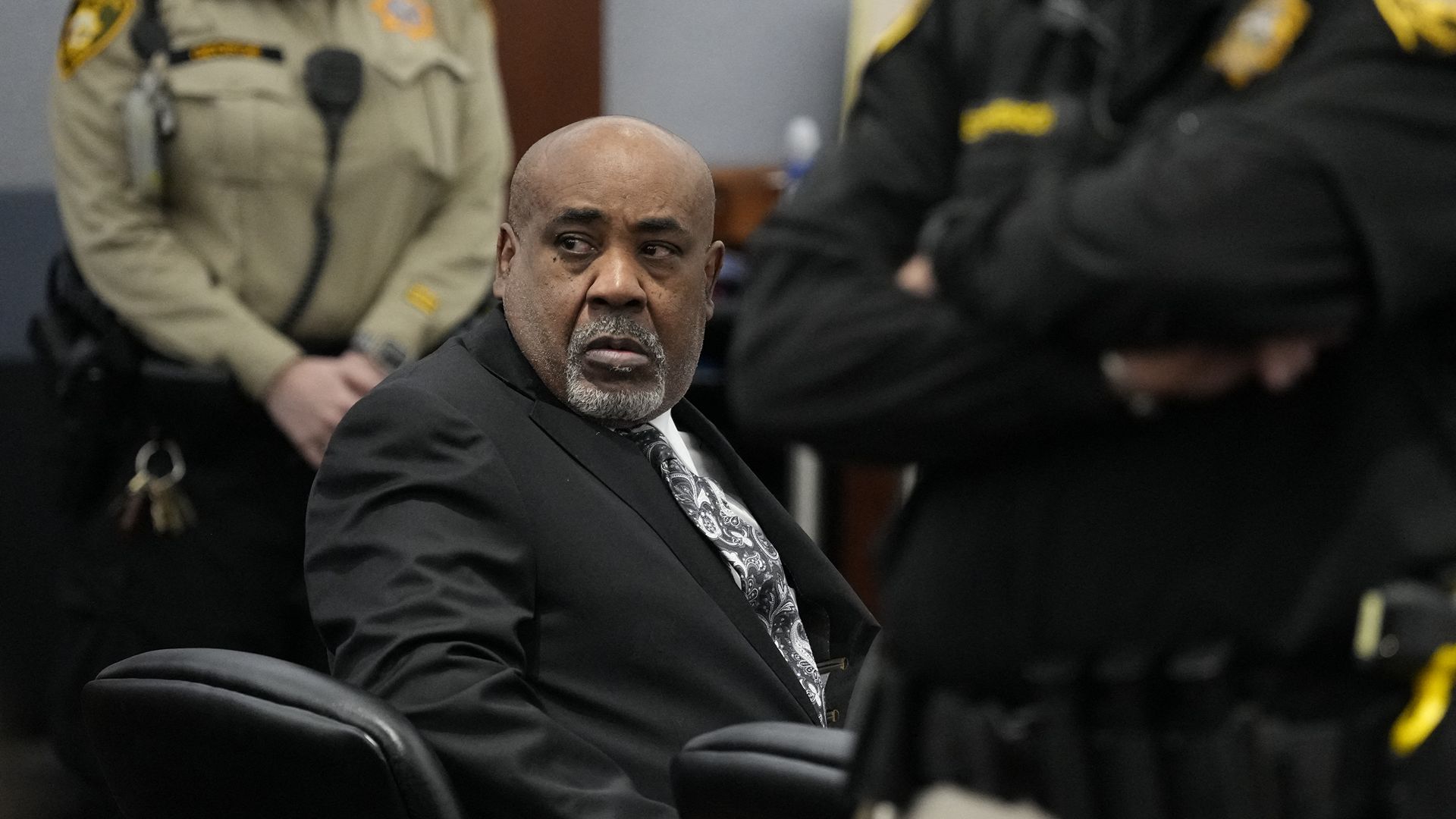
The proceedings also demonstrated one of the difficulties prosecutors face in presenting a case rooted in the gang environment surrounding the 1996 shooting. James McDonald, a former associate of Death Row Records co-founder Suge Knight, openly resisted prosecutors while testifying and made clear that he did not want to discuss people who had died. «You better treat me as a hostile witness,» McDonald told attorneys before adding that «me or anybody else bringing up the dead is wrong.» His reaction highlighted the reluctance investigators have encountered from potential witnesses throughout the case and the street code prosecutors must navigate nearly 30 years after the shooting. Retired Las Vegas police detective Dean O'Kelley also testified about responding to the crime scene, recalling spent bullet casings scattered across the roadway and the chaotic conditions officers encountered immediately after the gunfire.
«Let's be clear, Duane Davis did not pull the trigger. But he did plan the shooting in retaliation of the beating of his nephew.»
-Chief Deputy District Attorney, Binu Palal
The trial is expected to continue for several weeks as prosecutors reconstruct the events surrounding Shakur's killing through decades of police records, archival evidence, witness testimony and Davis' own recorded statements. The state is expected to use interviews and passages from Davis' memoir to argue that details he publicly disclosed correspond with evidence investigators gathered independently. The defense, meanwhile, plans to challenge those accounts as exaggerated storytelling intended to generate attention, money and credibility rather than genuine admissions of involvement in murder. Several prominent figures connected to the investigation appear on potential witness lists, including Suge Knight, who was driving the BMW when Shakur was shot. Ultimately, jurors will have to determine whether Davis' years of public statements provide reliable evidence of his participation in the killing or whether prosecutors are attempting to build a murder conviction around stories the defense says should never have been treated as confessions.
Created by humans, assisted by AI.
 Disney sues FCC over ABC broadcasts, seeks restraining order against alleged retaliation from the Trump administration
 Trump attacks CNN reporter when questioned about his relationship with aide Natalie Harp