Trump Administration Pushes to Name Aircraft Carrier After Trump Instead of Black War Hero


/https%3A%2F%2Fcdn-tor.buminteractif.com%2F2026%2F08%2F21163909%2Ftrump-getty-3453dfgdfg43534534zfgfg.jpg)
The U.S. Navy's push to potentially rename the future aircraft carrier CVN-81, originally designated to honor Black World War II hero Doris «Dorie» Miller, after Donald Trump has ignited controversy over military tradition, historical recognition and the prospect of honoring a sitting president. Miller's selection carried exceptional symbolic importance: the ship was set to become the first U.S. aircraft carrier named for an African American and an enlisted sailor. Critics argue that removing his name before the carrier even enters service would erase a landmark tribute to a serviceman whose heroism at Pearl Harbor became an important part of Black military history. The controversy is further intensified by the possibility that Trump could replace Miller, creating the unprecedented spectacle of a sitting president having his name placed on one of the Navy's most powerful warships.
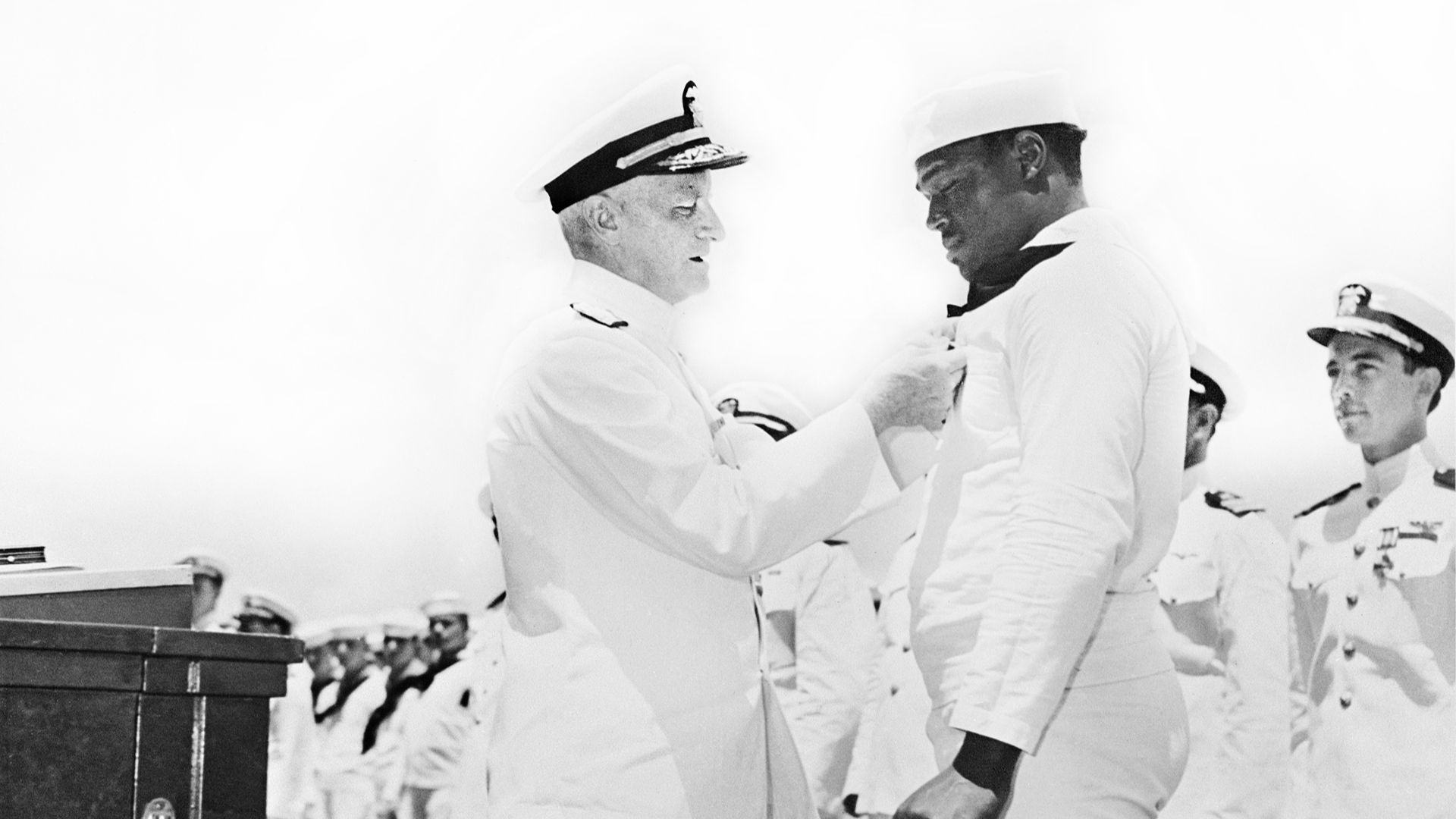
Miller became a national hero for his actions during the Japanese attack on Pearl Harbor on December 7, 1941, while serving aboard the USS West Virginia as a mess attendant, one of the limited positions generally available to Black sailors in the segregated Navy of that era. During the attack, Miller helped move his mortally wounded captain to greater safety before taking control of an anti-aircraft machine gun despite having never been formally trained to operate the weapon. He fired at attacking Japanese aircraft until ammunition ran out and he was eventually ordered to abandon the heavily damaged ship. Miller later became the first Black American awarded the Navy Cross, then the Navy's second-highest decoration for valor. Naming CVN-81 after him was therefore intended to recognize not only an individual act of extraordinary courage but also a serviceman who became a historic symbol of Black Americans' contributions to the U.S. military.
«Not only was it a shock, but it was also a shock in that we found out from a news outlet instead of from the Navy.»
– Doris «Dorie» Miller's great-nephew, Thomas Bledsoe
The possibility of replacing Miller's name with Trump's has drawn additional criticism because it would break another significant convention surrounding America's aircraft carriers. Although modern supercarriers have frequently been named for U.S. presidents, those honors have traditionally gone to presidents after they left office, making the idea of naming one for a sitting president particularly controversial. The Navy has reportedly begun referring to the unfinished carrier primarily by its hull designation, CVN-81, while Miller's name was also absent from a recent White House shipbuilding order, fueling speculation that a formal change is being prepared. The administration has reportedly discussed compensating for Miller's removal by naming a smaller warship after him and supporting a posthumous Medal of Honor. Critics, however, argue that transferring Miller's name from a supercarrier to a smaller vessel would diminish the historic recognition originally promised to him, particularly if the carrier were then named for the president currently overseeing the military.
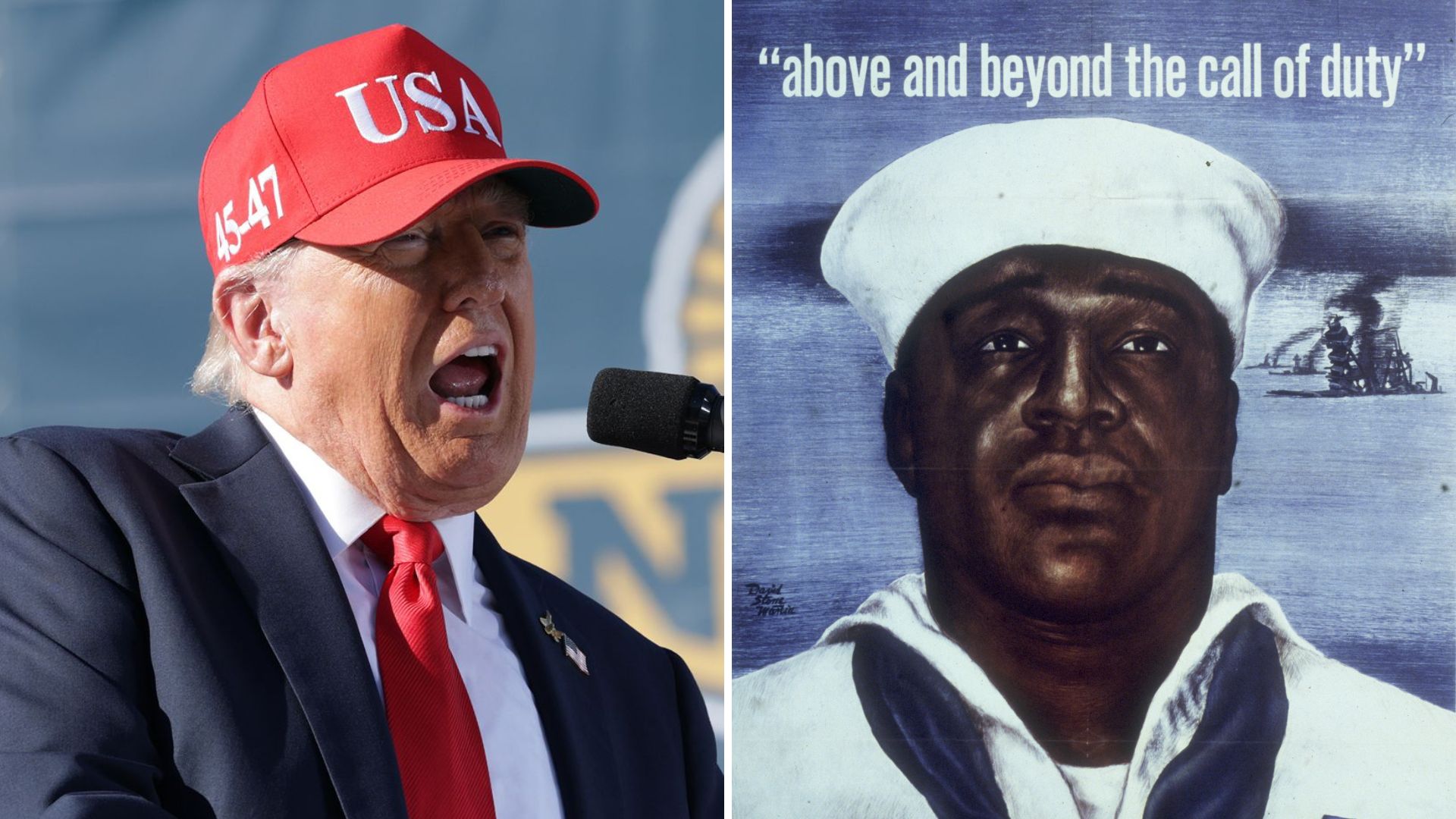
The proposed change has also angered Miller's family, which reportedly learned about the possibility through news coverage rather than receiving advance notice from the Navy or Pentagon. Miller's great-nephew, Thomas Bledsoe, described the experience as particularly upsetting given the significance the carrier represented for the family and for Miller's legacy. «Not only was it a shock, but it was also a shock in that we found out from a news outlet instead of from the Navy», Bledsoe said. The family had spent years anticipating a carrier bearing Miller's name, an honor announced in 2020 that would have placed the Black enlisted sailor alongside presidents and prominent military leaders commemorated across the carrier fleet. Critics argue that replacing that historic designation with the name of the sitting president would turn what was intended as recognition of wartime sacrifice into an overtly political statement.
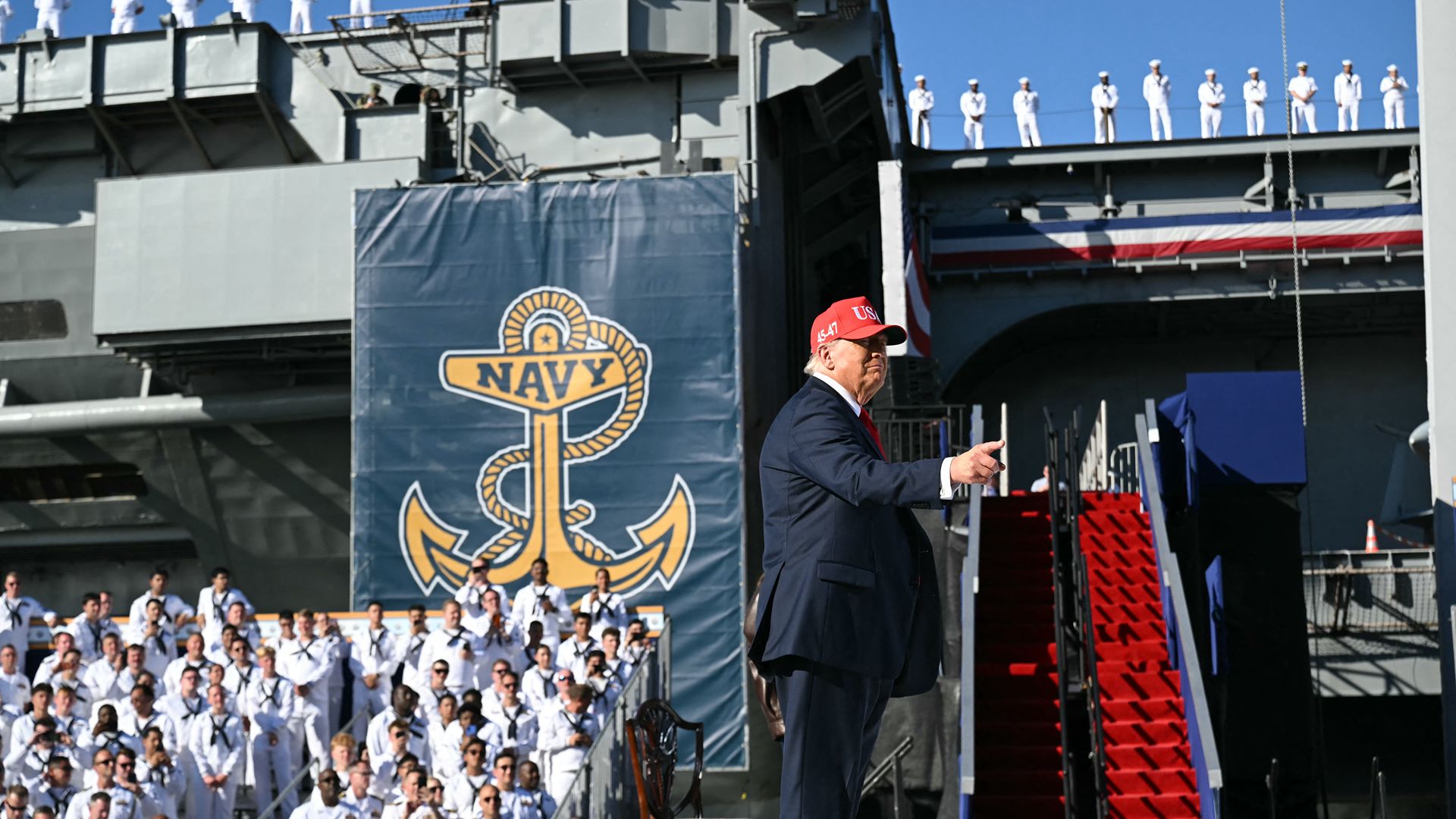
Political opposition has consequently begun building around the proposal, with lawmakers and civil rights advocates arguing that military honors should not become instruments for presidential branding. Critics have questioned why an already selected war hero would need to lose one of the Navy's most prestigious naming honors for Trump to receive recognition, rather than the administration selecting a future vessel without an existing namesake. The controversy also places Navy leadership and Defense Secretary Pete Hegseth in the politically sensitive position of overseeing a potential change benefiting the president currently serving as commander in chief. Opponents have discussed using congressional authority over military funding and shipbuilding to prevent the change from taking effect. For them, the dispute extends beyond the name painted on a carrier: it raises broader questions about preserving political neutrality within the armed forces and whether a sitting president should influence military commemorations in ways that personally honor himself.
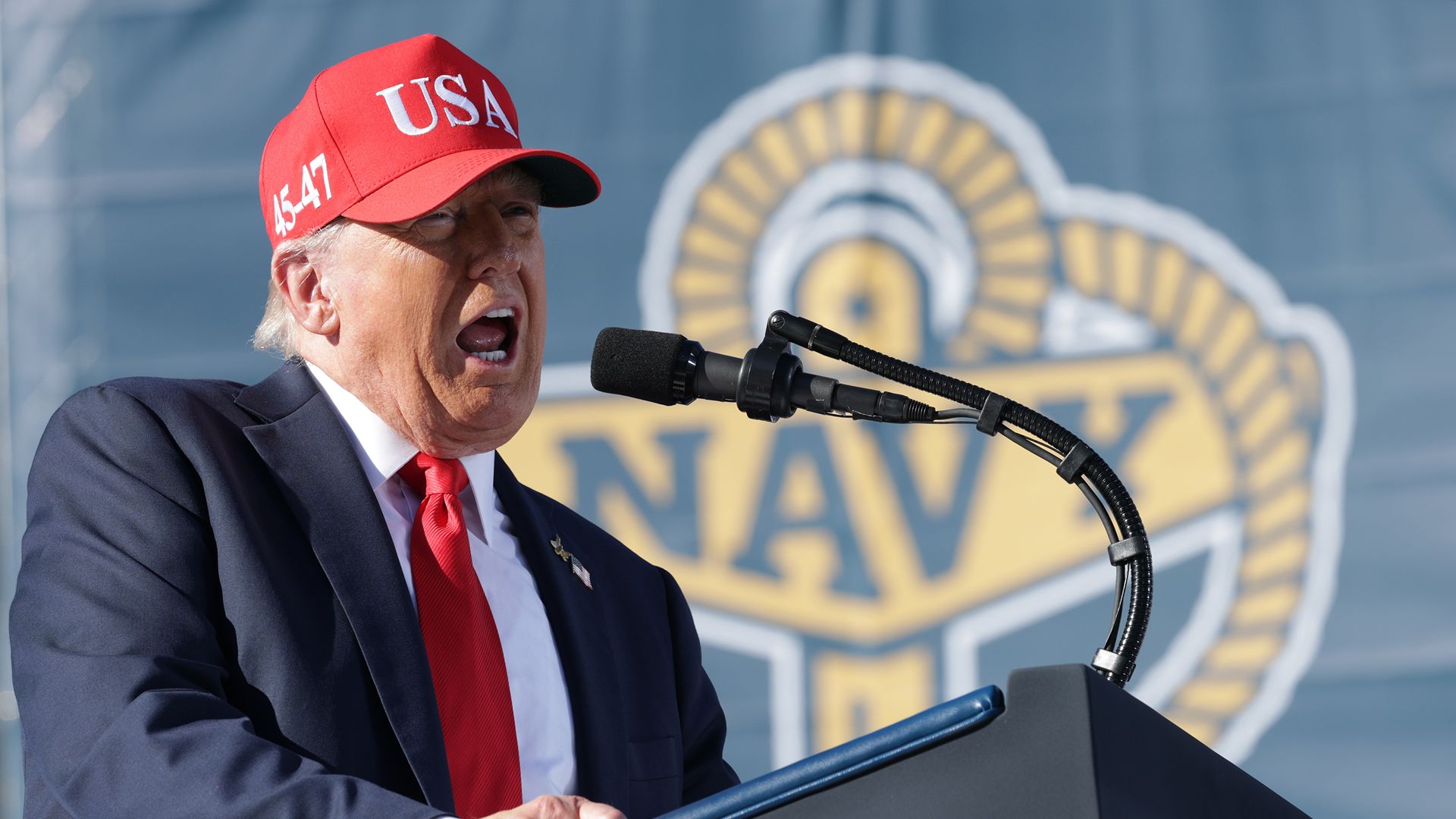
The carrier controversy also arrives amid broader disputes over Trump's name being added to prominent national institutions and landmarks. One of the most visible involved the John F. Kennedy Center for the Performing Arts, where changes pursued under Trump generated legal and political challenges over who possesses the authority to rename federally established institutions. The proposed CVN-81 change carries an additional historical dimension because Miller's designation was itself intended to correct a longstanding absence of Black enlisted service members among the names honored on America's aircraft carriers. Removing it would mean that the first carrier scheduled to bear an African American's name would no longer do so, while potentially making Trump the first sitting president honored in that manner. For critics, that contrast has become the central issue: a groundbreaking tribute to a decorated Black war hero could be displaced to place the name of the current commander in chief on the Navy's newest class of supercarrier.
Created by humans, assisted by AI.
 Trump attacks CNN reporter when questioned about his relationship with aide Natalie Harp
 Trump aide Natalie Harp sat in SUV trunk after screaming match to remain by his side