Trump Shares Drawing of Himself Beside Dolly Parton After Claiming She «Really Liked Him» Despite Her Twice Turning Down His Medal of Freedom


/https%3A%2F%2Fcdn-tor.buminteractif.com%2F2026%2F08%2F28160622%2Ftrump-rwersdfzsdf34234.jpg)
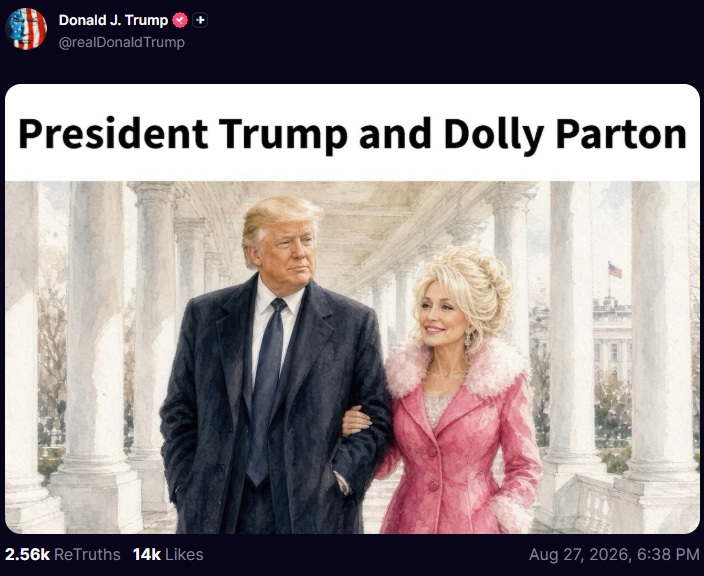
Donald Trump has published a series of tributes to Dolly Parton following the death earlier this week of the beloved country music icon at 80, including ordering American flags lowered to half-staff for one week and repeatedly praising a performer whose appeal stretched far beyond country music. But one of Trump's latest tributes — a drawing depicting himself standing beside Parton with the singer at his side — has drawn criticism from those who see the image as an attempt to politically appropriate a woman who spent decades deliberately resisting partisan labels. The drawing came days after Trump discussed Parton's death during an interview, describing the loss as «like losing a member of the family». Although he acknowledged knowing her only somewhat, Trump emphasized her ability to transcend politics before making the relationship more personal, declaring, «She really liked me, I will tell you.»
Trump's initial response to Parton's death was considerably more traditional. After news of her passing emerged following health complications and a brief battle with cancer, Trump announced that flags across the United States would be lowered for seven days in recognition of her extraordinary cultural legacy. Writing on Truth Social, he delivered an expansive tribute: «Very sad to report that Dolly Parton, one of the greatest Country singers, and far beyond, EVER, has just passed away. This is a true loss for millions of people. There has never been anyone like her, and never will. In her honor, I am lowering the American flag throughout the United States for a one week period beginning tonight at 6:00PM. Rest in Peace, Dolly! The World loves you. President DONALD J. TRUMP». His subsequent comments during conservative radio host Glenn Beck's program continued that praise, portraying Parton as a rare cultural figure capable of connecting with Americans regardless of their political loyalties.
«I've got as many Republican fans as Democrats and I don't want to make any of them mad at me, so I don't play politics.»
-Dolly Parton
That nonpartisan reputation, however, is precisely what makes Trump's subsequent drawing and his assertion that Parton «really liked» him particularly notable. Throughout her career, Parton carefully avoided allowing politicians from either major party to claim her as one of their own, repeatedly explaining that preserving a connection with Americans across ideological lines mattered more to her than publicly entering partisan battles. Her approach was summarized particularly clearly in a 2020 interview with USA TODAY, when she said, «I've got as many Republican fans as Democrats and I don't want to make any of them mad at me, so I don't play politics.» That history has fueled criticism of Trump's decision to place himself alongside Parton in the commemorative drawing shortly after her death. While the image itself does not establish Trump's motivation, critics have viewed it as an uncomfortable political personalization of the legacy of an entertainer who spent much of her life trying to ensure that her public identity belonged to everyone rather than any politician or political movement.
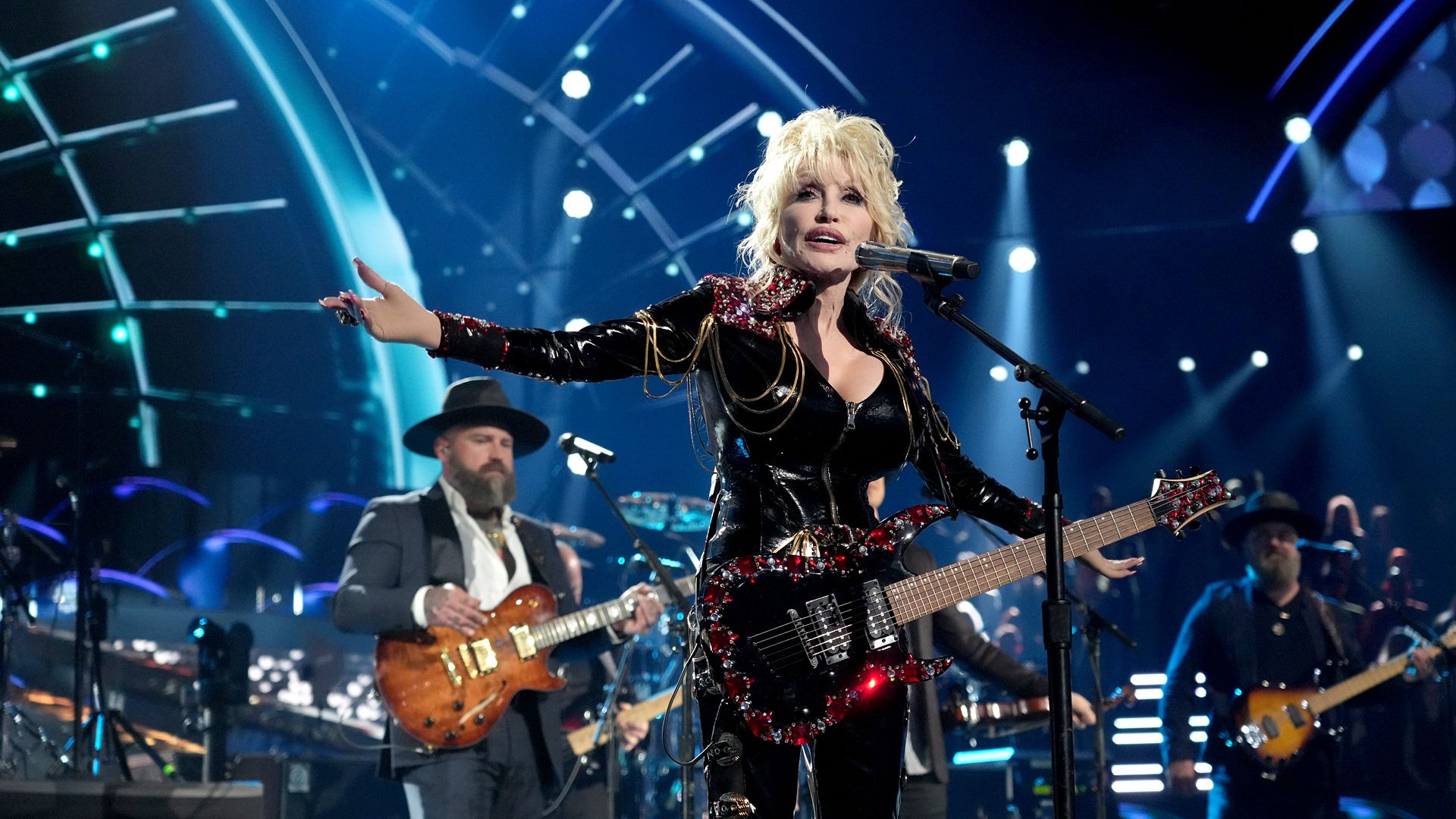
Parton's complicated history with presidential honors adds another layer to the reaction surrounding Trump's posthumous tributes. During his first administration, Trump twice offered the singer the Presidential Medal of Freedom, the nation's highest civilian honor, but Parton declined on both occasions. Her decisions, however, were not presented at the time as personal rejections of Trump. Parton explained that she turned down the first invitation because her longtime husband, Carl Thomas Dean, was ill and she did not want to leave him to attend a White House ceremony. When the administration approached her again, the COVID-19 pandemic created another obstacle, and she remained unwilling to travel or participate in a major gathering. Those circumstances are important to the history behind Trump's current claim that Parton «really liked» him: she rejected two honors offered by his administration, but publicly attributed those decisions to personal and practical considerations rather than hostility toward the president.
Parton's determination to remain outside partisan politics became even clearer after the White House changed hands. The Biden administration subsequently offered her the Presidential Medal of Freedom as well, but she again hesitated, this time explicitly because accepting it risked creating precisely the political interpretation she had spent her career trying to avoid. Speaking with Today host Jenna Bush Hager, Parton explained, «Now I feel like if I take it, I'll be doing politics, so I'm not sure.» Accepting an honor from Joe Biden after twice declining invitations from Trump could have been interpreted as choosing one administration over another, regardless of the very different circumstances behind the earlier refusals. Her reluctance was therefore consistent with a broader philosophy she repeatedly expressed publicly: she wanted her work, philanthropy and relationship with her audience to remain accessible to Republicans, Democrats and people who wanted nothing to do with politics at all.
«She really liked me, I will tell you.»
-U.S President, Donald Trump
That carefully maintained neutrality now provides the backdrop for the debate surrounding Trump's drawing. His decision to portray himself alongside Parton shortly after her death, combined with the declaration that «She really liked me, I will tell you», has inevitably placed their relationship within a political conversation that Parton herself routinely tried to avoid. Critics may view the image as Trump inserting himself into the public mourning of an enormously popular American figure, while his supporters can reasonably characterize it as another personal tribute following the flag order and his extensive praise of her career. There is no evidence that the drawing itself reveals Trump's intentions, and Parton's previous Medal of Freedom refusals were never described by her as repudiations of him. What is clear, however, is the contrast between the political attention now surrounding her memory and Parton's own remarkably consistent position while alive: she resisted becoming a partisan symbol, preferring to belong culturally to Americans on every side of the political divide.
Created by humans, assisted by AI.
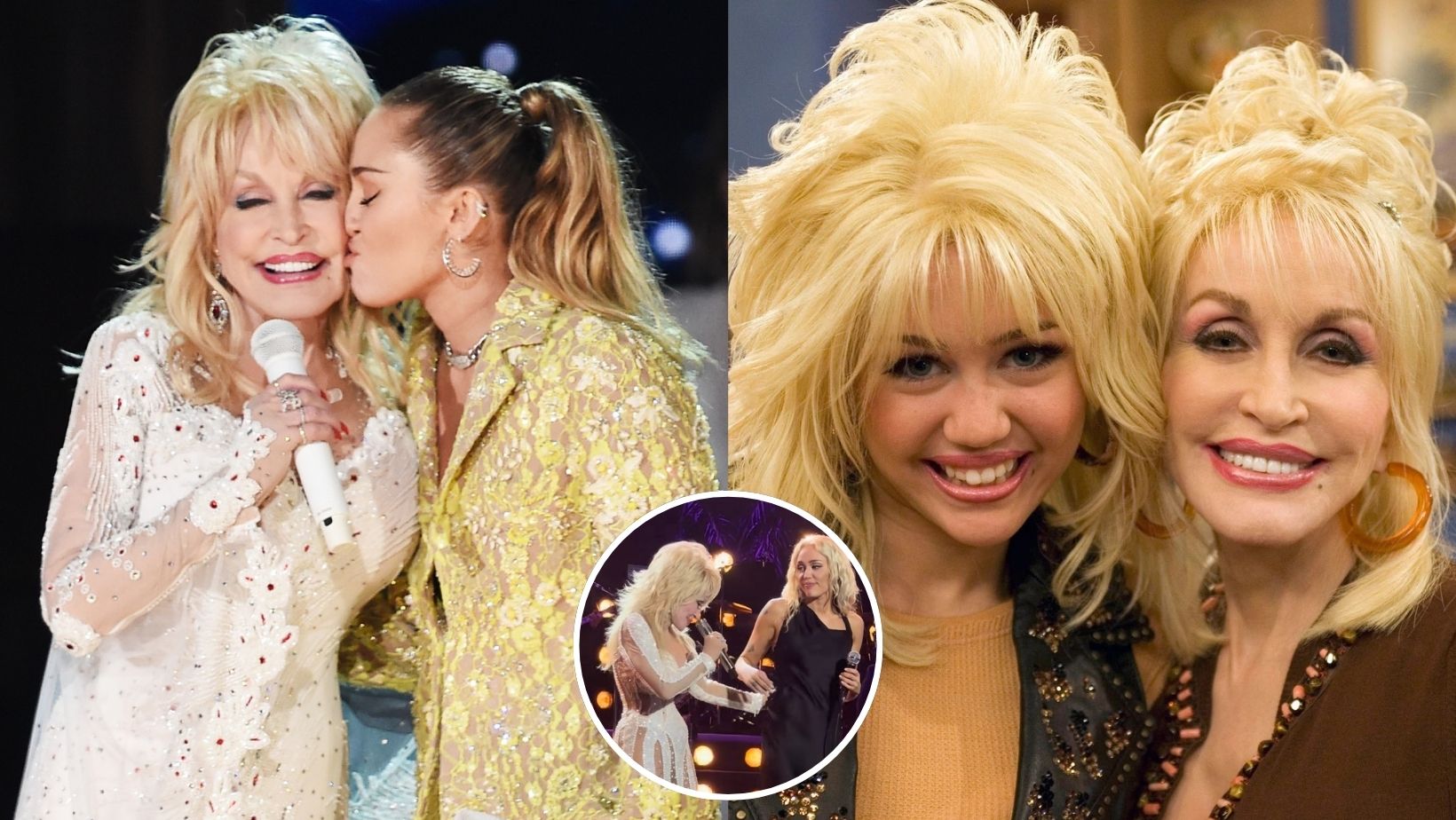 Miley Cyrus breaks her silence: A heartfelt tribute and a look back at her wonderful relationship with Dolly Parton
 Dolly Parton's cause of death and last wishes revealed