Mark Carney Tells Trump Administration to «Stop Doing Memes and Start Being Serious» as He Pushes to Restart Trade Talks


/https%3A%2F%2Fcdn-tor.buminteractif.com%2F2026%2F09%2F02144224%2Fcarney-trump-getty-34534gdfgdfg34.jpg)
Canadian Prime Minister Mark Carney is signaling that Canada is prepared to return to the negotiating table with the United States, but only if the Trump administration abandons what he describes as social-media theatrics and approaches the increasingly bitter trade dispute with greater diplomatic seriousness. Speaking after weeks of escalating tensions, Carney delivered one of his sharpest public rebukes of Washington yet, saying: «When the Americans stop doing memes, stop throwing shade, stop trying to be tough and start being serious about having those discussions, we can have those discussions. But look, it's not constructive, but that is their democracy». His comments come after bilateral negotiations collapsed amid U.S. demands Canada considered economically damaging, unfair and incompatible with protecting its sovereignty and strategic industries.
The confrontation reached a breaking point on August 21, when Canadian negotiators walked away from talks after concluding that Washington's latest conditions left insufficient room for an acceptable agreement. Carney characterized key elements of the American proposal as «uneconomic» and «unfair», arguing that accepting them could severely weaken major Canadian industries, particularly automotive manufacturing, steel and aluminum. Canadian officials maintained that an agreement could not come at the expense of turning critical domestic sectors into diminished extensions of American industry. The Trump administration offered a sharply different account. Vice President JD Vance, trade adviser Howard Lutnick and other U.S. officials blamed Ottawa for the breakdown, portraying the proposed agreement as highly favorable and accusing Canada of finding reasons to abandon negotiations rather than completing a deal. The competing narratives have left formal talks frozen while political rhetoric intensifies on both sides of the border.
«When the Americans stop doing memes, stop throwing shade, stop trying to be tough and start being serious about having those discussions, we can have those discussions. But look, it's not constructive, but that is their democracy.»
-Canadian Prime Minister, Mark Carney
What has particularly angered Carney, however, is the increasingly unconventional campaign that followed the negotiating collapse. Trump and members of his administration have repeatedly used social media to mock Canada, its political leadership and even its military capabilities, transforming what began as a tariff dispute into an unusually personal confrontation between longtime allies. Trump promoted the idea of renaming Lake Ontario «Lake America» and circulated altered or AI-generated imagery ridiculing Canadian objections, while White House accounts joined the online campaign with memes and other provocative posts. Members of the administration also targeted Canada's defense capabilities, including Treasury Secretary Scott Bessent's mockery of the country's submarine fleet. Carney dismissed that behavior with the blunt assessment «It's beneath their office», arguing that serious disagreements between neighboring governments should ultimately be handled through substantive negotiations rather than online taunts.
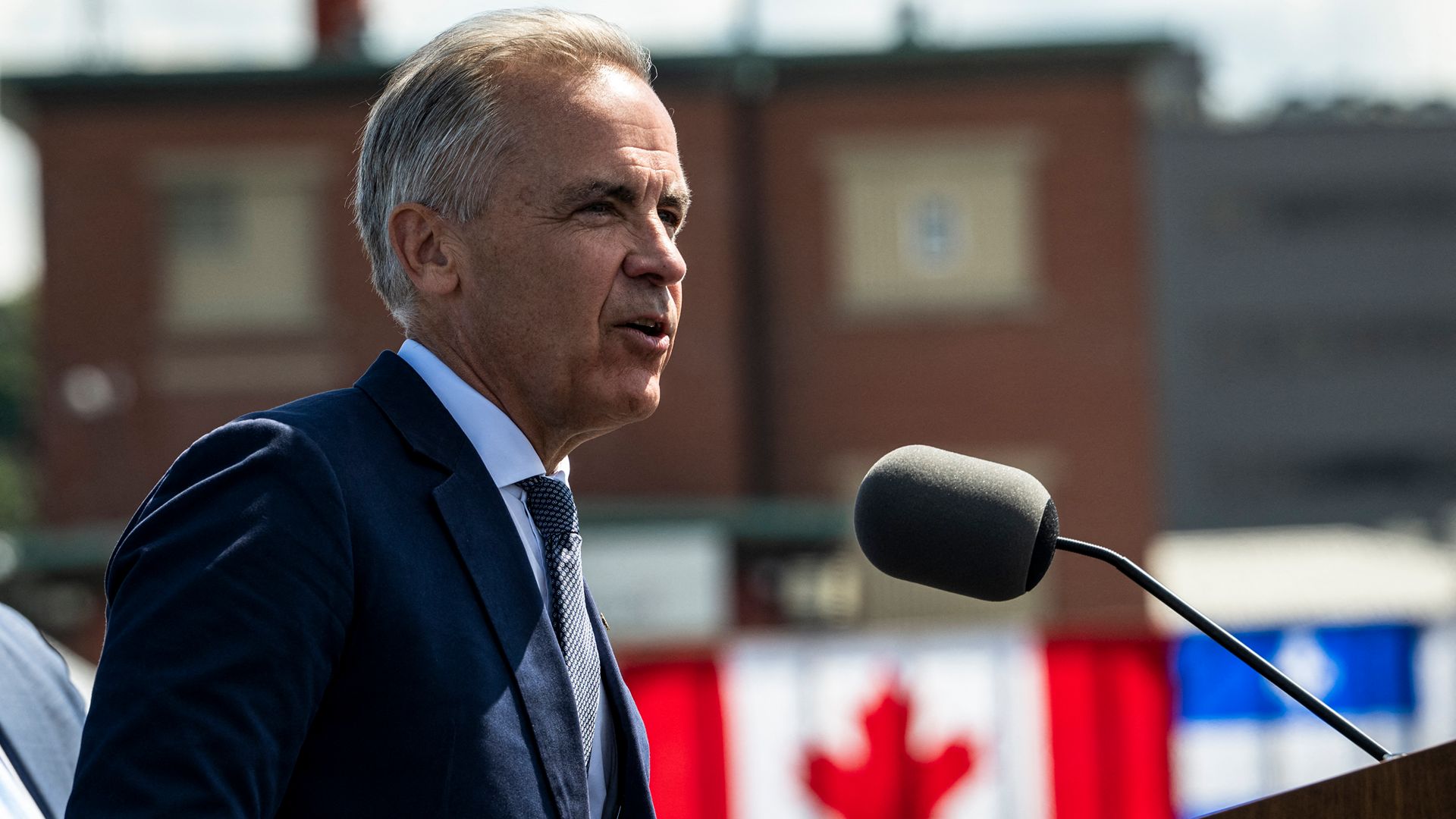
The dispute has also moved well beyond rhetoric, with both countries preparing increasingly painful economic measures as negotiations remain suspended. Washington has imposed 50% tariffs on roughly $20 billion worth of Canadian imports, affecting products ranging from beer and whiskey to hockey equipment, textiles and furniture. Trump has additionally threatened to extend 50% duties to Canadian-built cars, trucks and auto parts beginning in early 2027 if Ottawa refuses to accept American demands. Canada, meanwhile, has promised a «dollar-for-dollar» response and is preparing another wave of retaliatory tariffs scheduled for September 8, with rates ranging between 15% and 50% across a broad selection of American goods. Carney has nevertheless maintained that Canada remains willing to negotiate, provided any eventual agreement protects Canadian sovereignty and preserves the country's most important industrial sectors.
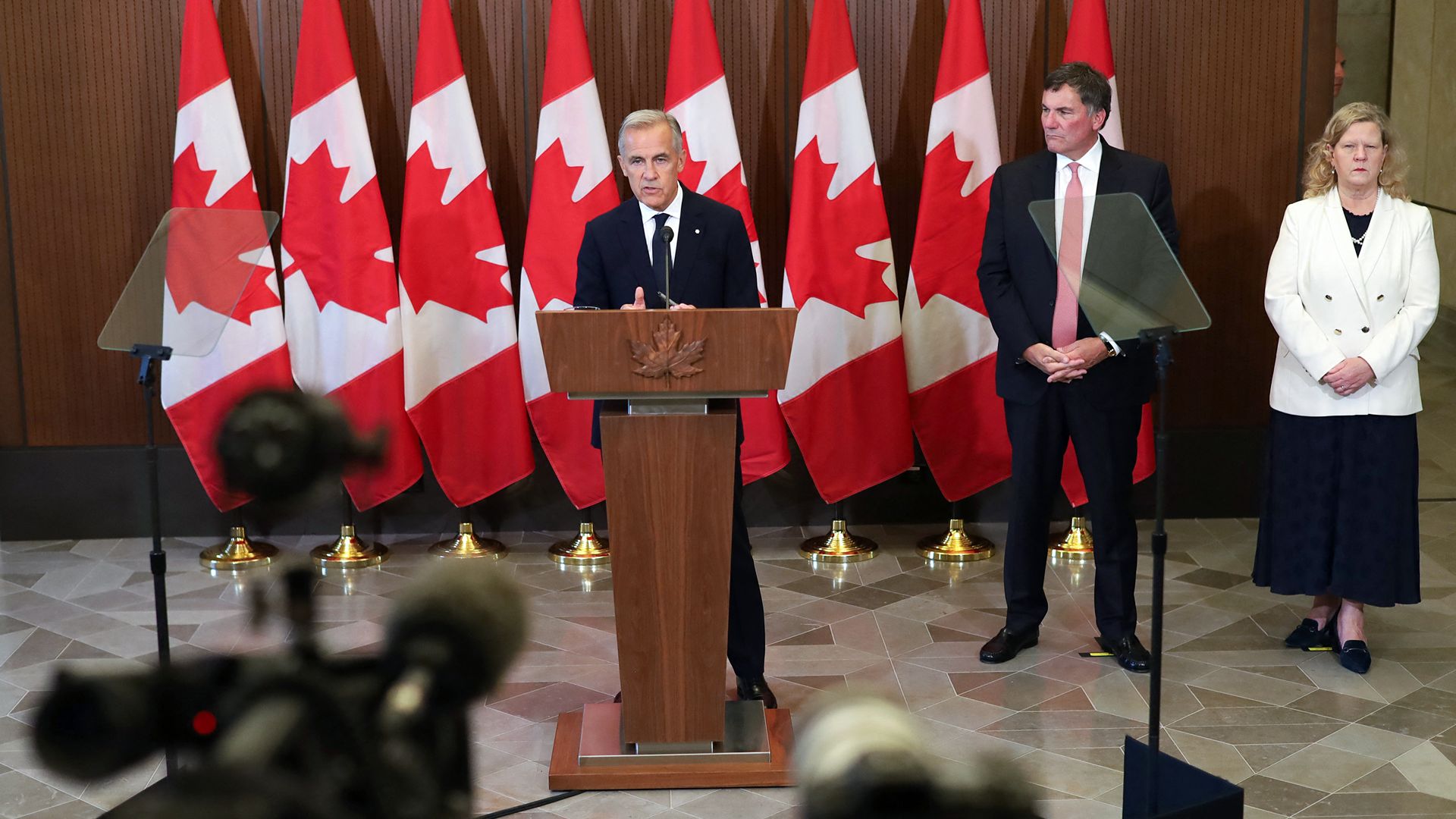
Trump has simultaneously intensified his pressure campaign online, repeatedly targeting Canada and Carney through Truth Social posts that mix trade threats with personal attacks and provocative imagery. After promoting the proposed «Lake America» name, Trump posted altered and AI-generated videos mocking Canadian opposition, including imagery showing cartoon «Donald Ducks» patrolling the lake and another depicting an AI version of Trump replacing a Lake Ontario sign before dancing. He also accused Canada of seeking an unfair relationship with Washington, declaring: «Canada wants the benefits of being a State, without being one!!!» Trump further revived complaints that Canada has taken advantage of American businesses and farmers through trade barriers, particularly dairy tariffs. The president has also threatened a 100% tariff on Canadian imports if Ottawa pursues a new trade agreement with Beijing that Washington believes could allow Chinese products to circumvent U.S. restrictions.
«It's beneath their office.»
-Canadian Prime Minister, Mark Carney
Despite the extraordinary deterioration in relations, Carney's latest remarks leave open a potential path back to negotiations rather than closing the door on Washington altogether. His message is that Canada remains prepared to discuss a mutually beneficial agreement, but will not return simply because tariffs, threats or online pressure intensify. The prime minister's September 1 rebuke therefore represented both criticism and an invitation: «When the Americans stop doing memes, stop throwing shade, stop trying to be tough and start being serious about having those discussions, we can have those discussions. But look, it's not constructive, but that is their democracy». Ontario Premier Doug Ford has meanwhile joined the symbolic pushback, erecting a large shoreline sign declaring «Lake Ontario. Now and Always.» For Carney, however, the next meaningful development will depend less on memes and political theater than on whether Washington is prepared to return to substantive negotiations.
Created by humans, assisted by AI.
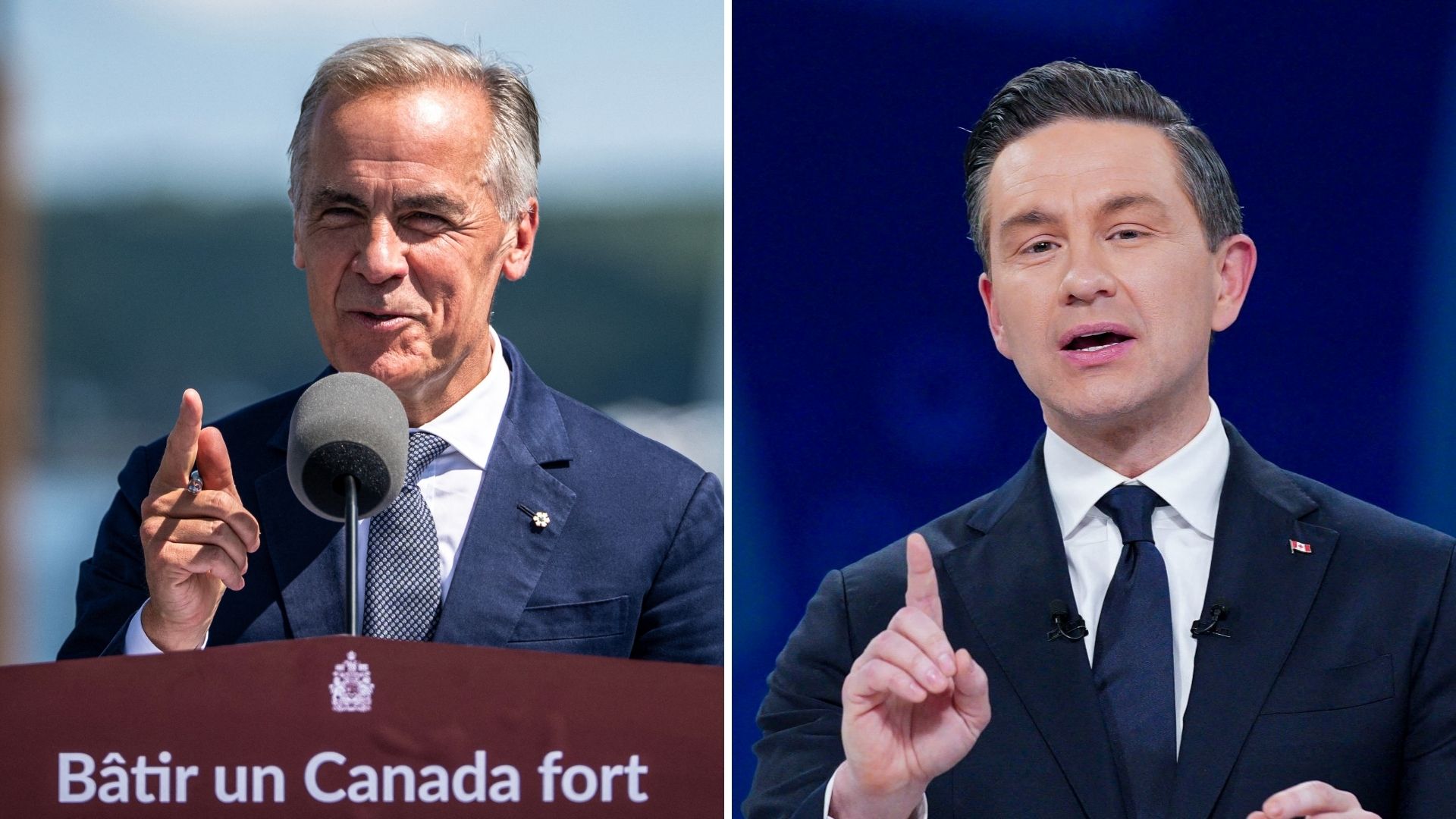 Mark Carney scores three major election wins as Pierre Poilievre faces renewed leadership crisis
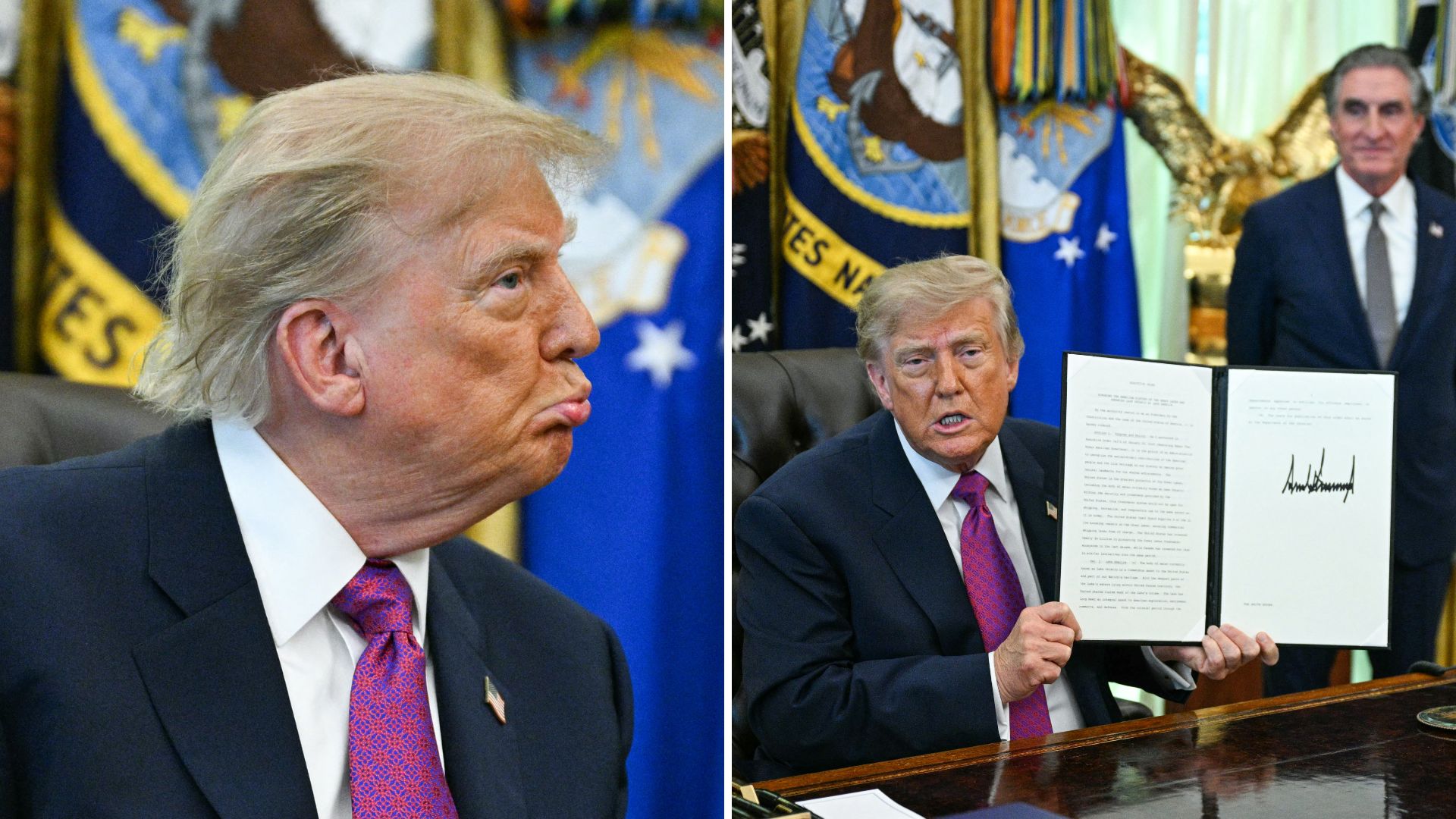 Trump signs executive order renaming Lake Ontario 'Lake America,' says 'All it takes is a good pen and some intelligence'