

/https%3A%2F%2Fcdn-tor.buminteractif.com%2F2026%2F09%2F03173112%2Ftrump-getty-3452398dfgndfgj453453gdfd.jpg)
Nearly nine in 10 Americans now believe corruption is widespread throughout the U.S. government, marking the highest level Gallup has recorded in two decades of tracking the issue. According to the poll released September 2, 2026, a record 89% of U.S. adults say corruption is prevalent in government, a dramatic 10-percentage-point increase from last year. The result represents a striking deterioration in Americans' perception of their political institutions and places the United States at the top for perceived government corruption among advanced economies belonging to the Organisation for Economic Co-operation and Development (OECD). Gallup has measured the question since 2006, but previous readings had never approached the current level. Between 2010 and 2025, the percentage generally remained between 72% and 79%, making this year's sudden jump particularly significant as Americans prepare for another consequential midterm election.
The record national figure masks an equally remarkable shift among different political groups. Democrats have experienced by far the largest change since Donald Trump returned to the White House. In 2024, during Joe Biden's final year in office, 57% of Democrats said corruption was widespread in government. That figure climbed to 76% in 2025 before surging to 91% this year, representing a 34-point increase in only two years. Independents have moved sharply in the same direction, rising from 78% in 2024 to 90% in 2026. Republicans, however, have remained consistently distrustful of government regardless of which party controls the presidency. Gallup found that 83% of Republicans currently consider government corruption widespread, only slightly below the 87% recorded under Biden in 2024. The numbers reveal an unusual national convergence: Americans across the political spectrum overwhelmingly distrust government, even though the political forces driving that distrust differ considerably by party.
The partisan breakdown
Gallup's findings also reveal an expanding divide between how Americans view government and how they perceive the private sector. Although distrust remains substantial in both areas, 71% of Americans currently say corruption is widespread within business, compared with 89% who say the same about government. That 18-percentage-point difference is the largest gap Gallup has recorded between the two measures, suggesting that the latest surge is not simply part of a generalized belief that every major American institution is corrupt. Instead, public suspicion appears to have become particularly concentrated on government. The poll itself does not determine whether Republicans or Democrats are responsible for corruption, nor does it ask respondents which political party they consider more corrupt. That distinction is important: the historic 89% figure measures perceptions of the U.S. government broadly, while the partisan breakdown illustrates how dramatically those perceptions can change depending on who occupies the White House.
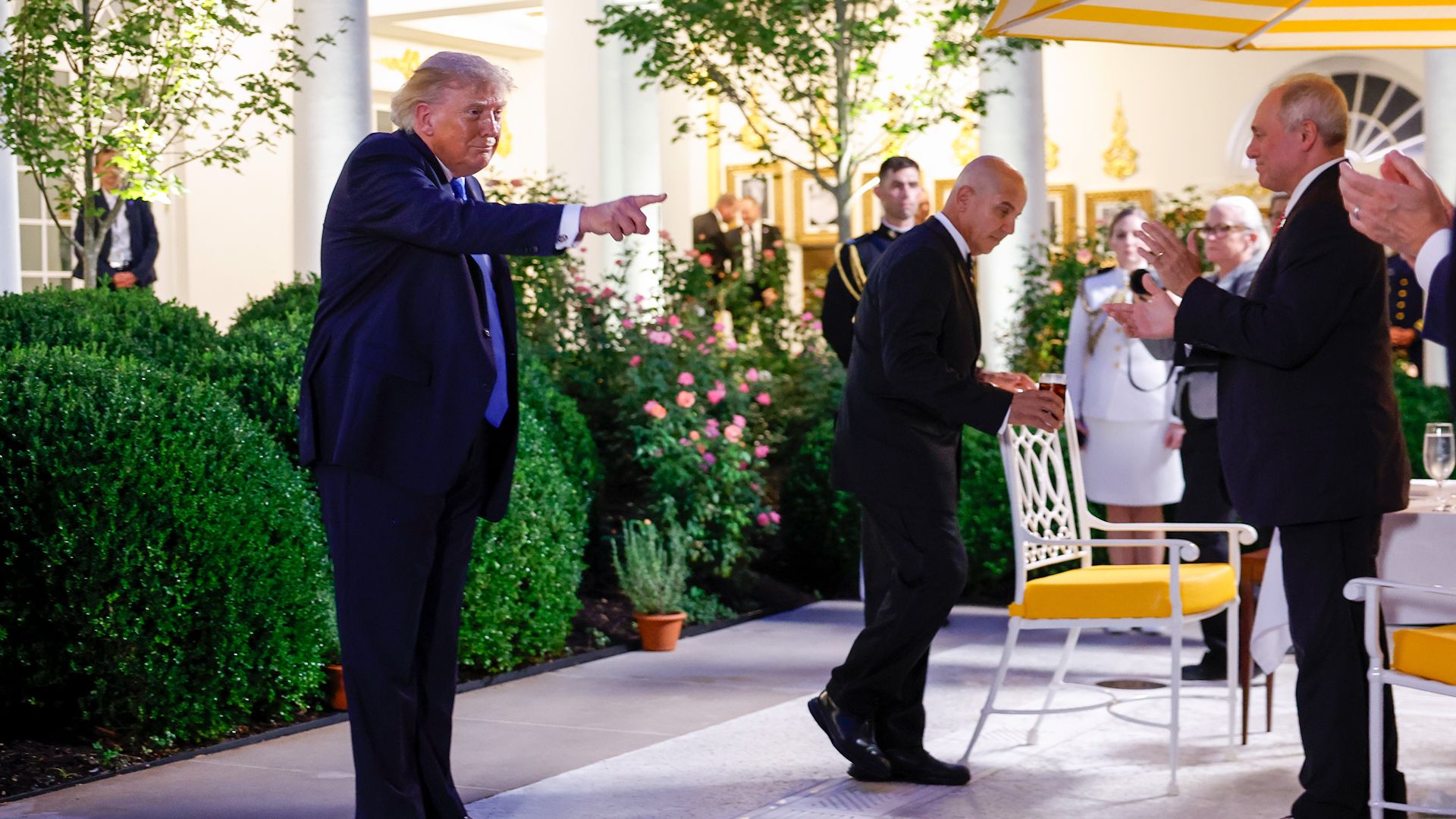
The extraordinary rise in perceived corruption comes as the Trump administration faces sustained scrutiny from ethics organizations, congressional critics and legal experts over conflicts of interest, government transparency and the relationship between political power and private financial interests. Critics have increasingly focused on forms of potential influence that extend beyond traditional controversies involving campaign contributions or government contracts. Cryptocurrency ventures, investments and other financial interests connected to Trump and people within his political orbit have become prominent targets of criticism, with watchdog organizations questioning whether government decisions could intersect with opportunities for private enrichment. Concerns have also surrounded the administration's approach to independent oversight, including the removal of inspectors general and changes affecting officials responsible for monitoring ethics and accountability inside federal agencies. These controversies do not establish what individual Gallup respondents had in mind when answering the survey, but they form part of the broader political environment surrounding the dramatic increase in public distrust.
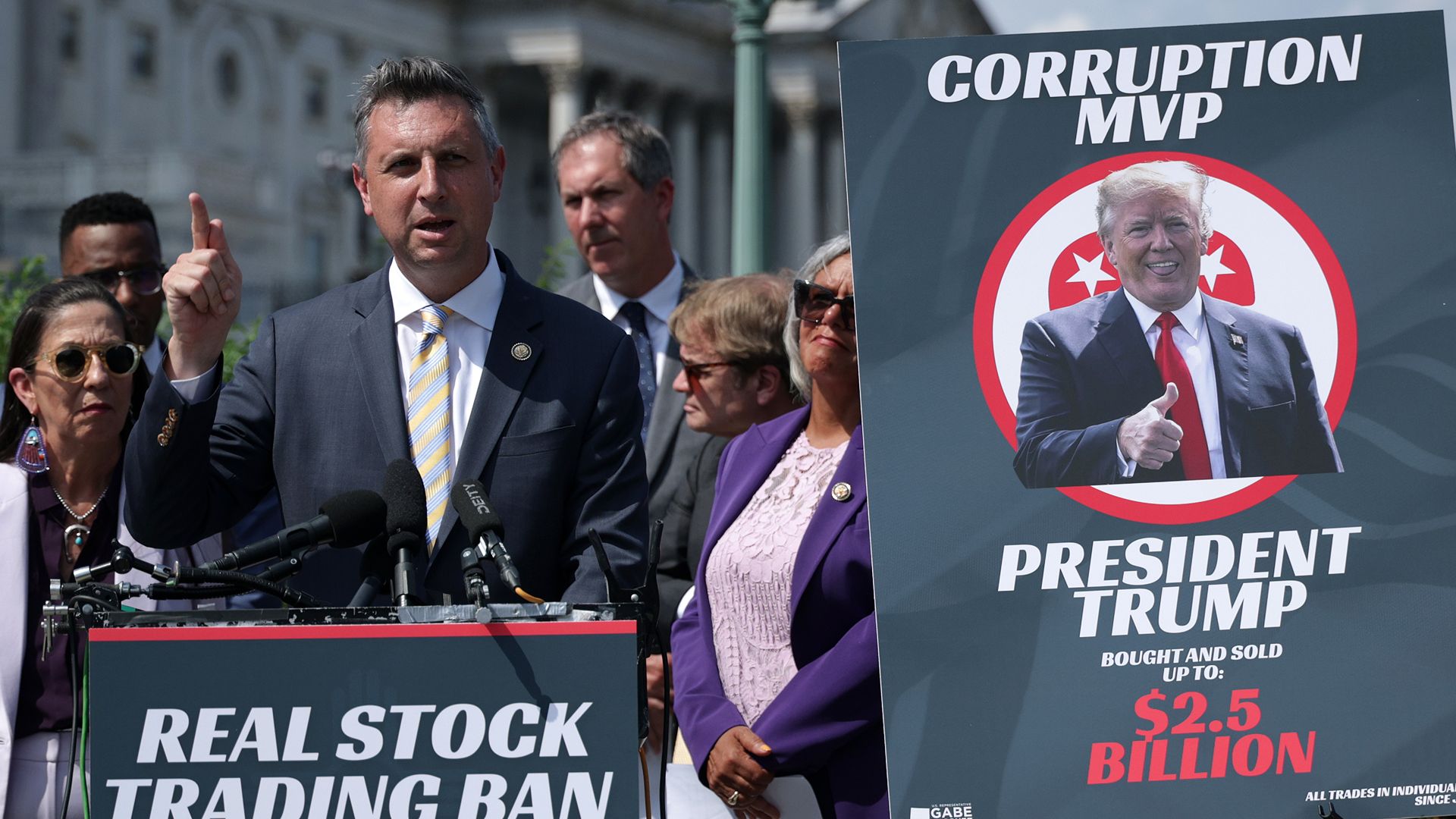
That distrust could become particularly consequential as the country moves toward the 2026 midterm elections, when control of Congress will once again be decided. Corruption offers both parties a powerful message, although they are approaching the issue from fundamentally different directions. Democrats can point to controversies surrounding the Trump administration while campaigning on stronger ethics requirements, financial transparency, congressional oversight and limits on executive authority. Trump and Republicans, meanwhile, have long portrayed Washington itself as fundamentally compromised, using distrust of federal institutions to reinforce their argument that the political establishment requires sweeping disruption. The challenge for both sides is that the Gallup numbers suggest voters may distrust far more than their political opponents. With 90% of independents saying government corruption is widespread, dissatisfaction reaches the group that could prove decisive in competitive congressional races. Rather than producing a predictable partisan advantage, such widespread disillusionment could encourage anti-incumbent voting, political volatility or deeper disengagement among voters who believe neither side can repair the system.
Across party lines
Perhaps the most striking message from Gallup's findings is therefore not that Americans have reached a consensus about who is responsible for corruption, but that overwhelming majorities across party lines believe the problem exists. Democrats have undergone the most dramatic transformation since Trump returned to office, while Republican perceptions have barely changed despite their party controlling the White House. That contrast suggests two different forms of distrust are operating simultaneously: Democrats have become substantially more concerned as political control shifted to Republicans, while Republican voters appear to maintain a deeply rooted suspicion of federal institutions regardless of the governing party. Independents, with 90% now perceiving widespread corruption, add another potentially destabilizing element. An 89% national reading does not prove that corruption itself has increased to a corresponding degree; it measures what Americans believe about their government. But politically, perception can carry enormous consequences, and the latest numbers show confidence in the integrity of Washington reaching an unprecedented low.
Created by humans, assisted by AI.
 All four former presidents to mark 9/11's 25th anniversary in New York as Trump refuses to attend
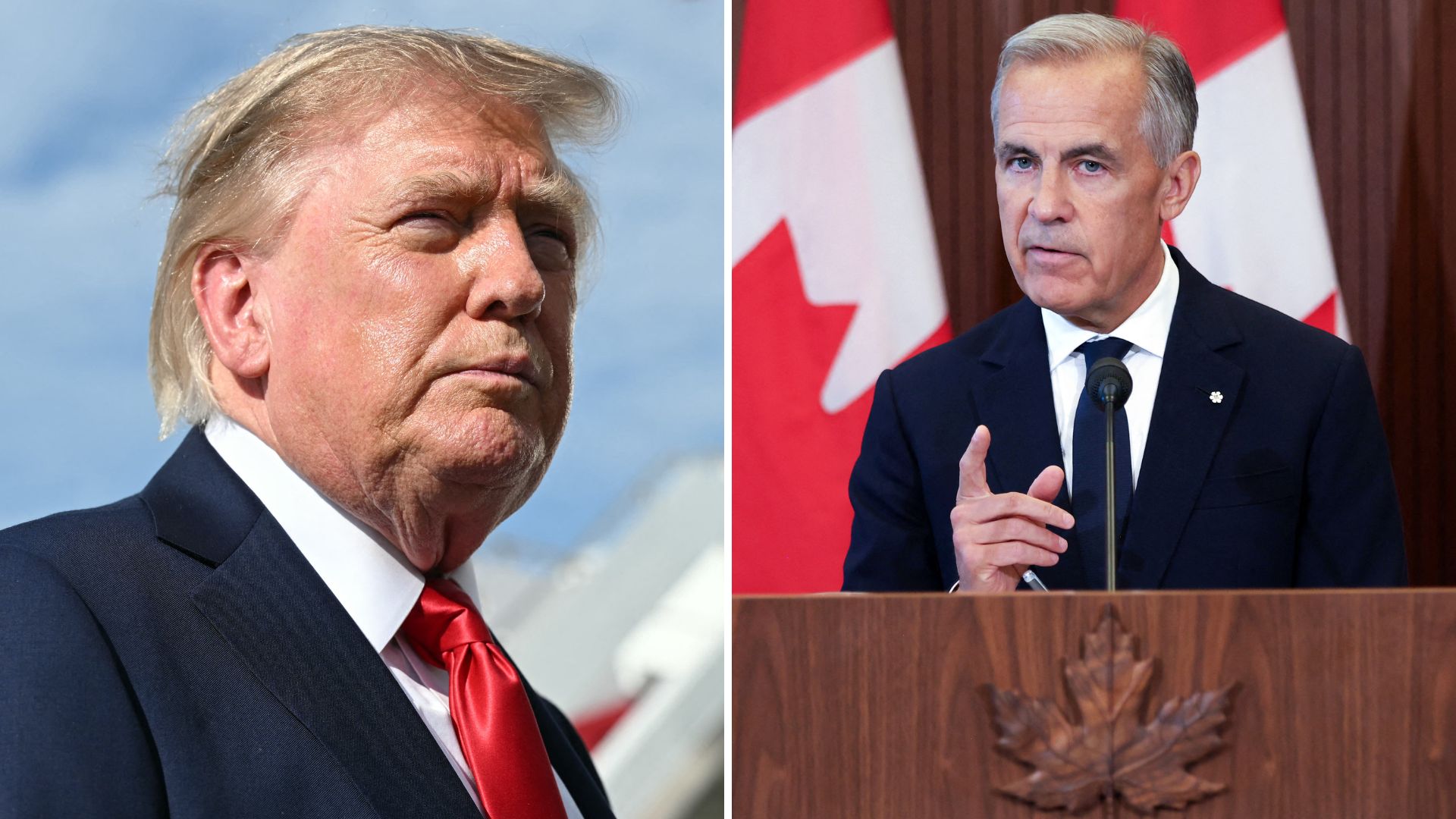 Nearly 40% of Republicans now see Canada as unfriendly or an enemy as Trump's trade war escalates