Trump Administration Accuses Canada of Election Interference, Warns Politicians to Keep Their «Nose Out» of U.S. Elections


The Trump administration has accused Canadian politicians of attempting to interfere in the upcoming U.S. midterm elections, escalating diplomatic tensions between the two neighboring countries less than two weeks before Americans head to the polls on November 3. On Wednesday, October 21, the U.S. Embassy in Ottawa published a fact sheet accusing Canadian officials of making public statements and taking political actions designed to influence American politics. The embassy characterized the material as evidence of «plans to influence American politics», singling out Industry Minister Mélanie Joly, Ontario Premier Doug Ford and other Canadian political figures. The accusations center largely on Canada's response to American tariffs, including retaliatory trade measures and a major Ontario advertising campaign criticizing Trump's economic policies. The statement followed a warning from U.S. Ambassador Pete Hoekstra that Washington was monitoring Canadian political activity and could retaliate if it determined that foreign election interference had occurred. Canadian officials have rejected the allegations, arguing that publicly defending their country's economic interests should not be confused with attempting to improperly influence an American election.
The diplomatic dispute had already intensified on October 14, when Hoekstra's comments during an appearance on the Canadian podcast The Really Big Show attracted widespread attention. The ambassador said American officials were monitoring statements and political activities originating in Canada, particularly as congressional elections approached. He argued that Ontario's previous anti-tariff advertising campaign, comments from Joly about retaliatory measures and criticism from former Prime Minister Justin Trudeau raised concerns about potential foreign political influence. Hoekstra warned Canadian politicians to «keep your nose out of American politics», explicitly connecting his concerns to the approaching midterms. He also said Washington was evaluating Canadian activities and warned that «America will respond to it» if the administration concluded that interference had taken place. The ambassador did not specify what form such a response could take, whether diplomatic, economic or legal. His remarks nevertheless elevated disagreements over trade policy into a broader dispute over electoral sovereignty, suggesting that actions Canadian officials considered legitimate political advocacy could be interpreted differently by the Trump administration.
Keep your nose out of American politics. You know, four weeks before an election.
Washington's allegations primarily concern Canada's attempts to pressure the United States over tariffs, particularly measures designed to impose political costs on the American administration. The embassy cited five statements attributed to Industry Minister Mélanie Joly, including remarks about coordinating retaliatory measures with European partners and concentrating economic pressure on politically sensitive Republican states. Joly had discussed the importance of targeting products in ways that would affect the political calculations of American lawmakers, explaining that Canada and its partners were seeking countermeasures capable of generating pressure on the administration. Ontario Premier Doug Ford was also singled out over his government's $75 million anti-tariff advertising campaign, which featured former President Ronald Reagan criticizing protectionist trade policies. The advertisement aired during the 2025 World Series, prompting Trump to abruptly terminate trade negotiations with Canada. Beyond economic retaliation, the embassy also highlighted Liberal MP Anthony Housefather's participation in a Democratic politician's campaign in Florida and Canadian Consul General Bernadette Jordan's involvement in discussions with Democratic elected officials. The administration presented these examples as potential interference, although the reported activities involved public advocacy, political contacts and trade disputes rather than established efforts to manipulate voting procedures or election results.
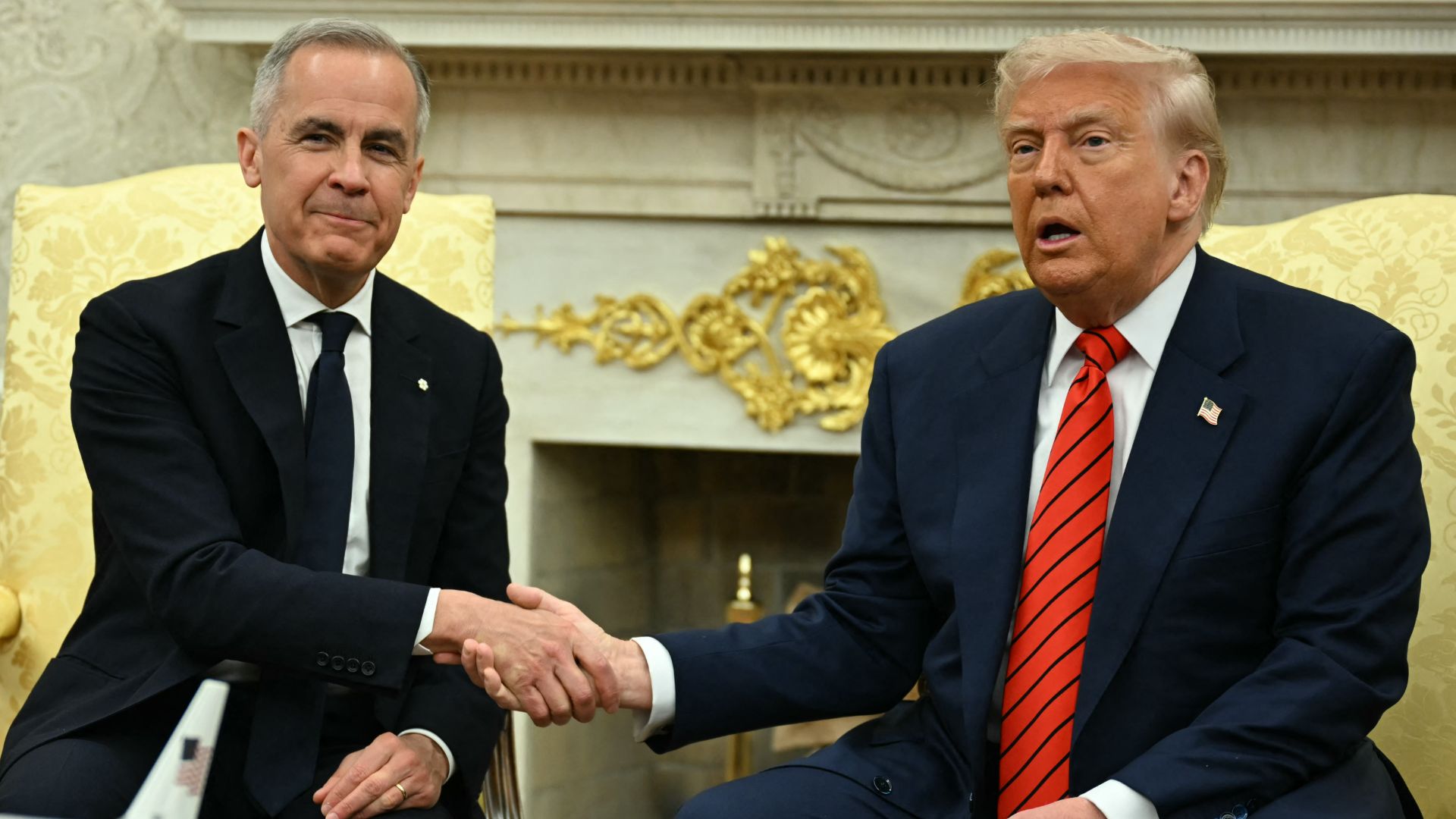
The embassy also broadened its allegations by citing 11 Canadian citizens charged with illegally voting in American elections in cases spanning 2012 to 2026. Their inclusion connected the diplomatic confrontation to the Trump administration's wider crackdown on noncitizen voting, an issue it has increasingly emphasized ahead of the midterms. According to the U.S. Department of Justice, more than 200 people have been arrested since the beginning of 2026 in connection with alleged illegal voting by noncitizens in previous elections. However, the embassy did not present evidence connecting the 11 Canadians to instructions from Ottawa or to any coordinated Canadian government operation. Criminal charges also do not automatically establish guilt, and election administrators have generally described noncitizen voting as uncommon compared with the tens of millions of ballots cast nationwide. Canadian Prime Minister Mark Carney rejected the broader interpretation of the country's actions, emphasizing that Canada had responded to tariffs initiated by Washington to protect its workers and businesses. Ford similarly denied any intention of interfering in American elections. McGill University political scientist Daniel Béland challenged the allegations, arguing that the incidents cited by the embassy did not demonstrate genuine foreign interference or establish that Canada could meaningfully determine the outcome of the midterms.
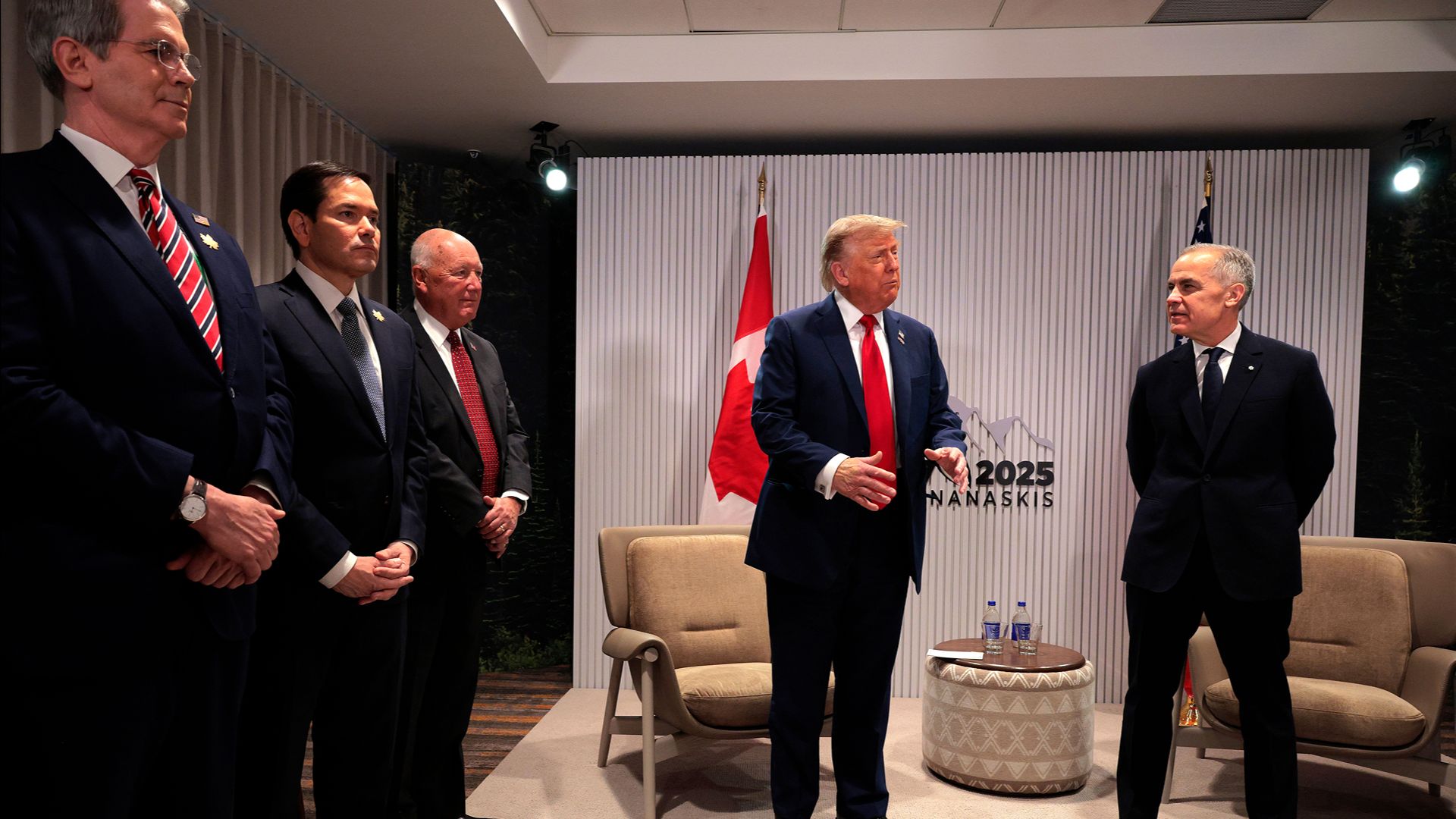
The allegations have also renewed scrutiny of Trump's own interventions in Canadian political affairs, particularly during the federal election held on April 28, 2025. On the very day Canadians were voting, Trump published a Truth Social message encouraging voters to support a political future in which Canada would become America's 51st state. His appeal promised sweeping economic benefits, including lower taxes, expanded military protection and substantial growth for Canadian industries if the country abandoned its independence and joined the United States. Trump presented annexation as an opportunity to eliminate tariffs and transform the Canadian economy, directly addressing the electorate during a national vote. His intervention drew criticism from Canadian political leaders, including Liberal leader Mark Carney, who went on to win the election. In a video published that day, Carney warned about instability originating in the United States before declaring: «But this is Canada and we decide what happens here. Let's choose to be united and strong – Canada strong.» Unlike the Canadian activities currently being questioned by Washington, Trump's election-day remarks explicitly encouraged Canadians to consider a different political future while they were casting their ballots, although public statements of that kind do not automatically constitute unlawful electoral interference.
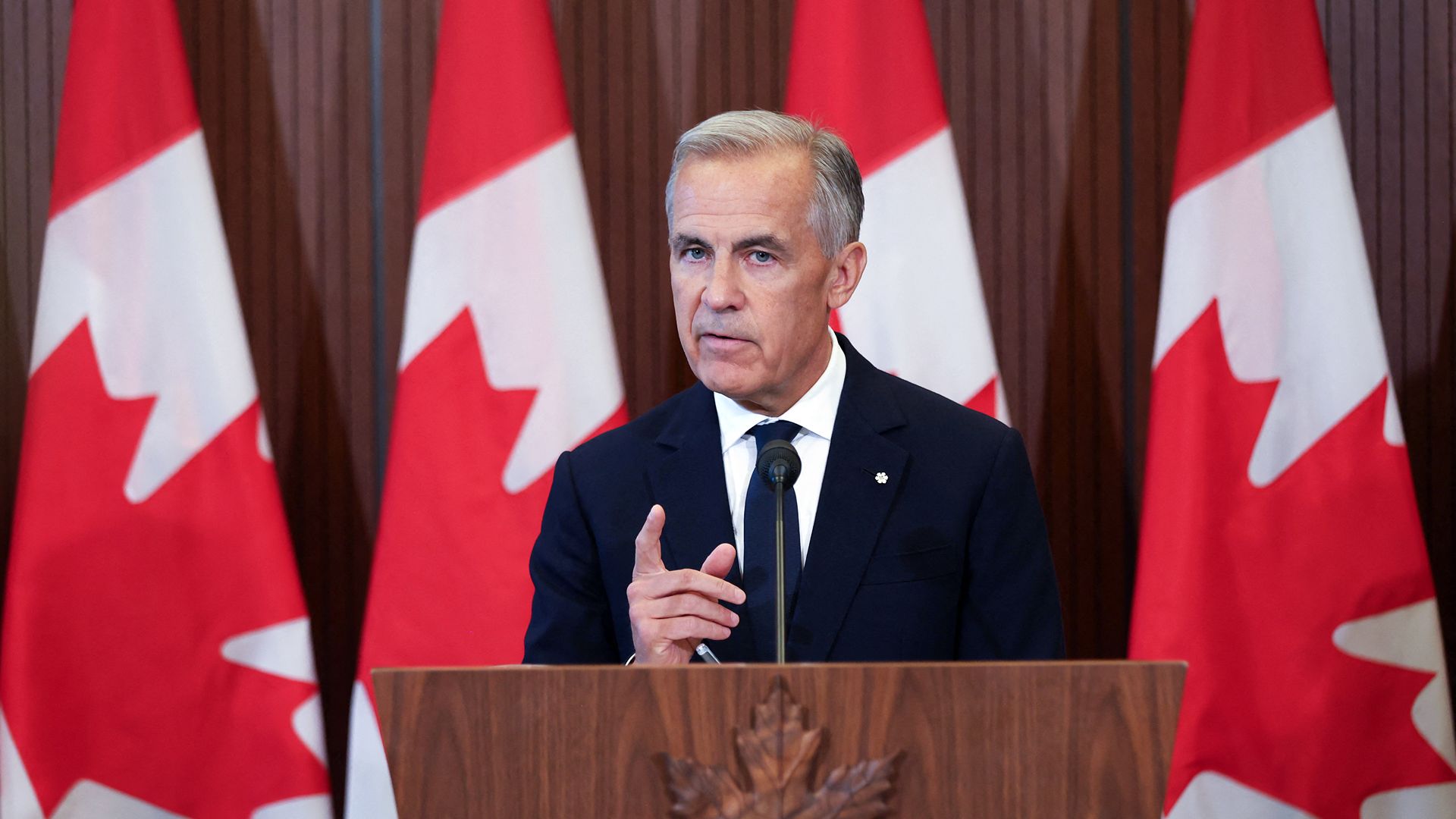
But this is Canada and we decide what happens here. Let's choose to be united and strong – Canada strong.
More recently, questions about American involvement in Canada's domestic politics resurfaced surrounding Alberta's October 19, 2026, referendum, which saw voters reject a proposal to begin the constitutional process toward a possible separation from Canada. The separatist movement attracted attention from American political figures, including U.S. Treasury Secretary Scott Bessent, who publicly described Alberta as a natural economic partner for the United States and expressed sympathy for the province's interest in closer American ties. Reports also described contacts between Alberta separatist representatives and American officials, along with interest from Republican political strategists in supporting the separatist movement's organizing efforts. Researchers monitoring the referendum identified political messaging originating from American sources that promoted Alberta's separation and, in some cases, its eventual integration into the United States. Those findings, however, did not establish that the Trump administration organized or financed a coordinated campaign to influence the vote. Carney had previously made clear that Canada's expectation of noninterference applied to the United States as well as other foreign governments. With Washington now accusing Canadian politicians of crossing that same boundary, the dispute has brought renewed attention to the competing standards both countries apply to foreign political involvement, particularly when public advocacy, diplomatic pressure and allegations of electoral interference increasingly overlap.
Created by humans, assisted by AI.
