


Brazilian President Luiz Inácio Lula da Silva has secured a historic fourth term in office after defeating right-wing Senator Flávio Bolsonaro in Sunday's presidential runoff, dealing a significant electoral setback to a political movement closely aligned with Donald Trump. However, the October 25 victory immediately triggered a dispute over the legitimacy of the election, as Bolsonaro refused to concede defeat and announced plans to seek the annulment of the results. The confrontation unfolded after Brazil's electoral authorities declared Lula the winner following a closely contested campaign dominated by economic uncertainty, public security concerns and deep political divisions. Bolsonaro, the son of former President Jair Bolsonaro, had entered the runoff with momentum after finishing ahead of Lula in the October 4 first round, making the incumbent's subsequent comeback particularly significant. The result also represented a setback for the Bolsonaro family's attempt to regain control of Brazil's presidency, while raising immediate concerns about whether the defeated candidate would accept the country's electoral institutions and the transition into Lula's next term.
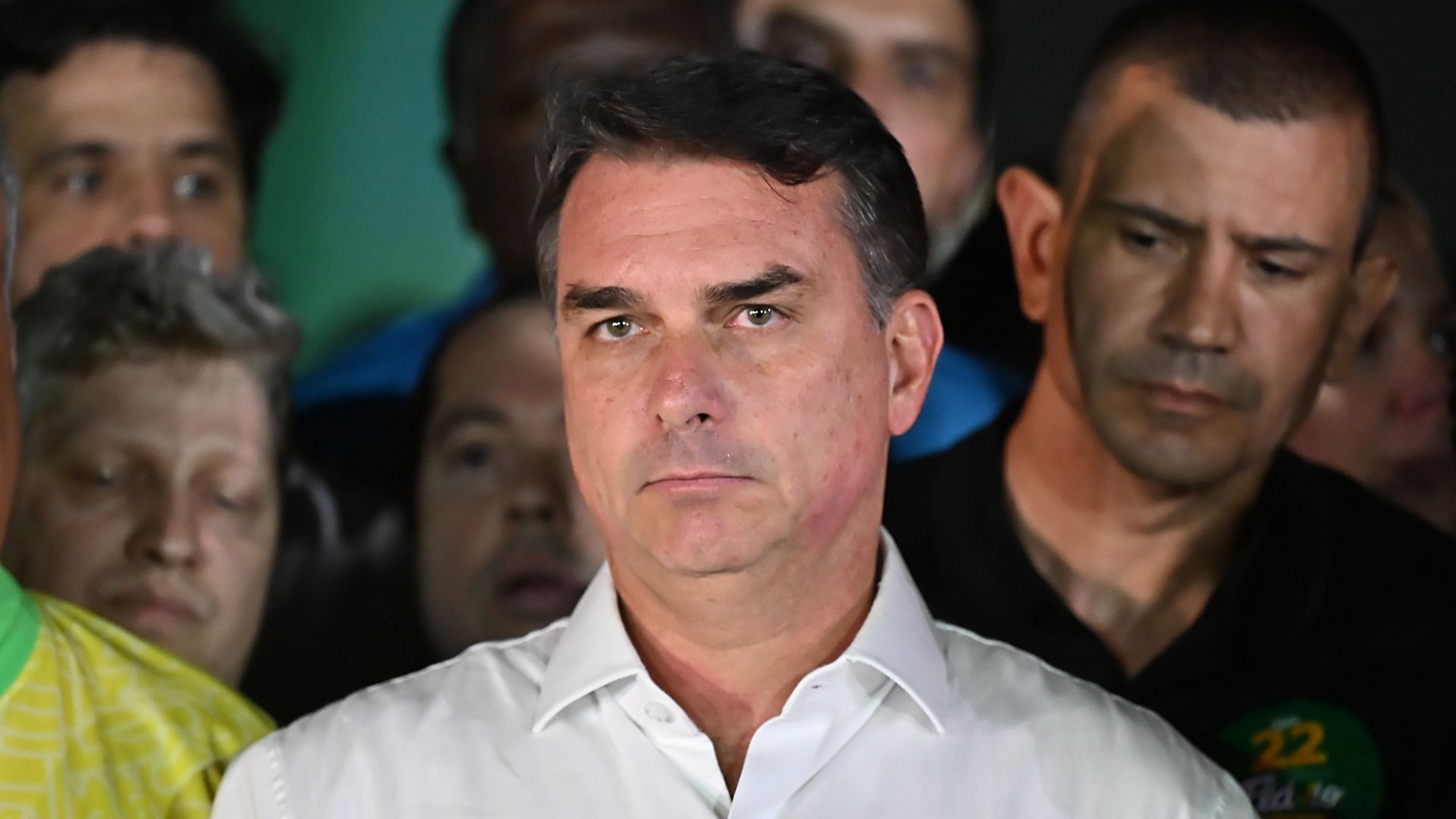
Shortly after the results were announced, Flávio Bolsonaro publicly rejected the outcome, arguing that an unexpected judicial decision to extend voting hours had compromised the election's legitimacy. Speaking to reporters and supporters in Brasília, the defeated candidate announced that his legal team would seek to invalidate the vote rather than recognize Lula's victory. In remarks translated and broadcast by CNN, Bolsonaro declared: «We will take legal action. We will ask for this election to be annulled. This had never happened in Brazil's history. What happened today was not normal. In fact, it was unacceptable.» His refusal centered on a ruling issued during election day that allowed polling stations to remain open beyond their scheduled closing time. Bolsonaro argued that changing voting procedures while the election was underway undermined confidence in the process, despite the substantial margin separating the candidates. His announcement immediately placed Brazil's electoral institutions at the center of a new political confrontation, with the losing campaign preparing a legal challenge to an election that authorities had already declared in Lula's favor.
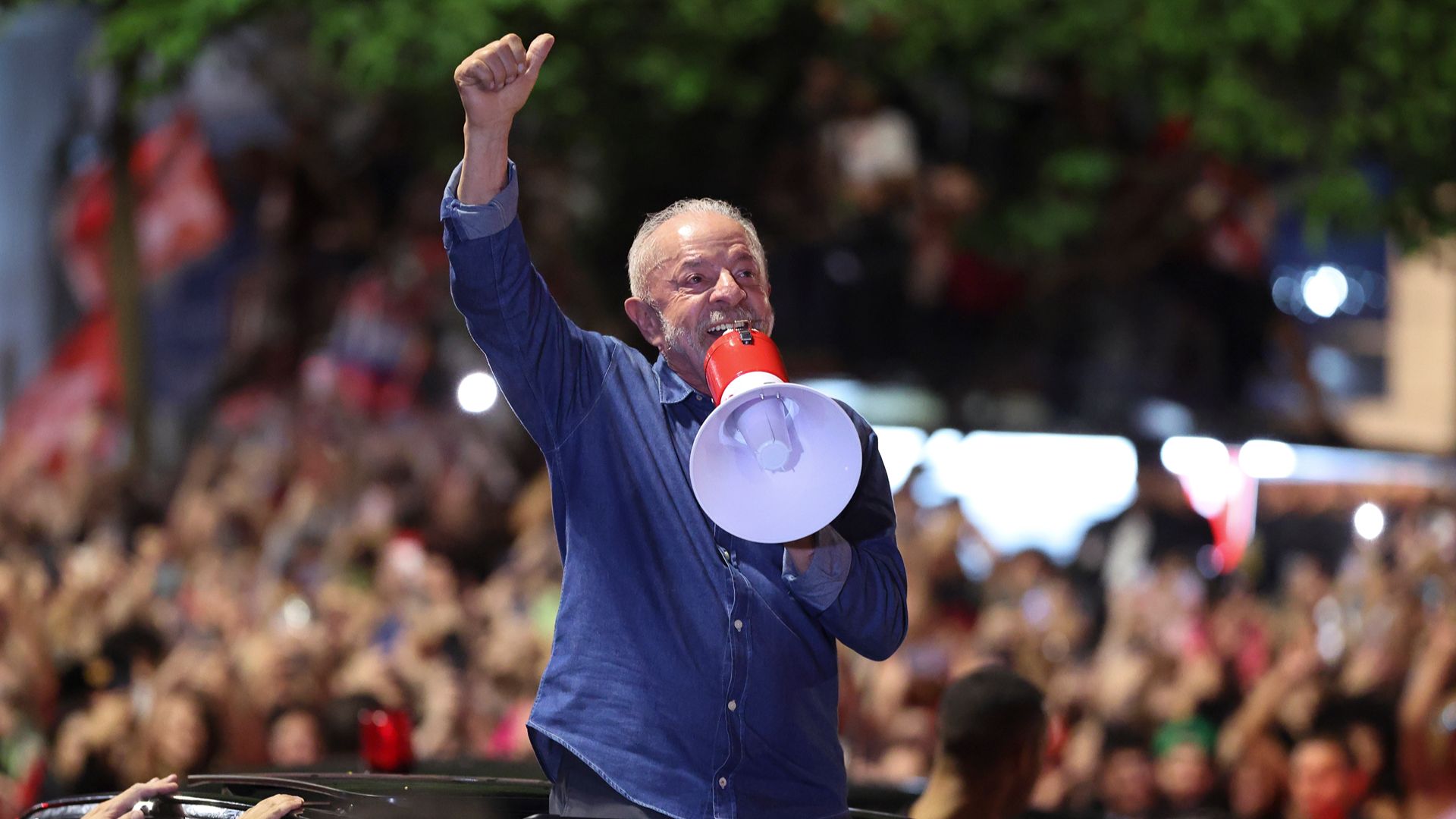
This election was a defeat for denialism, a defeat for lies.
The controversy originated from a decision by Supreme Court Justice Cristiano Zanin to extend voting by two hours following reports that transportation difficulties and severe weather had prevented some Brazilians from reaching polling stations. The measure allowed affected voters additional time to cast their ballots, but Bolsonaro criticized the intervention as an unacceptable alteration of electoral rules, pointing to Zanin's previous professional association with Lula. However, the defeated candidate's challenge faces a significant complication: both presidential campaigns had requested voting extensions in areas experiencing difficulties, including Bolsonaro's own team, which sought additional time in conservative-leaning regions affected by heavy rainfall. Electoral authorities maintained that the decision was intended to preserve access to voting rather than benefit either candidate. Kassio Nunes Marques, the electoral court president appointed to the Supreme Court by Jair Bolsonaro, also maintained that the extension had not affected the election's outcome. With the disputed procedures involving only a limited number of additional votes compared with Lula's substantial advantage, legal observers questioned whether Bolsonaro's allegations could provide sufficient grounds to overturn the result.
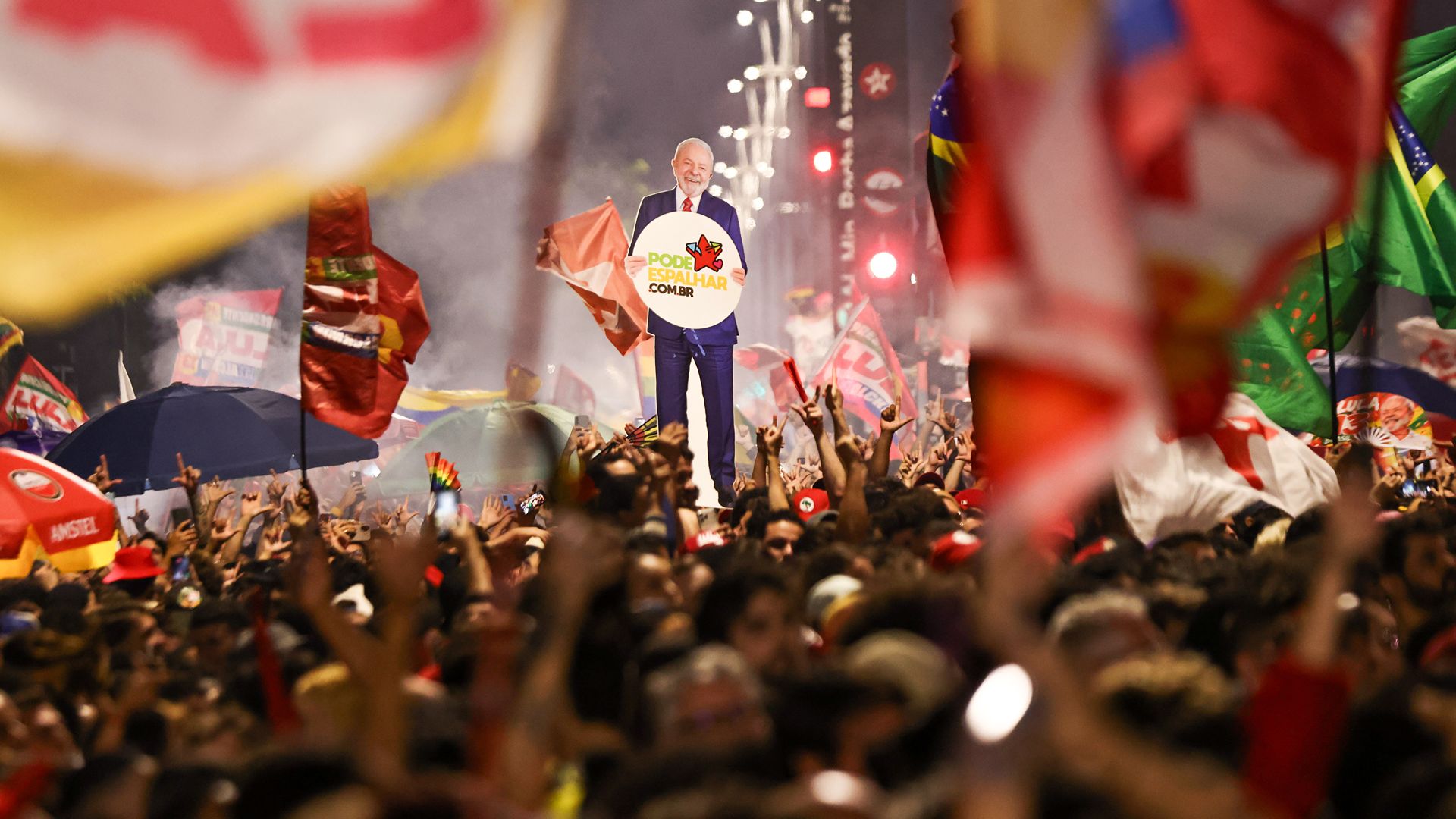
While Flávio Bolsonaro challenged the result, Lula celebrated a historic electoral comeback after securing 64,256,232 votes, representing 51.79% of valid ballots, compared with Bolsonaro's 59,826,041 votes, or 48.21%. The difference of 4,430,191 votes delivered Lula his fourth presidential term, making him the first person in Brazilian history to win the presidency four times through democratic elections. His victory was particularly significant because he had finished behind Bolsonaro in the October 4 first round before mobilizing enough additional support to reverse the outcome three weeks later. Addressing supporters in São Paulo, Lula celebrated the result as a rejection of political misinformation, declaring: «This election was a defeat for denialism, a defeat for lies.» He subsequently criticized what he described as foreign influence through digital platforms, arguing that technology companies should face greater regulation. The reelected president also promised to govern for all Brazilians, including those who supported his opponent, as he prepared for another four-year term beginning in January 2027.
Bolsonaro's refusal to concede also revived memories of Brazil's previous presidential election, when his father, former President Jair Bolsonaro, challenged his 2022 defeat to Lula and subsequently became embroiled in efforts to overturn the result. Jair Bolsonaro, who governed Brazil from 2019 to 2022, developed a close political relationship with Donald Trump, sharing his nationalist rhetoric, conservative social policies and confrontational approach toward political opponents. Following his departure from office, the elder Bolsonaro was convicted over a plot to undermine Brazil's democratic institutions and is currently imprisoned. Flávio, a senator and one of Jair Bolsonaro's sons, emerged as the family's presidential candidate while promising tougher crime policies, closer relations with Washington and political measures that could benefit his father. Trump has repeatedly expressed support for Jair Bolsonaro, publicly criticizing his prosecution and imposing economic pressure on Brazil during the legal proceedings. The younger Bolsonaro's defeat therefore represents a setback for a political movement that had hoped to restore the family's influence and strengthen Brazil's alignment with the Trump administration.
We will take legal action. We will ask for this election to be annulled. This had never happened in Brazil's history. What happened today was not normal. In fact, it was unacceptable.
Lula's victory leaves Brazil facing an uncertain political environment, with the president preparing for another four years in office while his defeated opponent pursues a challenge to the election results. Although Bolsonaro has demanded annulment, Brazil's electoral authorities maintain that the disputed extension of voting hours did not alter the outcome, and the substantial margin separating the candidates presents a major obstacle to overturning the result. Lula must also contend with a conservative-leaning Congress and persistent public concerns about living costs, crime, government spending and economic growth. Internationally, his reelection means Latin America's largest economy will continue pursuing a foreign policy emphasizing national sovereignty, diplomatic independence and economic relations with partners including China and the BRICS countries, rather than the closer alignment with Washington advocated by the Bolsonaro family. The result also interrupts a recent series of conservative electoral victories across Latin America, complicating Trump's efforts to consolidate political partnerships in the region. As Bolsonaro prepares his legal challenge and Lula looks toward his next term, Brazil faces another confrontation over the legitimacy of an election whose official outcome has already been declared.
Created by humans, assisted by AI.
