
The Canadian government has proposed raising the federal luxury tax threshold from $100,000 to $150,000 for fully electric and hydrogen-powered passenger vehicles, a move aimed at levelling the playing field between zero-emission models and lower-priced combustion equivalents.
Announced by Finance Minister François-Philippe Champagne as part of Budget 2026 measures on November 12, the change is slated to take effect retroactively as of November 13, 2026, but it still needs to obtain parliamentary approval.
The proposed increase of the luxury tax threshold to $150,000 will apply to battery-electric and hydrogen vehicles; gasoline- and diesel-powered models remain subject to the existing $100,000 threshold, while heavy-duty pickups remain exempt altogether.
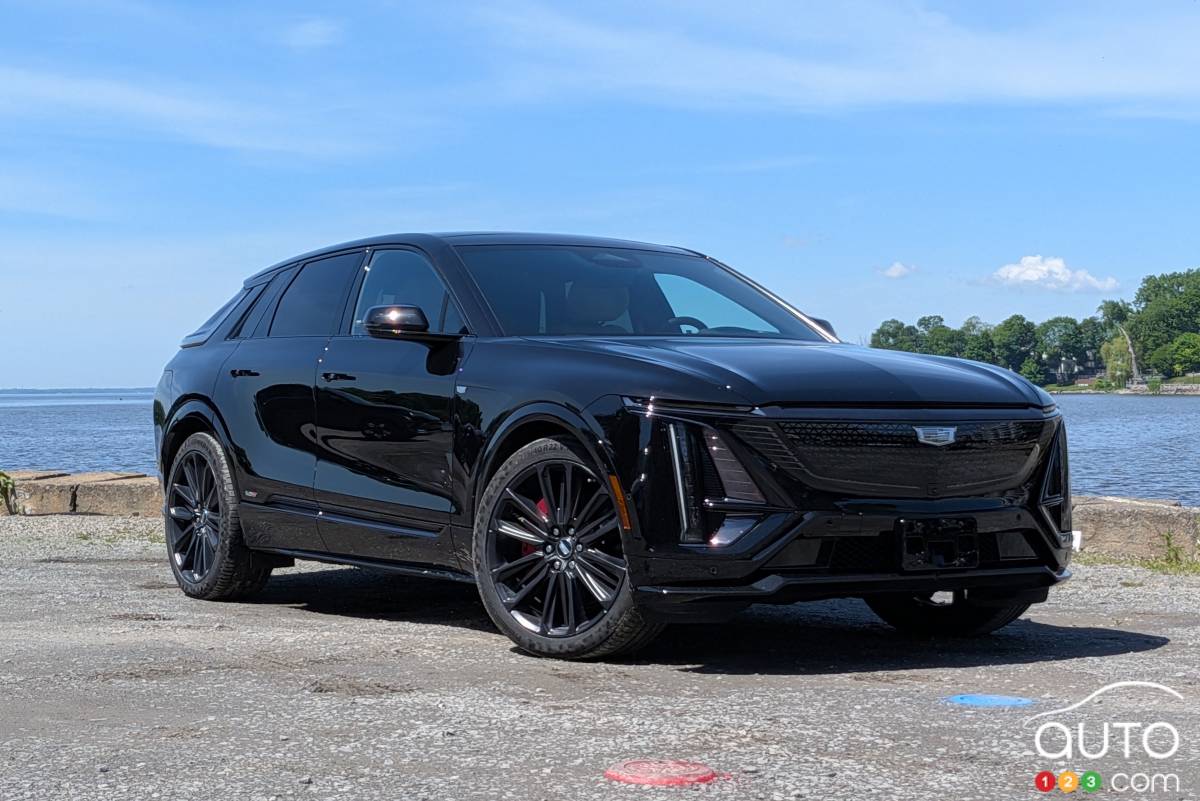
How the luxury tax applies
Introduced three years ago, Canada's federal luxury tax applies to the sale, lease, importation and certain upgrades of passenger vehicles exceeding the designated price threshold. The levy is calculated as the lesser of two amounts: 10 percent of the vehicle's total value, or 20 percent of the amount exceeding the threshold.
Ottawa noted that rising vehicle prices across the automotive market, combined with the higher upfront manufacturing costs of battery-electric powertrains, had pushed an increasing number of EVs past the $100,000 mark, inadvertently penalizing buyers choosing zero-emission models.
“With Budget 2026, we are expanding our electricity system, cutting emissions, and unlocking new investment in clean technologies,” Champagne said in a statement. “By updating this measure to reflect today's vehicle market, we are supporting the transition to a cleaner, more competitive economy.”
Broader Push to Boost EV Adoption and Charging Infrastructure
The tax adjustment arrives as Canada seeks to accelerate slow electric vehicle adoption. According to federal figures, only 13 percent of all new vehicles sold in Canada in August 2026 were either fully electric or plug-in hybrids. That's well behind the global trajectory projecting 40 percent electric sales within the next five years.
At the same time, provincial and federal purchase incentives are shifting. In Quebec, the provincial Roulez vert program, which currently offers $2,000 toward a fully electric vehicle, is scheduled to expire on December 31, 2026. Federally, the Electric Vehicle Affordability Program (EVAP), which took effect on March 31, 2026 (covering eligible purchases back to February 16, 2026), offers up to $5,000 this year before dropping to $4,000 in 2027, subject to strict price and origin rules.
To complement the luxury tax revision, Budget 2026 also commits $587 million over five years starting in 2027–2028 to install more than 55,000 additional public EV chargers across urban and remote regions, effectively doubling the federally supported charging network, alongside $45 million over five years for charging infrastructure research and development.

Share this post


Popular posts
-

Bernie Sanders Declares «The Time Is Now for Change», Refuses to Back Chuck Schumer
-

‘Prison Break’, ‘Mike Hammer’ star Stacy Keach dead at 85
-

Pamela Anderson, Matt Damon, and Demi Moore Gathered for a Glamorous Evening in New York
-

All US flights grounded nationwide: FAA cites “extraordinary circumstances” and ”reasons of safety”