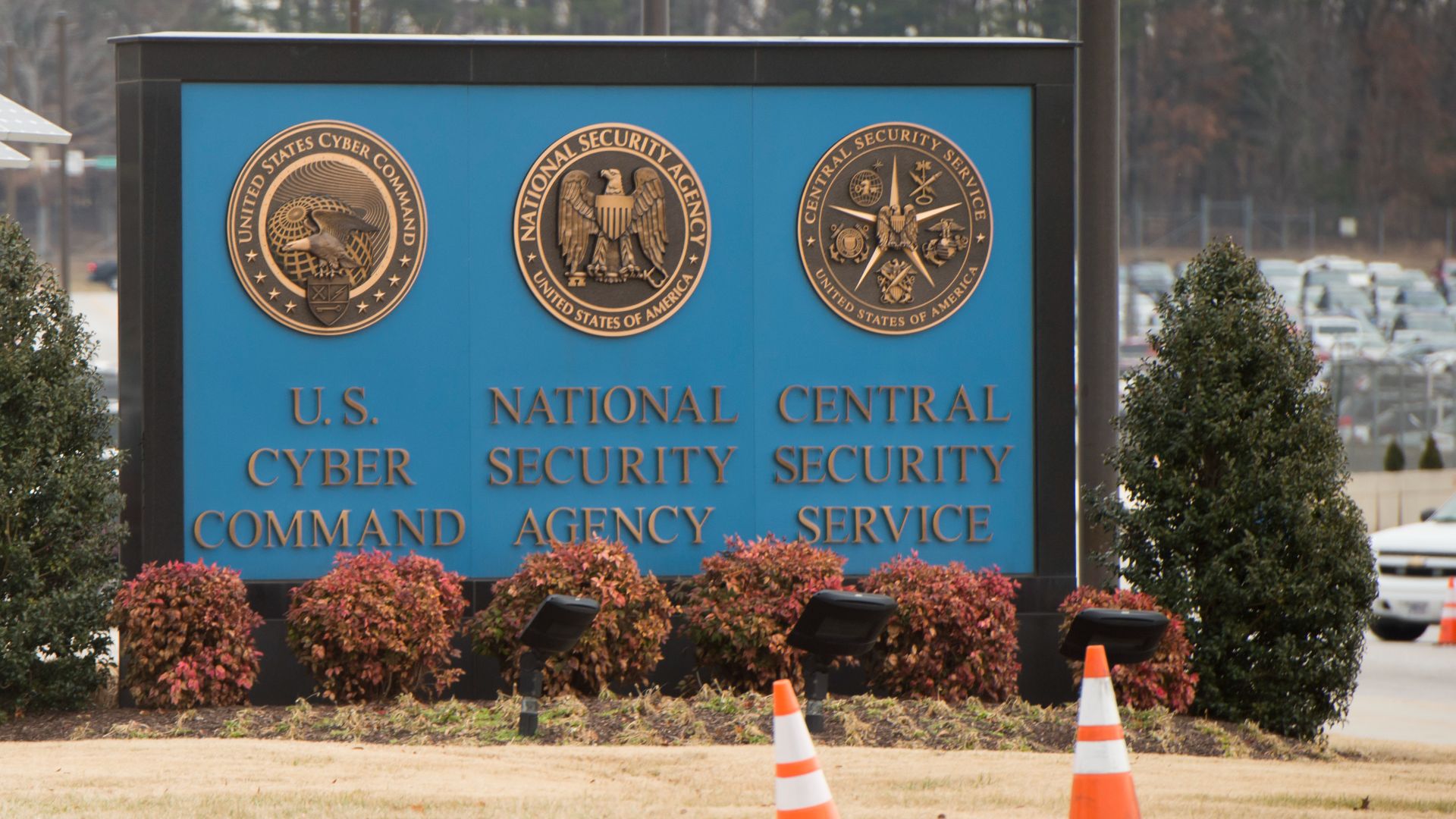
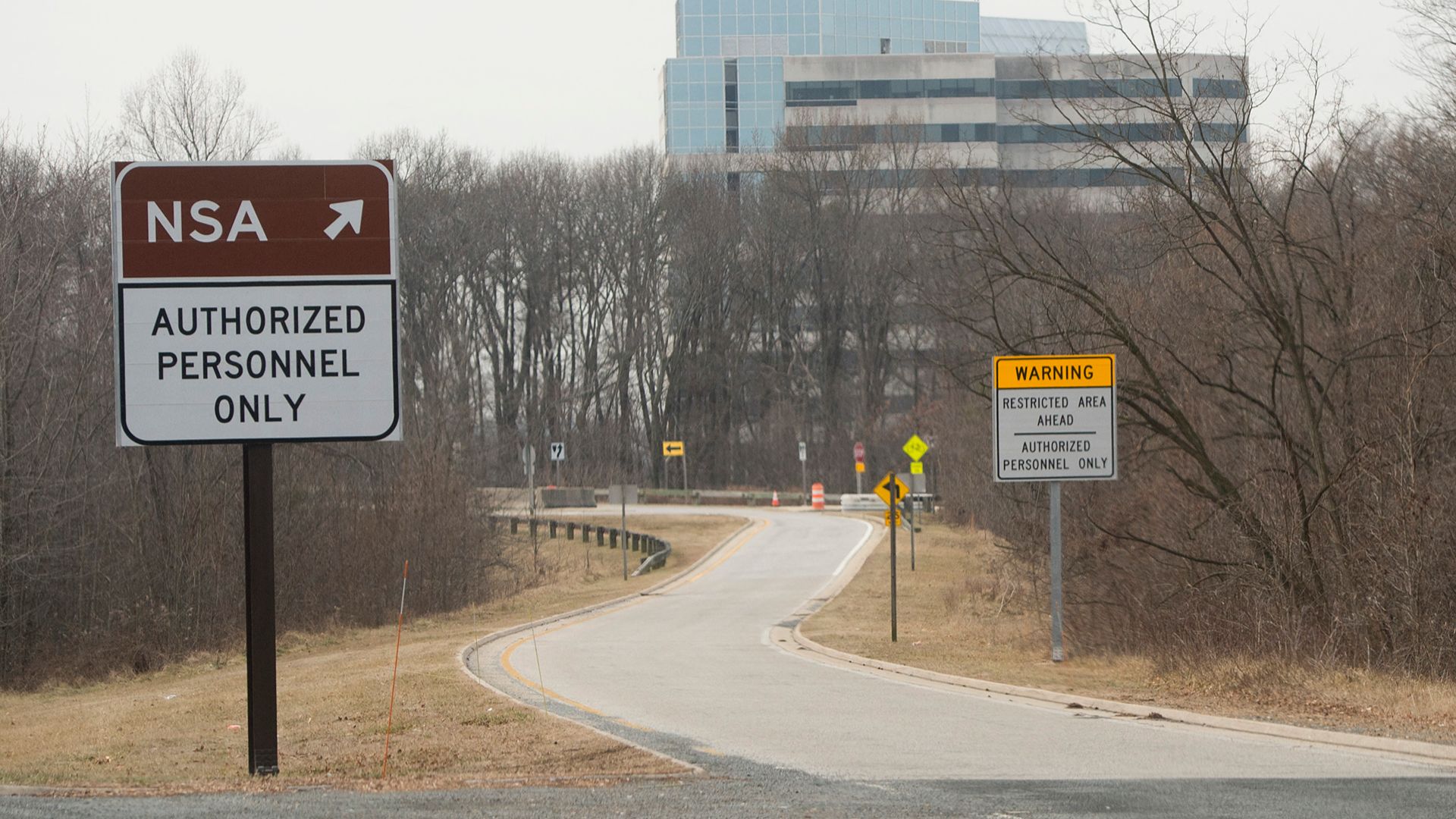
A highly classified communications network at the National Security Agency suffered a major outage on Tuesday, November 17, prompting an internal «Code Yellow» staffing alert and disrupting operations at one of America's most sensitive intelligence organizations, just days after widespread technical failures affected the nation's aviation system, major banks and Microsoft services. According to CNN, six people familiar with the situation confirmed that NSA Net, the internal network used by agency personnel to exchange classified information, had experienced serious problems, forcing officials to reorganize employee arrivals at the agency's headquarters in Fort Meade, Maryland. The New York Times subsequently reported that an employee telephone recording identified the disruption as «Code Yellow», the second-highest warning level in a three-tier system. The incident raised questions about the reliability of critical government communications infrastructure at a particularly sensitive moment, with Donald Trump traveling through Asia for high-level diplomatic meetings. Although federal officials emphasized that there was no evidence of a cyberattack, the breakdown added to an unusual succession of technological disruptions affecting essential American institutions within less than a week.
The consequences of the NSA disruption extended beyond a temporary loss of network access, affecting the schedules of employees responsible for handling some of the United States government's most sensitive intelligence. According to the New York Times, an employee telephone recording instructed nonessential personnel at Fort Meade to delay their arrivals until later in the day, while emergency staff were expected to continue their normal assignments. The message stated, «Nonemergency personnel should begin staggered arrival no earlier than noon.» It also instructed, «Emergency personnel to report for duty as scheduled.» One person familiar with the situation told the newspaper that NSA Net had experienced instability for several weeks, frustrating employees before the latest breakdown. Separately, sources cited by CBS News described a modified reporting procedure as «Code Gray», indicating that different accounts used different terminology for the staffing arrangements. The agency reportedly adopted staggered arrivals to prevent thousands of employees from attempting to access the struggling network simultaneously, while some work was redirected to other NSA facilities. Recorded Future News also reported that the system was providing intermittent service rather than remaining completely inaccessible, suggesting that the severity of the disruption could vary across the agency's operations.
We see no evidence that this was a cyberattack.
Despite the operational disruption, U.S. officials sought to reassure the public that the intelligence community's most important national security functions remained protected. A government official told CBS News that the agency had experienced a «temporary degradation during scheduled routine maintenance», while maintaining that essential capabilities were still operational. The official also explained that the NSA's infrastructure includes multiple layers of redundancy intended to preserve critical activities when individual systems experience problems. Two sources familiar with the situation attributed the outage to routine software patching, although the precise circumstances had not been conclusively established. CNN separately reported that a current and a former American official believed the incident would not prevent urgent intelligence from reaching Trump aboard Air Force One, citing secure backup networks available to the government. White House spokesperson Lauren Bis also dismissed concerns that the disruption reflected a broader national security emergency. Speaking on Newsmax, she declared, «We see no evidence that this was a cyberattack», before adding, «There is no crisis, or anything like that, for Americans to be worried about.» Nevertheless, the agency's modified staffing arrangements and continuing investigation illustrated the difference between maintaining emergency intelligence capabilities and ensuring that its internal communications systems were functioning normally.
As the classified NSA network disruption emerged, senior Trump administration officials continued attempting to reassure Americans that the recent succession of technological failures did not indicate an approaching national emergency. Speaking to Fox News in an interview released on November 16, Vice President JD Vance addressed growing concerns following the Microsoft outage and the nationwide FAA shutdown, explaining that some people had questioned whether they should begin stockpiling emergency supplies or preparing for a wider crisis. «We do not see some crisis coming down. But you have to be prepared for everything», Vance declared. Asked whether Americans should consider building bunkers or storing food and water, he responded, «My answer to that is no.» Vance described military preparations for extended disruptions as ordinary contingency planning rather than evidence of an imminent threat, emphasizing that government agencies must remain prepared for emergencies even when none is anticipated. His comments preceded the public disclosure of the NSA outage, meaning they were not a direct assessment of that incident. Nevertheless, they illustrated the administration's broader effort to discourage speculation about a coordinated attack while acknowledging that important American systems had experienced significant disruptions.
Homeland Security Secretary Markwayne Mullin delivered similarly emphatic assurances as federal agencies examined the outages, insisting that investigators had found no evidence connecting the incidents to a coordinated cyberattack. During a Fox News interview on November 16, Mullin stated, «I can tell you with 98% certainty, we're not seeing the cyber attack, no one is out there taking claim for it, we're not seeing the traffic, we're not seeing the footprints going in, we're not seeing the footprints going out — and so nothing points to it being connected.» He subsequently told CNBC on November 17, «I can tell you with complete certainty that we are not under attack. There's no cyber threat that's taken place. The homeland is very secure.» The reassurances followed several disruptive incidents involving unrelated systems. Microsoft experienced a major service interruption beginning November 12, affecting Outlook, Teams and other Microsoft 365 applications after a software defect contributed to overloaded infrastructure. The following day, a telecommunications failure forced the Federal Aviation Administration to suspend departures nationwide for approximately four hours and 45 minutes after excessive network traffic destabilized aging equipment. On November 16, thousands of banking customers reported difficulties accessing services or completing transactions after JPMorgan Chase experienced a software bug that delayed payments involving other financial institutions. Chase said the incident was not cyber-related, while some banks reporting customer difficulties maintained that their own systems were operating normally.
The problem is we are dealing with 50-year-old technology. It works most of the time.
Although investigators have not established a connection between the outages, their concentration within a matter of days has intensified questions about the resilience of America's increasingly interconnected technological infrastructure. The incidents affected different sectors and had different reported causes, but each demonstrated how a localized software problem, network malfunction or equipment failure can produce consequences far beyond the system where it originates. At Microsoft, a previously undetected software defect contributed to cascading service problems, while the FAA's aging telecommunications network became unstable after receiving excessive connection attempts. The JPMorgan disruption demonstrated how delays at one financial institution could affect transactions involving customers at other banks, without necessarily indicating separate failures at those institutions. At the NSA, investigators were examining a possible maintenance-related problem affecting a classified communications network, although its precise cause remained uncertain. Mullin attributed the broader vulnerability to organizations introducing newer technology into aging computer systems, while Vance acknowledged the challenge of maintaining obsolete infrastructure. «The problem is we are dealing with 50-year-old technology. It works most of the time», the vice president said. Transportation Secretary Sean Duffy has meanwhile requested another $50 billion to overhaul air traffic control systems, despite Congress having previously approved $12.5 billion for modernization. The unanswered question is not whether the incidents prove a coordinated attack, for which no public evidence has emerged, but whether existing safeguards, maintenance procedures and modernization efforts are sufficient to prevent similarly disruptive failures in the future.
Created by humans, assisted by AI.
Share this post