GameStop CEO Blasts GTA 6’s Digital-Only Release, Warns Players Are Losing Their Right to Own Games


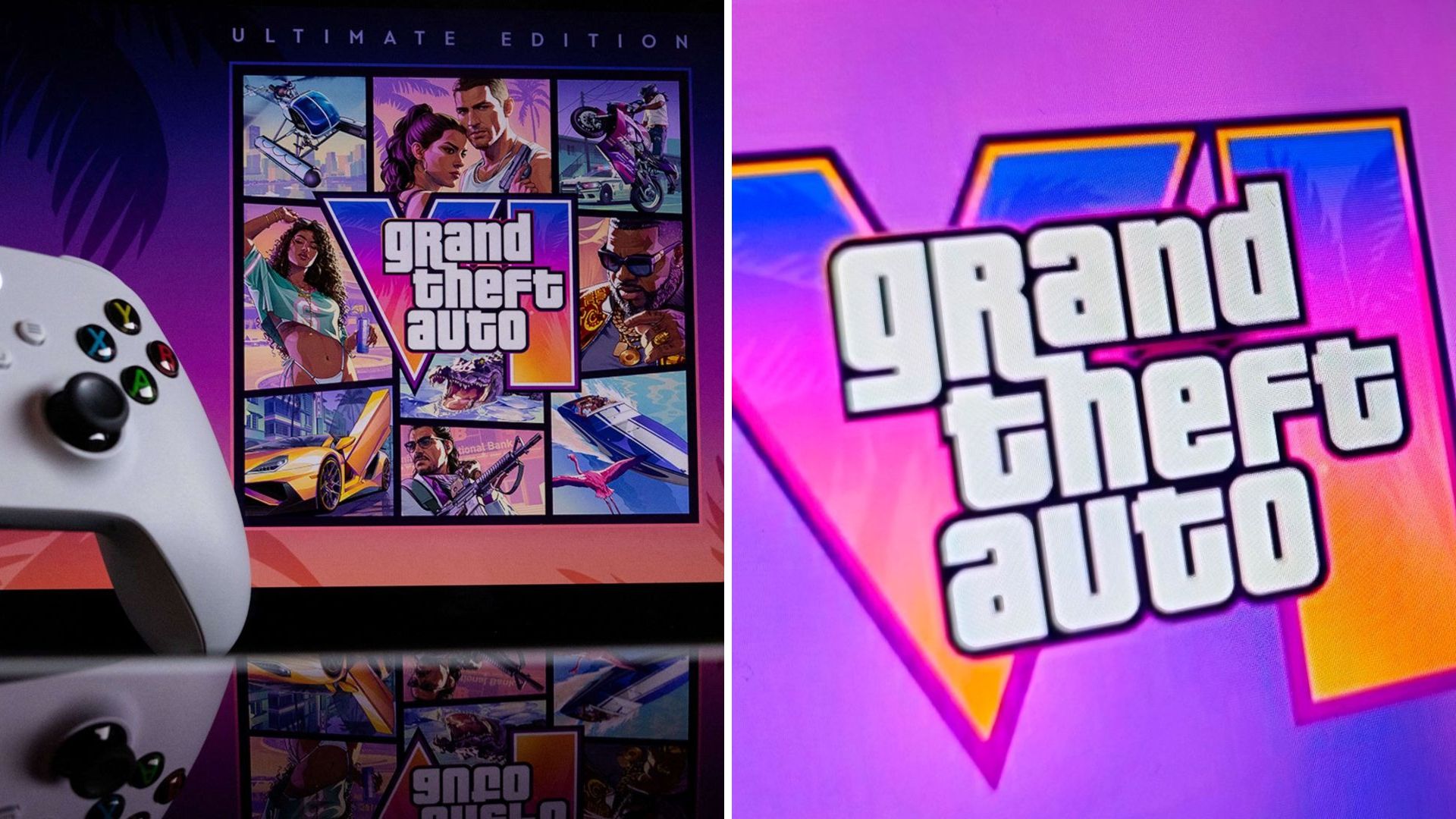
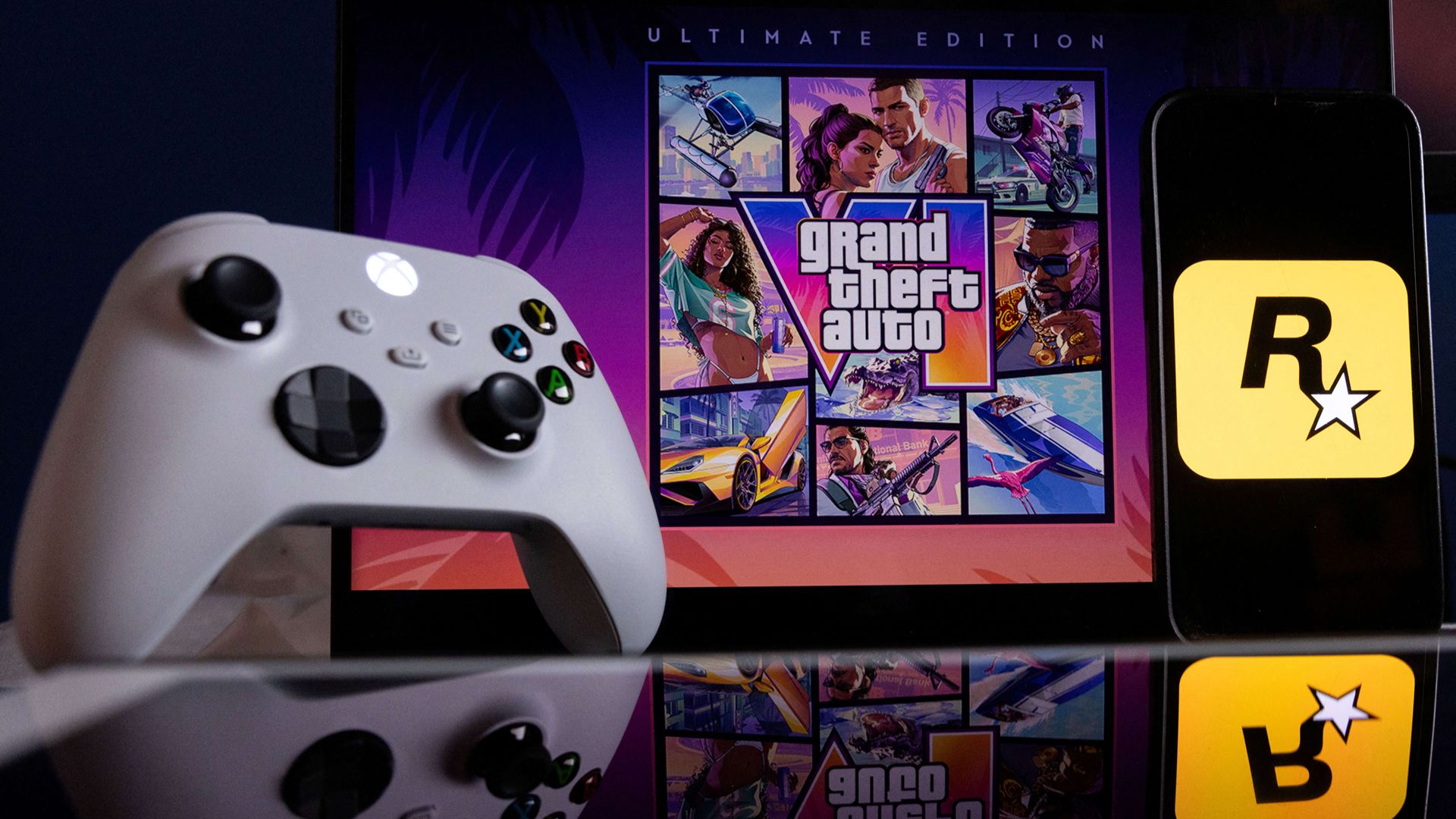
GameStop CEO Ryan Cohen is accusing the video game industry of undermining consumer ownership rights as Grand Theft Auto 6 launches on Thursday, November 19, 2026, without a physical disc, forcing players to rely entirely on digital downloads. Despite the game's $80 price tag, customers purchasing a retail edition receive a box containing a redemption code rather than a playable copy they can resell, trade or lend to another person. In an interview with Bloomberg, Cohen sharply criticized the industry's growing dependence on digital distribution, arguing that publishers are eliminating important consumer freedoms traditionally associated with purchasing video games. «When you buy a game, you should be able to sell it, trade it or lend it to a friend», he declared. The GameStop executive also acknowledged that the transition has damaged his own company, which depends heavily on physical game sales and trade-ins. His criticism arrives as one of the biggest entertainment launches in history brings renewed attention to the increasingly blurred distinction between buying a game and purchasing permission to access it.
Cohen's concerns extend beyond the disappearance of physical discs to what he describes as the deliberate elimination of competition within the video game marketplace. Traditionally, players could purchase a new title, finish it and recover part of their investment by selling it to another customer or exchanging it at a retailer such as GameStop. Secondhand copies also allowed consumers to purchase expensive games at reduced prices, creating an alternative to buying directly from publishers. However, digital-only releases largely eliminate that option because purchases are generally tied to individual accounts and cannot be transferred to another person. Cohen said he has discussed these concerns with major video game publishers, although he declined to identify the companies involved. He argued that restricting used-game sales benefits publishers by removing cheaper alternatives to newly purchased copies. «They're taking away competition», he warned. The controversy has intensified with GTA 6, whose enormous commercial appeal demonstrates how quickly digital-only distribution can reshape purchasing habits, even among players who would otherwise prefer owning physical copies.
When you pay for a game, you should own it.
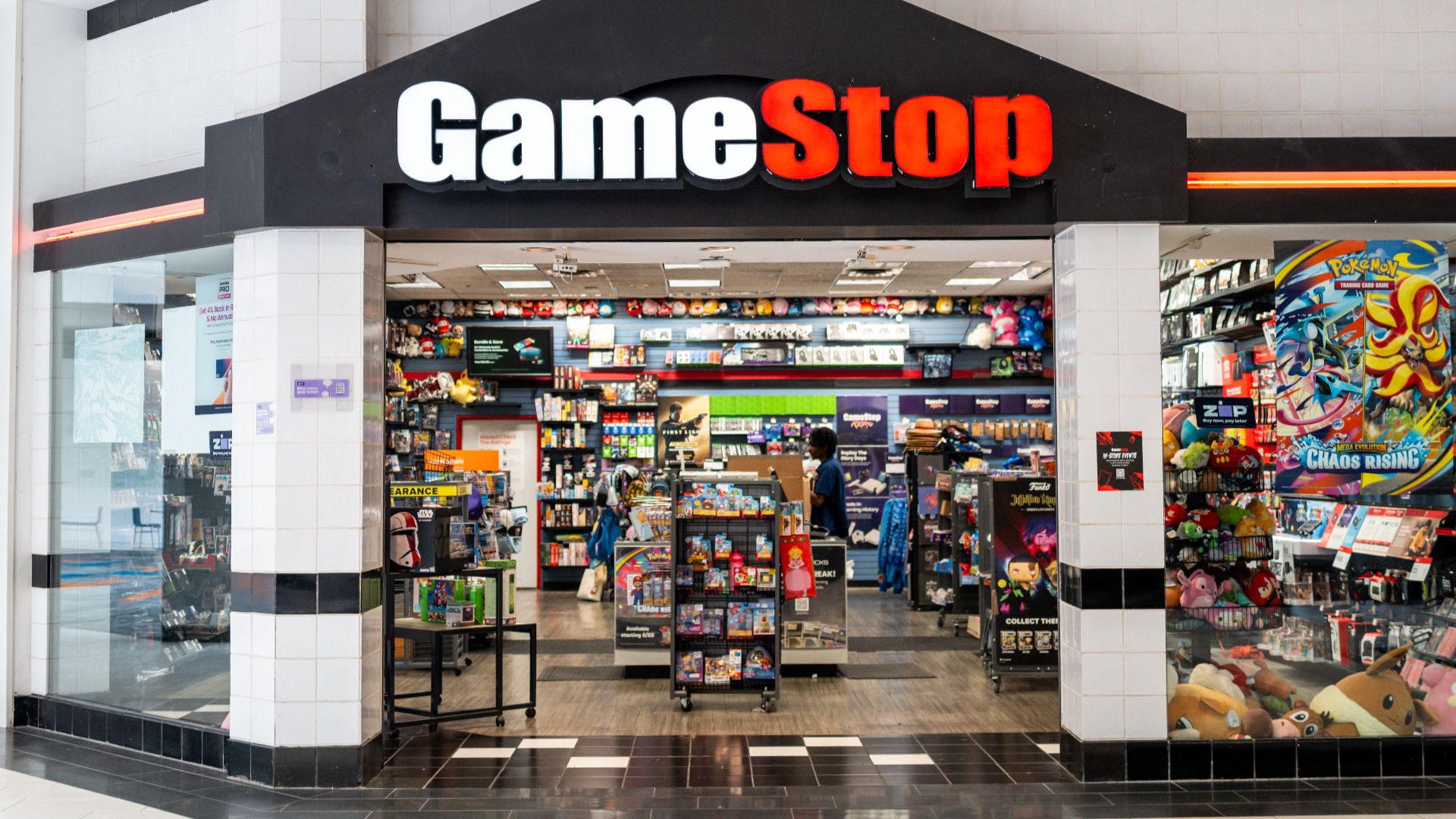
The shift toward digital gaming is also creating significant financial pressure for GameStop, whose business has historically depended on the resale of previously purchased games and refurbished electronics. According to the company's financial results for the quarter ending August 1, 2026, revenue from pre-owned and refurbished products dropped approximately 32% from the previous year, falling from $250 million to $170.7 million. These products accounted for roughly 22% of GameStop's quarterly revenue, highlighting the continued importance of secondhand sales despite the industry's changing distribution model. GameStop attributed much of the decline to the absence of a major hardware launch comparable to the Nintendo Switch 2's debut in the previous year, meaning the downturn cannot be blamed entirely on digital distribution. Nevertheless, Cohen acknowledged that GTA 6 remains a major commercial opportunity for the retailer, even without physical discs. Customers can still purchase boxed redemption codes through GameStop, allowing the company to participate in the blockbuster launch while facing a longer-term challenge to its traditional business model.
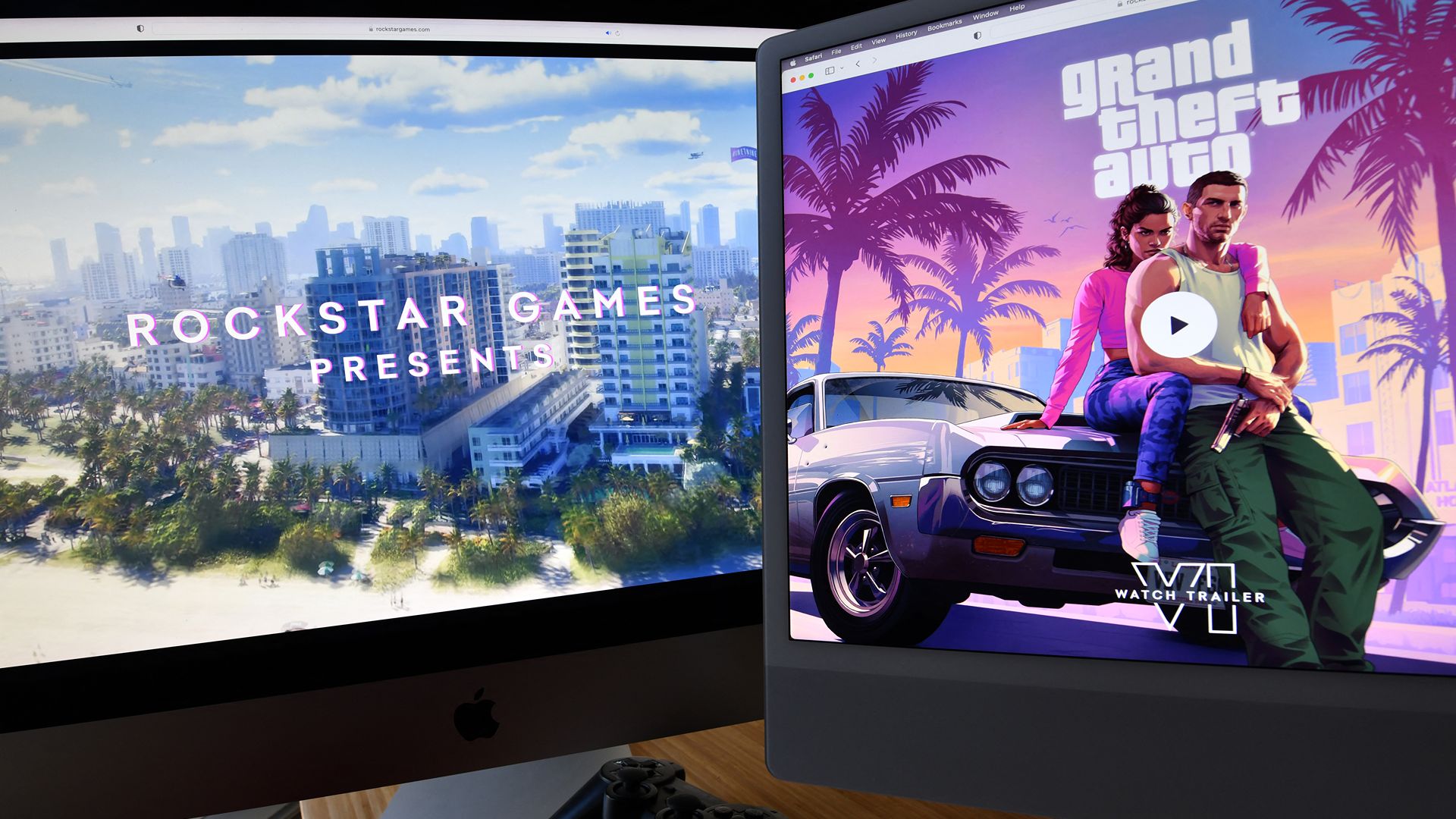
Take-Two Interactive, the parent company of Rockstar Games, has defended its decision to release GTA 6 without a physical disc, arguing that digital distribution has become the dominant purchasing method across the industry. During an August earnings call, CEO Strauss Zelnick explained that more than 90% of the company's business was already distributed digitally, making traditional discs increasingly unnecessary for major releases. «Our business is well over 90% digitally distributed», Zelnick stated, before arguing that discs «don't really make sense for the consumer». He also pointed out that many modern games already require an internet connection, questioning the practical advantage of purchasing a physical copy. The executive nevertheless acknowledged that Take-Two could continue releasing physical editions selectively, leaving open the possibility of a future disc version of GTA 6. The company declined to comment on Cohen's latest criticism, highlighting the competing perspectives between publishers prioritizing digital convenience and retailers defending transferable physical copies.
The controversy extends beyond Rockstar Games as Sony prepares to eliminate physical disc production for all new PlayStation titles beginning in January 2028, a decision that could substantially reshape how console games are purchased and distributed. Announced in July 2026, the policy means future PlayStation releases will be sold digitally through the PlayStation Store or through retail packages containing download codes, although previously released physical games will remain unaffected. Sony has defended the transition as a response to changing consumer preferences, arguing that digital distribution already represents the preferred format for a growing majority of players. However, the decision has prompted concerns among collectors, independent retailers and consumers who rely on secondhand purchases to reduce gaming expenses. Physical discs also allow games to be shared between compatible consoles and resold after completion, advantages that are generally unavailable with account-linked digital licenses. For customers with limited internet access, the disappearance of discs could create additional difficulties, particularly when downloading games requiring substantial storage space and reliable broadband connections.
A game that can be taken away the moment a company pulls the plug is not a purchase. It is a rental disguised as a sale.
Growing concerns about digital ownership have also attracted attention from lawmakers and consumer advocates seeking stronger protections for people purchasing video games. In October 2026, Democratic Representative Ritchie Torres of New York announced the proposed Power to the Players Act, which would direct the Federal Trade Commission to develop regulations protecting consumers' ability to own and continue playing purchased games. «When you pay for a game, you should own it», Torres declared. He further warned: «A game that can be taken away the moment a company pulls the plug is not a purchase. It is a rental disguised as a sale.» The proposed legislation would also address games dependent on online servers, requiring publishers to provide an offline option before shutting down services. Similar concerns have emerged in Europe, where the Stop Killing Games campaign secured approximately 1.3 million verified signatures demanding stronger protections against publishers permanently disabling purchased titles. While these initiatives address different aspects of digital ownership, both reflect growing pressure to reconsider the rights consumers receive when purchasing games. For Cohen, GTA 6's digital-only launch illustrates a larger industry transformation in which buying a game no longer necessarily includes the ability to resell, transfer or retain unrestricted access to it.
Created by humans, assisted by AI.
Share this post