U.S. Army to Detonate Nearly 5 Tons of Toxic Explosive Material in Iowa Despite Public Outcry and Health Concerns


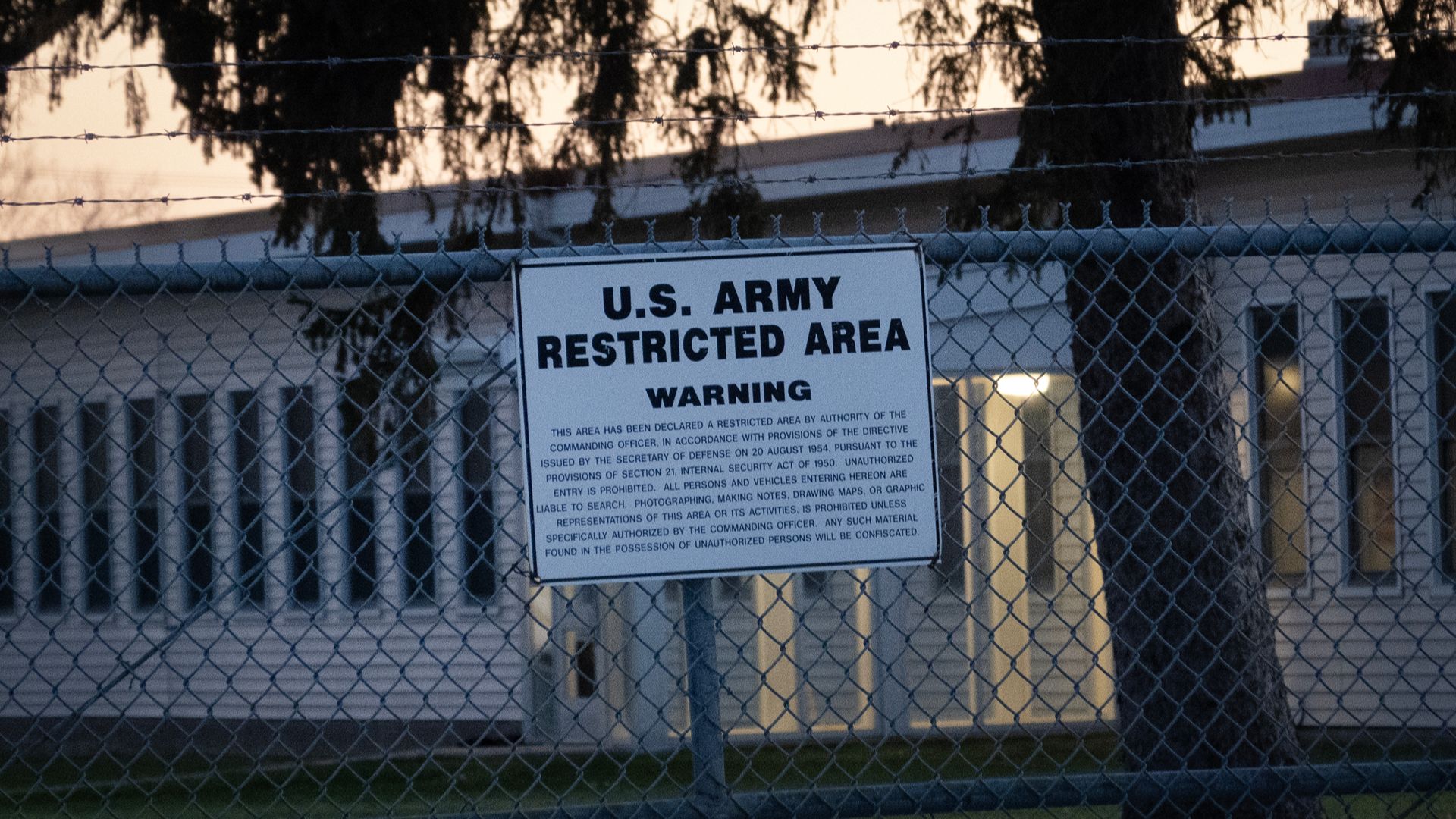
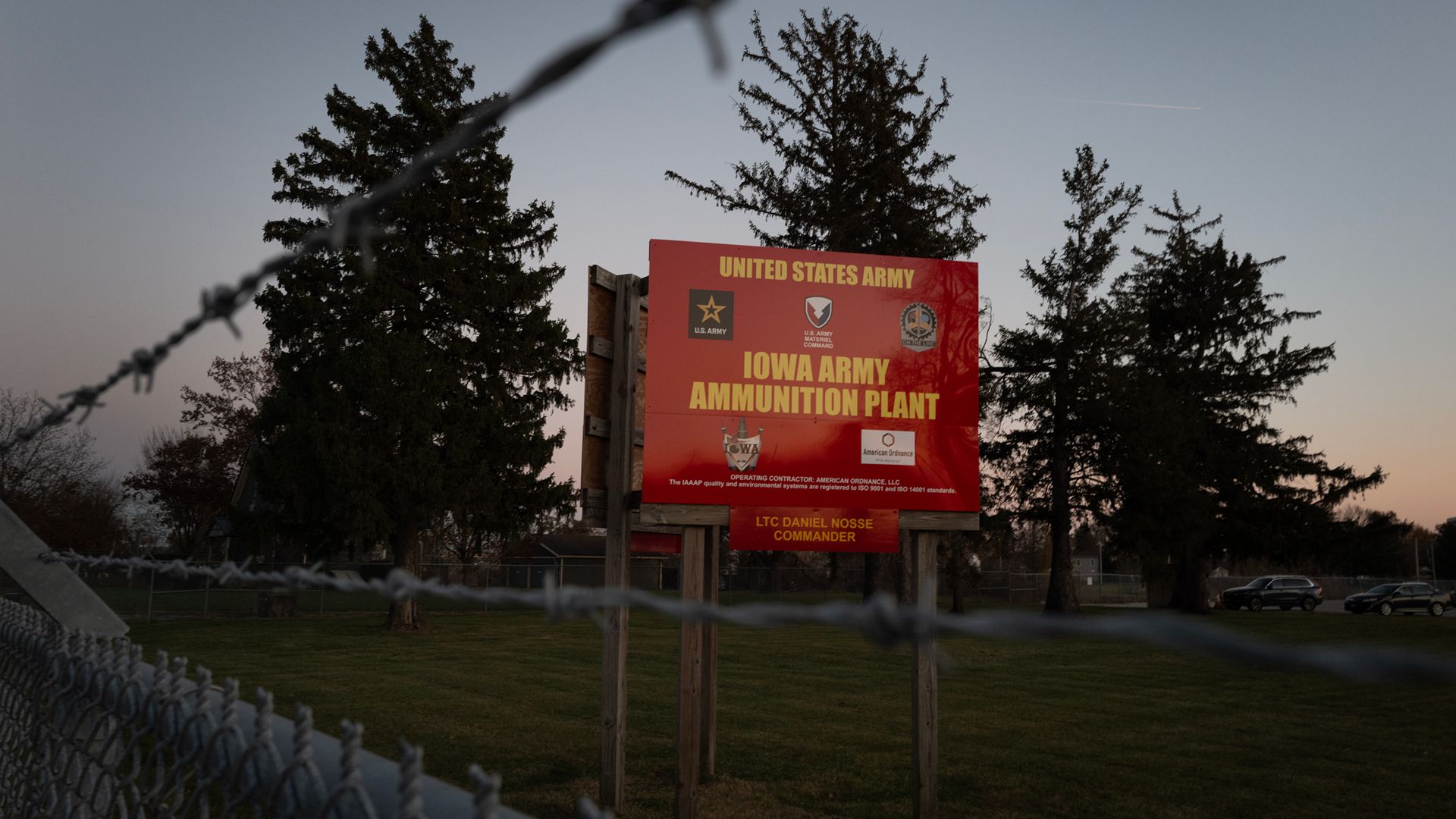
The U.S. Army is preparing to detonate nearly five tons of hazardous explosive material at the Iowa Army Ammunition Plant on November 25, despite mounting public opposition, legal challenges and concerns about potentially exposing surrounding communities to toxic lead contamination. The controversial operation received judicial clearance after a federal appeals court lifted a temporary suspension on November 23, allowing military officials to proceed with their disposal plans. Residents and environmental organizations have raised concerns about the potential consequences for air quality, agricultural land and water supplies, questioning whether federal authorities adequately explored safer alternatives. Acting Secretary of the Army Adam Telle defended the decision in a statement on Monday, declaring that «We are proceeding with the controlled removal in full coordination with all state, local and federal authorities, because the safety of Iowa's citizens comes first.» Military officials maintain that continued storage presents an increasingly serious danger, although concerns remain about the potential environmental and public health consequences of the operation.
The hazardous stockpile contains lead azide, a toxic explosive compound that has reportedly been stored at the military facility for more than two decades. The Army maintains that the deteriorating condition of the material has created an increasingly urgent safety problem, threatening personnel at the facility and potentially endangering the surrounding population. Military officials argue that further delays could increase the danger of an accidental explosion and that the proposed disposal operation represents the safest available course of action. Major General Eric Shirley, who is overseeing the operation, reiterated the military's position during a November 24 briefing, stating that «Inaction is no longer an option.» However, the length of time the hazardous material remained in storage has raised questions about the Army's previous management of the stockpile and whether earlier intervention could have prevented the current emergency. Environmental advocates are challenging the military's assessment of the available alternatives, arguing that the urgency of the situation should not come at the expense of public health protections.
The public deserves to know immediately which communities will be impacted and how residents can most effectively protect themselves and mitigate impacts on their health and homes.
Much of the public opposition centres on the possibility that the detonation could release lead-containing particles into the atmosphere, potentially contaminating residential properties, agricultural areas and water sources. Lead exposure is associated with serious health consequences, including neurological damage, developmental problems in children and complications during pregnancy. Unlike some environmental pollutants, lead does not naturally degrade and can remain in contaminated soil for extended periods, creating potential risks long after the initial release. Michael Schmidt, general counsel for the Iowa Environmental Council, emphasized the health concerns surrounding the operation, stating that «The EPA itself admits that there is no safe level of lead exposure for humans.» Environmental advocates maintain that residents deserve assurances that all reasonable disposal alternatives have been thoroughly evaluated before an operation carrying potential contamination risks proceeds. Although the Army has defended its safety preparations and environmental monitoring plans, the actual extent of any contamination remains uncertain and will depend on subsequent testing rather than assurances provided before the detonation.
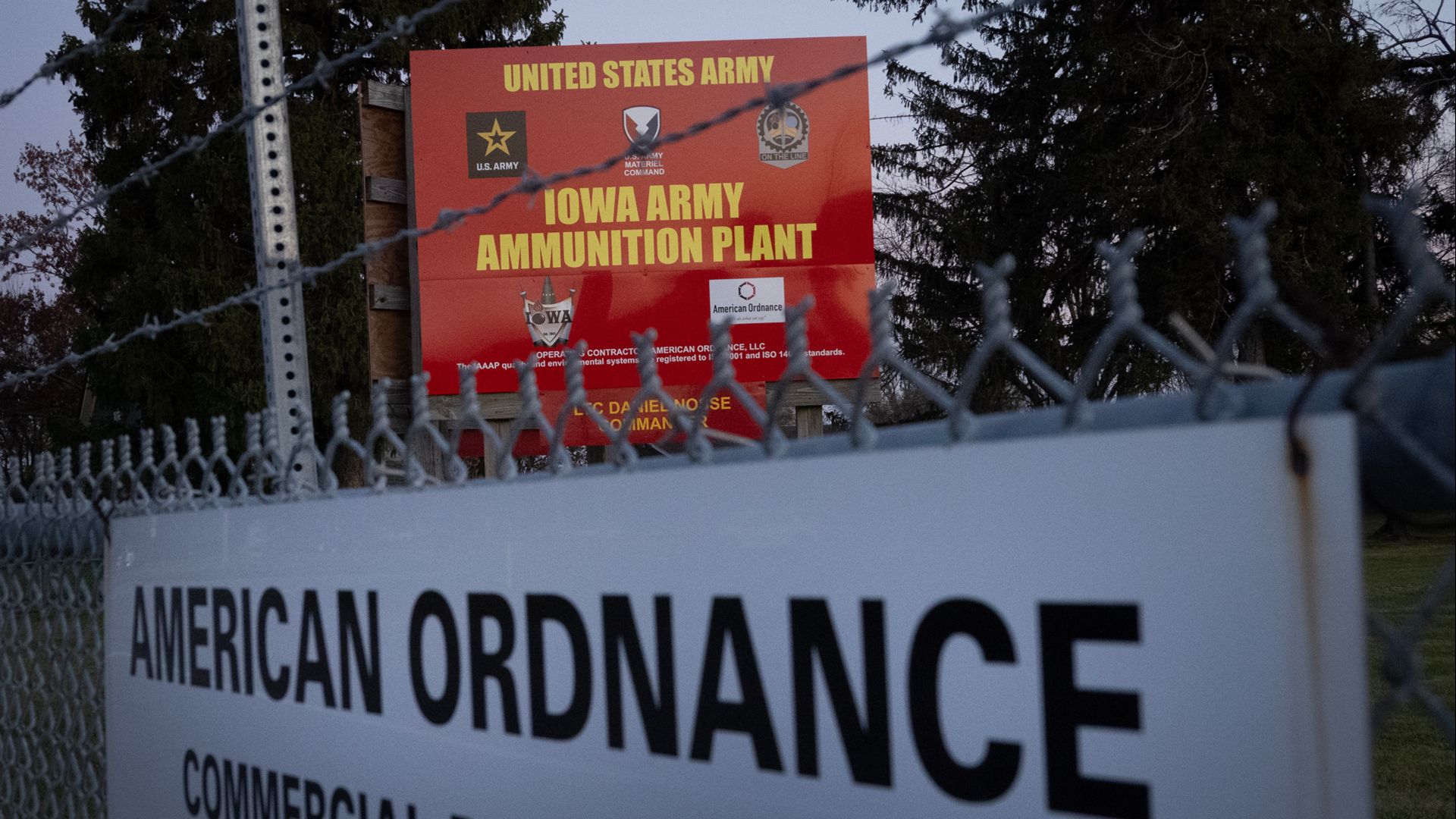
The military's handling of the deteriorating stockpile is also at the centre of a legal challenge launched on November 19 by the Iowa Environmental Council and the Iowa chapter of the Sierra Club, represented by Earthjustice. The organizations challenged the emergency permit issued by the Environmental Protection Agency, questioning whether federal authorities had adequately evaluated less environmentally damaging disposal methods. The EPA was reportedly notified of the material's deteriorating condition in March 2026, while a contract previously awarded to an environmental treatment company was cancelled in May over safety concerns. Iowa's Democratic governor-elect, Rob Sand, also criticized the authorities' handling of the situation, declaring that «An unacceptable lack of communication and clarity has made Iowans understandably concerned and angry about this situation.» Sand called for a clearer explanation of why the proposed detonation was considered safer than other available options. Environmental advocates argue that the emergency raises broader questions about the military's management of hazardous materials and its responsibility to surrounding communities.
The controversy took a political turn on November 23 when Trump temporarily ordered the military to suspend the operation, making its authorization conditional on both judicial clearance and approval from Iowa's incoming Democratic governor. Trump also indicated that he would hold Sand responsible if further delays resulted in an accidental explosion. The governor-elect pushed back against the intervention, arguing that the administration should rely on scientific expertise and provide residents with the information necessary to understand the risks rather than shifting responsibility for a federal military operation onto state officials. Sand's criticism focused primarily on the lack of transparency and the administration's handling of the situation rather than categorical opposition to the disposal of the hazardous material. Later that day, a federal appeals court lifted its temporary suspension, clearing the way for the Army to proceed. The judicial decision, however, did not definitively resolve the underlying legal challenge or establish that the operation would be free of environmental consequences.
Inaction is no longer an option.
With the operation scheduled to proceed, residents remain concerned about the potential consequences for their families, properties and livelihoods. Environmental organizations have called for comprehensive public health guidance, accessible contamination testing and clear commitments regarding responsibility for any necessary cleanup. Schmidt reiterated those demands on November 23, stating that «The public deserves to know immediately which communities will be impacted and how residents can most effectively protect themselves and mitigate impacts on their health and homes». Authorities in neighbouring Missouri are also preparing additional environmental and agricultural monitoring amid concerns about potential contamination extending beyond Iowa. While military officials maintain that their preparations are designed to minimize environmental risks, the effectiveness of those measures will ultimately depend on the results of subsequent testing. For residents who have spent days seeking answers from federal authorities, the end of the disposal operation may not mark the end of the controversy, particularly if monitoring identifies contamination requiring long-term environmental remediation or public health interventions.
Created by humans, assisted by AI.
Share this post